
For shooting enthusiasts, hunters, and those prioritizing personal preparedness, the ability to acquire ammunition is fundamental to their lifestyle. In an increasingly digital world, the convenience of online shopping has transformed how we purchase everything from groceries to specialized equipment. However, when it comes to ammunition in a state like California, this convenience is met with a unique set of legislative challenges. This article delves into the intricate regulations governing online ammo purchases in California, offering insights for individuals seeking to maintain their chosen lifestyle amidst evolving legal landscapes.
Navigating the California Shooting Enthusiast’s Lifestyle: An Overview of Ammo Regulations
The vibrant lifestyle of a firearm owner in California is rich with diverse activities, from competitive sport shooting and recreational target practice at local ranges to the traditional pursuit of hunting in the state’s vast natural landscapes. This lifestyle demands consistent access to ammunition, which serves not just as a commodity but as a key component for skill development, safe practice, and the enjoyment of a cherished hobby. However, unlike many other states, California has implemented some of the most stringent ammunition control laws in the nation, significantly impacting how enthusiasts purchase and possess ammo. Understanding these regulations is not just a matter of legal compliance; it’s essential for sustaining one’s chosen lifestyle activities without disruption. The state’s approach reflects a broader legislative intent to enhance public safety, which has, in turn, created a complex environment for law-abiding citizens seeking to participate in shooting sports or ensure personal defense.
The Landscape of Firearm Ownership and Use in the Golden State
California is home to millions of firearm owners, each with their own reasons for embracing this lifestyle. For some, it’s the thrill of precision and accuracy in target shooting; for others, it’s the camaraderie found within hunting communities. There are also those who view firearm ownership, and thus access to ammunition, as a fundamental aspect of self-reliance and protection. This diverse group forms a significant demographic within the state, all of whom are directly affected by the intricate web of laws that dictate ammunition acquisition. The state’s legislative framework aims to balance public safety concerns with the rights of gun owners, resulting in a system that requires careful navigation. The daily realities of these enthusiasts, from planning range visits to preparing for hunting seasons, are now intrinsically linked to understanding and adhering to these unique regulations, making the process of buying ammo a significant aspect of their lifestyle management.
Initial Thoughts: The Allure of Online Convenience
The digital age has fundamentally reshaped consumer expectations, and for many, the idea of ordering products from the comfort of their home is no longer a luxury but a standard. For ammunition, online purchasing offers numerous advantages that directly appeal to the lifestyle of a shooter. It provides access to a wider variety of calibers and bullet types that might not be available at local brick-and-mortar stores. Often, online retailers can offer more competitive pricing, which is a considerable benefit given the ongoing costs associated with shooting sports. Furthermore, for individuals residing in remote areas of California, where local gun shops or sporting goods stores might be scarce, online ordering presents an unparalleled level of convenience, saving them significant travel time and effort. The promise of direct-to-door delivery, however, is where California’s laws introduce a pivotal divergence from the typical online shopping experience, prompting a deeper look into the specifics of its regulations.
The California Mandate: Understanding Online Ammo Purchase Restrictions
The ability to purchase ammunition online in California underwent a dramatic transformation with the implementation of Proposition 63 in 2016, which officially took effect on January 1, 2018. This landmark legislation fundamentally altered the landscape for anyone seeking to buy ammunition within the state, whether in person or online. The core intent of these laws was to enhance public safety by closing what lawmakers perceived as loopholes in existing firearm regulations, extending background check requirements to ammunition purchases. For individuals whose lifestyle includes shooting sports, hunting, or personal defense, these changes necessitated a complete re-evaluation of how they acquire their essential supplies. The days of direct-to-door online ammunition delivery became a thing of the past, replaced by a more regulated and often more cumbersome process designed to ensure that all ammunition sales involve a comprehensive vetting of the buyer.
A Deep Dive into Proposition 63 and AB 1135
Proposition 63, championed by then-Lieutenant Governor Gavin Newsom, mandated universal background checks for all ammunition purchases. This initiative was further solidified by Assembly Bill 1135, which codified many of Proposition 63’s provisions into state law. Together, these legislative acts fundamentally restructured the ammunition supply chain in California. The most significant change for online buyers was the prohibition of direct shipments of ammunition to a buyer’s home or business address. Instead, all online ammunition sales must now be shipped to a Licensed Ammunition Vendor (LAV) or a Federal Firearm License (FFL) holder who is also authorized to sell ammunition. This requirement effectively adds an intermediary step, complicating what was once a straightforward online transaction and directly impacting the convenience aspect of this particular lifestyle choice. The legislation reflects a broader commitment by California to regulate firearms and related accessories comprehensively.
The Role of Licensed Ammunition Vendors (LAVs)
Licensed Ammunition Vendors (LAVs) are central to the current ammunition purchasing process in California. These are typically FFL holders – such as gun shops, sporting goods stores, or even some authorized private dealers – who have obtained an additional state license specifically for selling ammunition. When an individual purchases ammunition online from an out-of-state or in-state retailer, the order must be shipped to an LAV. The LAV then facilitates the transfer of the ammunition to the buyer, much like how firearms are transferred. This process ensures that all ammunition sales are conducted through a verified, regulated entity. For the enthusiast, finding a convenient and accommodating LAV becomes a critical part of their ammunition acquisition strategy, as the availability and willingness of these vendors to handle transfers can vary. This added layer significantly alters the purchasing lifestyle, requiring planning and potentially extra travel.
Background Checks: A New Reality for Ammo Buyers
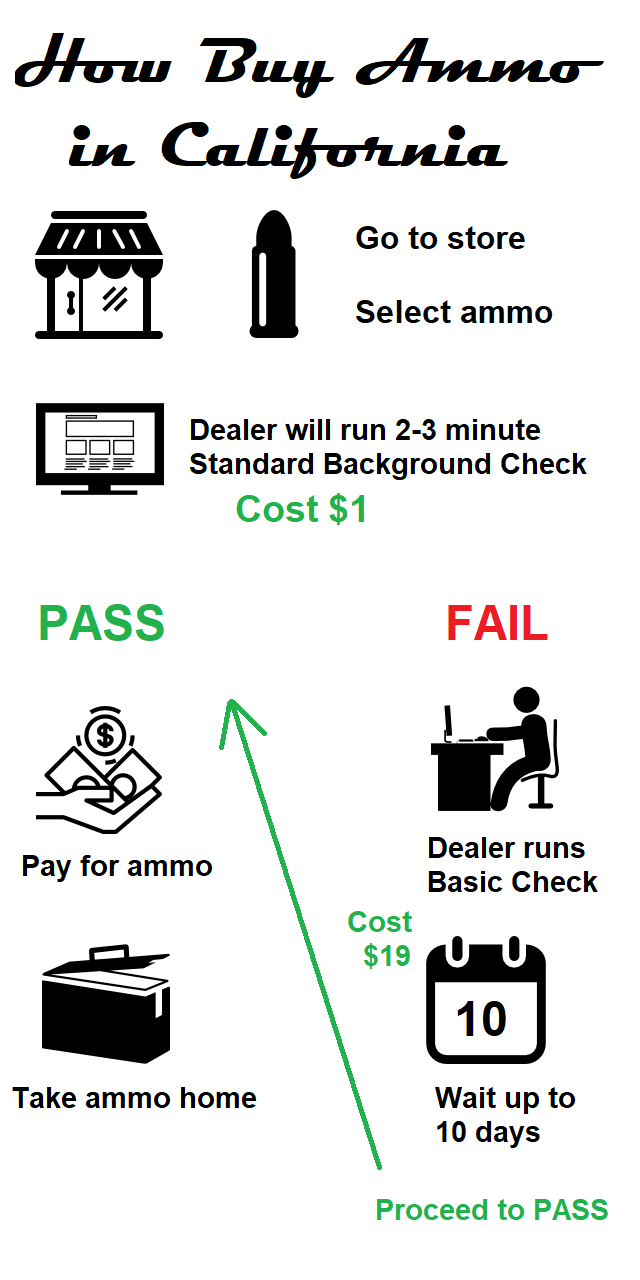
Perhaps the most impactful change introduced by California law is the mandatory background check for every single ammunition purchase. This is a direct parallel to the background checks required for firearm purchases. When an individual goes to an LAV to pick up ammunition, whether purchased in-store or transferred from an online order, they must undergo a point-of-sale eligibility check. This check verifies that the buyer is not prohibited from possessing ammunition under state or federal law. There are currently three types of eligibility checks: a standard eligibility check for those whose information is already in the Department of Justice’s Automated Firearm System (AFS), a basic check that requires a manual review, and a less common one for individuals who don’t have a firearm registered in AFS. While designed to enhance safety, this requirement adds time and a fee to every transaction, changing the rhythm and spontaneity of ammunition purchases for many whose lifestyle includes frequent shooting activities.
Adapting Your Lifestyle: Strategies for Acquiring Ammunition in California
For residents of California committed to their shooting sports, hunting, or personal defense lifestyle, navigating the state’s stringent ammunition laws requires strategic planning and adaptability. The changes introduced by Proposition 63 and subsequent legislation have necessitated a shift from casual online purchasing to a more structured approach. While the convenience of direct home delivery for ammunition is no longer an option, various methods remain available for law-abiding citizens to acquire the necessary supplies. Understanding these alternative routes and making informed choices is crucial for maintaining active participation in these cherished lifestyle pursuits. The key lies in understanding the available channels and integrating them seamlessly into one’s existing habits and routines, ensuring that a passion for shooting isn’t curtailed by regulatory hurdles.
In-Person Purchases: The Traditional Route and Its Nuances

The most straightforward method for acquiring ammunition in California is through in-person purchases at a Licensed Ammunition Vendor (LAV). This traditional route, which mirrors how firearms are purchased, ensures direct compliance with state regulations. When buying ammunition in a physical store, the process involves selecting your desired cartridges, presenting a valid form of identification, and undergoing an immediate background check. Upon successful completion of the background check, and payment of any associated fees, the ammunition can be taken home directly. While this method lacks the initial convenience of online browsing and selection from a broader inventory, it offers immediate gratification for those who are cleared. Many enthusiasts now plan their ammunition purchases around visits to their local gun stores or sporting goods retailers, often combining these trips with other errands or range visits, thereby integrating this process into their regular lifestyle schedule.
The FFL Transfer Process for Online Orders: What to Expect
Despite the inability to receive ammunition directly, online ordering still plays a role for many California residents due to potentially better pricing or wider selection. The process involves placing an order with an online retailer and specifying an LAV or FFL holder in California as the shipping destination. It’s imperative to confirm with your chosen LAV beforehand that they accept ammunition transfers and to understand their specific fees for this service. Once the ammunition arrives at the LAV, you will be notified to pick it up. At the point of pickup, you will undergo the mandatory background check, pay any transfer fees imposed by the LAV, and then complete the transaction. This method allows enthusiasts to leverage the benefits of online shopping while adhering to state law, albeit with added steps and costs. It’s a common workaround that fits into the lifestyle of those who prioritize specific ammunition types or seek cost savings.
Membership Benefits and Community Resources for the California Shooter
For individuals deeply ingrained in the shooting lifestyle in California, joining local shooting clubs, organizations, or national advocacy groups can provide invaluable resources. Many shooting ranges and clubs are themselves LAVs, offering convenient on-site ammunition sales to members. Furthermore, these communities often serve as hubs for information sharing regarding compliant ammunition acquisition strategies, reputable LAVs, and updates on legislative changes. Some memberships might even offer discounts on ammunition or waiver transfer fees for online orders shipped to their facility. Engaging with these communities not only supports the sport but also helps members navigate the complexities of California’s laws more effectively, fostering a sense of camaraderie and collective problem-solving within the shooting enthusiast lifestyle.
The Broader Impact: How Ammo Regulations Shape the California Lifestyle
The stringent ammunition regulations in California extend beyond the immediate point of purchase, casting a wide net of influence over various aspects of the lifestyle associated with firearm ownership and use. These laws have ripple effects that touch upon economic viability, the future trajectory of recreational and competitive shooting, and the very fabric of community engagement among enthusiasts. For many, maintaining their chosen lifestyle now involves not just navigating the present legal landscape but also contemplating its long-term implications and actively participating in efforts to shape future policies. The collective experience of adapting to these regulations has fostered both challenges and unique forms of resilience within the California shooting community, underscoring how deeply interwoven legislative decisions are with personal freedoms and recreational pursuits.
Economic Repercussions for Businesses and Consumers
The economic impact of California’s ammunition laws is substantial. For online retailers, the inability to ship directly to consumers means losing a significant portion of the California market, or requiring them to adapt their logistics to accommodate LAV transfers. For in-state businesses, particularly small gun shops and sporting goods stores, the requirement to become a Licensed Ammunition Vendor involves additional administrative burdens and costs, which are often passed on to consumers. Furthermore, the fees associated with background checks and LAV transfers add to the overall cost of ammunition, making shooting sports more expensive for the average enthusiast. This economic pressure can impact participation rates, potentially leading to a decline in related industries, from ammunition manufacturing to shooting range operations, directly affecting the economic viability of the entire shooting lifestyle ecosystem in the state.
The Future of Shooting Sports and Hunting in the State
The long-term effects of these regulations on shooting sports and hunting in California are a subject of ongoing debate and concern. Increased costs, reduced convenience, and the perceived infringement on rights could deter new participants from entering these hobbies. Younger generations might find the barriers to entry too high, leading to a gradual decline in the number of active hunters and sport shooters. This potential decline could have broader ecological consequences for wildlife management, as hunting fees often contribute significantly to conservation efforts. Conversely, some argue that these regulations encourage responsible gun ownership and a more disciplined approach to the lifestyle. Regardless of the perspective, it is undeniable that the current legal framework is shaping the future landscape of these activities, forcing enthusiasts to reconsider how they engage with their passions in California.
Advocacy and Engagement: Protecting Your Lifestyle Choices
In response to the evolving legal environment, many California firearm owners and shooting enthusiasts have become more engaged in advocacy efforts. Organizations dedicated to protecting Second Amendment rights and promoting shooting sports actively work to educate the public, challenge restrictive legislation, and support political candidates who understand and respect the lifestyle choices of gun owners. For individuals who wish to preserve their access to ammunition and their ability to participate in shooting activities, staying informed, joining these advocacy groups, and contacting their elected representatives are crucial steps. This active engagement is not just about policy; it’s about safeguarding a cherished lifestyle and ensuring its viability for future generations in California.
Conclusion: Embracing and Navigating the California Ammunition Landscape
The question “Can you buy ammo online in California?” elicits a nuanced answer: yes, but not in the conventional sense of direct-to-door delivery. The stringent regulations stemming from Proposition 63 and AB 1135 have fundamentally reshaped the process, mandating that all online ammunition purchases be transferred through a Licensed Ammunition Vendor (LAV) and involve a background check. This reality profoundly impacts the lifestyle of shooting enthusiasts, hunters, and those prioritizing personal preparedness within the Golden State. While the convenience of unrestricted online shopping is a thing of the past, the spirit of these communities remains resilient, adapting to the new legal framework through strategic planning, in-person purchases, and leveraging LAV transfers.
Staying Informed and Compliant
For anyone embracing the shooting lifestyle in California, staying meticulously informed about the latest regulations is paramount. Laws are subject to change, and non-compliance, even unintentional, can have serious consequences. Regularly checking updates from the California Department of Justice, engaging with reputable firearm advocacy groups, and maintaining open communication with local LAVs are essential practices. This proactive approach ensures that one can continue to pursue their passion for shooting sports or maintain their personal defense preparedness without running afoul of the law, making compliance an integral part of their responsible lifestyle choices.

The Enduring Spirit of California Shooting Enthusiasts
Despite the complexities, the community of California shooting enthusiasts continues to thrive, demonstrating remarkable adaptability and commitment to their lifestyle. From competitive shooters honing their skills to hunters enjoying the state’s natural beauty, the passion endures. The challenges presented by ammunition regulations have, in some ways, strengthened this community, fostering greater advocacy, resourcefulness, and mutual support. Ultimately, while the method of acquiring ammunition has evolved, the core values of responsible firearm ownership, skill development, and the enjoyment of shooting activities remain a vibrant and integral part of the California lifestyle.
LifeOutOfTheBox is a participant in the Amazon Services LLC Associates Program, an affiliate advertising program designed to provide a means for sites to earn advertising fees by advertising and linking to Amazon.com. Amazon, the Amazon logo, AmazonSupply, and the AmazonSupply logo are trademarks of Amazon.com, Inc. or its affiliates. As an Amazon Associate we earn affiliate commissions from qualifying purchases.