
In our increasingly interconnected world, where seamless transitions between life’s various phases are paramount, a birth certificate stands as a cornerstone of personal identity and administrative readiness. Far from being a mere historical document, your birth certificate is a dynamic tool that underpins a multitude of lifestyle choices—from international travel and educational pursuits to establishing residency or securing essential services within a vibrant state like California. For those managing a dynamic lifestyle, understanding how to obtain or replace this vital record efficiently is not just a bureaucratic task, but a strategic imperative. This comprehensive guide demystifies the process of acquiring a new birth certificate in California, ensuring you’re equipped to navigate life’s opportunities without unnecessary hurdles.

The Foundational Role of Your Birth Certificate in a Dynamic Lifestyle
In an era defined by mobility and diverse life paths, the importance of robust personal documentation cannot be overstated. Your birth certificate is more than just a piece of paper; it’s a verified record of your existence, your identity, and your lineage, serving as a gateway to countless opportunities and necessities.
Why a Current Birth Certificate is Indispensable
A valid birth certificate is a prerequisite for a surprising array of life events that define a modern lifestyle. Consider the aspirations of travel: whether you dream of exploring distant lands or simply need to obtain a passport for business trips, your birth certificate is typically the primary document required for passport applications. It’s also fundamental for establishing legal identity when you move to a new city, such as Los Angeles or San Francisco, and need to enroll children in school, obtain a driver’s license, or register for voter services. Beyond travel, it’s often required for accessing social security benefits, applying for marriage licenses, or even proving citizenship for employment opportunities. Without it, even the most meticulously planned lifestyle can face unexpected interruptions, highlighting the critical need for proactive document management.
Proactive Document Management for Seamless Life Transitions
Embracing a lifestyle of readiness means anticipating needs before they become urgent. Regularly reviewing the status and accessibility of vital documents like your birth certificate should be a routine aspect of personal administration. Imagine planning a spontaneous international trip or needing to quickly apply for an expedited visa—having your birth certificate readily available or knowing the swift process to obtain a new one can transform potential stress into a smooth transition. This foresight minimizes delays and ensures that your personal aspirations, whether they involve global exploration or local community engagement, remain unhindered. Proactive document management is about empowering your lifestyle, allowing you to seize opportunities as they arise, rather than being restricted by administrative oversights.
Navigating the Process: Obtaining Your California Birth Certificate
Obtaining a birth certificate in California involves a structured process designed to protect personal information while ensuring legitimate access. Understanding the requirements and steps is crucial for a successful application.
Who is Eligible to Request a Birth Certificate?
California law is specific about who can request an authorized certified copy of a birth certificate. This is to safeguard personal information and prevent identity theft. Generally, eligible individuals include:
- The registrant (the person named on the certificate), if they are 18 years of age or older.
- A parent or legal guardian of the registrant (who must be listed on the certificate).
- A child, grandparent, grandchild, sibling, spouse, or domestic partner of the registrant.
- A member of a law enforcement agency or a representative of a governmental agency, conducting official business.
- An attorney representing the registrant or their estate, or a court order that establishes the right to obtain the record.
- A party entitled to receive the record as a result of a court order.
If you don’t fall into one of these categories, you may only be able to obtain an informational certified copy, which includes the same information as an authorized copy but is marked “INFORMATIONAL, NOT A VALID DOCUMENT TO ESTABLISH IDENTITY.” This distinction is important, especially for those who need the certificate for identification purposes, such as passport applications.
The Essential Steps to Application
The general process for requesting a birth certificate in California typically involves these steps:
- Identify the Issuing Authority: Birth certificates are issued by the county in which the birth occurred, or by the California Department of Public Health (CDPH – Vital Records). For recent births (within the last few months to a year), it’s often best to contact the county vital records office directly. For older records, either the county or the CDPH can usually provide it.
- Complete the Application Form: You’ll need to fill out an application form, typically available on the county vital records website or the CDPH website. This form will ask for details about the registrant (name, date of birth, place of birth, parents’ names) and the applicant.
- Gather Required Documentation: Proof of identity and, if applicable, proof of relationship to the registrant are essential.
- Submit Payment: A fee is required for each certified copy requested. Fees vary by county and are subject to change.
- Submit Your Application: Depending on your chosen method (mail, online, or in-person), you’ll submit your form, documentation, and payment.
Required Documentation for Your Request
To secure an authorized certified copy, you will need to provide specific documentation to verify your identity and, if necessary, your relationship to the registrant.
- Proof of Identity: A valid government-issued photo identification is usually required. This could include a driver’s license, state ID card, passport, or military ID. If applying by mail, a sworn statement signed before a notary public is often necessary, attesting to your identity.
- Proof of Relationship (if applicable): If you are requesting a certificate for someone else (e.g., your child or parent), you may need to provide documentation proving your relationship, such as your own birth certificate or a marriage certificate.
- Court Orders: In cases where a court has established your right to the record, the official court order must be provided.
Ensure all documents are current and valid to prevent delays in processing your request.
Choosing Your Application Method: Efficiency and Convenience
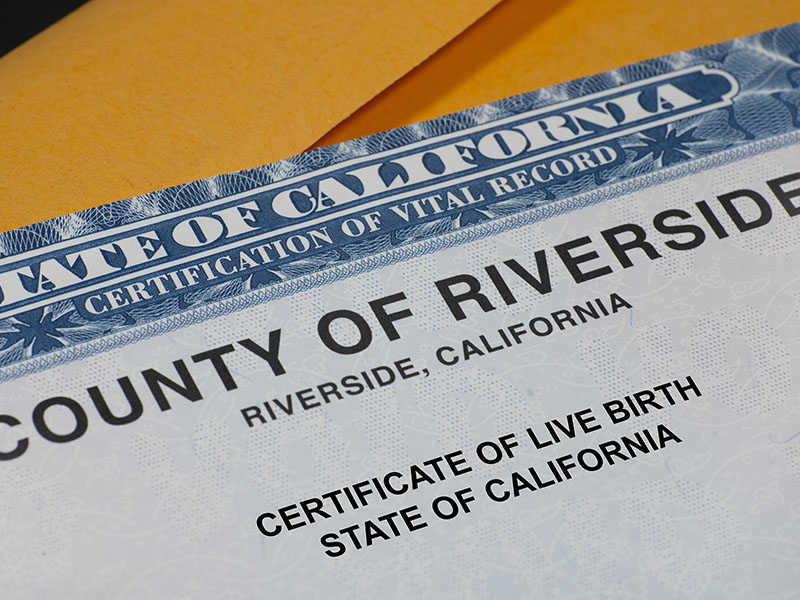
California offers several methods for obtaining a birth certificate, each with its own advantages, allowing you to choose the option that best fits your timeline and convenience.
Online and Mail Applications: A Guide to Remote Requests
For those who prefer the convenience of remote applications, both online and mail-in options are available through county vital records offices or the California Department of Public Health.
- Online Applications: Many counties and the CDPH offer online portals for requesting vital records. These services often involve filling out a digital form, uploading scanned copies of your identification, and paying with a credit card. While convenient, there may be an additional service fee charged by third-party processors. Delivery times vary but typically involve several weeks.
- Mail Applications: This traditional method involves printing the application form, filling it out, having your sworn statement notarized (if required for authorized copies), making copies of your ID, and mailing everything with a check or money order. Mail applications are generally processed in the order received, with processing times often ranging from a few weeks to several months, depending on current volume. This method is suitable for non-urgent requests where you have ample lead time.
In-Person Applications: Expedited Service for Urgent Needs
When time is of the essence, an in-person application is often the quickest way to obtain a birth certificate. This option is available at county vital records offices, typically located in the county seat (e.g., San Diego, Sacramento).
- Process: You will need to visit the office during business hours, complete the application form on-site, present your valid photo identification, and pay the required fee (often cash, credit card, or money order is accepted).
- Advantages: The primary benefit of in-person requests is the potential for same-day issuance of the certificate, provided all documentation is in order and the birth record is readily available. This is invaluable for urgent situations, such as last-minute passport applications for travel or immediate legal needs. Always check the specific county office’s requirements and hours of operation before visiting, as appointments may be necessary in some locations.
Addressing Common Scenarios and Special Considerations
Navigating the path to a new birth certificate can sometimes involve unique circumstances. Understanding how to address these situations ensures a smoother process.
Correcting Errors on Your Birth Certificate
Discovering an error on your birth certificate, no matter how minor, can be a cause for concern. Whether it’s a misspelled name, an incorrect date, or a factual inaccuracy, corrections are possible but require specific procedures. Generally, you’ll need to submit an Affidavit to Amend a Birth Record (CDPH Form VS 24) along with supporting documentary evidence that proves the correct information (e.g., hospital records, older family records, or court orders). The process can be detailed and may require review by the California Department of Public Health. Early detection and proactive correction are key to avoiding future complications related to identity.
Handling Lost or Stolen Certificates
Losing a birth certificate or having it stolen can be distressing, especially given its importance for identity verification. In such cases, the process for obtaining a new copy is essentially the same as for a first-time request. It’s prudent to report a stolen birth certificate to local law enforcement, as this can help protect against identity theft. When applying for a replacement, be sure to indicate that it is a lost or stolen document, which may prompt additional security verification steps. Securing a new, authorized copy promptly is essential to minimize any disruption to your lifestyle or potential security risks.
Special Circumstances: Adoption, Name Changes, and More
Certain life events introduce complexities into birth certificate requests:
- Adoption: For individuals who were adopted, an amended birth certificate is typically issued, reflecting the adoptive parents’ names. Requests for the original birth certificate often require a court order or adherence to specific state laws regarding access to adoption records.
- Name Changes: If a legal name change has occurred (e.g., through marriage, divorce, or court order), the birth certificate itself generally remains unchanged regarding the birth name. However, when applying for documents like a passport, you would submit both your birth certificate and the legal documentation of your name change. For specific corrections to the birth name itself, the amendment process mentioned above would apply.
- Delayed Registrations: In rare cases, a birth may not have been registered at the time of birth. A “delayed registration of birth” process exists, requiring extensive documentation and affidavits to establish proof of birth.
Each of these scenarios has specific legal protocols in California, and consulting with the vital records office or a legal professional can provide tailored guidance.
Planning Ahead: Securing Your Future with Proper Documentation
In the tapestry of a well-lived life, careful planning and preparedness are threads that reinforce security and minimize unforeseen challenges. When it comes to vital records, this forward-thinking approach is invaluable.
Integrating Document Management into Your Lifestyle Planning
Consider integrating an annual or biannual review of your vital documents into your personal planning routine. This could involve checking the physical condition of your certificates, ensuring they are stored in a secure, easily accessible location (such as a fireproof safe or a digital safe deposit box), and verifying that all details are accurate. For those with international aspirations or who frequently relocate, having multiple certified copies stored securely can be a wise decision. Think of it as an essential component of your personal infrastructure, as crucial as maintaining your financial portfolio or health records. By proactively managing these records, you empower yourself to embrace new opportunities, whether they involve living abroad, pursuing higher education, or simply navigating daily life in California with confidence.

Protecting Your Vital Records for Peace of Mind
Beyond merely obtaining a new birth certificate, paramount importance lies in its protection. Safeguarding this document from loss, damage, or theft is vital for maintaining peace of mind and preventing potential identity fraud. Consider storing original documents in a secure location, such as a bank safe deposit box, and keeping certified copies in a home safe. For digital archiving, ensure encrypted storage solutions are used. Avoid carrying your original birth certificate unless absolutely necessary. By taking these preventative measures, you build a robust defense around your core identity, ensuring that your birth certificate remains a reliable cornerstone of your dynamic and well-managed lifestyle in California and beyond.
LifeOutOfTheBox is a participant in the Amazon Services LLC Associates Program, an affiliate advertising program designed to provide a means for sites to earn advertising fees by advertising and linking to Amazon.com. Amazon, the Amazon logo, AmazonSupply, and the AmazonSupply logo are trademarks of Amazon.com, Inc. or its affiliates. As an Amazon Associate we earn affiliate commissions from qualifying purchases.