
In a diverse and dynamic state like California, civic participation forms a crucial part of an individual’s lifestyle, reflecting their values, beliefs, and vision for the community. Among the many aspects of this civic engagement is one’s political party affiliation. As perspectives evolve and the political landscape shifts, many residents find themselves contemplating a change in their registered party. This decision, often deeply personal, can signify a realignment of one’s civic identity, impacting everything from primary election participation to the broader expression of one’s political “lifestyle.” Understanding the straightforward process to update this affiliation is essential for anyone seeking to ensure their registered status accurately reflects their current stance.

This guide delves into the practical steps and important considerations for Californians looking to change their party affiliation. We will explore why such a change might be pursued, the various methods available for updating your voter registration, and the implications of your choice, ensuring you are well-informed as you navigate this aspect of your civic life.
Understanding Political Affiliation in California’s Diverse Landscape
California is renowned for its diverse population, innovative spirit, and often trailblazing political movements. This rich tapestry means that political affiliation is more than just a label; it’s a reflection of a citizen’s engagement with their community and their preferred approach to governance. For many, aligning with a political party is a critical component of their civic lifestyle, influencing their participation in elections, advocacy efforts, and even local community discussions.
The Spectrum of Choices
When registering to vote in California, individuals choose from a range of recognized political parties or opt for “No Party Preference” (NPP), previously known as “Decline to State.” The major parties, such as the Democratic Party and Republican Party, represent broad ideological platforms. However, California also recognizes smaller parties like the Green Party, Libertarian Party, Peace and Freedom Party, and American Independent Party, each offering distinct philosophical approaches to public policy and societal organization.
Choosing “No Party Preference” has become an increasingly popular option, reflecting a growing segment of the electorate that prefers to evaluate candidates and issues independently rather than through a party lens. This choice offers flexibility, allowing voters to participate in primary elections of certain parties by requesting a crossover ballot, or to focus solely on non-partisan races. Your affiliation choice directly impacts which ballots you receive in primary elections, making it a crucial aspect of your electoral “lifestyle.”
Why Change Your Affiliation?
The reasons for changing one’s political party affiliation are as varied as the individuals themselves. Over time, personal values, economic circumstances, social priorities, or even specific political events can lead to a shift in an individual’s outlook. A voter might find that their long-held party no longer accurately represents their views, or they may feel drawn to the platform of another party that better aligns with their evolving civic lifestyle.
For some, the change might be strategic, aiming to participate more effectively in specific primary elections for local or statewide offices. For others, it’s a profound declaration of their updated political identity, a desire to fully integrate into a community of like-minded citizens who share their vision for California’s future. Regardless of the motivation, the ability to easily change one’s affiliation ensures that California’s voter rolls remain accurate and reflective of its dynamic populace.
The Process of Updating Your Political “Lifestyle”
Changing your party affiliation in California is a straightforward process, primarily managed through updating your voter registration. The state has made it accessible for residents to ensure their civic identity is current and accurately represented in the electoral system.
Online Voter Registration
The most convenient and widely used method for updating your party affiliation is through the California Online Voter Registration website. This platform, overseen by the Secretary of State, allows registered voters to update their information, including their party preference, address, and name, with ease.
To make the change online, you will need:
- Your California Driver’s License or California Identification Card number.
- The last four digits of your Social Security number.
- Your date of birth.
By providing this information, the system can quickly verify your identity and pull up your existing voter registration record. You can then simply select your new party affiliation or choose “No Party Preference” from the available options. The process is typically quick, taking only a few minutes to complete, and once submitted, it immediately updates your record.
Registration by Mail
For those who prefer a physical form or do not have the necessary identification for online registration, updating your party affiliation via mail is another viable option. You can pick up a paper Voter Registration Application at various locations:
- Your local county elections office.
- Any Department of Motor Vehicles office.
- Public libraries.
- U.S. Postal Service offices.
- Many government offices.
Fill out the application completely, ensuring you clearly mark your new party affiliation. Mail the completed form to your county elections official. It’s important to note that mailed applications must be postmarked at least 15 days before an election to be valid for that election. This method is particularly useful for new voters, but it works just as effectively for existing voters wishing to modify their party preference.
In-Person Registration
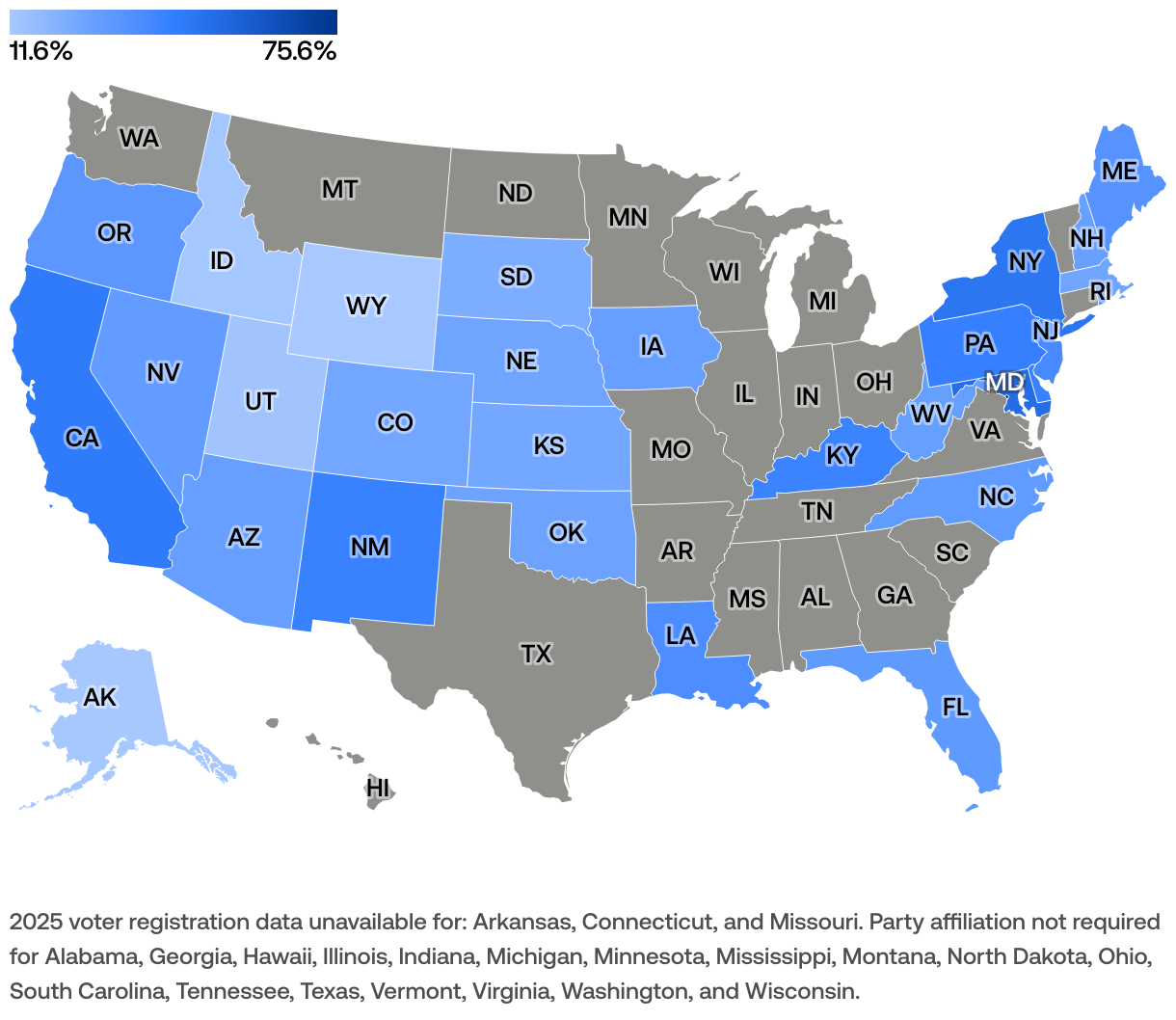
While less common for a simple party affiliation change, you can also update your voter registration in person at your county elections office. This option provides the opportunity to speak directly with an elections official if you have specific questions or require assistance with the form. Offices in major cities like Los Angeles, San Francisco, and Sacramento are equipped to assist voters during business hours, offering immediate processing of your updated civic “lifestyle” choice.
Key Considerations Before Making the Switch
While changing your party affiliation is a simple procedural step, the decision itself warrants careful thought. It’s a choice that reflects your engagement with the political process and impacts your participation in California’s democratic system.
Primary Election Participation
One of the most significant implications of your party affiliation in California concerns primary elections. In a partisan primary, generally, only voters registered with that specific party can vote for its candidates. For example, if you are registered with the Democratic Party, you will receive a ballot with only Democratic Party candidates for partisan offices.
However, California operates with a “modified” open primary system for “No Party Preference” (NPP) voters. If you are an NPP voter, you may be able to vote in the presidential primary elections of a political party if that party chooses to allow NPP voters to “cross over” and request their ballot. The Democratic Party, Libertarian Party, and American Independent Party have historically allowed NPP voters to request their ballots in presidential primaries. The Republican Party, Green Party, and Peace and Freedom Party generally do not. For statewide and local partisan primaries, all voters, regardless of party preference, receive the same ballot listing all candidates. However, only votes cast for candidates of a voter’s registered party will be counted toward that party’s nomination. Understanding these rules is crucial for strategic voting within your chosen civic lifestyle.
Timing is Everything
To ensure your change of party affiliation is effective for an upcoming election, it’s vital to observe registration deadlines. In California, the last day to register to vote or to update your registration (including party affiliation) for any election is 15 days before Election Day. If you miss this deadline, California offers Conditional Voter Registration (CVR), also known as Same-Day Voter Registration. This allows eligible citizens to register and cast a provisional ballot at their county elections office or polling place on Election Day itself, or during the 14 days leading up to it. Your ballot will be counted once your registration is processed and verified.
Local vs. National Impact
While party affiliation is often discussed in the context of national politics, your choice has significant local relevance. In cities like Los Angeles or San Francisco, local elections for city council, school boards, or even mayoral races, though often non-partisan, are frequently influenced by underlying party dynamics and endorsements. Changing your affiliation can align you with local party committees, opening avenues for involvement in grassroots activism and community organizing that shape your immediate surroundings. This local impact is a fundamental aspect of your civic “lifestyle” within California.
The Impact of Your Affiliation Choice on Your Civic Lifestyle
Your decision to change party affiliation is more than just checking a box; it’s a statement about your evolving civic identity and how you wish to engage with the political process in California. This choice can influence everything from the media you consume to the political conversations you have, shaping a significant part of your lifestyle.
Shaping Your Electoral Voice
By aligning with a specific party, you are amplifying your voice within a particular ideological framework. This means that your vote and participation contribute directly to the platform and candidate selection processes of that party. Conversely, opting for “No Party Preference” signifies a desire for independent evaluation, allowing you to vote across party lines in general elections without the primary loyalty to a single group. Each choice offers a different avenue for your electoral voice to be heard and contributes distinctly to California’s democratic dialogue.
Engagement and Community
Party affiliation can also dictate opportunities for engagement and community within the political sphere. Parties often host local meetings, events, and volunteer opportunities. For example, local Democratic Party or Republican Party chapters across California provide platforms for members to discuss issues, strategize, and support candidates. Changing your affiliation can open doors to new networks and communities of like-minded individuals, enriching your civic lifestyle through direct involvement and shared purpose. For someone seeking to move from, say, the Green Party to the Libertarian Party, this shift connects them with entirely different networks and advocacy efforts.
Reflecting Personal Growth
Ultimately, changing your party affiliation is a reflection of personal growth and evolving convictions. Just as one might adapt their professional or personal lifestyle choices over time, so too can their political leanings mature and shift. California’s flexible voter registration system empowers citizens to continually update this aspect of their civic identity, ensuring that their participation in democracy is always authentic and meaningful. This freedom to adapt is a cornerstone of a responsive and representative political system, allowing individuals to truly live out their evolving civic “lifestyle” in the Golden State.

Resources for Further Information
For the most accurate and up-to-date information regarding voter registration, party affiliation, and election processes in California, always refer to official state and county resources.
The California Secretary of State’s website is the primary source for all voter-related inquiries, including online registration, election dates, and voter information guides. Additionally, your specific county elections office (e.g., Los Angeles County Registrar-Recorder/County Clerk, San Francisco Department of Elections, or Sacramento County Voter Registration & Elections) can provide localized information, assistance with registration, and details on upcoming elections relevant to your community. These resources are invaluable tools for maintaining an informed and engaged civic lifestyle in California.
LifeOutOfTheBox is a participant in the Amazon Services LLC Associates Program, an affiliate advertising program designed to provide a means for sites to earn advertising fees by advertising and linking to Amazon.com. Amazon, the Amazon logo, AmazonSupply, and the AmazonSupply logo are trademarks of Amazon.com, Inc. or its affiliates. As an Amazon Associate we earn affiliate commissions from qualifying purchases.