
The provision of safe, stable, and nurturing homes for children is a cornerstone of a healthy society. In California, the need for such accommodation is profound and ongoing. Becoming a foster parent is a profound commitment, offering a long-term stay in a supportive environment for children who, through no fault of their own, cannot remain with their birth families. It is a journey that requires compassion, resilience, and a deep understanding of the unique needs of vulnerable youth. This guide aims to demystify the process, illuminating the steps and requirements for individuals and families considering opening their hearts and homes to foster children across the Golden State. It’s an exploration of how you can provide essential long-term accommodation and stability, transforming lives and strengthening communities.
Understanding Foster Care as a Form of Long-Term Accommodation
Foster care in California is not merely about providing a roof over a child’s head; it’s about offering a comprehensive, nurturing environment that serves as a temporary, yet often long-term, home. For children who have experienced trauma, instability, or neglect, a foster home represents a critical form of accommodation that extends far beyond basic shelter. It’s a place where healing can begin, where consistent care is provided, and where the foundation for a stable future is laid.
The Critical Need for Stable Homes
Across California, thousands of children enter the foster care system each year. These children, ranging from infants to teenagers, come from diverse backgrounds and carry unique stories and needs. The reasons for their entry into care are varied, often stemming from complex family challenges, including parental substance abuse, mental health issues, neglect, or abuse. What they all share is an urgent need for stability and a safe place to call home. Without adequate foster homes, children may face multiple placements, disrupting their education, emotional development, and sense of belonging. The availability of committed foster parents ensures that these vulnerable young individuals receive the continuous, stable accommodation they desperately require to thrive. This stability is paramount for their emotional well-being and their ability to integrate positively into society.
Beyond Temporary Shelter: A Nurturing Environment
While the immediate need is for a safe place to stay, foster care goes significantly beyond simply offering temporary shelter. It encompasses providing a nurturing environment where children can feel secure, valued, and understood. This form of long-term accommodation means offering consistent meals, comfortable sleeping arrangements, and access to education, healthcare, and recreational activities. More importantly, it involves emotional support, guidance, and a sense of belonging that many of these children have lacked. A foster home strives to create a family-like atmosphere where children can develop healthy attachments, build trust, and address any past traumas with the support of caring adults. It’s about creating an inclusive space where a child feels they have a voice and a place, fostering their growth and resilience during a challenging period of their lives.
Eligibility and Initial Steps for Providing Accommodation
The path to becoming a foster parent in California is structured to ensure that all potential caregivers are well-prepared and capable of meeting the diverse needs of foster children. The initial steps involve understanding the basic eligibility requirements and navigating the application process, laying the groundwork for providing essential long-term accommodation.
Basic Requirements for Foster Parents in California
California has established clear guidelines for who can become a foster parent, ensuring a baseline of safety and capability. While the specifics may vary slightly by county or licensing agency, general requirements typically include:
- Age: Prospective foster parents must be at least 18 years old. While there is no upper age limit, applicants must be in good physical and mental health to meet the demands of caring for children.
- Residency: Applicants must be legal residents of California.
- Income: While you don’t need to be wealthy, you must demonstrate a stable income sufficient to meet your family’s financial needs. Foster parents receive a monthly stipend to help cover the costs of caring for a foster child, but this is not intended to be a primary source of income.
- Housing: Your home must be safe, clean, and provide adequate space for a child, including a bed and personal space. It does not need to be a large or luxurious property, but it must pass health and safety inspections.
- Background Checks: All adults living in the home (typically over 18) must undergo comprehensive criminal background checks, including fingerprinting, to ensure there are no disqualifying convictions.
- Health: Prospective foster parents must complete a health screening, often including a physical exam and a tuberculosis test, to confirm they are physically able to care for children.
- Marital Status/Sexual Orientation: Foster parents can be single, married, in a domestic partnership, or LGBTQ+. California is inclusive and welcomes diverse families.
- Parenting Experience: While not strictly required, a willingness to learn about child development, trauma-informed care, and positive parenting techniques is essential.
Meeting these basic requirements is the first hurdle in demonstrating your capacity to provide a stable, long-term accommodation for a child in need.
The Application Process: Your First Steps
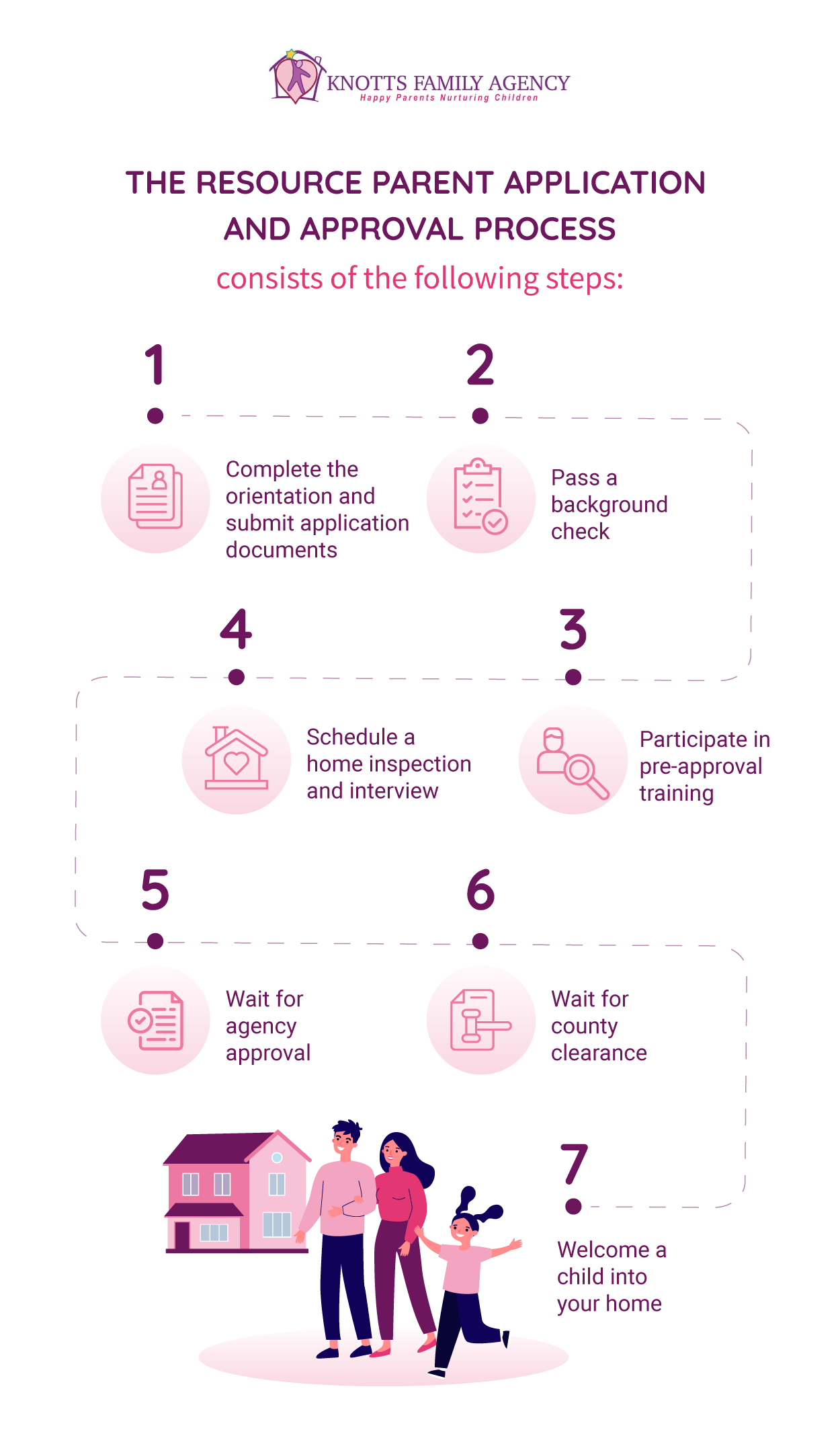
Once you’ve confirmed you meet the basic eligibility criteria, the application process formally begins. This typically involves several key stages:
- Information Session: Most agencies or county departments of social services host orientation meetings or online information sessions. These sessions provide an overview of foster care, the needs of children, the process, and answer initial questions. This is a crucial first step to gain a deeper understanding of the commitment.
- Initial Inquiry and Application: After the information session, if you wish to proceed, you will submit an initial inquiry or a formal application. This document collects basic personal, household, and financial information.
- Assignment of a Social Worker: Upon review of your application, a social worker or licensing representative will be assigned to guide you through the remainder of the process. They will be your primary point of contact and support.
- Completion of Paperwork: Expect to complete extensive paperwork, including forms related to your personal history, health, financial status, and household members. This documentation helps create a comprehensive profile of your capacity to foster.
These initial steps are designed to be thorough, ensuring that only suitable individuals and families are approved to become foster parents, safeguarding the well-being of the children placed in their care.
The Comprehensive Assessment and Training for Prospective Caregivers
The process of becoming a foster parent is rigorous and intentionally so. It involves a comprehensive assessment of your home and family, alongside mandatory training, all designed to prepare you for the unique challenges and rewards of providing long-term accommodation for children who have experienced trauma. This ensures that you are not just offering a room, but a truly safe, supportive, and understanding environment.
Home Study: Ensuring a Safe and Supportive Environment
The home study is arguably the most critical component of the assessment process. Conducted by a social worker, it is an in-depth evaluation of your family, living situation, and preparedness to foster. The purpose is multifaceted: to confirm your home is physically safe and appropriate, to understand your family dynamics, and to assess your emotional and psychological readiness. Key aspects of the home study include:
- Interviews: Multiple interviews will be conducted with all adult members of the household, both individually and together. These discussions will cover a wide range of topics, including your childhood experiences, relationship history, parenting philosophies, discipline methods, coping mechanisms, and motivations for fostering. The social worker seeks to understand your capacity for empathy, patience, and commitment.
- Home Inspection: Your home will be inspected to ensure it meets health and safety regulations. This includes checking for fire hazards, proper sanitation, secure storage of hazardous materials, and adequate space for a child. The social worker will also assess the neighborhood and local community resources.
- References: You will be asked to provide personal and professional references who can speak to your character, stability, and ability to care for children.
- Financial Review: A review of your financial stability will be conducted to ensure you can meet your family’s existing needs.
- Medical Clearances: All household members will need to provide medical clearances, often including physical examinations and TB tests, to ensure a healthy environment for a foster child.
The home study is a collaborative process, allowing the social worker to get to know you thoroughly and to help you identify areas where you might need additional support or preparation. It is designed to be supportive, not punitive, ultimately ensuring the best possible long-term accommodation for children.
Pre-Approval Training: Preparing for the Long-Term Stay
Alongside the home study, prospective foster parents are required to complete a comprehensive training program. In California, this is often referred to as Resource Family Approval (RFA) training, or similar programs depending on the agency. This training is essential for equipping caregivers with the knowledge and skills necessary to provide effective and trauma-informed care. Key topics covered typically include:
- Understanding Trauma: Learning about the impact of abuse, neglect, and trauma on child development and behavior. This is crucial for understanding why children in foster care may exhibit certain behaviors and how to respond therapeutically.
- Child Development: Gaining insights into age-appropriate development and common challenges faced by children and adolescents.
- Attachment and Loss: Exploring the dynamics of attachment, separation, and loss experienced by children in foster care, and how to help them build healthy attachments.
- Discipline and Behavior Management: Developing positive, non-physical discipline techniques and strategies for managing challenging behaviors effectively.
- Working with Biological Families: Understanding the importance of supporting reunification efforts when appropriate and maintaining a respectful relationship with birth families.
- Cultural Competency: Learning to appreciate and respect the diverse cultural backgrounds of children in care and how to support their cultural identity.
- Navigating the System: Understanding the roles of various professionals, legal aspects of foster care, and the resources available to foster families.
- Self-Care: Recognizing the importance of self-care for foster parents to prevent burnout and maintain their well-being.
This mandatory training, often spanning several weeks or modules, is invaluable for preparing foster parents for the realities of providing long-term accommodation for children with complex needs. It builds confidence, fosters a supportive community among prospective caregivers, and ensures a higher quality of care for children.
Navigating the Placement and Ongoing Support
Once you have successfully completed the home study and training, and received your approval, you are officially ready to provide long-term accommodation as a foster parent. The journey, however, doesn’t end there. The placement of a child is a thoughtful process, and ongoing support is crucial for both the foster family and the child.
Matching Children with Suitable Accommodation
The process of matching a child with a foster family is highly individualized and aims to create the most successful long-term stay possible. Social workers carefully consider various factors, including:
- Child’s Needs: This includes the child’s age, gender, sibling group, specific behavioral or medical needs, emotional history, and cultural background.
- Family’s Capacity: The foster family’s experience, available space, willingness to care for specific ages or needs, and cultural background are all taken into account.
- Geography: Proximity to the child’s school, therapists, or birth family (if reunification is the goal) can also be a factor.
When a potential match is identified, the social worker will typically present the child’s profile to the foster parent, providing as much information as possible to help the family make an informed decision. This includes details about the child’s history, personality, and current needs. If both parties agree to the match, a transition period may begin, which could involve visits before the child moves in, helping to ease the child into their new long-term accommodation. The goal is always to find a placement that offers stability and nurtures the child’s well-being.
Continuous Support and Resources for Foster Families
California recognizes that foster parenting is a challenging role, and ongoing support is vital for both the foster family and the child. Approved foster parents are not left to navigate this journey alone. Resources and support systems typically include:
- Social Worker Support: A dedicated social worker will continue to be your primary contact, providing guidance, addressing concerns, and facilitating services for the child. They conduct regular visits to ensure the child’s well-being and offer support to the foster family.
- Financial Assistance: Foster parents receive a monthly stipend to help cover the costs of food, clothing, and other expenses for the foster child. Additional funds may be available for specific needs, such as medical care or therapy.
- Healthcare and Education: Foster children are eligible for comprehensive medical, dental, and mental health services through Medi-Cal. They also receive support for their educational needs, with access to tutoring and educational advocacy.
- Training and Workshops: Agencies often provide ongoing training opportunities and workshops on topics relevant to foster care, such as managing adolescent behavior, dealing with grief and loss, or cultural sensitivity.
- Support Groups: Connecting with other foster parents through support groups can be invaluable. These groups offer a safe space to share experiences, gain advice, and build a community with others who understand the unique journey of fostering.
- Respite Care: Short-term respite care may be available to give foster parents a break, ensuring they can maintain their own well-being and continue to provide quality long-term accommodation.
This comprehensive network of support aims to empower foster families, providing them with the tools and resources needed to successfully care for children and navigate the complexities of the foster care system.
The Profound Impact of Providing Accommodation through Foster Care
Becoming a foster parent in California is an extraordinary act of kindness and civic responsibility. It is a decision that extends far beyond individual households, reverberating through the lives of vulnerable children and enriching the fabric of entire communities. The act of providing long-term accommodation through foster care yields profound and lasting impacts that transform futures.
Transforming Lives, One Child at a Time
For a child who has faced instability, trauma, or neglect, being placed in a stable foster home can be life-altering. This consistent, nurturing environment provides the foundation necessary for them to heal, grow, and thrive. Foster parents offer more than just a place to live; they offer:
- Safety and Security: The immediate benefit is a safe haven where children can feel protected from harm, allowing them to finally relax and begin to process their experiences.
- Emotional Healing: With patient and understanding caregivers, children learn to trust, form healthy attachments, and develop coping mechanisms for their past traumas. This consistent emotional support is vital for their mental health and resilience.
- Educational Stability: A stable home environment often leads to better school attendance and academic performance. Foster parents advocate for their children’s educational needs, ensuring they have the resources to succeed.
- Skill Development: Children learn essential life skills, social cues, and healthy routines that prepare them for independence and successful adulthood. They observe positive role models and learn about healthy relationships.
- A Sense of Belonging: Perhaps most importantly, foster children gain a sense of belonging, feeling like a valued member of a family. This sense of identity and acceptance is critical for their self-esteem and future happiness.
Each foster family that opens its home in California contributes to breaking cycles of adversity, providing children with the opportunity to rewrite their narratives and achieve their full potential. It’s a testament to the power of human connection and compassion.

Becoming a Pillar of the Community
Foster parents are not just individuals; they are vital pillars of their communities. Their commitment to providing long-term accommodation for children in need strengthens the social safety net and demonstrates a powerful collective responsibility. By stepping forward, foster parents:
- Address a Critical Social Need: They directly respond to the urgent demand for safe homes for children in crisis, easing the burden on an overwhelmed system.
- Promote Child Welfare: Their efforts contribute directly to the well-being and positive development of California’s youth, ensuring that the next generation has a chance at a brighter future.
- Inspire Others: Their example often inspires friends, family members, and neighbors to consider fostering or to support foster families in other ways, creating a ripple effect of generosity and care.
- Build Stronger Families: By supporting reunification efforts when appropriate, or providing permanent homes through adoption, foster parents play a crucial role in building stronger families, whether biological or adoptive.
- Enrich Community Diversity: Foster families often reflect the rich diversity of California, embracing children from various backgrounds and contributing to a more inclusive and understanding society.
The journey to becoming a foster parent in California is comprehensive and demanding, but the rewards are immeasurable. It is a profound opportunity to offer the ultimate long-term accommodation: a stable, loving home, transforming not just a child’s life, but also enriching your own and contributing significantly to the health and compassion of your community. If you are ready to open your heart and home, the children of California await your invaluable commitment.
LifeOutOfTheBox is a participant in the Amazon Services LLC Associates Program, an affiliate advertising program designed to provide a means for sites to earn advertising fees by advertising and linking to Amazon.com. Amazon, the Amazon logo, AmazonSupply, and the AmazonSupply logo are trademarks of Amazon.com, Inc. or its affiliates. As an Amazon Associate we earn affiliate commissions from qualifying purchases.