
For anyone planning a trip, considering a move, or simply curious about the geography of Southern California, the question of “How far is Riverside, California from Los Angeles?” is a fundamental starting point. While seemingly straightforward, the answer encompasses more than just a number of miles; it involves understanding travel times, transportation options, and what makes the journey and the destination itself a worthwhile consideration for any traveler. Situated to the east of the bustling metropolis of Los Angeles, Riverside offers a distinct contrast, blending historical charm with a vibrant modern atmosphere, making it a compelling destination or a strategic point of interest within the broader Southern California landscape. This guide delves into the specifics of this distance, helping you navigate the journey and appreciate the unique appeal of Riverside.

The Geographic Proximity: Understanding the Distance
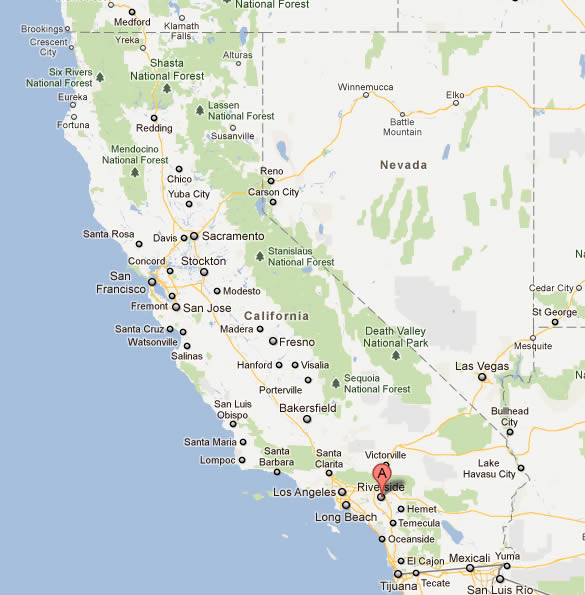
The actual distance between Riverside and Los Angeles can vary slightly depending on your specific starting and ending points within each city, as both are expansive. However, generally speaking, the two urban centers are remarkably close, making travel between them a common occurrence for commuters, tourists, and residents alike.
Straight-Line vs. Driving Distance
When considering geographical proximity, it’s important to differentiate between the straight-line (or “as the crow flies”) distance and the actual driving distance. The straight-line distance between the downtown areas of Los Angeles and Riverside is approximately 50 miles (80 kilometers). This theoretical distance, however, doesn’t account for the intricate network of freeways and roads that travelers must traverse.
The practical driving distance, which is what most travelers will experience, typically ranges from 50 to 60 miles (80 to 97 kilometers). This variation depends on the specific route taken and the exact origin and destination within each metropolitan area. For instance, traveling from Downtown LA to Downtown Riverside will have a slightly different mileage than traveling from LAX to the eastern edges of Riverside.
Key Southern California Hubs
Riverside is a pivotal city within the Inland Empire region of Southern California, positioning it strategically relative to other major hubs. To its west lies Los Angeles County and Orange County, while to its north and east are cities like San Bernardino, Ontario, and Palm Springs. This geographical placement makes Riverside an accessible destination from various parts of the state and a convenient gateway to explore the diverse attractions of the Inland Empire, from the wine regions of Temecula to the desert landscapes of Palm Springs. Understanding its position helps in planning multi-city itineraries or considering Riverside as a base for exploring the wider region.
Navigating the Journey: Transportation Options and Travel Times
While the distance between Riverside and Los Angeles is manageable, the actual time it takes to travel between them is heavily influenced by the chosen mode of transportation and, crucially, Southern California’s notorious traffic.
Driving: The Most Common Method
Driving is, by far, the most popular way to travel between Riverside and Los Angeles. Several major freeways connect the two cities, offering travelers a few route options:
- Interstate 10 (I-10): This is a primary east-west artery, connecting Los Angeles directly with Riverside and continuing eastward into the desert.
- State Route 60 (SR-60): Often running parallel to I-10 for part of the journey, SR-60 is another direct route.
- State Route 91 (SR-91): This freeway connects Riverside with Orange County and then extends towards Los Angeles County via other connecting freeways.
Average Travel Time: Under ideal traffic conditions (e.g., late at night or very early morning), the drive can take approximately 50 minutes to 1 hour. However, during peak commuting hours (typically 6:00 AM – 9:00 AM and 3:00 PM – 7:00 PM on weekdays), this travel time can easily swell to 1.5 to 2.5 hours, or even longer. Key choke points include areas around downtown Los Angeles exits, the convergence of multiple freeways (such as where SR-60 and I-10 merge or near Chino Hills), and sections of the 91 freeway through Orange County. Utilizing real-time navigation apps like Google Maps or Waze is highly recommended to monitor traffic conditions and choose the quickest route.
Public Transportation: A Viable Alternative
For those looking to avoid traffic and enjoy a more relaxed journey, public transportation offers a compelling alternative, primarily through the regional rail service.
- Metrolink: This commuter rail system provides direct service between LA Union Station in downtown Los Angeles and the Riverside-Downtown Station. The Riverside Line offers a comfortable and efficient way to travel, especially for weekday commuters.
- Travel Time by Train: A Metrolink journey typically takes approximately 1 hour and 20 minutes to 1 hour and 40 minutes, depending on the number of stops. While this might be comparable to or even slightly longer than an ideal car journey, it offers the significant advantage of bypassing all road traffic, allowing passengers to relax, work, or read.
- Frequency: Service is more frequent during peak weekday hours, with reduced schedules on weekends. It’s advisable to check the official Metrolink schedule for current timings.
While bus services exist within Southern California, a direct and efficient bus route specifically designed for long-distance travel between Los Angeles and Riverside is less common compared to Metrolink or driving. They often involve multiple transfers and significantly longer travel times.
Ride-Sharing and Taxis: Convenience at a Cost
Ride-sharing services (like Uber and Lyft) and traditional taxis are readily available in both cities. These options offer unparalleled convenience, allowing you to be picked up and dropped off exactly where you need to go. However, this convenience comes at a significantly higher cost than driving your own vehicle or taking the train. Fares will fluctuate based on demand, time of day, and traffic conditions, potentially ranging from $80 to over $150 for a one-way trip.
Planning Your Trip: What to Consider
Deciding how and when to travel from Los Angeles to Riverside largely depends on the purpose of your visit and your personal preferences. Careful planning can significantly enhance your travel experience.
Day Trip vs. Extended Stay
Riverside is an excellent candidate for a day trip from Los Angeles. Its proximity means you can depart LA in the morning, enjoy several hours exploring Riverside’s attractions, and return to Los Angeles in the evening without feeling rushed. This is particularly true if you opt for the Metrolink train, which allows you to avoid traffic entirely.
However, an extended stay in Riverside can offer a deeper immersion into the city’s culture and history, especially if you plan to visit multiple museums, explore its parks, or use it as a base to venture into other parts of the Inland Empire. For business travelers, staying in Riverside can also be a more cost-effective alternative to Los Angeles accommodations, particularly if your work is concentrated in the eastern parts of Southern California.
Best Time to Travel
Optimizing your travel time involves considering both traffic patterns and weather:
- Traffic Avoidance: If driving, aim to travel during off-peak hours. Mid-morning (after 9 AM) or late evening (after 7 PM) on weekdays, and any time outside of major event days on weekends, will generally offer the quickest drives.
- Weather: Riverside, like much of the Inland Empire, experiences hot summers (June through September) with temperatures often exceeding 90°F (32°C). Spring (April-May) and Fall (October-November) offer the most pleasant weather for exploring, with mild temperatures and clear skies. Winters are generally mild and wet.
Combining Destinations
Riverside’s location makes it an ideal launchpad for exploring the wider Inland Empire and beyond. From Riverside, you are well-positioned to:
- Visit the burgeoning wine region of Temecula Valley, about an hour’s drive south.
- Explore the desert oasis of Palm Springs, roughly an hour and a half to the east.
- Access various natural parks and hiking trails in the nearby mountains.
Incorporating Riverside into a multi-destination itinerary can enrich your Southern California travel experience, offering a blend of urban exploration, cultural immersion, and natural beauty.
Unveiling Riverside: A Destination Worth the Journey
While the primary question revolves around distance, the value of the journey often lies in the destination itself. Riverside, with its rich history and contemporary attractions, makes the trip from Los Angeles truly worthwhile.
Historic Charm and Cultural Attractions
Riverside boasts a unique blend of historical significance and modern cultural vibrancy. Its crown jewel is arguably the Mission Inn Hotel & Spa, a National Historic Landmark renowned for its stunning Spanish Colonial Revival architecture and historical importance. Visitors can take guided tours, dine in its exquisite restaurants, or simply marvel at its intricate design.
Beyond the Mission Inn, the city offers other cultural highlights:
- Riverside Art Museum: Housed in a former YWCA building designed by Julia Morgan, it showcases a diverse collection of art.
- Fox Performing Arts Center: A beautifully restored historic theater that hosts a variety of concerts, Broadway shows, and other live performances.
- California Citrus State Historic Park: Celebrating Riverside’s role in California‘s citrus industry boom.
Outdoor and Recreational Opportunities
For those who enjoy the outdoors, Riverside offers several enticing options:
- Mount Rubidoux Park: A local landmark offering paved trails to its summit, providing panoramic views of the city and the surrounding Inland Empire. It’s a popular spot for hiking, walking, and enjoying sunsets.
- Fairmount Park: A large urban park with a lake, rose garden, and plenty of space for picnics and leisurely strolls.

Educational Hub
Riverside is also home to the University of California, Riverside (UCR), a major research institution that contributes to the city’s intellectual and cultural landscape. The university often hosts public events, lectures, and artistic performances, adding another layer to the city’s appeal.
In conclusion, the distance from Riverside, California to Los Angeles is a manageable 50-60 miles, making it an accessible destination for a day trip or a longer exploration. With multiple transportation options and a wealth of attractions, Riverside is more than just a point on the map; it’s a destination rich in history, culture, and recreational opportunities, well worth the journey from the sprawling metropolis of Los Angeles.
LifeOutOfTheBox is a participant in the Amazon Services LLC Associates Program, an affiliate advertising program designed to provide a means for sites to earn advertising fees by advertising and linking to Amazon.com. Amazon, the Amazon logo, AmazonSupply, and the AmazonSupply logo are trademarks of Amazon.com, Inc. or its affiliates. As an Amazon Associate we earn affiliate commissions from qualifying purchases.