
Exploring the world through its diverse culinary offerings is a cornerstone of modern tourism. From bustling street food markets in Southeast Asia to Michelin-starred restaurants in Europe, food provides an intimate gateway into a destination’s heart and soul. Among the myriad dishes that have transcended borders to become global sensations, California Roll Sushi holds a unique and particularly prominent place. It’s a dish that has become a staple on menus from New York City to Tokyo, often serving as an approachable introduction to the broader world of Japanese cuisine for countless travelers.

However, as tourists become increasingly health-conscious, questions about the nutritional content of their favorite travel treats inevitably arise. The California Roll Sushi, despite its fresh ingredients, is no exception. Understanding its caloric footprint can help discerning travelers make informed choices, balancing the joy of culinary exploration with personal health goals. This article delves into the caloric breakdown of this ubiquitous sushi roll, exploring its global appeal within tourism and offering insights for mindful indulgence.
The Global Appeal of California Roll Sushi in Tourism
The story of the California Roll Sushi is a fascinating narrative of culinary innovation and cultural fusion, making it an indispensable part of the global food tourism landscape. Its widespread availability and universal appeal stem from its unique position as a bridge between traditional Japanese flavors and Western palates.
A Culinary Bridge Between East and West
The California Roll Sushi, contrary to popular belief, did not originate in Japan. Its birthplace is widely debated between Los Angeles, California, and Vancouver, Canada, in North America during the 1960s or 70s. This origin story is crucial to its success as a tourist-friendly dish. Created to appeal to diners unfamiliar with raw fish, it cleverly incorporated cooked ingredients and placed the nori (seaweed) on the inside, a reversal of traditional maki rolls. This innovation made it less intimidating, more palatable, and ultimately, wildly successful in the East and West alike.
Today, whether you are dining in a bustling food hall in London, a beachfront restaurant in Dubai, or even a casual eatery in Seoul, the California Roll Sushi is almost guaranteed to be on the menu. Its ubiquity means that travelers can find a familiar and comforting option even in the most exotic destinations, making it a reliable choice when exploring new cultures through food. This accessibility fosters a sense of culinary adventure without the apprehension often associated with entirely foreign dishes.
Experiencing Local Food Culture with a Twist
For many tourists, the California Roll Sushi serves as an excellent entry point into experiencing local food culture. It acts as a stepping stone, often leading travelers to explore more traditional Japanese sushi rolls like nigiri or sashimi, or other regional delicacies. Its presence in various food markets, high-end hotel dining rooms (from the Hilton to the Marriott chains), and casual eateries highlights its adaptability.
For instance, a tourist in Paris might encounter a French-inspired California Roll Sushi with locally sourced ingredients, showcasing how a global dish can be infused with local flair. This fusion reflects a broader trend in tourism where food acts as a cultural ambassador, offering familiar tastes with unexpected regional twists that enrich the travel experience. It allows visitors to engage with the local culinary scene without entirely stepping out of their comfort zone, providing a gentle immersion into a new gastronomic world.
Deconstructing the California Roll: Caloric Insights for the Discerning Traveler
Understanding the caloric content of a California Roll Sushi requires a look at its fundamental components and how preparation methods can influence the final count. For travelers mindful of their diet, this insight is invaluable.
Key Ingredients and Their Caloric Contribution
A standard California Roll Sushi typically consists of the following:
- Sushi Rice: This is the most significant contributor to the calorie count. Cooked rice, often seasoned with sugar, salt, and rice vinegar, packs a considerable amount of carbohydrates. A typical roll might use around 100-150 grams of rice.
- Avocado: Known for its healthy fats, avocado also adds calories. While beneficial, its creamy texture means a generous portion can elevate the roll’s energy density.
- Cucumber: A low-calorie, hydrating ingredient that provides crunch and freshness, contributing minimally to the calorie count.
- Imitation Crab Meat (Surimi): This processed seafood product, usually made from pollock, is low in fat but contains some carbohydrates and protein. Its caloric impact is moderate.
- Nori (Seaweed): The dried seaweed wrapper contributes negligible calories.
- Mayonnaise/Sauces: This is where hidden calories often reside. Many California Roll Sushi variations include a drizzle of mayonnaise, spicy mayo, or other rich sauces, which can significantly increase fat and calorie content.
Variances in Preparation Across Destinations
The beauty of the California Roll Sushi lies in its adaptability, but this also leads to caloric variations. A roll prepared in a health-focused eatery in Sydney might differ significantly from one found in a casual diner in Las Vegas.
- Rice Quantity: Some establishments, particularly those focused on value, might use more rice, leading to a higher calorie count. Premium sushi restaurants might use less rice for a more refined balance.
- Avocado Portion: A generous slice of avocado is delicious but adds calories.
- Added Ingredients: Some popular variations include cream cheese, which substantially increases fat and calories, or tempura flakes for crunch, which are deep-fried and calorie-dense. Toppings like masago (fish roe) add minimal calories but can enhance flavor.
- Sauces: The amount and type of sauce are critical. A light drizzle of soy sauce is negligible, but liberal amounts of creamy, oil-based sauces can add 50-100 calories or more per roll.
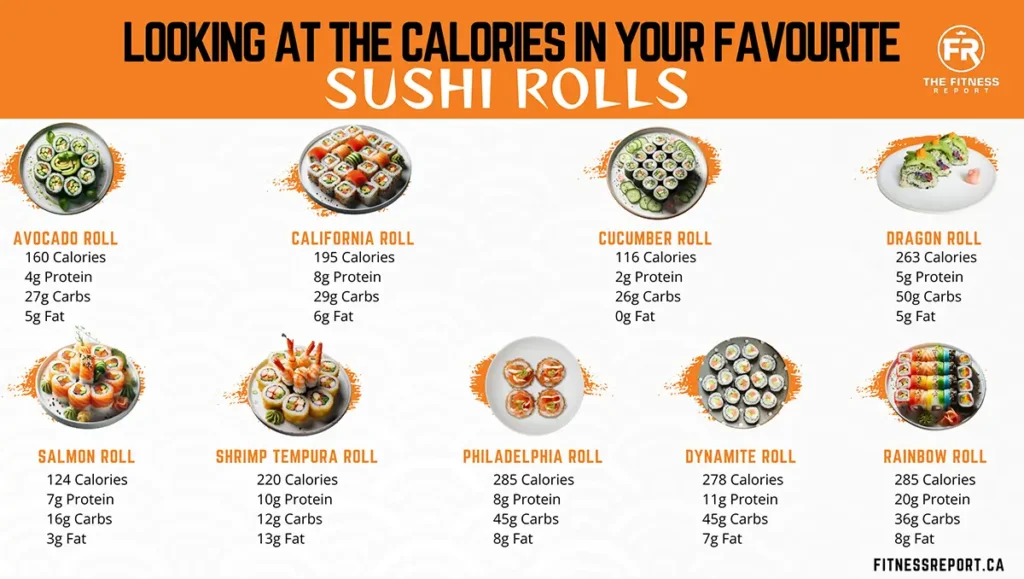
Average Calorie Count
Considering these factors, a typical California Roll Sushi (6-8 pieces) generally ranges from 250 to 350 calories.
- A basic roll with minimal sauce and standard rice: ~250-300 calories.
- A roll with a generous amount of avocado, extra rice, or creamy sauces: ~300-350+ calories.
- Rolls with added cream cheese or tempura flakes can easily exceed 400 calories.
This range serves as a useful benchmark for tourists. It highlights that while sushi often has a healthy reputation, specific rolls like the California Roll Sushi can be more calorie-dense than one might assume, largely due to rice, avocado, and creamy additions.
Mindful Eating While Traveling: Balancing Indulgence with Health
Travel offers unparalleled opportunities for culinary exploration, but it also presents challenges for maintaining a balanced diet. Enjoying local foods, including the popular California Roll Sushi, requires mindfulness and smart choices.
Smart Choices on the Go
For the calorie-conscious traveler, there are several strategies to enjoy California Roll Sushi without derailing dietary goals:
- Ask for Less Rice (Naruto Style): Some sushi chefs can prepare rolls with significantly less rice, or even wrap them in cucumber slices instead of nori and rice, reducing carbohydrate and calorie intake.
- Hold the Sauce: Requesting your roll without the creamy sauces (e.g., spicy mayo) can save a substantial number of calories and fat.
- Opt for Simpler Rolls: Choose rolls with fewer rich ingredients. Sometimes a classic cucumber or avocado roll can satisfy a sushi craving with fewer calories.
- Portion Control: Instead of ordering multiple rolls, share with travel companions or order a single roll alongside a lighter dish like miso soup or a green salad.
Beyond the Calories: Nutritional Value and Dietary Considerations
While calories are a key concern, it’s also important to consider the overall nutritional profile of a California Roll Sushi.
- Healthy Fats: The avocado provides monounsaturated fats, beneficial for heart health.
- Vitamins and Minerals: Nori is a good source of iodine and other minerals. Cucumber offers hydration and some vitamins.
- Protein: Surimi offers lean protein.
- Fiber: Vegetables and seaweed contribute dietary fiber.
However, potential downsides include high sodium content from soy sauce (use low-sodium versions when available), and the refined carbohydrates from sushi rice. A balanced approach means enjoying California Roll Sushi in moderation and pairing it with other nutrient-dense foods during your travels, such as fresh fruits, lean proteins, and plenty of vegetables.
Exploring Other Healthy Sushi Options
For tourists seeking even lighter alternatives while exploring the world’s culinary delights, many sushi establishments offer excellent choices:
- Sashimi: Slices of raw fish without rice. This is the lowest calorie option, offering pure protein and healthy fats.
- Nigiri: A small mound of rice topped with a slice of fish. It has less rice than a roll and offers a good balance.
- Vegetable Rolls: Rolls filled with only vegetables (e.g., cucumber, avocado, carrot) are typically lower in calories than those with fish or surimi, especially if they forgo creamy sauces.
- Hand Rolls (Temaki): Often less rice than cut rolls and easier to customize.
These options are widely available in cities known for their vibrant food scenes, from Bangkok‘s culinary hotspots to the health-conscious eateries in Scandinavia, providing plenty of choices for every dietary preference.
The Cultural Significance of California Roll Sushi in Modern Tourism
The California Roll Sushi is more than just a meal; it’s a testament to the evolving nature of global cuisine and its profound impact on tourism. Its journey from a fusion experiment to a global icon reflects broader trends in how travelers engage with food cultures worldwide.
From Fusion to Mainstream
The genesis of the California Roll Sushi epitomizes the “fusion food” movement, where culinary traditions blend to create new and exciting dishes. What began as an adaptation for North American tastes has since become a mainstream offering, celebrated for its versatility and flavor. This transformation is highly significant for tourism, as it showcases how food can transcend its cultural origins to become a universally recognized symbol of culinary adventure. Travelers, often looking for experiences that are both novel and comforting, find this balance perfectly embodied in the California Roll Sushi. It serves as an accessible entry point to Japanese cuisine, demystifying it for those who might otherwise be hesitant to try more traditional raw fish dishes. This encourages greater culinary exploration and appreciation for global flavors.
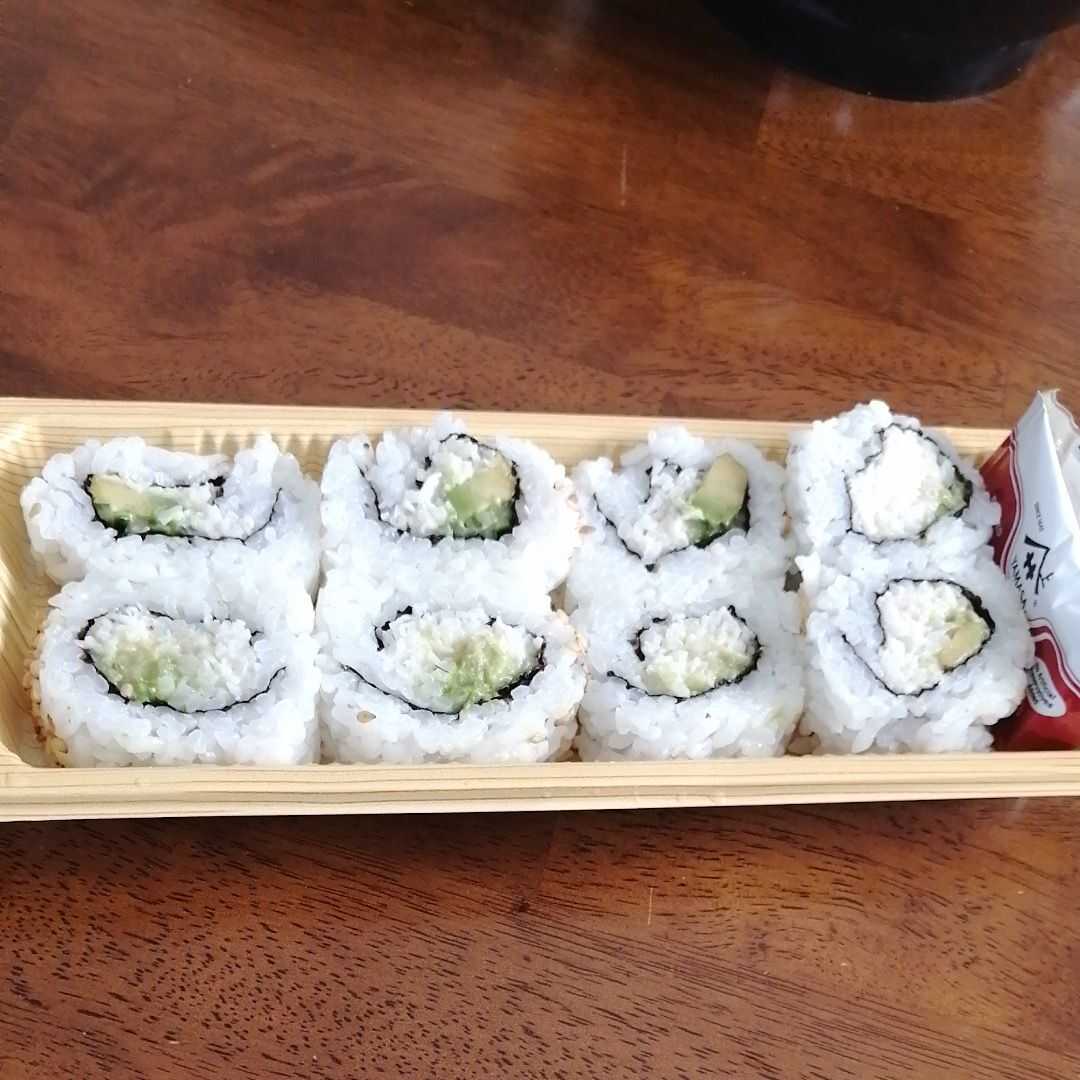
A Staple in Tourist-Friendly Menus
Its widespread acceptance has cemented the California Roll Sushi’s status as a reliable option on menus catering to international guests. You can find it in the dining halls of major hotel chains like Hilton and Marriott across continents, ensuring a consistent and recognizable choice for travelers. Similarly, its presence in international airports, such as Heathrow Airport in London or Narita International Airport in Japan, speaks to its role as a convenient and appealing meal for those on the move. This accessibility means that no matter where their travels take them, tourists can often find a familiar taste of home, or at least a dish that feels universally understood. It underscores the idea that food plays a vital role in providing comfort and continuity in the often-unpredictable world of travel.
In conclusion, the California Roll Sushi is more than just a dish; it’s a global culinary phenomenon that significantly impacts the tourist experience. Its caloric content, typically ranging from 250 to 350 calories for 6-8 pieces, is influenced by its ingredients and preparation. By understanding these aspects and employing mindful eating strategies, travelers can continue to savor this iconic roll as part of a rich and healthy exploration of the world’s diverse food cultures. Whether it’s an introduction to sushi or a comforting favorite, the California Roll Sushi remains a delicious and insightful part of the modern tourism narrative.
LifeOutOfTheBox is a participant in the Amazon Services LLC Associates Program, an affiliate advertising program designed to provide a means for sites to earn advertising fees by advertising and linking to Amazon.com. Amazon, the Amazon logo, AmazonSupply, and the AmazonSupply logo are trademarks of Amazon.com, Inc. or its affiliates. As an Amazon Associate we earn affiliate commissions from qualifying purchases.