
California, the Golden State, beckons with its vibrant culture, stunning landscapes, and innovative industries. From the sun-drenched beaches of San Diego to the tech hubs of Silicon Valley and the artistic allure of Los Angeles and San Francisco, it offers a lifestyle many aspire to. However, beneath the allure of an enviable lifestyle lies a complex and often significant tax structure that can profoundly impact personal finances and overall quality of life. Understanding “how much California takes out for taxes” is crucial for anyone considering making this state their home, running a business here, or even planning an extended stay. This article delves into the various taxes levied in California, examining how they shape the financial landscape and influence lifestyle choices within this dynamic state.
The Golden State’s Tax Landscape: An Overview
California operates with a multifaceted tax system designed to fund its extensive public services, infrastructure, and social programs. While these services contribute to the state’s high quality of life for many, they are supported by some of the nation’s highest tax rates across several categories. For residents and visitors alike, a clear understanding of these taxes is essential for effective financial planning and maintaining a desired lifestyle.
Income Tax: Progressive Brackets and High Ceilings
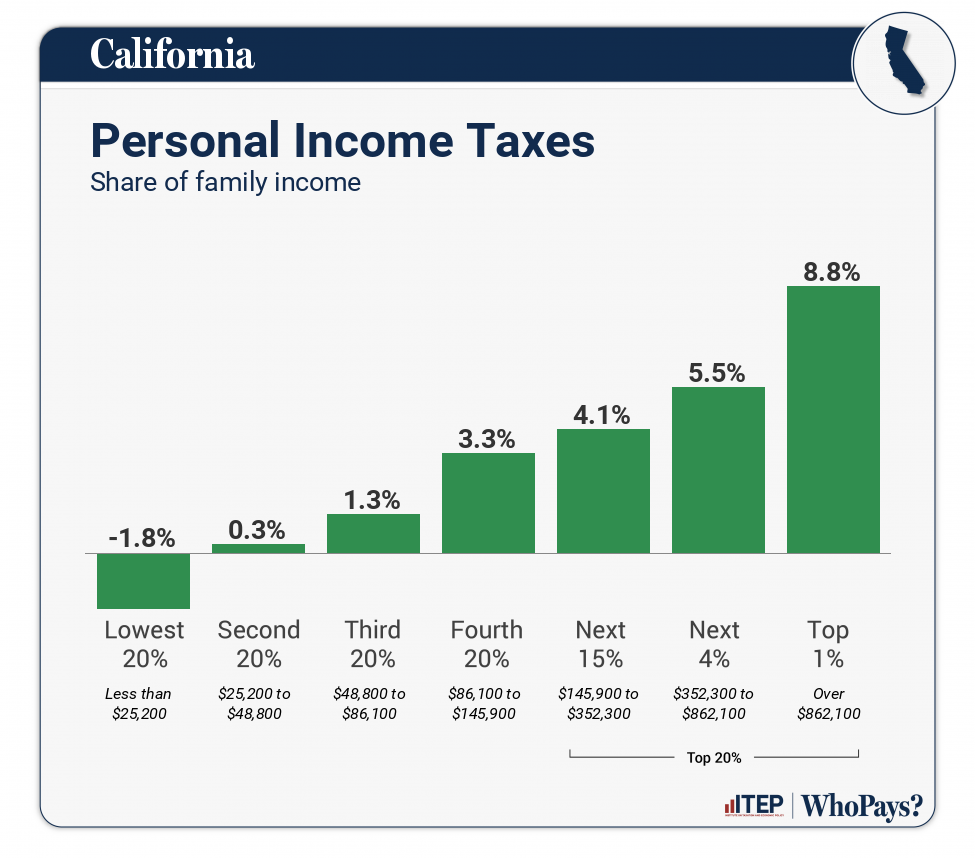
Perhaps the most significant financial consideration for individuals in California is its progressive state income tax. This means that as an individual’s taxable income increases, so does the percentage of tax they pay. California boasts the highest top marginal income tax rate in the United States, which can be as high as 12.3% for high earners, plus an additional 1% mental health services tax for incomes over $1 million, bringing the effective top rate to 13.3%.
For those working in California’s thriving industries—from tech to entertainment—or even remote workers residing in the state, a substantial portion of their earnings is directed towards state income tax. This directly impacts disposable income, affecting everything from daily spending habits to the ability to save for significant lifestyle goals like luxury travel, property investment, or early retirement. For a single filer, for example, the brackets typically start at 1% for the lowest incomes and steadily climb. Couples filing jointly see their brackets double. This progressive structure means that while lower and middle-income residents also contribute, the heaviest burden falls on the highest earners, significantly shaping their financial lifestyle and capacity for discretionary spending.
Sales Tax: A Constant Consideration
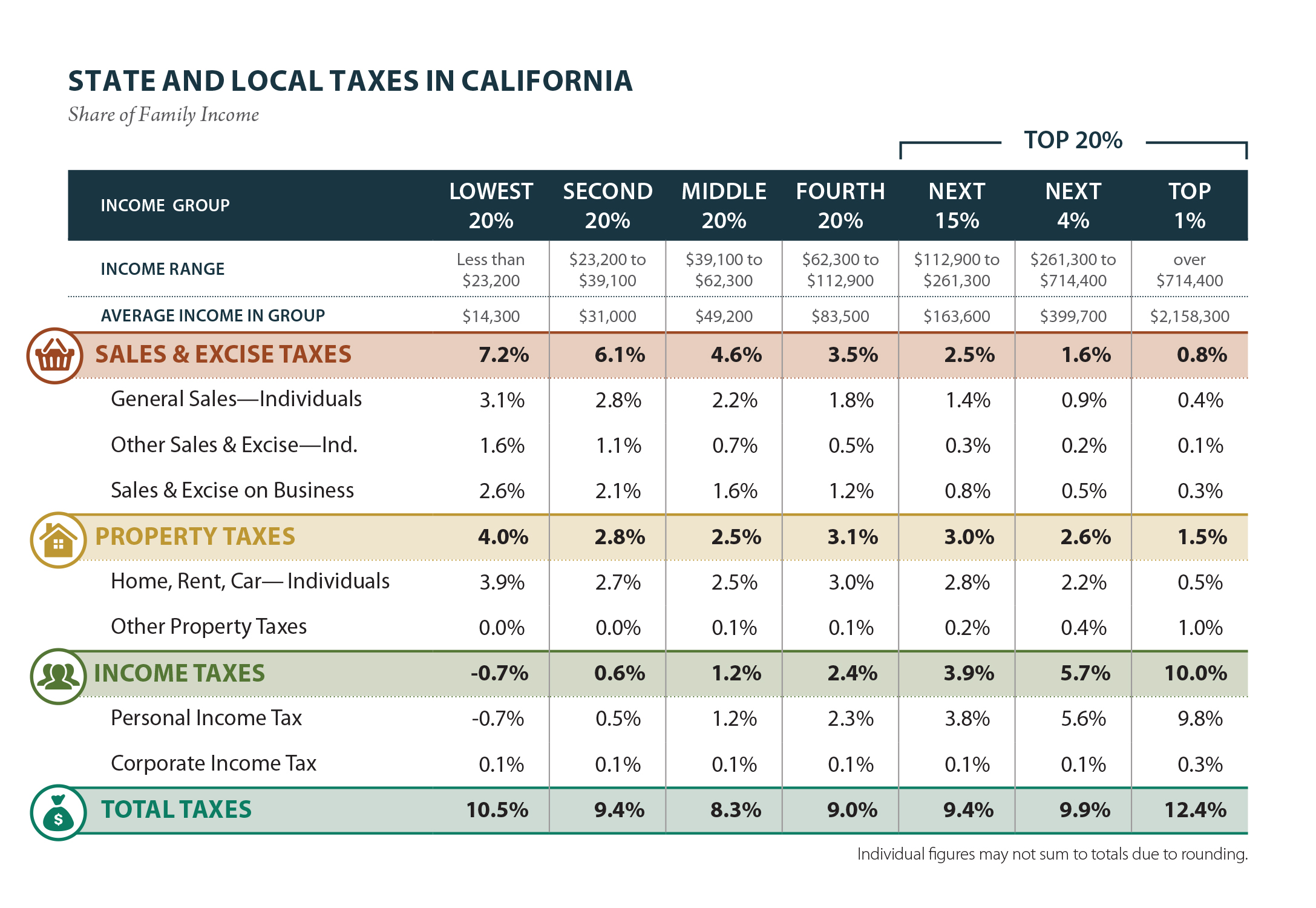
Beyond income, sales tax is a ubiquitous part of daily life in California. The statewide base sales tax rate is currently 7.25%. However, this is rarely the final rate. Cities and counties often impose additional district taxes, pushing the combined sales tax rate significantly higher in many areas. For instance, residents in Los Angeles County might face rates approaching 9.5% to 10.25%, and similar figures can be found in other major metropolitan areas like San Francisco or Oakland.
This means that nearly every purchase, from groceries (though many unprepared foods are exempt) and clothing to electronics and luxury goods, incurs a substantial sales tax. For a lifestyle that involves frequent shopping, dining out, or acquiring high-value items, these taxes accumulate rapidly, adding a noticeable premium to the cost of living. Even small, everyday expenditures contribute to this cumulative effect, making it a constant, albeit often unnoticed, factor in a Californian’s financial outlay. The high sales tax also impacts visitors, increasing the cost of souvenirs, dining experiences, and other vacation-related purchases, though its primary impact is on residents’ long-term lifestyle budgeting.
Property and Other Lifestyle-Defining Taxes
The cost of living in California is famously high, and property taxes play a significant role in this reality. For those aspiring to homeownership or operating businesses with physical premises, understanding these taxes is paramount.
Property Tax: The Foundation of Local Services
California’s property tax system is unique due to Proposition 13, a landmark ballot initiative passed in 1978. Proposition 13 limits the base property tax rate to 1% of a property’s assessed value at the time of purchase. It also caps annual increases in assessed value at a maximum of 2% per year, unless the property is sold or new construction occurs. While this offers stability for long-term homeowners, new homebuyers often face substantial property tax bills, especially given the state’s high property values.
In addition to the 1% base rate, local bond measures and parcel taxes are often added, which can push the effective property tax rate closer to 1.1% to 1.25% (or sometimes higher) of the home’s purchase price, varying by specific location. For instance, a home purchased for $1 million in a desirable area could easily incur an annual property tax bill of $11,000-$12,500. This substantial ongoing cost is a major determinant of housing affordability and a critical factor in deciding whether to rent or buy, and where within California to settle. Property taxes directly fund local schools, fire departments, police, and other municipal services, making them a cornerstone of local community lifestyle.
Vehicle-Related Taxes and Fees
Given California’s sprawling geography and car-centric culture, vehicle-related taxes and fees are another significant, often overlooked, lifestyle expense. When purchasing a new or used vehicle, sales tax applies, adding thousands to the initial cost of a car. Beyond that, the Department of Motor Vehicles (DMV) levies annual registration fees, which vary based on the vehicle’s value, weight, and type. These fees can range from a few hundred dollars to over a thousand for newer, more expensive vehicles.
Furthermore, California has some of the highest gasoline taxes in the nation, contributing to higher fuel costs at the pump. These taxes fund road maintenance and other transportation projects. For individuals who rely heavily on their cars for commutes, leisure, or business, these ongoing expenses—sales tax on purchase, annual registration, and fuel taxes—represent a consistent drain on discretionary income, making them a notable factor in the overall cost of a mobile lifestyle in the Golden State.
Beyond the Basics: Specific Taxes Impacting Lifestyle Choices
While income, sales, and property taxes are the most prominent, California has other tax considerations that can significantly affect specific lifestyle choices, particularly for investors, entrepreneurs, and those planning for their future.
Capital Gains and Investment Income
California taxes capital gains as ordinary income. Unlike the federal system, which often provides preferential long-term capital gains rates, California does not differentiate. This means profits from the sale of investments (stocks, bonds, real estate not protected by primary residence exemptions, etc.) are added to your regular income and taxed at your marginal state income tax rate, potentially up to 13.3%.
This approach has significant implications for investors, retirees living off portfolios, and entrepreneurs who might realize substantial gains from selling a business or company stock. It directly impacts wealth accumulation strategies and can influence decisions on when and how to liquidate assets. For those pursuing a lifestyle supported by investment income, the California capital gains tax structure demands careful planning and can reduce the net proceeds available for luxury spending, philanthropy, or reinvestment.
Estate and Inheritance Considerations
While California does not impose its own state-level estate tax or inheritance tax, its residents are still subject to federal estate tax laws if their estate exceeds the federal exemption amount (which is quite high, currently over $13 million per individual). For high-net-worth individuals, understanding the interplay between federal tax laws and [California](https://lifeoutoutofbox.com/california]’s lack of state estate tax is important for comprehensive wealth and legacy planning. This absence of a state estate tax is a relief for many who have accumulated significant assets within the state, offering a slight advantage compared to states that do levy such taxes, potentially impacting decisions about where to establish domicile for estate planning purposes.
Local Tourist and Occupancy Taxes
Although the primary focus of this discussion is on taxes for residents and long-term stays, it’s worth briefly mentioning local tourist and occupancy taxes as they relate to lifestyle choices, even temporary ones. When traveling within California or choosing short-term rental accommodations, visitors and residents alike will encounter transient occupancy taxes (TOTs). These taxes are levied by cities and counties on hotel stays, short-term rentals (like those booked through Airbnb), and similar accommodations. Rates vary significantly, from around 8% in some areas to over 15% in popular tourist destinations such as Santa Monica or Palm Springs. While not a personal income tax, these taxes influence the cost of a “hotel lifestyle” or extended vacation within the state, directly impacting travel budgets and the affordability of enjoying California’s attractions.
Navigating California Taxes: Strategies for a Balanced Lifestyle
Living in California means embracing a unique blend of opportunities and financial realities. The state’s tax system is undoubtedly a significant component of its high cost of living, but with thoughtful planning, it’s possible to maintain a desirable lifestyle.
Budgeting and Financial Planning
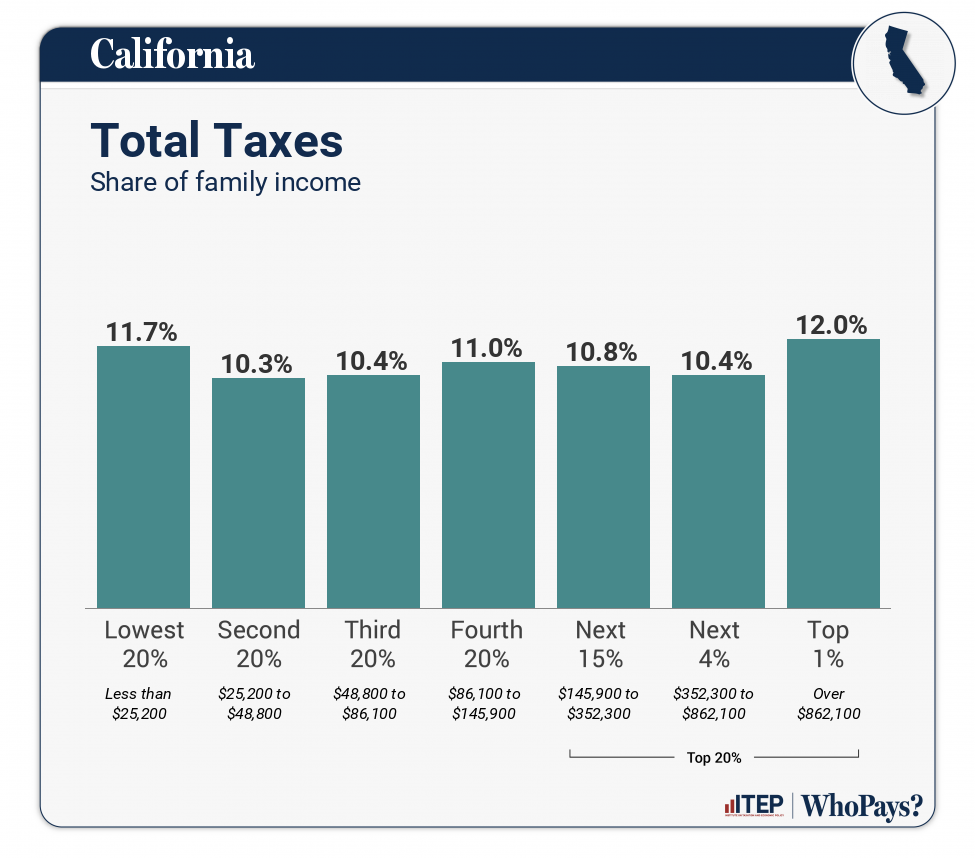
The cornerstone of a successful lifestyle in California is meticulous budgeting and financial planning. Understanding how much of your income will be allocated to state and local taxes, property taxes, sales taxes, and other fees is critical. This foresight allows individuals to accurately gauge their disposable income and make informed decisions about housing, transportation, leisure activities, and savings. Consulting with a qualified tax professional or financial advisor familiar with California’s tax laws is highly recommended. They can help optimize deductions, identify credits, and provide strategies tailored to individual financial circumstances, ensuring compliance while maximizing available funds for lifestyle pursuits.
Impact on Cost of Living and Lifestyle Decisions
California’s high taxes, combined with elevated housing costs, contribute to one of the nation’s highest costs of living. This reality often necessitates lifestyle adjustments or strategic decisions. For some, it means choosing to live in more affordable inland cities like Sacramento or those in the Central Valley, rather than coastal metropolises. For others, it involves prioritizing career opportunities that offer salaries commensurate with the state’s expenses.
Ultimately, the allure of [California](https://lifeoutoutofbox.com/california]’s natural beauty, economic dynamism, and cultural richness often outweighs the higher tax burden for its residents. However, understanding “how much California takes out for taxes” isn’t just an academic exercise; it’s an essential part of shaping a financially sound and enjoyable lifestyle within the Golden State. It’s a trade-off, where the vibrant experiences and opportunities offered by California are balanced against the financial commitment required to sustain a comfortable existence here. Armed with this knowledge, individuals can make informed choices, budget wisely, and truly thrive in this iconic state.
LifeOutOfTheBox is a participant in the Amazon Services LLC Associates Program, an affiliate advertising program designed to provide a means for sites to earn advertising fees by advertising and linking to Amazon.com. Amazon, the Amazon logo, AmazonSupply, and the AmazonSupply logo are trademarks of Amazon.com, Inc. or its affiliates. As an Amazon Associate we earn affiliate commissions from qualifying purchases.