
California is renowned for its vibrant culture, stunning landscapes, and innovative spirit, attracting individuals and families seeking a particular lifestyle. However, along with its allure comes a significant cost of living, and healthcare expenses are a primary concern for residents and those considering a move. Understanding how much health insurance costs in California is not just a financial detail; it’s a fundamental aspect of planning your lifestyle, ensuring peace of mind, and maintaining your well-being in the Golden State.
The landscape of health insurance in California is complex, influenced by a myriad of factors from state-specific regulations to individual circumstances. Unlike a fixed price tag, health insurance premiums fluctuate significantly, making it essential to delve into the nuances to forecast this crucial component of your annual budget accurately. This comprehensive guide aims to demystify the costs, explore the factors at play, and provide insights to help you navigate the California health insurance market effectively, ensuring your lifestyle in the state is as healthy and financially sound as possible.
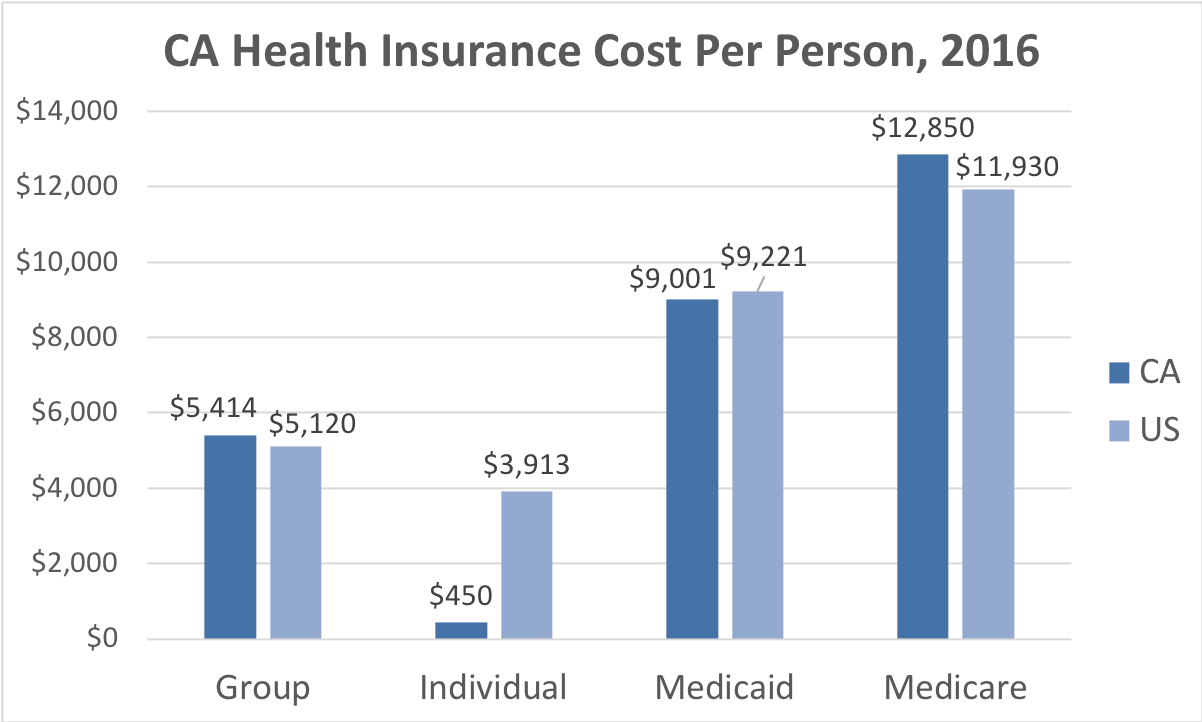
Understanding the California Healthcare Landscape
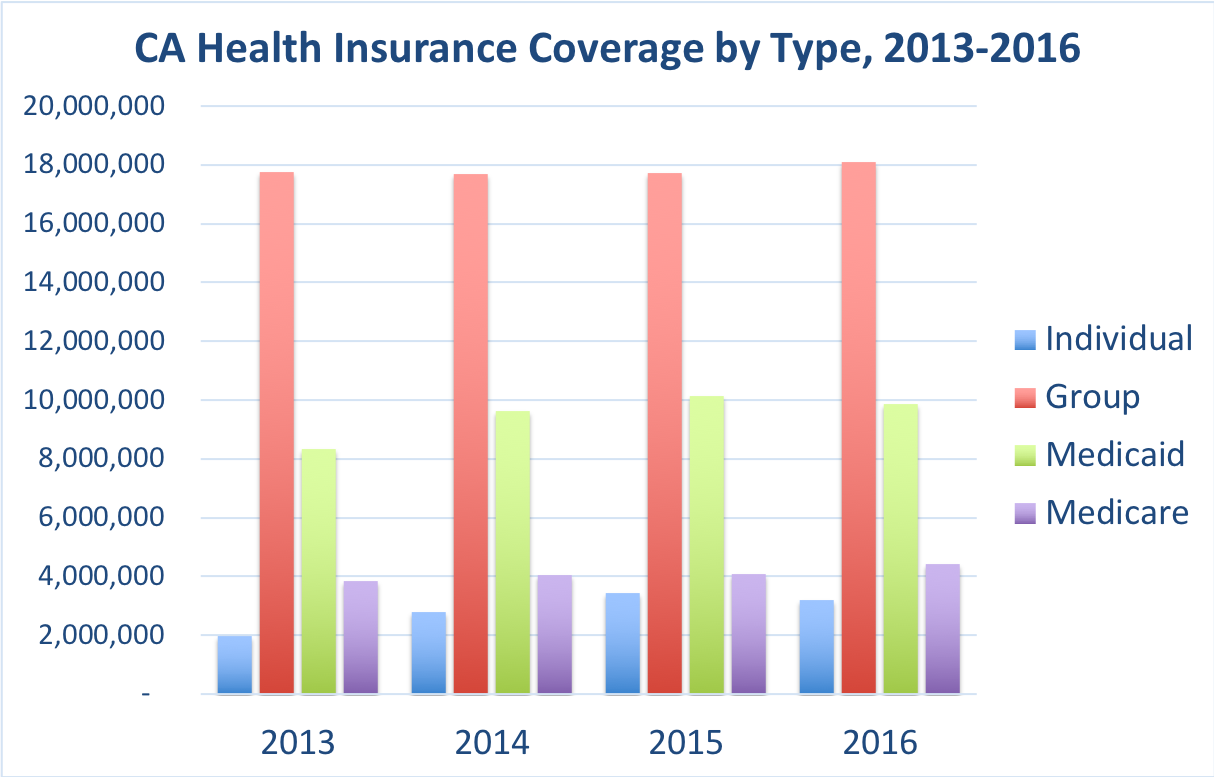
Before diving into specific costs, it’s vital to grasp the overarching structure of healthcare in California. As a state, California has embraced and often expanded upon the provisions of the Affordable Care Act (ACA), also known as Obamacare. This commitment means that residents generally have access to a robust marketplace for health insurance, with various options designed to cater to different needs and income levels. For those living in or relocating to California, understanding these foundational elements is key to budgeting for a secure lifestyle.
The Role of Covered California
Covered California is the state’s health insurance marketplace, established under the ACA. It serves as a central hub where individuals, families, and small businesses can compare and enroll in health plans. Crucially, Covered California is also the gateway to financial assistance, making insurance more affordable for millions of residents. The existence of this marketplace significantly shapes the cost landscape, as subsidies can dramatically reduce the out-of-pocket premium costs. Without a clear understanding of Covered California’s role, a true picture of health insurance expenses remains incomplete.
Mandates and Subsidies
California not only upholds the federal individual mandate (though the federal penalty was zeroed out, California reinstated its own state-level mandate) but also offers additional financial assistance beyond federal subsidies. This state-specific aid, combined with federal tax credits, can provide substantial relief, especially for middle-income earners who might not qualify for full federal subsidies alone. These subsidies are vital considerations for anyone budgeting their lifestyle in California, as they directly impact the net cost of insurance. Eligibility is typically based on income relative to the federal poverty level, and a significant portion of Covered California enrollees receive some form of financial help.
Key Factors Influencing Your Premiums
The cost of health insurance is rarely a one-size-fits-all figure. Several variables play a pivotal role in determining your monthly premiums. Understanding these factors is essential for anyone seeking to make informed decisions about their healthcare and overall financial lifestyle in California.
Age and Location
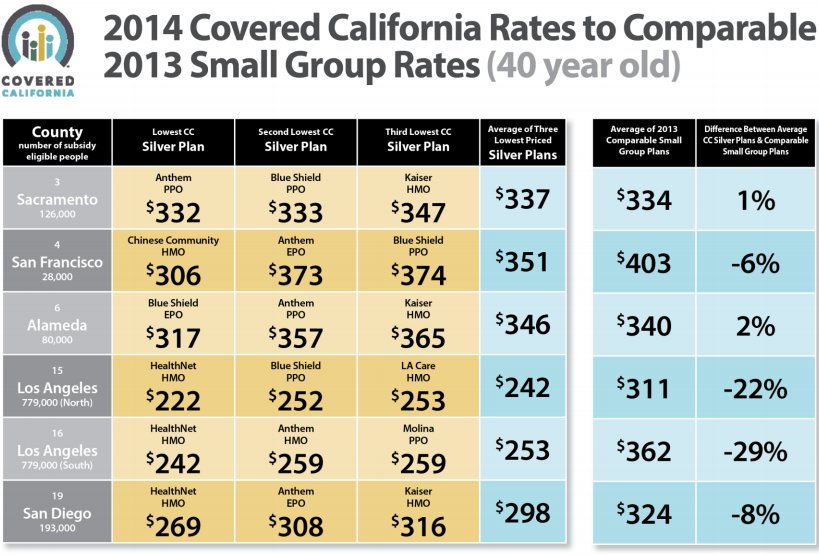
Your age is a primary determinant of premiums, with costs generally increasing as you get older. This is because older individuals are statistically more likely to require medical care. Similarly, your geographic location within California can significantly impact costs. Premiums can vary widely from one county to another, reflecting differences in local healthcare costs, competition among providers, and regional utilization rates. For instance, residents in metropolitan areas like Los Angeles or San Francisco might face different rates compared to those in more rural parts of the state.
Plan Type and Metal Tiers
Health plans on Covered California are categorized into “metal tiers” (Bronze, Silver, Gold, Platinum), indicating the percentage of healthcare costs the plan is expected to cover.
- Bronze plans typically have the lowest monthly premiums but the highest out-of-pocket costs (deductibles, copayments, coinsurance) when you need care, covering about 60% of costs.
- Silver plans balance premiums and out-of-pocket costs, covering about 70% of costs. Crucially, Silver plans are the only tier eligible for “cost-sharing reductions” (CSRs), which lower deductibles, copayments, and out-of-pocket maximums for eligible low-income individuals.
- Gold plans have higher monthly premiums but lower out-of-pocket costs, covering about 80%.
- Platinum plans offer the highest premiums but the lowest out-of-pocket costs, covering about 90%.
The choice of plan type directly influences your lifestyle budget, not just through premiums but also through potential healthcare expenses when you utilize services.
Individual vs. Family Coverage
Whether you’re seeking coverage for just yourself, a couple, or an entire family significantly impacts the total premium. Family plans are typically more expensive than individual plans, with costs increasing with each additional member, particularly adults. However, children’s premiums often have a cap or different pricing structure. Planning for family healthcare is a crucial part of managing a family-oriented lifestyle in California.
Navigating the California Marketplace: Covered California
For most individuals and families not covered by an employer, Covered California is the primary avenue for securing health insurance. Understanding how to utilize this platform and the financial aid it offers is paramount to managing your lifestyle budget effectively.
Eligibility for Subsidies
Eligibility for federal premium tax credits and state subsidies is based on your household income relative to the federal poverty level (FPL). For 2024, individuals earning up to 400% FPL can qualify for federal subsidies, while California’s state subsidies can extend assistance to those earning up to 600% FPL. These subsidies are paid directly to your insurance company, reducing your monthly premium.
- Premium Tax Credits: Lower your monthly premium payments.
- Cost-Sharing Reductions (CSRs): Available only with Silver plans for those with incomes up to 250% FPL, CSRs reduce the amount you have to pay for deductibles, copayments, and coinsurance when you get care. This can be a huge benefit for those managing their lifestyle on a tighter budget.
It’s crucial to accurately estimate your annual household income when applying through Covered California to ensure you receive the correct amount of financial assistance.
Enrollment Periods and Special Circumstances
Open enrollment for health insurance typically occurs once a year, usually from November 1st through January 31st. During this period, anyone can enroll in a new plan or change their existing one. However, outside of open enrollment, you may qualify for a Special Enrollment Period (SEP) if you experience certain life changes, such as getting married, having a baby, losing other health coverage, or moving to [California](https://lifeoutofthebox.com/california]. Understanding these windows is vital for maintaining continuous coverage and managing your healthcare as part of your overall lifestyle planning.
Exploring Your Plan Options and Providers
Beyond the metal tiers, various types of health plans and providers operate within California, each offering different structures regarding network access, referrals, and cost-sharing. The choice of plan type can significantly impact your access to care and your out-of-pocket expenses, which are critical considerations for your lifestyle.
Common Plan Types
- HMO (Health Maintenance Organization): Typically offers lower premiums but requires you to choose a primary care physician (PCP) within the network who then refers you to specialists. Out-of-network care is usually not covered, except in emergencies. Providers include major players like Kaiser Permanente and Health Net.
- PPO (Preferred Provider Organization): Offers more flexibility, allowing you to see any doctor or specialist without a referral, both in and out of network (though out-of-network care costs more). Premiums are generally higher than HMOs. Common PPO providers include Blue Shield of California.
- EPO (Exclusive Provider Organization): Similar to a PPO in that you don’t need a referral to see specialists, but it’s more like an HMO in that it generally won’t cover out-of-network care.
- POS (Point of Service): A hybrid plan combining features of HMOs and PPOs, offering both in-network and out-of-network options, often with a referral system for in-network care.
Choosing the right plan type depends on your healthcare needs, preferred access to specialists, and budget for your California lifestyle.
Major Insurance Providers in California
Several prominent insurance carriers offer plans through Covered California and directly to consumers. These include:
- Kaiser Permanente
- Blue Shield of California
- Health Net
- L.A. Care Health Plan (primarily in Los Angeles County)
- Molina Healthcare
- Oscar Health Plan
- Western Health Advantage (primarily in Northern California)
The availability of specific carriers and plans can vary by county, so it’s important to check what’s offered in your particular area, whether you’re in San Diego, Sacramento, or Silicon Valley.
Strategies for Managing Healthcare Costs
Beyond selecting a suitable plan, proactive strategies can help manage the financial impact of healthcare on your California lifestyle.
Maximize Subsidies and Cost-Sharing Reductions
Always apply through Covered California to determine your eligibility for financial assistance. Even if you think your income is too high, California’s expanded subsidies might surprise you. If eligible for Cost-Sharing Reductions, make sure to choose a Silver plan, as this is the only way to benefit from lower deductibles and out-of-pocket maximums, significantly protecting your budget.
Utilize Preventative Care
Most health plans, under the ACA, cover a range of preventative services (like annual check-ups, screenings, and immunizations) at no extra cost. Taking advantage of these services can help detect health issues early, potentially preventing more serious and costly conditions down the line. This proactive approach to health is a cornerstone of a sustainable lifestyle.
Explore Employer-Sponsored Plans
If available through your employer, compare their offerings with plans on Covered California. Employer-sponsored plans often come with significant employer contributions, making them a highly cost-effective option. However, if an employer plan is considered “affordable” and provides “minimum value,” you may not qualify for subsidies on Covered California.
Consider Medi-Cal
For individuals and families with lower incomes, California’s Medi-Cal program (the state’s Medicaid program) provides free or low-cost health coverage. Eligibility is based on income and household size, and many can enroll year-round. It’s a critical safety net for ensuring essential healthcare access for those needing it most to maintain a basic quality of life.
Understand Out-of-Pocket Costs
Beyond monthly premiums, always factor in potential out-of-pocket expenses such as deductibles, copayments, and coinsurance. A plan with a lower premium might have a high deductible, meaning you’ll pay more for services before your insurance kicks in significantly. Conversely, a higher premium plan typically has lower out-of-pocket costs. Consider your typical healthcare usage and risk tolerance when balancing premiums against these other costs to find a plan that best suits your lifestyle and financial comfort.
In conclusion, the cost of health insurance in California is a dynamic figure influenced by age, location, plan choice, and income. By leveraging the resources available through Covered California and understanding the nuances of plan types and subsidies, individuals and families can navigate this essential aspect of living in California. Thoughtful planning and informed decisions ensure that healthcare costs are a manageable part of your overall lifestyle, allowing you to enjoy all that the Golden State has to offer with a secure foundation for your health and well-being.
LifeOutOfTheBox is a participant in the Amazon Services LLC Associates Program, an affiliate advertising program designed to provide a means for sites to earn advertising fees by advertising and linking to Amazon.com. Amazon, the Amazon logo, AmazonSupply, and the AmazonSupply logo are trademarks of Amazon.com, Inc. or its affiliates. As an Amazon Associate we earn affiliate commissions from qualifying purchases.