
Navigating the complexities of daily living in a vibrant, yet often expensive, state like California requires a thoughtful approach to personal finance and resource management. For many residents, ensuring access to basic necessities, particularly nutritious food, is paramount to maintaining a stable and healthy lifestyle. The Supplemental Nutrition Assistance Program (SNAP), known as CalFresh in California, stands as a critical resource, offering a lifeline that significantly impacts the quality of life for individuals and families. This program is not just about alleviating hunger; it’s about fostering a sustainable lifestyle by providing the foundational support needed for well-being, educational attainment, and economic stability. Understanding how to qualify for SNAP is therefore a vital step for many in securing their lifestyle within the Golden State.
Understanding SNAP’s Role in a California Lifestyle
The concept of “lifestyle” encompasses everything from daily routines and personal choices to economic realities and community engagement. In California, where diverse cultures flourish amidst stunning natural beauty and technological innovation, the cost of living can profoundly shape one’s lifestyle. For those striving to maintain a balanced and healthy existence, food security is a non-negotiable component of a sustainable lifestyle.
The Cost of Living in California and Lifestyle Resilience
California is renowned for its dynamic economy and scenic landscapes, but it also carries a reputation for high living expenses. Major metropolitan areas such as Los Angeles, San Francisco, and San Diego consistently rank among the most expensive cities in the nation. While these urban centers offer unparalleled opportunities and cultural experiences, the soaring costs of housing, transportation, and indeed, groceries, can strain household budgets. Even outside the major hubs, in regions like the Central Valley or the less dense northern counties, families often face significant financial pressures.
In this context, SNAP becomes an indispensable tool for lifestyle resilience. It helps bridge the gap between income and expenses, allowing families to allocate funds to other critical areas like housing or healthcare, without compromising on nutritional needs. For instance, a family in Oakland struggling with rent may find that CalFresh benefits free up enough monthly income to prevent eviction or cover a medical co-pay, directly contributing to a more stable and less stressful lifestyle. By providing a consistent source of food assistance, SNAP empowers residents to weather economic fluctuations and maintain a semblance of normalcy in their daily lives, which is a fundamental aspect of any sustainable lifestyle.
Food Security as a Foundation for Well-being
Beyond mere sustenance, access to nutritious food is a cornerstone of overall well-being, influencing everything from physical health and cognitive function to emotional stability. A lifestyle lacking proper nutrition can lead to chronic health issues, reduced productivity, and impaired mental clarity, creating a cycle of hardship that is difficult to break. SNAP addresses this by enabling eligible individuals and families to purchase wholesome foods, including fresh fruits, vegetables, and lean proteins, which are essential for a healthy diet.
For children, consistent access to nutritious meals is directly linked to better academic performance and improved long-term health outcomes. For adults, it translates to increased energy levels, better immune function, and the capacity to engage more fully in work and community life. In essence, SNAP helps cultivate a lifestyle where individuals are not just surviving but thriving, equipped with the energy and health to pursue their goals and contribute to society. It allows for a lifestyle choice that prioritizes health, even when financial resources are limited, rather than being forced into cheaper, less nutritious options. The iconic Golden Gate Bridge symbolizes California’s aspirations, and similarly, SNAP aspires to build a bridge to healthier lifestyles for its residents.
Navigating Eligibility Requirements for Food Security
Qualifying for SNAP in California is contingent upon meeting specific federal and state guidelines, primarily revolving around income, household composition, and residency. Understanding these criteria is the first step toward accessing this vital support and enhancing your lifestyle.
Income and Household Composition
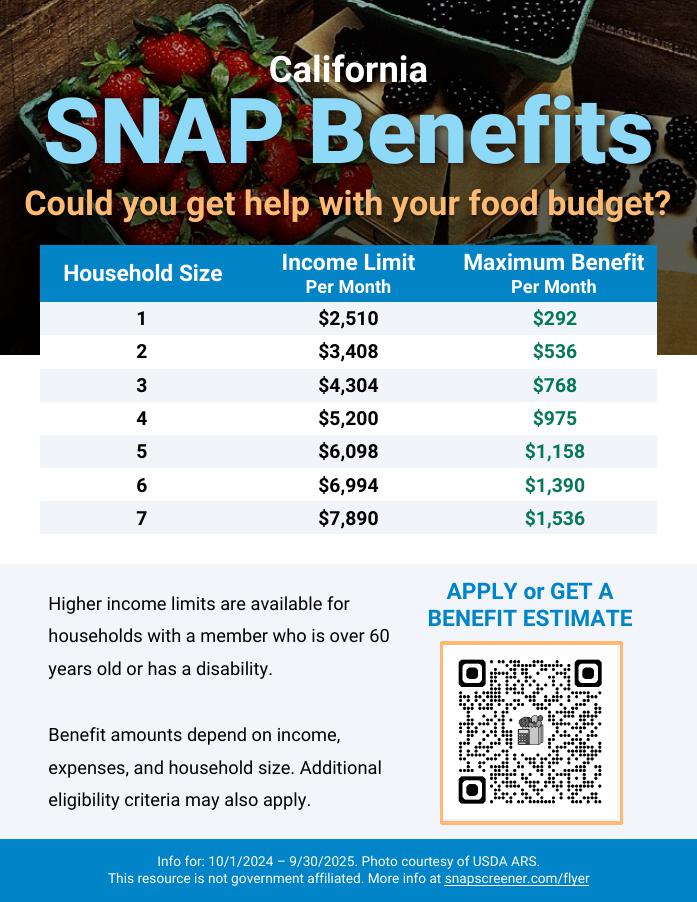
The primary determinant for SNAP eligibility is a household’s gross and net income relative to the federal poverty level. In California, as across the nation, households must generally have a gross monthly income (before deductions) at or below 200% of the federal poverty level. For households with an elderly or disabled member, slightly different rules may apply. However, for most applicants, meeting this gross income test is crucial. After certain deductions (like medical expenses for the elderly/disabled, child support payments, and a standard deduction), the household’s net income must be at or below 100% of the federal poverty level.
The “household” definition is also critical. It generally includes all individuals who live together and customarily purchase and prepare food together. This can include immediate family members, but also roommates or other individuals who share a common food budget. Accurately reporting household composition and all sources of income (wages, self-employment income, Social Security, unemployment benefits, etc.) is essential for a smooth application process and to accurately reflect your lifestyle’s financial needs. This meticulous reporting ensures that the aid provided truly supports the lifestyle needs of all members.
Residency and Citizenship Status
To qualify for CalFresh, individuals must be residents of California. This means having a fixed address within the state and an intention to remain there. While many federal programs require U.S. citizenship, SNAP also extends eligibility to certain non-citizens who are lawfully present in the country. This includes lawful permanent residents (green card holders), refugees, asylees, and victims of trafficking, among others, who meet specific criteria related to their immigration status and length of residency.
It’s important to note that undocumented immigrants are generally not eligible for federal SNAP benefits. However, mixed-status households (where some members are eligible and others are not) can still apply, and benefits will be provided to the eligible members. This inclusive approach recognizes the diverse demographics of California and ensures that legal residents, regardless of their path to residency, can access crucial support to maintain their lifestyles.
Special Considerations for Diverse Lifestyles
California’s population embodies a wide spectrum of lifestyles, and SNAP policies often account for specific circumstances. For instance, college students typically face strict eligibility rules; generally, they must be working at least 20 hours per week, participating in certain work-study programs, or meeting other specific exemptions to qualify. This ensures that SNAP targets students who genuinely face financial hardship in sustaining their education-focused lifestyle.
Seniors and individuals with disabilities often have different income thresholds and can deduct certain medical expenses, reflecting their unique needs and potential higher costs of living. Furthermore, some individuals participating in substance abuse treatment programs, or those experiencing homelessness, may also be eligible under specific conditions. These nuanced rules are designed to ensure that the program effectively supports the varied lifestyles and challenges faced by different segments of California’s community.
The Application Process: A Step Towards a Stable Lifestyle
The application for CalFresh is designed to be accessible, though it requires careful attention to detail. Successfully navigating this process is a proactive step towards achieving a more stable and secure lifestyle.
Gathering Essential Documentation
Before applying, compile all necessary documents. This typically includes:
- Proof of Identity: A valid driver’s license, state ID, or other government-issued identification.
- Proof of Residency: Utility bills, rent receipts, or official mail showing your California address.
- Proof of Income: Pay stubs, tax returns, employer statements, or award letters for benefits (Social Security, unemployment).
- Proof of Assets (if applicable): Bank statements (though many households are not subject to an asset test).
- Household Information: Social Security numbers (if available) for all household members, and immigration documents for non-citizens.
- Deductible Expenses: Records of child support payments, medical expenses for elderly/disabled members, and dependent care costs.
Having these documents organized streamlines the application process, reducing potential delays and moving you closer to the lifestyle support you need.
Submitting Your Application
California offers multiple convenient ways to apply for CalFresh. The most common method is online through the BenefitsCal portal, which allows you to complete and submit your application digitally from anywhere, be it Silicon Valley or a rural town. Alternatively, you can apply in person at your local county social services office. In cities like Sacramento, the capital, these offices are equipped to assist applicants directly. Applying by mail or fax is also an option, with forms available online or at county offices. Choosing the method that best fits your lifestyle and accessibility is key.
The Interview and Verification Stages
After submitting your application, you will typically be scheduled for an interview with a county caseworker. This interview, which can often be conducted over the phone, is an opportunity to clarify information, confirm details, and answer any questions the caseworker may have about your household, income, and lifestyle circumstances. Following the interview, the county will verify the information provided, often by contacting employers, landlords, or other agencies. This verification process is crucial to ensure the integrity of the program and that benefits are distributed equitably to those whose lifestyles genuinely require assistance. If additional documentation is needed, the caseworker will inform you, and prompt submission can prevent delays in receiving benefits.
Beyond Qualification: Maximizing Your California SNAP Benefits
Successfully qualifying for CalFresh is a significant achievement, but understanding how to effectively use and manage these benefits is equally important for maintaining a stable and healthy lifestyle.
Using Your EBT Card for a Healthier Lifestyle
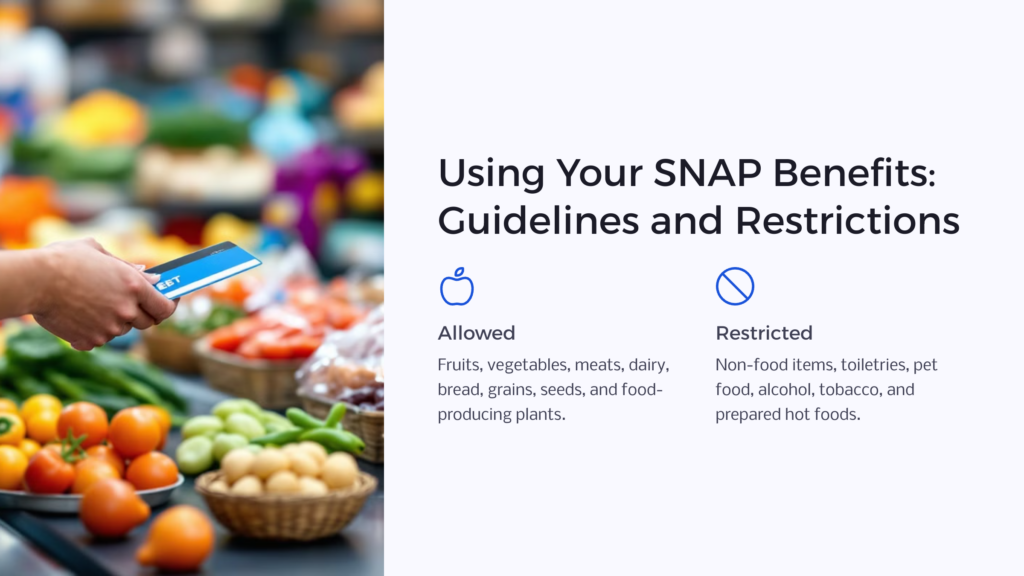
Once approved, you will receive an Electronic Benefit Transfer (EBT) card, which functions much like a debit card. This card can be used to purchase eligible food items at most grocery stores, farmers’ markets, and even some online retailers that accept SNAP. Eligible items include fruits, vegetables, meat, poultry, fish, dairy products, breads, cereals, and seeds/plants for growing food. The program is designed to empower you to make healthy food choices that align with your dietary preferences and contribute to your overall lifestyle. It’s a direct investment in your health and the well-being of your household.
Complementary Programs and Resources
In California, SNAP is often complemented by other state and local initiatives designed to support healthy living. Programs like Market Match, for example, can double the value of CalFresh benefits at participating farmers’ markets, allowing recipients to purchase even more fresh, locally grown produce. Many communities also offer food banks, pantries, and nutrition education programs that can further enhance your food security and promote a healthier lifestyle. These resources work in tandem with SNAP to provide a comprehensive support system for residents. Staying informed about these additional opportunities can significantly amplify the positive impact of your CalFresh benefits on your lifestyle.
Maintaining Eligibility and Reporting Changes
Receiving CalFresh benefits comes with the ongoing responsibility of maintaining eligibility. This involves periodically recertifying your household’s information, typically every 6 to 12 months, to ensure you still meet the program’s requirements. More importantly, it requires reporting significant changes in your household’s circumstances within a specified timeframe. Changes such as an increase in income, a change in household size, or a new address must be reported to your county social services office. Promptly reporting these changes ensures that your benefits are accurately adjusted, preventing overpayments or interruptions in service, and ensuring that the support continues to align with your evolving lifestyle needs. This proactive approach helps secure your lifestyle benefits without interruption.
Qualifying for SNAP in California is a multifaceted process that can profoundly impact an individual’s or family’s lifestyle. By understanding the eligibility criteria, meticulously navigating the application, and effectively utilizing the benefits, residents can secure essential food assistance that underpins a healthier, more stable, and resilient lifestyle in one of the world’s most dynamic states. This program is a testament to the commitment to support the well-being of all California residents, helping them to not just survive, but truly thrive.
LifeOutOfTheBox is a participant in the Amazon Services LLC Associates Program, an affiliate advertising program designed to provide a means for sites to earn advertising fees by advertising and linking to Amazon.com. Amazon, the Amazon logo, AmazonSupply, and the AmazonSupply logo are trademarks of Amazon.com, Inc. or its affiliates. As an Amazon Associate we earn affiliate commissions from qualifying purchases.