
Understanding how your bonus is taxed in California is a crucial aspect of financial planning and significantly impacts your overall lifestyle. For many, a bonus represents an exciting financial windfall, offering the opportunity to save, invest, or indulge in experiences that enhance daily living – perhaps a dream vacation, a new home improvement, or simply bolstering a rainy-day fund. However, the joy of receiving a bonus can sometimes be tempered by the realization that a significant portion disappears due to taxes. Navigating the intricacies of bonus taxation in the Golden State isn’t just about compliance; it’s about smart budgeting, maximizing your take-home pay, and effectively planning for your personal and financial goals. This article will demystify the taxation of bonuses in California, helping you understand what to expect and how to integrate these insights into your lifestyle management.

Understanding Bonus Taxation as a Lifestyle Factor
For residents of California, a bonus is more than just extra money; it’s a potential accelerator for lifestyle aspirations. Whether it’s funding a future trip, investing in a new hobby, or simply enhancing financial security, understanding the tax implications upfront is key to effective planning. Without this knowledge, you might find your expected windfall significantly diminished, impacting your ability to meet those lifestyle goals.
What Qualifies as a Bonus for Tax Purposes?
A bonus, in the context of taxation, is generally considered “supplemental wage” income. This category includes payments that are not part of your regular salary or wages but are compensation for services performed. Examples often include year-end bonuses, performance bonuses, signing bonuses, commission payments, severance pay, and even back pay. From a tax perspective, the Internal Revenue Service (IRS) and the California Employment Development Department (EDD) view these payments as taxable income, subject to federal and state income taxes, as well as payroll taxes like FICA (Social Security and Medicare) and SDI (State Disability Insurance). The critical distinction is often in how these supplemental wages are withheld, rather than their ultimate tax rate.
Why Bonuses Are Taxed Differently (Sometimes)
One of the most common misconceptions is that bonuses are “taxed at a higher rate” than regular income. This isn’t entirely accurate. While the withholding rate for bonuses can sometimes appear higher, this is a mechanism designed to ensure adequate tax payments are made throughout the year, especially for larger, less frequent income streams. Ultimately, all your income, including bonuses, is aggregated and taxed at your marginal income tax rate during tax season. The perceived “higher tax” comes from the withholding methods employers use, which we’ll explore shortly. The goal of these withholding rules is to prevent a large tax bill at the end of the year, a crucial aspect of sound financial lifestyle management.
The Mechanics of Bonus Withholding in California
When you receive a bonus in California, your employer is required to withhold taxes from it, just like from your regular paycheck. However, the methods for calculating this withholding can differ, leading to varying amounts being taken out. These methods are designed by the IRS for federal taxes and the EDD for state taxes.
Federal Income Tax Withholding on Bonuses
For federal income tax, employers typically use one of two methods for supplemental wages:
- The Percentage Method (Flat Rate Method): If an employer pays supplemental wages separately from regular wages (or identifies them separately), and the supplemental wages for the calendar year are less than $1 million, they can use a flat 22% withholding rate. This is a common method for smaller bonuses.
- The Aggregate Method: If the supplemental wages are paid concurrently with regular wages, or if they are not separately identified, or if the total supplemental wages for the year exceed $1 million, the employer must use this method. Here, the bonus is added to the employee’s regular wages for the most recent payroll period, and tax is calculated as if this combined amount were the regular pay. The amount of tax on the regular wages is then subtracted from the total tax, and the remainder is the tax withheld from the supplemental wages. This method can sometimes result in a higher withholding amount, especially if it pushes your combined income into a higher bracket for that specific pay period.
California State Income Tax Withholding on Bonuses
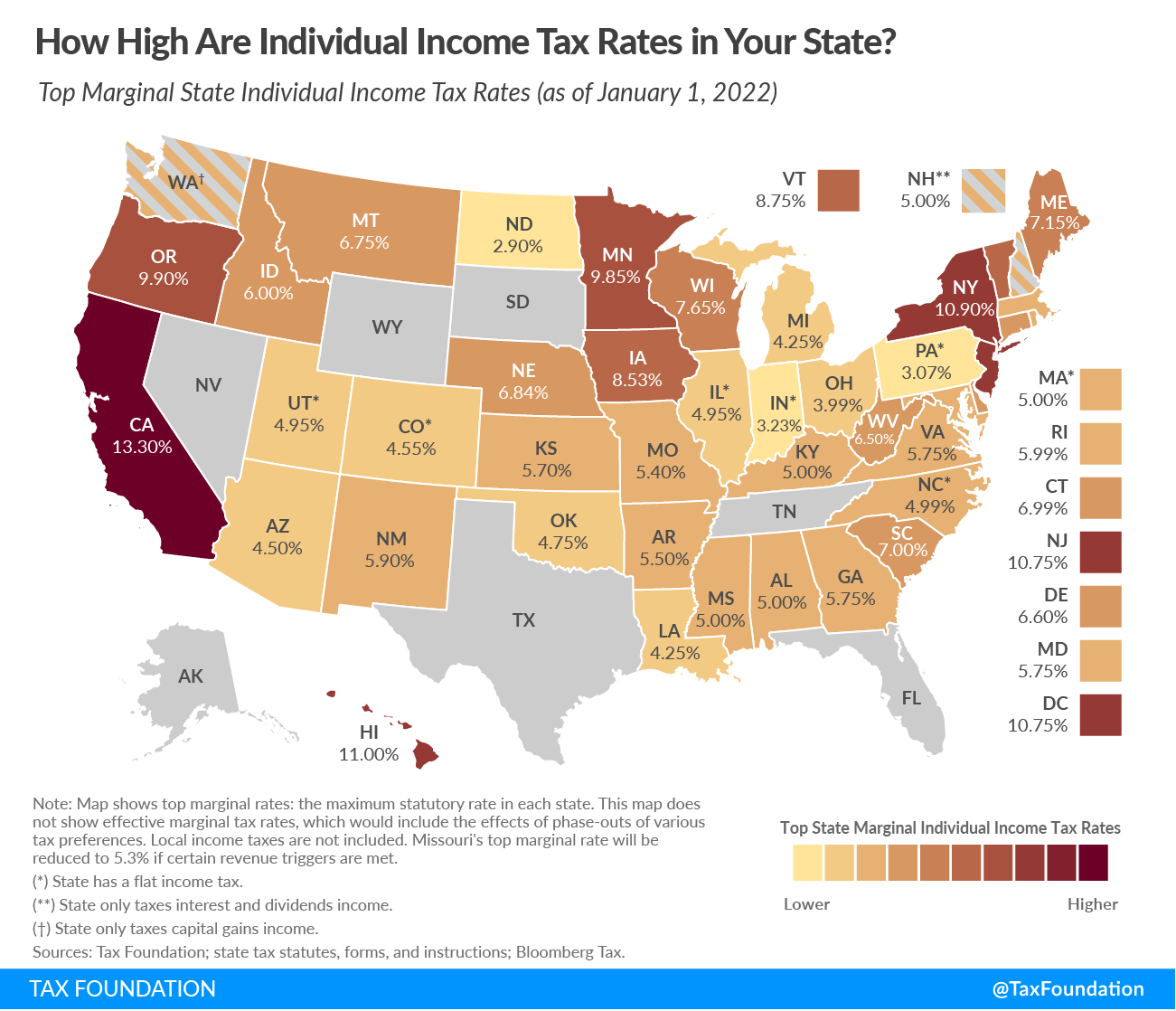
California also has specific rules for withholding on supplemental wages. Historically, California employers have often used a flat rate for bonuses. For instance, for bonuses paid between 2023 and 2024, the state withholding rate for supplemental wages (like bonuses) is typically 6.6%. However, similar to federal rules, the employer can also use an aggregate method, combining the bonus with regular wages and calculating withholding based on the individual’s Form DE 4 (Employee’s Withholding Allowance Certificate) and the state’s withholding tables. The method chosen by your employer can significantly affect your immediate take-home bonus.
Other Applicable Taxes (FICA, SDI)
Beyond federal and state income tax, bonuses are also subject to payroll taxes that fund social safety nets.
- FICA (Federal Insurance Contributions Act): This includes Social Security and Medicare taxes. For 2024, Social Security tax is 6.2% on earnings up to $168,600, and Medicare tax is 1.45% on all earnings. There’s also an additional 0.9% Medicare tax on earnings over $200,000 for single filers, or $250,000 for married filing jointly. These rates apply to bonus income just as they do to regular wages, up to the respective limits.
- SDI (State Disability Insurance): California’s SDI program provides short-term wage replacement benefits to eligible workers. For 2024, the employee contribution rate for SDI is 1.1% on wages up to a certain limit (which for 2024 is $164,096). Bonuses are subject to SDI withholding up to this annual wage limit.
These mandatory deductions further reduce the net amount of your bonus, a crucial detail for budgeting your lifestyle expenses or aspirational travel plans.
The Impact on Your Take-Home Pay and Lifestyle Budget
Understanding the various withholding methods and taxes is essential for accurately estimating your net bonus. This estimation is critical for lifestyle planning, whether you’re saving for a down payment, planning a major purchase, or earmarking funds for a well-deserved California getaway.
Supplemental vs. Regular Wages: The Withholding Difference
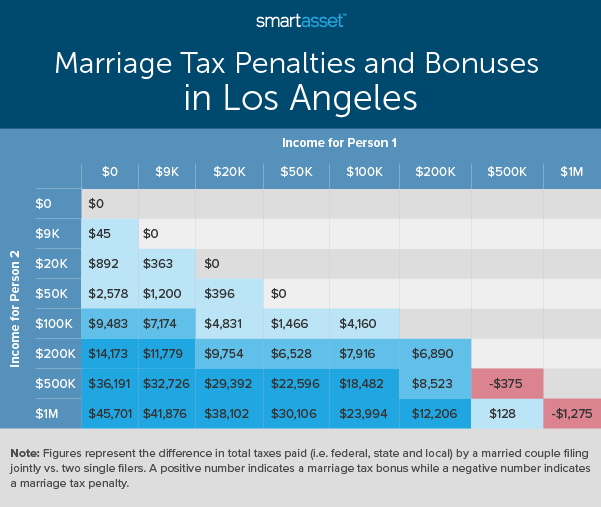
The key difference lies in how withholding is calculated, not necessarily the final tax liability. When employers use the flat rate method for supplemental wages, it might seem like a higher percentage is withheld compared to your regular paycheck (where deductions are spread out over many pay periods and influenced by your W-4/DE 4 elections). For example, if your regular paycheck withholding is typically 15% and your bonus is withheld at 22% federal plus 6.6% state, it appears a larger chunk is taken. However, this is just withholding; at tax time, all your income is combined and taxed at your overall effective tax rate. If too much was withheld, you’ll get a refund. If too little, you’ll owe more.
The Flat Rate Method Explained
As mentioned, the flat rate method simplifies withholding for employers. For federal purposes, it’s often 22%. For California, it’s currently 6.6%. If your employer opts for this, a bonus of $5,000 would see $1,100 (22%) withheld for federal, $330 (6.6%) for state, plus FICA (approx. 7.65%) and SDI (approx. 1.1%). This means roughly 37.35% could be withheld initially, leaving you with about $3,132.50. This upfront calculation is vital for adjusting your lifestyle budget.
The Aggregate Method Explained
The aggregate method can be more complex. If your employer adds your bonus to your regular wages for a single pay period, the larger “fictional” income for that period might temporarily push you into a higher tax bracket according to withholding tables. While this results in more tax withheld initially, it’s important to remember this doesn’t mean the bonus itself is taxed at a higher marginal rate. It simply means that for that specific payroll calculation, your withholding mirrors what it would be if you earned that higher amount consistently. This method often results in closer-to-actual withholding, minimizing potential refunds or balances due at year-end.
Strategic Planning for Your Bonus and Lifestyle
Knowing how bonuses are taxed empowers you to make smarter financial decisions that align with your lifestyle aspirations. A bonus can be a powerful tool for achieving short-term pleasures or long-term security if managed effectively.
Estimating Your Net Bonus for Financial Planning
Armed with the knowledge of withholding methods and rates, you can roughly estimate your net bonus. Subtract federal (approx. 22-37%), state (approx. 6.6%), FICA (7.65%), and SDI (1.1%) from your gross bonus. While these are just withholding estimates and your actual tax liability depends on your overall annual income and deductions, this calculation provides a much more realistic figure for budgeting. For instance, a $10,000 bonus might realistically yield around $6,000 to $6,500 after initial withholdings in California.
How Bonuses Can Influence Travel and Leisure Budgets
Once you have a clearer picture of your net bonus, you can strategically allocate these funds. For those dreaming of exploring California’s stunning coastline or venturing further afield, a bonus can significantly boost your travel fund. Perhaps it means upgrading from budget accommodations to a more luxurious resort experience, extending a trip, or trying new, exciting activities. For others, it might mean paying down debt, which frees up future income for leisure. Integrating your bonus into your leisure budget transforms a pleasant surprise into a tangible step towards achieving your lifestyle goals.
When to Consult a Tax Professional in California
While this overview provides valuable insight, individual tax situations can be complex. If you receive a substantial bonus, have significant other income sources, or are unsure how your bonus will impact your overall tax liability, consulting a qualified tax professional in California is highly recommended. They can provide personalized advice, help you adjust your W-4/DE 4 if needed, and ensure you’re taking advantage of all applicable deductions and credits, optimizing your financial lifestyle.
Common Misconceptions and Key Takeaways
Dispelling common myths surrounding bonus taxation is crucial for informed financial planning and maintaining a positive outlook on your earnings.
Bonus Taxed at a Higher Rate? Clarifying the Myth
Let’s reiterate: your bonus is not taxed at a higher rate than your regular income. All your income for the year, including bonuses, is aggregated and subject to the same progressive tax brackets based on your total adjusted gross income. The perceived “higher tax” is merely a result of the specific withholding methods used by employers for supplemental wages. This aggressive withholding strategy aims to prevent underpayment of estimated taxes, which could lead to penalties. If too much tax is withheld, you will receive the difference as a refund when you file your annual tax return.
Maximizing Your Bonus’s Lifestyle Impact
To truly maximize the lifestyle impact of your bonus in California, consider these strategies:
- Plan Ahead: Anticipate your bonus and roughly calculate the net amount. This allows you to allocate funds before they even hit your bank account.
- Review Your Withholding: If you consistently receive large refunds (or owe a lot) after receiving a bonus, you might want to adjust your W-4 and DE 4 forms with your employer to fine-tune your withholding.
- Contribute to Retirement: Consider directing a portion of your bonus into a 401(k) or IRA. This not only reduces your taxable income in the current year but also builds long-term financial security, a cornerstone of a sustainable lifestyle.
- Save for Big Purchases/Experiences: Earmark funds for a down payment, a major renovation, or that dream trip.
- Pay Down High-Interest Debt: Eliminating high-interest debt can significantly improve your financial health and free up future cash flow for lifestyle enhancements.
In conclusion, receiving a bonus in California is undoubtedly a cause for celebration. By understanding how these supplemental wages are taxed and strategically planning their use, you can transform a temporary financial boost into a lasting enhancement of your personal and financial lifestyle, opening doors to new experiences and greater peace of mind.
LifeOutOfTheBox is a participant in the Amazon Services LLC Associates Program, an affiliate advertising program designed to provide a means for sites to earn advertising fees by advertising and linking to Amazon.com. Amazon, the Amazon logo, AmazonSupply, and the AmazonSupply logo are trademarks of Amazon.com, Inc. or its affiliates. As an Amazon Associate we earn affiliate commissions from qualifying purchases.