
For aspiring entrepreneurs and established business owners alike, the dream of operating a successful venture in California often involves a pivotal question: “How much does a liquor license cost?” This isn’t merely a transactional query; it’s an inquiry into a critical investment that can define the operational scope, profitability, and overall “lifestyle” of a hospitality-focused business. Whether you envision a bustling restaurant, a chic wine bar, a vibrant nightclub, or a neighborhood grocery store, the ability to sell alcoholic beverages is a cornerstone of many commercial models in the Golden State.
Understanding the financial and procedural intricacies of acquiring a liquor license in California is paramount. It’s a process fraught with variables, from the type of license required to the specific geographical location, and it involves a significant outlay of capital and time. This guide delves deep into the multifaceted costs and critical steps involved, offering an insightful perspective for anyone looking to navigate this complex yet rewarding aspect of the California business landscape.
Understanding the Landscape of California Liquor Licenses
Before delving into the specific dollar figures, it’s essential to grasp the foundational framework governing alcoholic beverage sales in California. The regulatory body at the heart of this system is the California Department of Alcoholic Beverage Control, commonly known as the ABC. This department is responsible for issuing, transferring, and enforcing all alcoholic beverage licenses within the state. Their oversight ensures compliance with state laws and local regulations, playing a crucial role in public safety and market control.
The Role of the California Department of Alcoholic Beverage Control (ABC)
The ABC is more than just a permit issuer; it’s the gatekeeper. Its robust regulatory framework is designed to manage the supply and sale of alcohol, prevent over-concentration of licenses in certain areas, and ensure responsible business practices. Every application, every transfer, and every annual renewal passes through its meticulous review process. Understanding their mandates and requirements is the first critical step for any aspiring licensee. They provide extensive resources, but navigating their labyrinthine rules often requires professional guidance.
Types of Licenses and Their Operational Impact
The cost of a liquor license is inextricably linked to its type, which dictates what you can sell and how you can sell it. California offers a wide array of license types, broadly categorized into “on-sale” (for consumption on the premises, like restaurants and bars) and “off-sale” (for consumption off the premises, like grocery stores and liquor stores).
Common examples include:
- Type 41 (On-Sale Beer & Wine – Bona Fide Eating Place): Ideal for restaurants primarily serving food, allowing beer and wine sales.
- Type 47 (On-Sale General – Bona Fide Eating Place): The most sought-after license for full-service restaurants, permitting beer, wine, and spirits sales.
- Type 48 (On-Sale General – Public Premises): Designed for bars, nightclubs, and taverns where food service might be minimal or incidental.
- Type 20 (Off-Sale Beer & Wine): For convenience stores, supermarkets, and specialty food shops selling beer and wine for take-away.
- Type 21 (Off-Sale General): For liquor stores, supermarkets, and larger retailers selling beer, wine, and spirits for take-away.
Each license type carries specific privileges and restrictions, directly impacting your business model and, consequently, its potential revenue streams. The choice of license profoundly shapes the lifestyle and identity of your establishment.
Key Factors Influencing Cost
Beyond the license type, several other factors dramatically influence the final cost:
- Location: Licenses in high-demand urban centers like Los Angeles or San Francisco are significantly more expensive due to limited availability and high commercial value.
- Availability (Quota): California operates under a quota system for most on-sale general and off-sale general licenses, limiting the number issued based on population in each county. When new licenses aren’t available from the ABC directly, they must be purchased from an existing licensee on the open market.
- Transfer vs. New Issue: Purchasing an existing license (transfer) is often quicker but typically costs substantially more than applying for a new one directly from the ABC (when available).
These variables create a dynamic and often unpredictable market, making thorough research and strategic planning indispensable.
The Financial Outlay: Deconstructing the Costs
The price of a California liquor license is not a single figure; it’s a composite of several distinct financial components. Understanding each part is crucial for accurate budgeting and financial forecasting.
State Filing Fees
When you apply for a new license directly from the ABC, or initiate a transfer, you’ll incur state-mandated filing fees. These fees are generally fixed and non-refundable, covering the administrative costs of processing your application, conducting background checks, and public notification. For instance, application fees for new general licenses can range from a few hundred to a couple of thousand dollars, with annual renewal fees also varying by license type but typically being in the hundreds of dollars. While these fees are a necessary expense, they usually represent only a fraction of the total cost, especially for quota-limited licenses.
Purchase Price on the Open Market
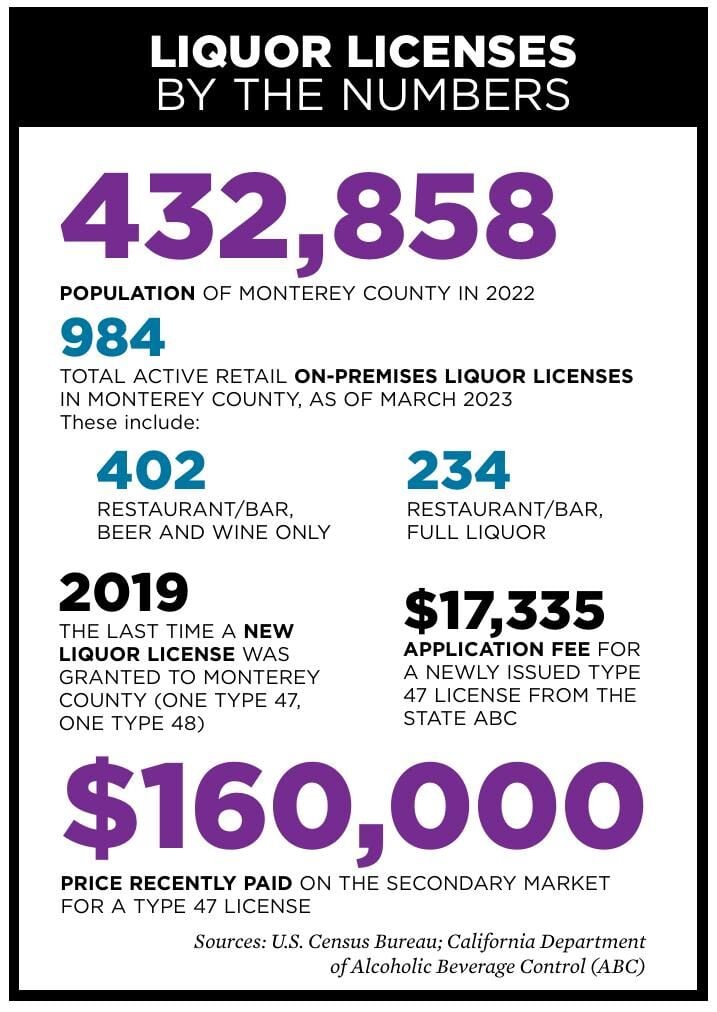
This is often the most significant and variable expense, particularly for coveted Type 47 (on-sale general) and Type 21 (off-sale general) licenses in metropolitan areas. Due to the state’s quota system, new general licenses are only issued during specific “priority periods” when population growth allows for it. Outside of these periods, or if you miss the window, you must purchase a license from an existing licensee who is willing to sell theirs.
The open market for California liquor licenses operates much like real estate, with prices fluctuating based on supply, demand, and location. In highly desirable areas like Los Angeles, San Francisco, or prime coastal communities, an on-sale general eating place license (Type 47) can easily command prices ranging from $50,000 to over $300,000, and in some rare cases, even higher. Off-sale general licenses (Type 21) can also be substantial, though often less expensive than their on-sale counterparts. This substantial investment underscores the value and necessity of a liquor license for certain business models.
Ancillary Costs
Beyond the direct ABC fees and market purchase price, several ancillary costs must be factored into your budget:
- Legal Fees: Engaging an attorney specializing in ABC law is highly recommended to navigate the complexities of applications, transfers, and compliance. Legal fees can range from a few thousand to tens of thousands of dollars, depending on the complexity of your case.
- Broker Fees: If you use a liquor license broker to find and negotiate the purchase of an existing license, expect to pay a commission, typically a percentage of the license’s sale price.
- Escrow Fees: Similar to real estate, liquor license transfers often go through escrow to ensure a smooth and secure transaction for both buyer and seller.
- City/County Permits & Conditional Use Permits (CUPs): Many local jurisdictions require additional permits or CUPs for alcohol sales, which involve separate application fees, public hearings, and potential operational restrictions. These can add several thousand dollars to your total.
- Public Notification: You’re required to post notices of your application at your premises, potentially incurring printing and posting costs.
These seemingly minor costs can quickly accumulate, adding tens of thousands of dollars to the overall investment required.
Annual Renewal and Ongoing Expenses
Once you successfully acquire your license, the financial commitment doesn’t end. You will be responsible for annual renewal fees to the ABC, which vary by license type but typically range from a few hundred to just over a thousand dollars. Furthermore, maintaining compliance with ABC regulations, local ordinances, and responsible beverage service training for staff (like LEAD training) are ongoing operational costs essential for the long-term sustainability of your lifestyle business.
The Application Journey: A Step-by-Step Guide
The path to obtaining a California liquor license is not merely financial; it’s a meticulous administrative journey that demands patience, precision, and adherence to regulatory protocols.
Initial Research and Business Planning
The first crucial step is comprehensive research. Before you commit any capital, determine the precise license type that aligns with your business model (e.g., full-service restaurant, bar, convenience store). This decision will dictate the entire subsequent process and cost. During this phase, consider your desired location and research existing license availability and market prices in that area. A solid business plan is your roadmap, outlining your concept, financial projections, and how alcohol sales integrate into your overall vision.
ABC Application Submission
Once you’ve identified the appropriate license, the formal application process begins with the ABC. This involves:
- Completing the Application Forms: These are extensive and require detailed information about your business, its owners (including all partners, shareholders, and managing members), and financial disclosures.
- Background Checks: All individuals with a significant ownership stake will undergo thorough background checks, including fingerprinting, to ensure they meet the ABC’s character requirements.
- Public Notification: You’ll be required to post an “Application for Alcoholic Beverage License” notice prominently at your proposed business location. This notice informs the public of your intent and allows local residents, law enforcement, or community groups to voice concerns or protests within a specific timeframe (usually 30 days).
- Premises Diagram: A detailed diagram of your proposed licensed premises must be submitted, outlining service areas, storage, and points of entry/exit.
Accuracy is paramount during this stage. Any errors or omissions can lead to significant delays or even rejection.
Local Government Approvals
Concurrently with the ABC process, you’ll need to secure approvals from your local city or county planning and zoning departments. This often involves:
- Zoning Compliance: Ensuring your business location is zoned for alcohol sales.
- Conditional Use Permits (CUPs): Many jurisdictions require a CUP for alcohol sales, particularly for on-sale establishments. Obtaining a CUP often involves public hearings, where neighbors and community members can voice support or opposition. This can be a lengthy process, sometimes taking months.
- Health and Safety Permits: Compliance with local health department regulations and fire safety codes is also mandatory.
Coordinating these local approvals with your state ABC application is critical for a smooth process.
Waiting Periods and Potential Hurdles
The liquor license application process in California is rarely swift. Expect waiting periods that can range from a few months for simpler off-sale beer and wine licenses to over a year for complex on-sale general licenses, especially if public protests or local government hurdles arise. Common challenges include:
- Public Protests: If neighbors or community groups protest your application, the ABC will investigate and may hold a hearing, which can significantly delay or even jeopardize your license.
- Over-concentration: If your proposed location is in an area deemed “over-concentrated” with existing liquor licenses or has high crime rates, the ABC may deny the application unless you can demonstrate “public convenience or necessity.”
- Incomplete Documentation: Any missing or incorrect information in your application will lead to delays.
Patience, persistence, and proactive communication with the ABC and local authorities are key to navigating these potential roadblocks.
Strategies for Navigating the California Liquor License Market
Given the complexity and cost, a strategic approach is vital for successfully acquiring a California liquor license for your lifestyle business.
Hiring Professionals
For many, the most effective strategy is to engage experienced professionals.
- Liquor License Brokers: These specialists have deep market knowledge, can help you find available licenses for transfer, negotiate prices, and often have insights into current market trends.
- ABC Attorneys/Consultants: Lawyers specializing in ABC law can provide invaluable guidance through the application process, represent you in hearings, address protests, and ensure compliance. Their expertise can save you significant time and prevent costly mistakes.
While adding to the upfront cost, professional assistance can streamline the process, mitigate risks, and ultimately save you money and stress in the long run.
Exploring License Transfer Opportunities
For on-sale general and off-sale general licenses, pursuing a transfer from an existing licensee is often the most common route, especially if new licenses are not being issued by the ABC. While more expensive, transfers can be quicker than waiting for a new license allocation (if one even occurs). A transfer process still requires ABC approval, background checks, and public notification, but it bypasses the lottery system sometimes used for new quota licenses.
Understanding Quotas and Limited Availability
The ABC’s quota system, based on county population, means that certain licenses are simply not available for direct application for extended periods. This scarcity drives up market prices. Aspiring business owners must understand if their desired license type is quota-limited in their chosen county and adjust their strategy accordingly, focusing on transfers or considering alternative license types if available.
Financial Planning and Budgeting
Given the substantial costs involved, robust financial planning is indispensable. This isn’t just an operational expense; it’s a significant capital investment. Secure funding well in advance, whether through business loans, personal capital, or investors. Always budget for contingencies, as unexpected delays or additional requirements can arise. View the liquor license not as a mere permit, but as a valuable asset that adds considerable worth to your business.
Beyond the Price Tag: The Value Proposition for Your Lifestyle Business
While the cost of a California liquor license can be daunting, it’s crucial to view this investment through the lens of its immense value proposition for your business. For many lifestyle businesses, it’s not just an option but a fundamental necessity for success.
Enhanced Revenue Streams
The ability to sell alcohol directly impacts your business’s profitability. For restaurants, bars, and hotels, alcohol sales often represent a disproportionately high-margin revenue stream compared to food. Offering a full range of alcoholic beverages can significantly increase average customer spend and overall turnover, making the business far more viable and lucrative. For retail, it attracts a broader customer base and boosts basket size.
Customer Experience and Branding
A liquor license allows you to craft a complete and compelling customer experience. A restaurant can offer curated wine pairings, a craft cocktail program, or a selection of local beers, enhancing the dining experience. A hotel can provide a sophisticated lobby bar or poolside service. This elevates your brand, caters to diverse customer preferences, and differentiates your establishment in a competitive market. It allows you to deliver the full “lifestyle” experience your customers seek.
Compliance and Long-term Sustainability
Operating without the proper license, or attempting to circumvent regulations, carries severe penalties, including hefty fines, forced closure, and potential criminal charges. Investing in a legitimate liquor license ensures your business operates within legal bounds, providing long-term stability and avoiding costly legal entanglements. It’s a foundation for sustainable growth and a testament to your commitment to responsible business practices.
The Investment Mindset
Ultimately, a liquor license in California is a tangible asset. For many quota-limited licenses, its market value often appreciates over time, similar to real estate. This means that while it’s a significant upfront cost, it can also be a valuable component of your business’s overall equity, potentially appreciating in value and offering a return on investment should you decide to sell your business in the future.
In conclusion, the question “How much is it for a liquor license in California?” elicits a complex answer involving multiple financial layers, regulatory hurdles, and strategic considerations. From state fees and market purchase prices to legal and local permits, the costs can range from a few thousand dollars for simpler licenses to well over $300,000 for prime general licenses in major metropolitan areas. However, for many lifestyle businesses, this substantial investment is not just a regulatory burden but a strategic necessity, unlocking vital revenue streams, enhancing customer experience, ensuring compliance, and building a valuable asset that underpins the very essence of their entrepreneurial dream in the Golden State. For those prepared to navigate its complexities, the rewards can be truly golden.
LifeOutOfTheBox is a participant in the Amazon Services LLC Associates Program, an affiliate advertising program designed to provide a means for sites to earn advertising fees by advertising and linking to Amazon.com. Amazon, the Amazon logo, AmazonSupply, and the AmazonSupply logo are trademarks of Amazon.com, Inc. or its affiliates. As an Amazon Associate we earn affiliate commissions from qualifying purchases.