
Understanding the deductions from your paycheck in California is more than just a financial exercise; it’s a critical component of managing your lifestyle. From housing and transportation to leisure and long-term savings, every dollar withheld impacts your take-home pay and, consequently, your discretionary income. For those living or considering working in the Golden State, deciphering federal and state payroll taxes is paramount to effective budgeting and achieving your financial aspirations. This comprehensive guide aims to demystify these deductions, providing a clear roadmap for navigating your California paycheck and empowering you to make informed decisions that support your desired lifestyle.

Understanding the California Paycheck: A Lifestyle Imperative
Navigating the complexities of your paycheck in California is not merely about tracking numbers; it’s about gaining control over your financial destiny and shaping the lifestyle you envision. The Golden State, renowned for its vibrant culture, diverse landscapes, and robust economy, also carries a reputation for its cost of living. Consequently, a clear understanding of what’s deducted from your gross pay is the bedrock of intelligent financial planning.
The Importance of Knowing Your Deductions
For anyone earning a salary in California, a thorough grasp of payroll deductions is indispensable. It directly influences your net pay—the actual money available for spending, saving, and investing. Without this knowledge, budgeting becomes a guessing game, making it challenging to allocate funds for daily expenses, rent, utilities, and certainly, any aspirational lifestyle choices like travel, dining, or leisure activities. Every deduction, whether mandatory federal or state tax, health insurance premium, or retirement contribution, sculpts your financial reality.
Impact on Discretionary Income
Discretionary income is the lifeblood of lifestyle choices. It’s the money left over after essential expenses and mandatory deductions are covered. In California, where living costs can be high, maximizing your discretionary income requires a strategic approach to understanding and, where possible, influencing your paycheck deductions. Knowing precisely how much is being withheld for taxes, benefits, and other contributions allows you to accurately forecast your disposable income, enabling you to plan for short-term indulgences and long-term financial goals, from a weekend getaway to building a down payment for a home in Los Angeles or San Francisco.
Who is Subject to California Payroll Taxes?
Generally, anyone employed by a California business, performing services within the state, is subject to California payroll taxes. This broadly applies to most W-2 employees. However, the distinction between employees and independent contractors is crucial. Independent contractors are typically responsible for their own estimated taxes throughout the year, rather than having them withheld from a paycheck. Residency status also plays a role; even non-residents may be subject to California income tax on income earned from California sources.
Deciphering Federal Deductions: The Foundation of Your Financial Plan
Regardless of the state you reside in, a portion of your earnings will always go towards federal taxes. These deductions form the fundamental layer of your payroll withholdings and are essential to understand for any financial plan.
Federal Income Tax (FIT)
Federal Income Tax (FIT) is typically the largest deduction from your paycheck. The United States operates on a progressive tax system, meaning higher earners pay a larger percentage of their income in taxes. Your specific tax bracket depends on your taxable income and filing status.
The amount withheld for FIT is determined by the information you provide on your W-4 form. This form allows you to adjust your withholding allowances, directing your employer on how much federal income tax to deduct. Accurately completing your W-4 is vital. Withholding too little could lead to a large tax bill or penalties at the end of the year, while withholding too much means you’re giving the government an interest-free loan throughout the year, reducing your immediate take-home pay. Reviewing and updating your W-4, especially after significant life events or changes in income, ensures your withholding aligns with your annual tax liability and personal financial strategy.
FICA Taxes: Social Security and Medicare
Beyond income tax, the Federal Insurance Contributions Act (FICA) mandates contributions towards Social Security and Medicare, programs designed to provide retirement, disability, and healthcare benefits.
- Social Security Contributions (OASDI): This portion, known as Old-Age, Survivors, and Disability Insurance (OASDI), helps fund benefits for retirees, survivors, and disabled workers. Employees currently contribute 6.2% of their gross wages up to a certain annual earnings limit, which changes year-to-year. Your employer matches this contribution, bringing the total to 12.4%.
- Medicare Contributions (HI): The Hospital Insurance (HI) portion of FICA funds Medicare benefits. Employees contribute 1.45% of all earned wages, with no income limit. Again, your employer matches this amount. High-income earners may also be subject to an Additional Medicare Tax of 0.9% on earnings above a certain threshold.
These FICA taxes, while seemingly reducing your immediate paycheck, are crucial for future lifestyle security, providing a safety net for retirement and healthcare in later life. They are a mandatory investment in your long-term well-being.
Navigating California’s State-Specific Payroll Taxes
While federal deductions are universal, California imposes its own set of payroll taxes, which significantly impact your net pay. Understanding these state-specific deductions is key to precise financial planning within the California landscape.
California State Income Tax (SIT)
California has one of the highest state income tax rates in the United States, featuring a progressive tax system with multiple brackets that extend up to 13.3% for the highest earners. Similar to federal income tax, the amount withheld for California State Income Tax (SIT) is determined by your wages and the information provided on your state-specific withholding form, typically a California Form DE 4. This form allows you to specify your filing status and allowances, influencing the amount your employer deducts. Keeping your DE 4 updated is as important as your federal W-4 to avoid under- or over-withholding, ensuring your lifestyle budget remains on track.
State Disability Insurance (SDI) and Paid Family Leave (PFL)
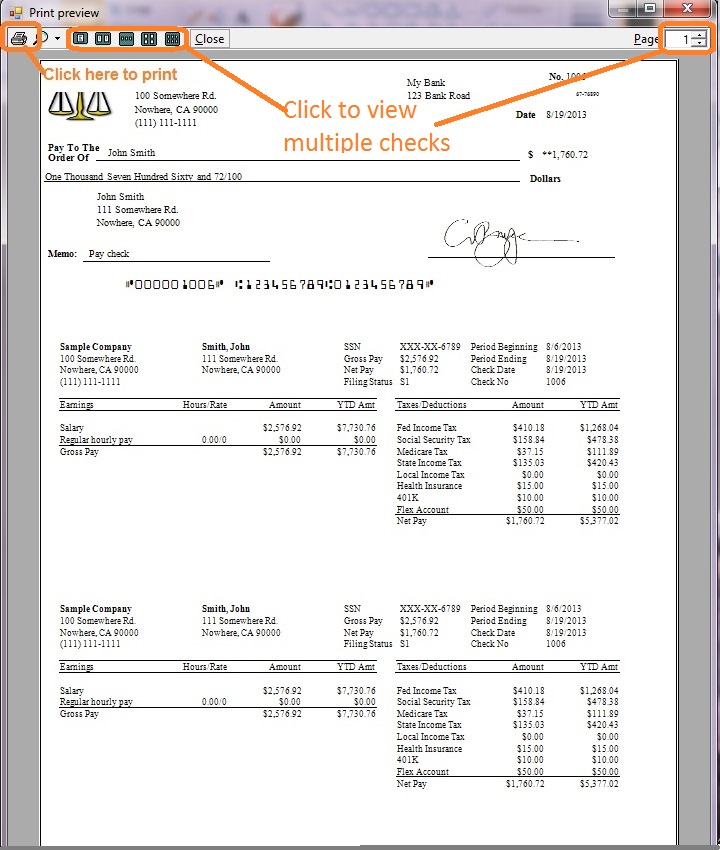
California is one of a few states that mandates employee contributions to a State Disability Insurance (SDI) program. This program provides short-term wage replacement benefits to eligible workers who are unable to work due to a non-work-related illness or injury, or pregnancy. A component of SDI is Paid Family Leave (PFL), which offers benefits to individuals who need to take time off work to care for a seriously ill family member, bond with a new child, or participate in a qualifying event due to a family member’s military deployment.
Employees contribute a percentage of their wages up to a specified annual maximum to fund these programs. For example, in recent years, the rate has been around 1.1% of wages up to a certain income cap. While an additional deduction, SDI/PFL offers invaluable financial stability during life’s unpredictable moments, safeguarding your income when you need to focus on health or family, thus protecting your overall lifestyle. These programs are administered by the Employment Development Department (EDD).
State Unemployment Insurance (SUI)
Unlike SDI, State Unemployment Insurance (SUI) in California is typically an employer-paid tax. This means employees do not directly contribute to SUI from their paychecks. However, it’s worth noting as part of the broader payroll tax landscape. SUI funds provide temporary financial assistance to eligible workers who have lost their jobs through no fault of their own. While not a direct deduction, the existence of such a safety net is an indirect benefit that supports overall economic stability and provides a crucial lifeline, especially during unforeseen job losses, which can severely disrupt one’s lifestyle.
Beyond Mandatory Deductions: Optimizing Your Take-Home Pay for Your Lifestyle
While federal and state taxes are mandatory, many other deductions from your paycheck are voluntary and can be strategically utilized to optimize your take-home pay and align with your lifestyle goals. These deductions often offer significant tax advantages and contribute directly to your well-being and future financial security.
Pre-Tax Deductions: Smart Lifestyle Choices
Pre-tax deductions reduce your taxable income, meaning you pay less in federal and state income taxes. This effectively increases your take-home pay compared to equivalent post-tax contributions.
- Health Insurance Premiums: If your employer offers health, dental, or vision insurance, your share of the premiums is typically deducted pre-tax. This is a crucial deduction that ensures access to healthcare, a cornerstone of any stable lifestyle.
- Retirement Contributions (401k, 403b, Traditional IRA): Contributing to employer-sponsored retirement plans like a 401(k) or 403(b), or a Traditional IRA through payroll deduction, is one of the most powerful pre-tax strategies. Not only does it reduce your current taxable income, but it also builds a nest egg for your future lifestyle, allowing for a comfortable retirement or even early financial independence.
- Flexible Spending Accounts (FSAs) and Health Savings Accounts (HSAs): These accounts allow you to set aside pre-tax money for eligible healthcare or dependent care expenses. FSAs are “use it or lose it” within a plan year, while HSAs (available with high-deductible health plans) offer triple tax advantages: tax-deductible contributions, tax-free growth, and tax-free withdrawals for qualified medical expenses. Both can significantly reduce out-of-pocket costs, freeing up more of your income for other lifestyle choices.
- Commuter Benefits: Some employers offer pre-tax deduction programs for public transportation or parking costs, providing another avenue to reduce taxable income and save money on daily living expenses in a state with significant commuting costs like California.
Post-Tax Deductions: Personalizing Your Financial Landscape
Post-tax deductions are withheld from your paycheck after taxes have been calculated. While they don’t offer an immediate tax advantage, they are vital for specific financial goals and personalizing your financial landscape.
- Roth IRA Contributions: Unlike Traditional IRAs, Roth contributions are made with after-tax dollars. However, qualified withdrawals in retirement are tax-free, offering long-term tax benefits for your future lifestyle.
- Voluntary Insurance Plans: These might include supplemental life insurance, critical illness insurance, or accident insurance, often paid with post-tax dollars. While not mandatory, they provide an added layer of financial protection for your family and lifestyle in unexpected circumstances.
- Garnishment and Other Court-Ordered Deductions: In some cases, deductions may be mandated by law, such as wage garnishments for unpaid debts, child support, or alimony. While not a choice, these are a reality for some and will impact take-home pay.
Strategic Financial Planning: Maximizing Your California Income for Your Dream Lifestyle
Understanding the nuances of payroll deductions is merely the first step. To truly harness your income and cultivate your desired lifestyle in California, strategic financial planning is indispensable. This proactive approach ensures that every dollar earned is working towards your personal and financial goals.
Regular Paycheck Reviews and Adjustments
Your financial situation is not static, and neither should be your payroll withholding strategy. Regularly reviewing your pay stubs for accuracy is crucial. Mistakes can happen, and discrepancies in deductions can subtly erode your net pay over time. Beyond error checking, it’s vital to update your W-4 and California DE 4 forms whenever significant life changes occur. This includes marriage, divorce, the birth of a child, a new job, or a significant change in income for you or your spouse. Proper adjustments prevent unpleasant surprises at tax time, ensuring you’re withholding an appropriate amount throughout the year, thereby maintaining consistent control over your take-home pay and lifestyle budget.
Budgeting and Savings Strategies in High-Cost California
California’s high cost of living necessitates meticulous budgeting and robust savings strategies. Knowing your net pay after all deductions allows you to create a realistic budget that accounts for essential expenses (housing, food, transportation) while allocating funds towards your lifestyle aspirations.
- Setting Financial Goals: Define your lifestyle goals—whether it’s regular travel, purchasing a home in a specific California city, funding higher education, or early retirement. Quantify these goals and set timelines.
- Emergency Funds: Prioritize building an emergency fund of 3-6 months’ worth of living expenses. This financial cushion provides peace of mind and protects your lifestyle from unexpected job loss or medical emergencies.
- Investment Planning: Beyond emergency savings, explore investment opportunities tailored to your risk tolerance and long-term goals. Leverage pre-tax retirement accounts first, but also consider Roth IRAs and taxable brokerage accounts to diversify your wealth-building strategy. In a state like California, maximizing every dollar through smart investments is key to achieving financial freedom.
Seeking Professional Guidance
The intricacies of tax laws and financial planning can be overwhelming, especially when balancing federal and state regulations with personal aspirations. While this guide provides a solid foundation, there are times when seeking professional guidance is invaluable.
- Tax Professionals: A Certified Public Accountant (CPA) or enrolled agent can help you understand complex tax situations, optimize your withholdings, identify eligible deductions and credits, and prepare your annual tax returns accurately. This can lead to significant savings and ensure compliance, preventing future financial headaches.
- Financial Advisors: A qualified financial advisor can help you develop a holistic financial plan that integrates your income, expenses, deductions, savings, investments, and long-term lifestyle goals. They can provide personalized advice on retirement planning, college savings, wealth management, and risk protection, ensuring your financial strategy is robust and adaptable to life’s changes.
By understanding how much taxes are deducted from your paycheck in California and proactively planning your finances, you take a significant step towards achieving the lifestyle you desire, empowering you to live life on your terms in the vibrant state of California.
LifeOutOfTheBox is a participant in the Amazon Services LLC Associates Program, an affiliate advertising program designed to provide a means for sites to earn advertising fees by advertising and linking to Amazon.com. Amazon, the Amazon logo, AmazonSupply, and the AmazonSupply logo are trademarks of Amazon.com, Inc. or its affiliates. As an Amazon Associate we earn affiliate commissions from qualifying purchases.