
The ancient groves of California hold some of the planet’s most magnificent and venerable natural landmarks: the Redwood Trees. Standing as towering monuments of time, these living giants inspire awe and wonder in all who walk beneath their canopy. More than mere flora, they are repositories of history, living archives of millennia, and symbols of enduring natural power. The question of their age is not just a botanical inquiry; it’s an exploration into the deep past, a testament to resilience, and a profound reflection on the passage of time on Earth.
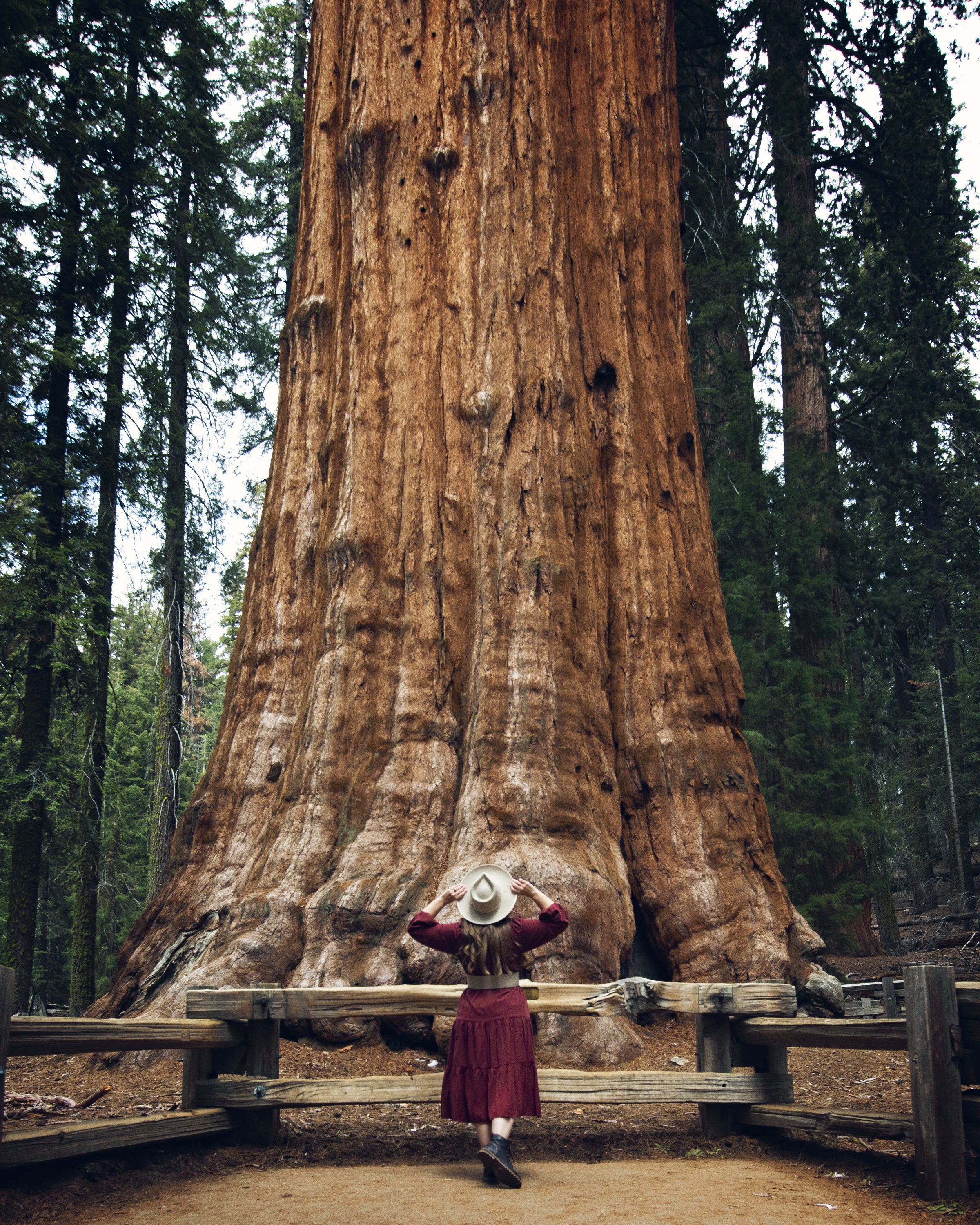
Visiting the Redwood National and State Parks is akin to stepping into a different epoch. The air is cool, humid, and carries the faint scent of damp earth and ancient wood. Sunlight filters through the dense canopy in ethereal shafts, illuminating a world largely unchanged for centuries. These are not simply forests; they are cathedrals of nature, where trees that predate empires and civilizations stand tall, silent witnesses to human history unfolding beneath their branches. Understanding their age helps us grasp the immense scale of geological and biological time, placing our fleeting human existence into a grander, more enduring context.
This article delves into the incredible longevity of California’s iconic Redwood Trees, exploring the distinctions between the species, the secrets behind their enduring lives, and their profound significance as some of the most cherished natural landmarks on Earth. Prepare to be transported to a time when these majestic titans were already reaching for the sky, their roots firmly anchored in the timeless soil of California.
A Legacy Etched in Time: The Ancient Giants
The true marvel of the Redwood Trees lies not just in their incredible height or massive girth, but in the astonishing duration of their lives. These are some of the oldest living organisms on Earth, possessing a longevity that challenges our perception of biological endurance.
Unveiling the Age of Giants
To directly answer the burning question: California’s Redwood Trees can live for an extraordinary amount of time, with many specimens exceeding a thousand years. The two primary species responsible for this ancient legacy are the Coast Redwood (Sequoia sempervirens) and the Giant Sequoia (Sequoiadendron giganteum).
The Coast Redwood typically lives between 600 and 2,000 years, with the oldest known individuals having reached an astonishing age of approximately 2,200 years. Imagine a living entity that began its life before the Roman Empire was at its zenith, continuing to thrive in the modern era. These trees are found along a narrow strip of the Pacific Coast Ranges, from southern Oregon down to central California, heavily reliant on the coastal fog for their survival.
The Giant Sequoia, while often shorter than its coastal cousin, is known for its immense bulk and even greater longevity. Giant Sequoias commonly live for over 2,000 years, with the oldest verified specimens exceeding 3,200 years. This means some of these trees sprouted when bronze was the cutting edge of technology and the first cities were just beginning to form in the Fertile Crescent. These colossal trees are found exclusively on the western slopes of the Sierra Nevada mountain range in California, preferring a distinct inland mountain climate.
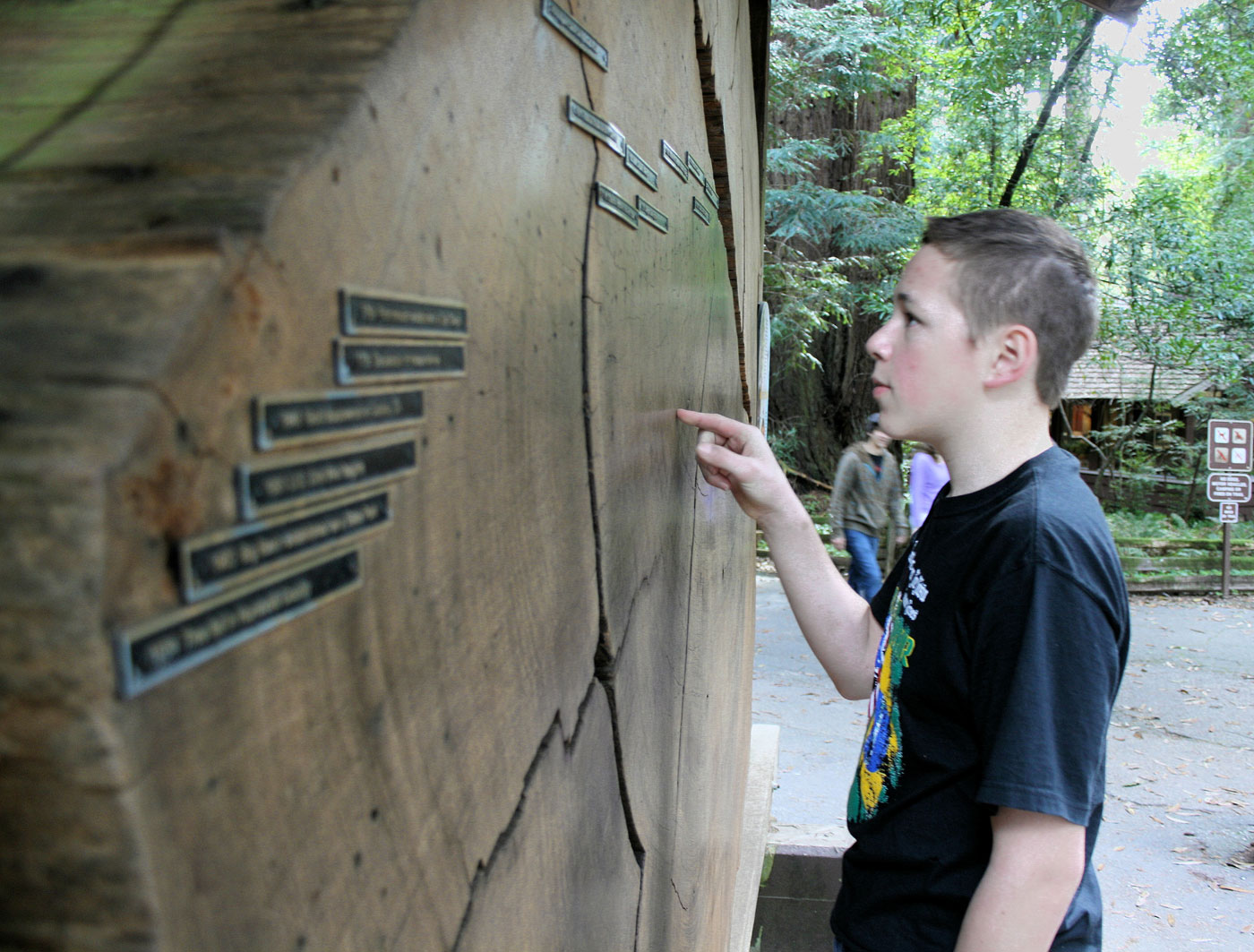
The age of these magnificent trees is typically determined through dendrochronology, the scientific method of dating tree rings. Each ring represents a year of growth, and by carefully analyzing cross-sections of fallen or sampled trees, scientists can construct a precise timeline of their lives, revealing not only their age but also historical climate patterns.
Distinguishing California’s Redwood Species
While both are often simply referred to as “Redwoods,” understanding the differences between the Coast Redwood and the Giant Sequoia enhances our appreciation for these distinct natural landmarks.
The Coast Redwood (Sequoia sempervirens) holds the title for the tallest living things on Earth. Specimens like Hyperion in Redwood National Park soar over 380 feet (115 meters) into the sky. Their needles are flat and grow in sprays, and their bark is a deep, reddish-brown, fibrous, and incredibly thick. They thrive in the high humidity and fog of the coastal environment.
The Giant Sequoia (Sequoiadendron giganteum), while not as tall as the Coast Redwood, is the most massive tree on Earth by volume. Trees like the General Sherman Tree in Sequoia National Park (a separate entity from the coastal parks, though part of the greater redwood ecosystem) boast trunks that are mind-bogglingly wide. Their needles are scale-like, resembling cedar, and their bark is also thick and reddish but often more furrowed and spongy. They are adapted to the colder, snowier winters and drier summers of the Sierra Nevada.
A third redwood species, the Dawn Redwood (Metasequoia glyptostroboides), is a deciduous tree native to China and was once thought extinct. While not native to California and not reaching the same monumental ages or sizes as its California cousins, it shares a common ancient lineage, further highlighting the deep evolutionary history of the Redwood Species.
The Secrets to Their Longevity: Why Redwoods Endure
The incredible lifespan of the Redwood Trees is not a mere accident of nature. It is the result of a remarkable combination of unique biological adaptations and specific environmental conditions that have allowed these living landmarks to defy the passage of time for millennia.
Environmental Resilience
One of the most crucial factors contributing to the longevity of Redwoods is their exceptional resilience to environmental threats.
- Fire Resistance: Both Coast Redwoods and Giant Sequoias possess incredibly thick, fibrous, and tannin-rich bark, often several feet deep at their base. This bark acts as a natural fire retardant, insulating the vital cambium layer from the intense heat of forest fires. While younger trees can be damaged, mature Redwoods often survive fires that decimate surrounding vegetation, allowing them to continue growing and dominating their ecosystems. In fact, fire can be beneficial, clearing out competing undergrowth and opening cones to release seeds.
- Pest and Disease Resistance: The high tannin content in redwood bark and heartwood also provides a powerful defense against insect infestations and fungal decay. This natural chemical compound makes the wood unpalatable or toxic to most pests and renders it resistant to the rot that typically claims other tree species. This inherent protection means Redwoods are rarely felled by disease or insect outbreaks.
- Root System and Stability: Despite their immense height, Redwoods have surprisingly shallow root systems, typically only 6 to 12 feet deep. However, these roots spread out horizontally for hundreds of feet, intertwining with the root systems of neighboring Redwoods. This interconnected network provides incredible stability, allowing them to withstand strong winds and torrential rains, preventing them from toppling over in storms.
- Climate Adaptation: The Coast Redwood thrives in the unique microclimate of California’s coastal fog belt. The consistent moisture from the fog, which condenses on their needles and drips to the forest floor, provides a steady water supply, especially during the dry summer months, preventing drought stress. Giant Sequoias, on the other hand, are adapted to the heavy snowpacks and seasonal moisture of the Sierra Nevada, relying on consistent water sources from melting snow.
A Unique Reproductive Strategy
Beyond their physical defenses, Redwoods employ a dual reproductive strategy that contributes to the longevity of their groves. They reproduce through seeds, but perhaps more remarkably, they can also reproduce asexually through basal sprouting.
When a Redwood Tree is cut down or damaged by fire, dormant buds around its base can sprout, forming new trees that are genetically identical clones of the original. These sprouts grow rapidly, drawing energy from the established root system of the parent tree. Over time, these sprouts can form a “fairy ring” around the stump, eventually growing into mature trees themselves. This ability to regenerate from a stump means that a single genetic lineage can persist for many thousands of years, even if individual stems are lost, ensuring the continuity of the grove as a living landmark across vast stretches of time.
Redwood National and State Parks: Guardians of Ancient History
Recognizing the unparalleled ecological and historical significance of these colossal trees, vast tracts of California’s redwood forests have been preserved within a system of protected areas. These parks serve as crucial guardians of ancient history, allowing present and future generations to witness the enduring majesty of these living landmarks.
Exploring the Ancient Groves
The heart of California’s Coast Redwood country lies primarily in Del Norte County and Humboldt County in northern California. Here, the Redwood National Park is jointly administered with three California State Parks: Jedediah Smith Redwoods State Park, Prairie Creek Redwoods State Park, and Del Norte Coast Redwoods State Park. Together, this network forms the Redwood National and State Parks, designated a UNESCO World Heritage site for its outstanding universal value.
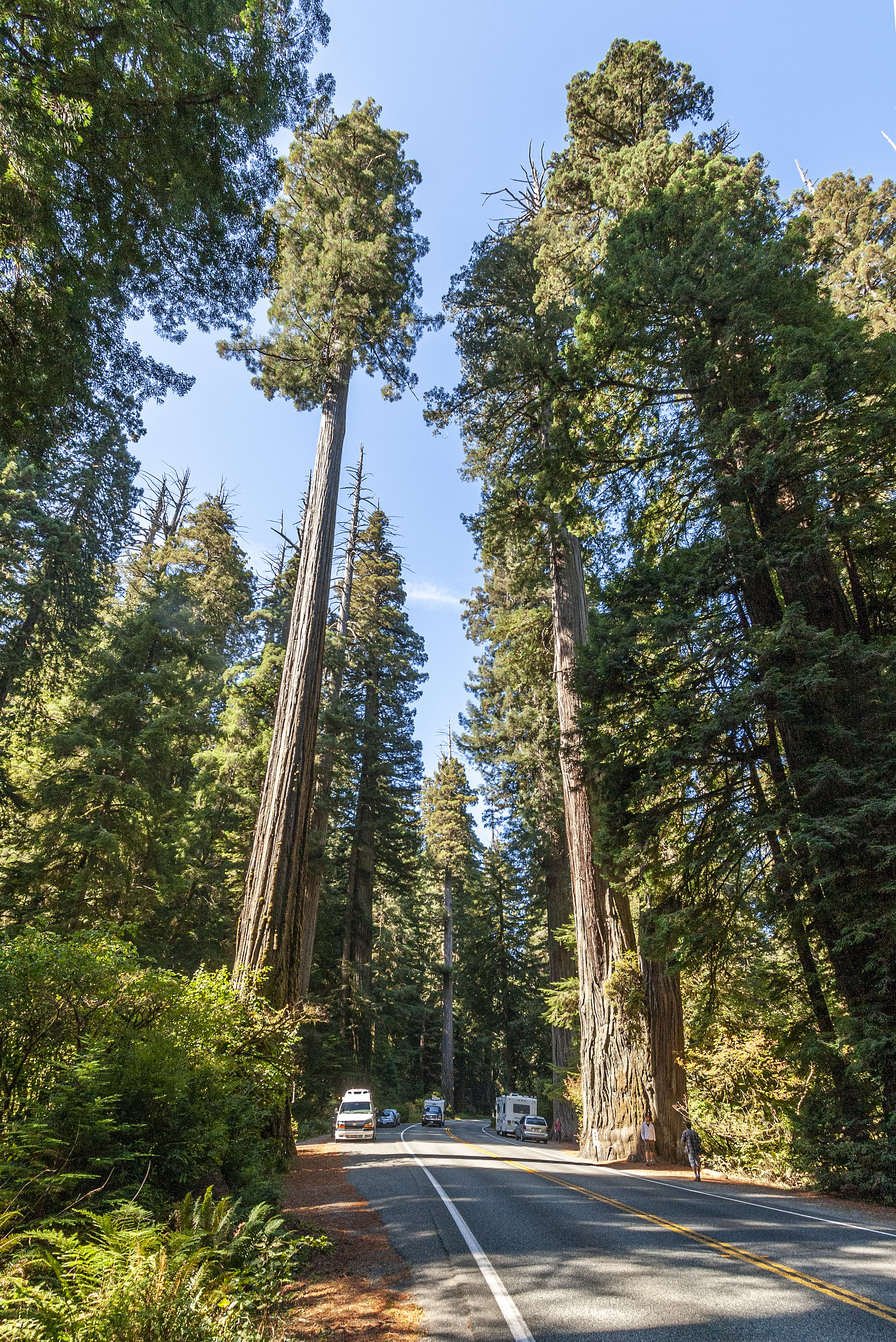
Within these parks, visitors can explore a myriad of trails leading through breathtaking ancient groves. Notable areas include the Tall Trees Grove in Redwood National Park, where the famous Hyperion tree stands, and the Stout Grove in Jedediah Smith Redwoods State Park, known for its pristine beauty. Further south, Humboldt Redwoods State Park is home to the scenic Avenue of the Giants, a historic alternative to US Route 101 that winds directly through some of the most spectacular Coast Redwood groves.
For those seeking the immense Giant Sequoias, the journey leads to the Sierra Nevada, to parks like Sequoia and Kings Canyon National Parks, where the General Sherman Tree and the General Grant Tree stand as testaments to staggering volume and age.
Walking among these giants is a deeply humbling experience. The sheer scale makes one feel small, yet connected to something ancient and enduring. The silence, broken only by birdsong or the rustle of leaves, creates a meditative atmosphere, inviting contemplation on the passage of time and the resilience of life.
Conservation Efforts and Future Generations
The protection of Redwood Trees is an ongoing saga. Decades of intensive logging significantly reduced the ancient redwood forests, with only a fraction of the original old-growth stands remaining today. The establishment of these parks, facilitated by dedicated conservationists and organizations like the Save the Redwoods League and the U.S. National Park Service, has been instrumental in preserving what remains.
Today, these organizations, along with California State Parks, continue to work tirelessly on restoration projects, acquiring private lands to expand protected areas, and educating the public about the importance of these unique ecosystems. The threats, however, persist, notably from climate change, which can alter essential fog patterns and increase the intensity of wildfires. Protecting these ancient groves ensures that future generations can also stand in awe beneath their canopy, witnessing living history.
More Than Just Trees: Living Landmarks
Beyond their impressive statistics of age and size, the Redwood Trees represent far more than simply a collection of woody plants. They are indispensable components of the natural world, holding immense ecological, cultural, and spiritual significance as truly unique living landmarks.
Ecological Significance
The ancient redwood forests are vibrant, complex ecosystems. They are not merely habitats but active participants in shaping the very environment around them.
- Carbon Sequestration: Due to their massive size and longevity, Redwoods are incredibly efficient at sequestering carbon dioxide from the atmosphere, playing a critical role in mitigating climate change. They store vast amounts of carbon in their wood and soil for millennia.
- Habitat for Unique Species: The dense canopy, rich understory, and humid conditions of redwood forests provide unique habitats for a diverse array of plant and animal life, including endangered species like the Marbled Murrelet and the Northern Spotted Owl. The canopy itself forms a unique “vertical ecosystem” where ferns, mosses, and even other trees grow, supporting an invertebrate community distinct from the forest floor.
- Water Cycle Regulation: Redwood forests play a crucial role in the local water cycle, especially the Coast Redwoods that capture and condense coastal fog. This process helps sustain stream flows during dry periods and maintains the high humidity essential for the forest’s health.
Cultural and Spiritual Impact
The majesty and ancient wisdom embodied by the Redwood Trees have profoundly impacted human culture and spirituality for centuries. Indigenous peoples of California revered these trees, integrating them into their myths and daily lives.
For modern visitors, the experience of standing among Redwoods often transcends simple sightseeing. It evokes a sense of deep time, a profound connection to nature, and an overwhelming feeling of awe. The silence, the grandeur, and the palpable sense of ancient life can be deeply moving, offering a spiritual reprieve from the hurried pace of modern life. They stand as enduring symbols of strength, resilience, and the majestic power of the natural world, inviting contemplation and inspiring a sense of stewardship for these irreplaceable natural treasures.
In conclusion, the Redwood Trees of California are far more than just old trees; they are living landmarks, repositories of thousands of years of natural history. With the oldest among them exceeding 2,000 to 3,000 years, these giants are a testament to the power of adaptation, resilience, and time itself. They are a precious heritage, demanding our respect, our protection, and our continued awe. To walk among them is to touch eternity, to witness the enduring legacy of Earth’s most magnificent and ancient inhabitants.
LifeOutOfTheBox is a participant in the Amazon Services LLC Associates Program, an affiliate advertising program designed to provide a means for sites to earn advertising fees by advertising and linking to Amazon.com. Amazon, the Amazon logo, AmazonSupply, and the AmazonSupply logo are trademarks of Amazon.com, Inc. or its affiliates. As an Amazon Associate we earn affiliate commissions from qualifying purchases.