
The decision to embark on a caregiving career in California is more than just choosing a job; it’s embracing a profound lifestyle centered on compassion, service, and making a tangible difference in the lives of others. California, known for its vibrant communities and diverse population, has a growing demand for dedicated caregivers who can provide essential support to seniors and individuals with disabilities. This dynamic state offers a rewarding environment for those passionate about helping others maintain their independence and quality of life. Becoming a professional caregiver in the Golden State involves understanding the specific requirements, navigating the certification process, and committing to continuous personal and professional development. This comprehensive guide outlines the steps, responsibilities, and opportunities awaiting aspiring caregivers in California, helping you to forge a fulfilling career path in a field that truly matters.
Understanding the Role of a Caregiver in California
Caregiving is a multifaceted profession that encompasses a wide range of responsibilities aimed at supporting an individual’s daily life and well-being. In California, caregivers play a critical role in the community, often serving as the primary source of non-medical assistance for clients in their homes. This allows individuals to age in place or manage their conditions comfortably, avoiding institutional care whenever possible.
Defining the Core Responsibilities
At its heart, caregiving involves assisting clients with activities of daily living (ADLs) and instrumental activities of daily living (IADLs). ADLs typically include personal care tasks such as bathing, dressing, grooming, toileting, and feeding. These are fundamental needs that, when compromised, significantly impact an individual’s independence. IADLs, on the other hand, are tasks related to independent living within the community. They can include meal preparation, light housekeeping, medication reminders, transportation to appointments, grocery shopping, and managing errands.
Beyond these practical tasks, a caregiver’s role often extends to providing companionship and emotional support. Loneliness and isolation can be significant challenges for many clients, and a compassionate caregiver can offer a friendly presence, engage in conversations, and participate in recreational activities. This aspect of the job can be incredibly rewarding, fostering strong bonds between caregivers and those they serve.
Types of Caregiving Roles
In California, caregiving roles can vary significantly based on the client’s needs and the setting.
- Home Care Aides (HCAs): These professionals provide non-medical personal care and assistance to clients in their private residences. They are often employed by home care agencies or hired directly by families. The majority of professional caregivers in California fall into this category.
- Certified Nursing Assistants (CNAs): While CNAs can work in home care, their primary training also qualifies them for roles in nursing homes, hospitals, and assisted living facilities, where they provide more direct medical-related care under the supervision of a registered nurse. Becoming a CNA typically involves more extensive training and a state certification exam.
- Personal Care Aides (PCAs): This term is often used interchangeably with Home Care Aides, though sometimes PCAs may have less formal training than HCAs depending on the specific agency or program requirements.
The diverse needs of California’s population, from the bustling urban centers like Los Angeles and San Francisco to the more suburban and rural areas, mean that there is a constant demand for qualified individuals across all these caregiving categories.
Essential Requirements and Qualifications
To become a professional caregiver in California, aspiring individuals must meet specific state-mandated requirements designed to ensure client safety and quality of care. While the exact criteria can vary slightly depending on the employer or the specific caregiving role, several core qualifications are universally expected.
Age and Education
Generally, caregivers must be at least 18 years old. While a college degree is not typically required for most home care aide positions, a high school diploma or GED equivalent is often preferred by agencies. Crucially, caregivers must possess strong communication skills, both verbal and written, to effectively interact with clients, their families, and other healthcare professionals. The ability to read, understand, and follow care plans, as well as to document observations accurately, is paramount.
Background Checks and Health Screenings
Given the vulnerable nature of the population served, a thorough background check is a non-negotiable requirement in California. All individuals seeking to work as home care aides must undergo a criminal background check through the California Department of Social Services (CDSS). This typically involves fingerprinting (Live Scan) and screening against state and federal criminal databases. A clean record is essential for registration and employment.
Additionally, caregivers are usually required to pass a health screening, which may include a physical examination, tuberculosis (TB) test, and sometimes drug screenings. This ensures that caregivers are physically capable of performing the job’s demands and do not pose a health risk to their clients.
Essential Skills and Personal Attributes
Beyond formal qualifications, successful caregivers possess a unique blend of soft skills and personal attributes. Empathy, patience, and compassion are foundational. Caregivers often work with individuals facing physical or cognitive challenges, requiring immense understanding and resilience. Reliability and punctuality are also vital, as clients depend on their caregivers for consistent support. Good observational skills are critical for noticing changes in a client’s condition or environment, allowing for timely intervention if needed. Adaptability is another key trait, as care plans and client needs can evolve rapidly. Finally, a strong sense of professionalism and ethical conduct is expected in all interactions.
Navigating the Certification Process
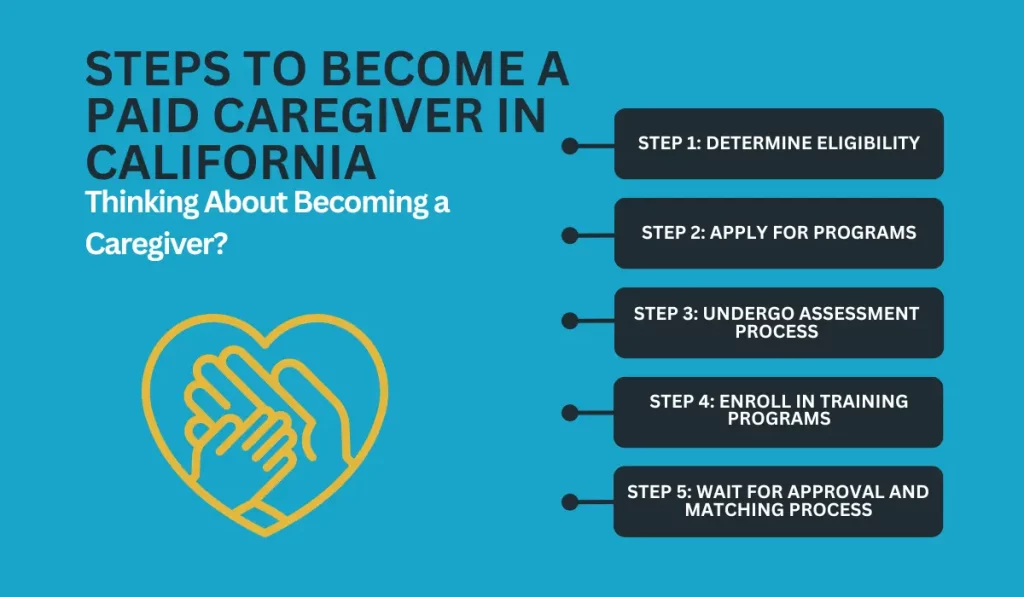
In California, the process for becoming a registered Home Care Aide (HCA) is regulated by the California Department of Social Services (CDSS) to ensure a standardized level of safety and competence within the home care industry. This involves specific registration and training mandates.
Home Care Aide (HCA) Registration
Before an individual can legally provide non-medical home care services in California through a licensed home care organization, they must register with the Home Care Aide Registry. This registration process includes:
- Application Submission: Completing an online application through the CDSS website.
- Fingerprinting and Background Check: Undergoing a Live Scan fingerprinting process, which submits your fingerprints to the California Department of Justice and the FBI for a criminal background check.
- Orientation and Training: Completing an initial 10 hours of training before client contact, followed by 5 additional hours annually. This training covers essential topics such as client rights, emergency procedures, infection control, and personal care techniques.

Once approved, your name will be added to the Home Care Aide Registry, publicly accessible, confirming your eligibility to work. This registration must be renewed every two years.
Training and Certification Beyond HCA
While HCA registration is mandatory for those working through licensed agencies, additional certifications can enhance a caregiver’s skills and career prospects.
- CPR and First Aid Certification: This is often a mandatory requirement for employment with many agencies. Courses offered by reputable organizations like the American Heart Association or the Red Cross provide critical life-saving skills.
- Specialized Training: Caregivers can pursue specialized training in areas such as dementia care, hospice care, palliative care, or assisting clients with specific medical conditions (e.g., diabetes, Parkinson’s). These specialized skills not only improve client outcomes but also make caregivers more marketable and can lead to higher-paying opportunities.
- Certified Nursing Assistant (CNA) Program: For those looking to expand their scope to medical support, enrolling in a CNA program is a significant step. These programs are more intensive, typically involving at least 100 hours of training and clinical practice, culminating in a state certification exam. A CNA certification opens doors to a broader range of healthcare settings.
Investing in continuous learning and acquiring additional certifications demonstrates a commitment to professional growth and provides caregivers with the expertise to handle diverse client needs effectively.
Finding Employment and Building Your Career
Once you’ve met the necessary requirements and completed your HCA registration, the next step is to secure employment and begin building your career as a caregiver in California. The job market for caregivers in the state is robust, offering numerous avenues for employment and opportunities for professional advancement.
Job Search Strategies
Several effective strategies can help you land your first caregiving role:
- Home Care Agencies: The most common path for new caregivers is to apply to licensed home care agencies. These agencies typically handle client matching, scheduling, payroll, and provide ongoing support and training. Major metropolitan areas like Los Angeles, San Diego, Sacramento, and Oakland are home to numerous agencies, offering a wide array of opportunities. Researching reputable agencies in your desired geographical area, such as Compassionate Care Agency or Golden Heart Home Care, can be a good starting point.
- Online Job Boards: Websites like Indeed, Glassdoor, and specific caregiving job platforms frequently list openings for home care aides. Filtering by location and specific qualifications can help you find relevant positions quickly.
- Direct Hire by Families: Some families prefer to hire caregivers directly. While this offers more flexibility, it also means you are responsible for negotiating pay, managing taxes, and ensuring you have appropriate liability insurance. Platforms dedicated to connecting families with independent caregivers can be useful for this route.
- Networking: Connecting with other caregivers, healthcare professionals, and community organizations can open doors to unadvertised positions or referrals. Attending local job fairs or community health events can also be beneficial.
When applying, ensure your resume highlights your relevant skills, training, and personal attributes. During interviews, emphasize your compassion, reliability, and commitment to providing quality care.
Continuing Education and Specialization
The field of caregiving is constantly evolving, and continuous learning is crucial for career growth.
- Advanced Training: Pursue certifications in specialized areas like Alzheimer’s and dementia care, palliative care, or working with specific medical equipment. These specializations make you a more valuable asset to agencies and clients alike.
- Professional Organizations: Joining professional associations, such as a state chapter of the National Caregiver Association, can provide access to resources, continuing education units (CEUs), and networking opportunities.
- Mentorship: Seek out experienced caregivers or supervisors who can provide guidance and support as you navigate complex situations and develop your skills.
- Career Advancement: With experience and additional training, caregivers can advance into roles such as lead caregiver, care coordinator, or even pursue a career as a Certified Nursing Assistant (CNA), Licensed Vocational Nurse (LVN), or Registered Nurse (RN). Many agencies also offer opportunities for administrative or supervisory positions to experienced and highly skilled caregivers.
By proactively engaging in professional development, you can ensure a long and rewarding career in caregiving within California’s thriving healthcare landscape.
Embracing the Caregiving Lifestyle in California
Becoming a caregiver in California is more than just securing a job; it’s an intentional choice to adopt a lifestyle defined by empathy, responsibility, and the profound satisfaction of service. The unique environment of the Golden State further shapes this experience, offering both distinct opportunities and challenges.
The Rewards of a Caregiving Career
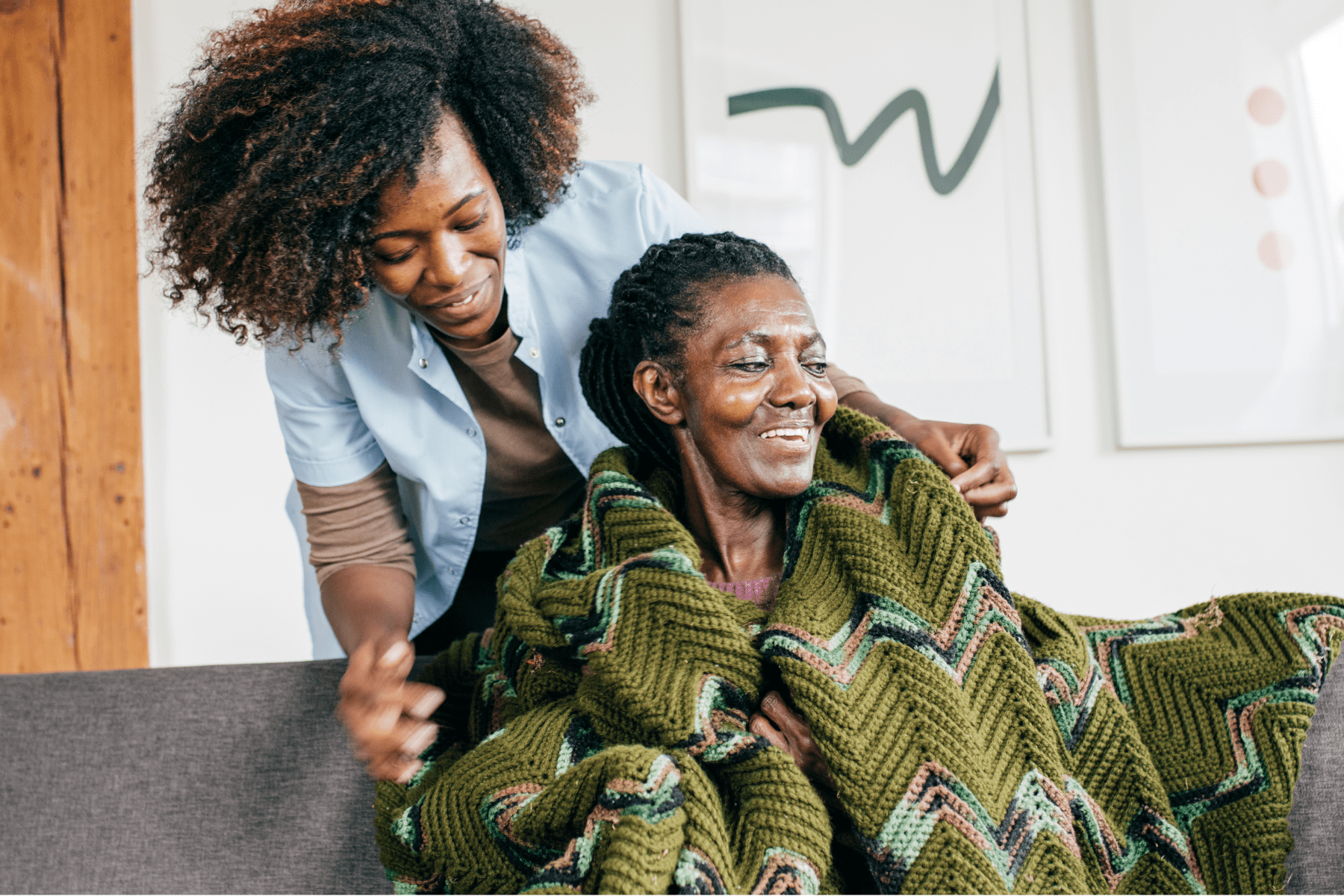
The intrinsic rewards of caregiving are immense. Witnessing the positive impact you have on a client’s daily life, seeing their comfort and happiness improve because of your efforts, is a powerful motivator. Caregivers often form deep, meaningful connections with their clients, becoming trusted companions and extensions of their families. This human connection fosters a sense of purpose and fulfillment that is hard to match in many other professions.
In California, a state known for its progressive social policies and diverse communities, caregivers are often recognized for their essential contributions. The opportunity to work in various settings, from vibrant urban centers like San Francisco and San Jose to tranquil coastal towns, allows caregivers to integrate their professional life into a lifestyle that suits them best. The flexibility offered by many caregiving roles can also be a significant benefit, allowing for work-life balance or accommodating other personal commitments.
Navigating Challenges and Self-Care
While deeply rewarding, the caregiving lifestyle is not without its challenges. It can be physically demanding, requiring strength for tasks like transferring clients or assisting with mobility. Emotionally, it can be taxing, especially when dealing with clients facing progressive illnesses or end-of-life care. Burnout is a genuine concern, highlighting the critical importance of self-care.
Caregivers in California are encouraged to prioritize their own well-being. This includes setting boundaries, taking regular breaks, engaging in hobbies outside of work, and seeking support from peers or professional organizations. Many agencies offer resources and support groups for their caregivers, recognizing the emotional toll the job can take. Maintaining a healthy diet, getting adequate sleep, and regular exercise are also fundamental to sustaining energy and resilience. The supportive communities across California, from Orange County to the Central Valley, often provide accessible parks, wellness programs, and social opportunities that caregivers can utilize for personal rejuvenation.
Contribution to the Community
Choosing the caregiving lifestyle means becoming an indispensable part of California’s broader healthcare and social support network. Your dedication enables countless individuals to live with dignity and independence, enriching not only their lives but also the fabric of the community. In a state that values innovation and compassion, your role as a caregiver stands as a testament to these core principles, shaping a better quality of life for all its residents.
Becoming a caregiver in California is a journey that requires commitment, empathy, and a dedication to service. By understanding the requirements, embracing the training, and continuously developing your skills, you can carve out a profoundly rewarding career. This profession offers a unique blend of personal fulfillment and societal contribution, allowing you to live a lifestyle defined by purpose in one of the nation’s most dynamic and diverse states.
LifeOutOfTheBox is a participant in the Amazon Services LLC Associates Program, an affiliate advertising program designed to provide a means for sites to earn advertising fees by advertising and linking to Amazon.com. Amazon, the Amazon logo, AmazonSupply, and the AmazonSupply logo are trademarks of Amazon.com, Inc. or its affiliates. As an Amazon Associate we earn affiliate commissions from qualifying purchases.