
Purchasing a home in California is an aspiration for many, a dream fueled by the state’s unparalleled beauty, diverse opportunities, and vibrant lifestyle. From the sun-kissed beaches of Southern California to the tech hubs of the Bay Area and the agricultural heartland of the Central Valley, the Golden State offers a myriad of choices for prospective homeowners. However, entering the California housing market, known for its competitiveness and unique dynamics, requires careful preparation, strategic planning, and a clear understanding of the process. This comprehensive guide aims to demystify homeownership in California, providing essential insights and actionable steps to help you navigate this significant life investment. Whether you’re a first-time buyer or looking to relocate, understanding the intricacies of the market and the buying journey is paramount to a successful acquisition.

Understanding the California Real Estate Market
The California real estate market is notoriously complex, influenced by a unique confluence of economic factors, population growth, geographical constraints, and lifestyle desires. A deep dive into its characteristics is the first crucial step for any prospective buyer.
Market Dynamics and Regional Variations
California’s vast geographical span means its real estate market is far from monolithic. What holds true for a property in San Francisco will likely differ dramatically from one in Sacramento or Riverside.
The Bay Area, encompassing cities like San Francisco, Oakland, and the Silicon Valley tech corridor, is renowned for some of the highest property values in the world, driven by a robust tech economy and limited housing supply. Here, bidding wars are common, and properties often sell significantly above asking price.
Southern California, including major metropolitan areas such as Los Angeles and San Diego, also commands premium prices, albeit with slightly more diverse options ranging from coastal luxury to suburban family homes. Demand is consistently high due to population density, strong job markets, and desirable climate.
Conversely, regions like the Central Valley (e.g., Fresno, Bakersfield) offer more affordable housing options, attracting buyers priced out of coastal markets. These areas typically provide greater space, newer construction, and a lower cost of living, though job opportunities might be different. Understanding these regional nuances is vital for setting realistic expectations and targeting the right locations.
Supply and Demand Challenges
A persistent theme across much of California is the imbalance between housing supply and demand. Stringent zoning regulations, high construction costs, environmental considerations, and a generally slow permitting process contribute to a limited inventory of new homes. This scarcity, coupled with steady population growth and strong buyer interest, naturally drives up prices. In many desirable areas, buyers often face multiple offers and intense competition, necessitating swift decision-making and strong financial backing. The limited availability of properties, particularly single-family homes, is a fundamental driver of the state’s elevated housing costs.
The Impact of Interest Rates
Interest rates play a pivotal role in housing affordability. When rates are low, borrowing becomes cheaper, increasing purchasing power and often stimulating demand, which can further inflate prices. Conversely, rising interest rates can cool down the market by making mortgages more expensive, thereby reducing affordability and potentially leading to a stabilization or slight decrease in home values. Prospective buyers must closely monitor interest rate trends and understand how they impact their overall budget and monthly mortgage payments. A small fluctuation in rates can translate to significant differences over the life of a loan.
Financial Planning and Mortgage Essentials
Before even beginning your home search, a robust financial plan is indispensable. Understanding your budget, creditworthiness, and mortgage options will empower you to make informed decisions and present a strong offer.
Assessing Your Budget and Affordability
Your first step is to realistically assess what you can afford. This involves a thorough review of your income, existing debts, savings, and monthly expenses. Lenders typically look at your debt-to-income (DTI) ratio, ensuring your total monthly debt payments (including your prospective mortgage) do not exceed a certain percentage of your gross monthly income. Be sure to factor in not just the mortgage principal and interest, but also property taxes, homeowner’s insurance, potential homeowners’ association (HOA) fees, and anticipated maintenance costs. A common rule of thumb is the 28/36 rule, suggesting that housing costs shouldn’t exceed 28% of your gross monthly income, and total debt shouldn’t exceed 36%. However, in high-cost areas like California, these ratios might be stretched, requiring careful consideration.
Understanding Mortgage Types
Various mortgage products are available, each with distinct features designed for different buyer profiles.
- Conventional Loans: These are not insured or guaranteed by a government agency. They often require a good credit score and a down payment of at least 3-5%, though 20% is ideal to avoid private mortgage insurance (PMI).
- FHA Loans: Backed by the Federal Housing Administration, these loans are popular among first-time homebuyers due to their lower credit score requirements and down payments as low as 3.5%. However, they require mortgage insurance premiums (MIP) for the life of the loan.
- VA Loans: Offered to eligible veterans, service members, and their spouses by the U.S. Department of Veterans Affairs, these loans often feature no down payment, competitive interest rates, and no PMI.
- Jumbo Loans: For properties exceeding conventional loan limits (which are significantly higher in high-cost areas of California), jumbo loans are necessary. They typically come with stricter qualification requirements.
Researching these options and discussing them with a reputable lender will help you determine the best fit for your financial situation.
The Pre-Approval Process
Obtaining a mortgage pre-approval is a non-negotiable step in the California market. A pre-approval letter from a lender indicates that you’ve been conditionally approved for a certain loan amount, based on a review of your financial information. This not only clarifies your budget but also demonstrates to sellers that you are a serious and qualified buyer, giving you a significant advantage in competitive bidding situations. It involves providing detailed financial documentation, including bank statements, pay stubs, and tax returns, allowing the lender to assess your creditworthiness and capacity to borrow.
Down Payments and Closing Costs
Saving for a substantial down payment is crucial, especially in California’s high-value market. While low down payment options exist, a larger down payment (e.g., 20% or more) can reduce your monthly payments, eliminate PMI, and make your offer more attractive to sellers.
Beyond the down payment, buyers must budget for closing costs, which typically range from 2% to 5% of the loan amount. These costs include fees for appraisal, title insurance, escrow services, loan origination, recording fees, and potentially points to lower your interest rate. Factor these significant expenses into your overall financial planning to avoid last-minute surprises.
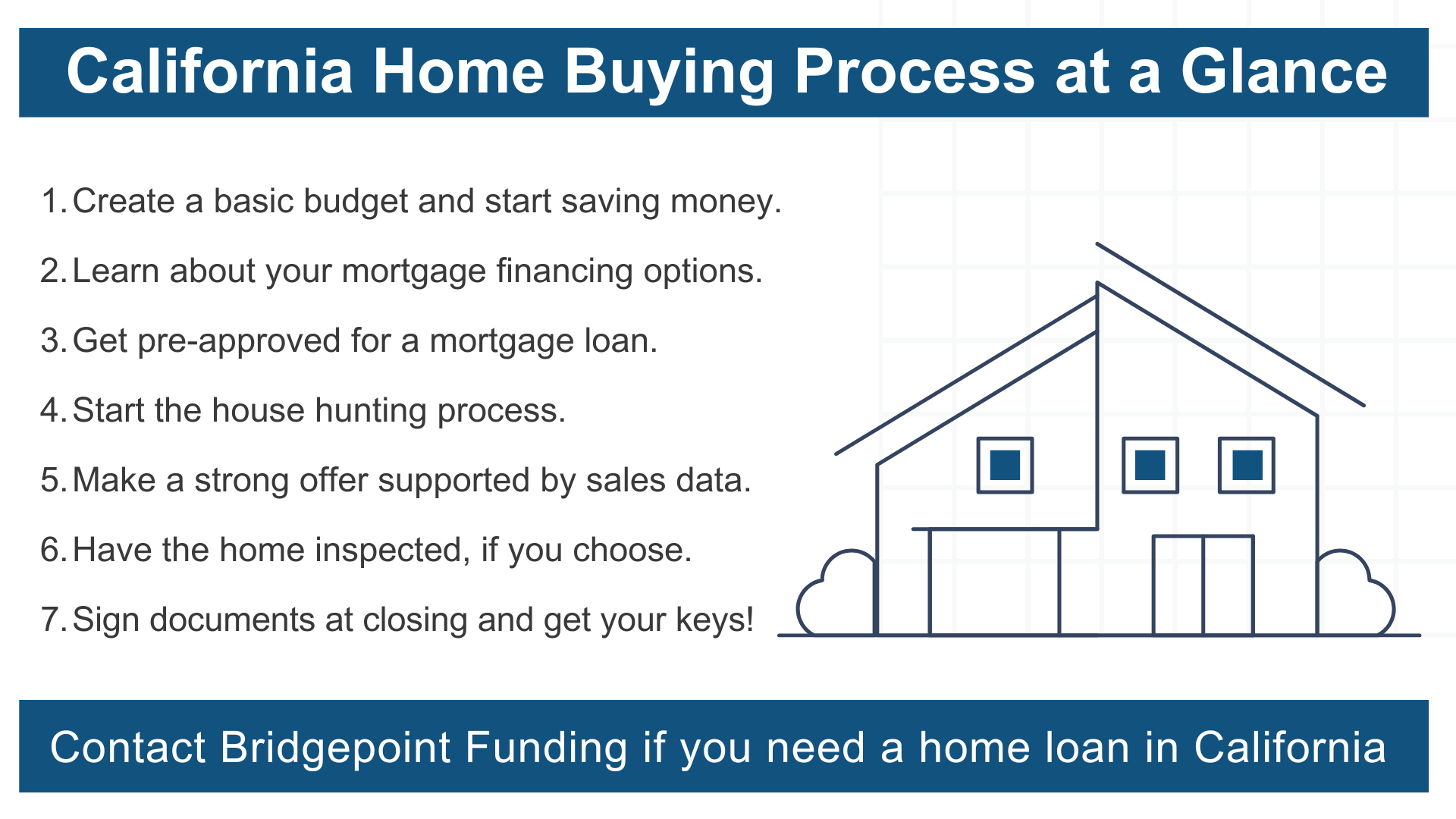
Navigating the Home Buying Process
With your finances in order, the next phase involves assembling your team, finding the right property, and conducting thorough due diligence.
Assembling Your Team
Success in the California real estate market hinges on having a strong, experienced team.
- Real Estate Agent: A local, knowledgeable real estate agent is your most valuable asset. They understand market trends, have access to listings, can advise on pricing, negotiate on your behalf, and guide you through complex paperwork. Look for someone with a proven track record in your target area.
- Lender/Mortgage Broker: As discussed, a good lender is essential for pre-approval and securing the best loan terms. A mortgage broker can shop around with multiple lenders to find you competitive rates.
- Home Inspector: Once an offer is accepted, a professional home inspector will evaluate the property’s condition, identifying potential issues with the structure, systems (electrical, plumbing, HVAC), and safety.
- Real Estate Attorney (Optional but Recommended): While not always required, an attorney can provide legal advice, review contracts, and ensure your interests are protected, especially in complex transactions.
The Home Search: What to Look For
Define your priorities: location, size, number of bedrooms/bathrooms, specific amenities, school districts, commute times, and lifestyle needs. Be realistic about what you can afford versus what you desire, especially in California’s competitive environment. Your agent will help you identify properties matching your criteria, including both active listings and potentially off-market opportunities. Be prepared to view many homes and act quickly when a suitable option arises.
Due Diligence and Property Research
Once you find a property you’re serious about, rigorous due diligence is critical.
- Review Disclosures: California has extensive disclosure requirements. Carefully review all documents provided by the seller, including the Transfer Disclosure Statement (TDS), Natural Hazard Disclosure (NHD), and any reports on past repairs, structural issues, or environmental concerns.
- Home Inspection: Never skip a professional home inspection. It’s your opportunity to uncover hidden defects or costly repairs before committing.
- Appraisal: Your lender will order an appraisal to ensure the property’s value justifies the loan amount.
- Title Search: A title company will perform a title search to verify ownership and identify any liens or encumbrances on the property.
- HOA Documents: If the property is part of a homeowners’ association, thoroughly review the HOA’s Covenants, Conditions, and Restrictions (CC&Rs), bylaws, and financial statements to understand fees, rules, and the association’s health.
Making Your Offer and Closing the Deal
This stage is where your preparation pays off, transitioning from searching to securing your new home.
Crafting a Competitive Offer
In California’s seller’s market, a well-structured and competitive offer is paramount. Your agent will help you determine an appropriate offer price based on comparable sales, market conditions, and the property’s unique features. Beyond price, consider other elements to strengthen your offer:
- Contingencies: These are conditions that must be met for the sale to proceed (e.g., inspection contingency, appraisal contingency, loan contingency). While protecting you, waiving some contingencies (with careful consideration and professional advice) can make your offer more attractive to a seller.
- Earnest Money Deposit: A deposit demonstrates your commitment to the purchase.
- Closing Date: A flexible or expedited closing date can also be appealing to sellers.
- Personal Letter: Sometimes, a heartfelt letter to the seller, explaining why you love their home, can make a difference in a close race, though its impact varies.
Negotiations and Counteroffers
It’s rare for an offer to be accepted without some negotiation. Be prepared for counteroffers from the seller, addressing price, contingencies, repairs, or closing timelines. Your agent’s negotiation skills will be invaluable during this back-and-forth process. Maintaining clear communication and a willingness to compromise where appropriate can lead to a successful agreement.
Escrow and Title Process
Once your offer is accepted, the transaction moves into escrow, typically managed by an independent third party (escrow officer or title company). Escrow holds all funds and documents until all conditions of the purchase agreement are met. During this period, the title company will ensure a clear title, and your lender will finalize the loan. This phase involves a lot of paperwork and coordination between all parties.
The Final Walkthrough and Closing
Before closing, conduct a final walkthrough of the property to ensure it’s in the agreed-upon condition and that any agreed-upon repairs have been completed. This is your last chance to verify everything is as expected.
Closing day is when ownership officially transfers. You’ll sign numerous documents, including the promissory note and deed of trust, and the remaining funds will be transferred. Once the deed is recorded with the county recorder, you officially receive the keys to your new California home.
Life After Purchase: What to Expect
Congratulations! You’ve successfully navigated the complex journey of buying a home in California. But homeownership is an ongoing commitment.
Property Taxes and Insurance in California
Property taxes in California are governed by Proposition 13, which limits the annual increase in assessed value to a maximum of 2% unless there’s a change of ownership or new construction. Upon purchase, your property will be reassessed to its current market value. Be aware that supplemental tax bills can be issued in the first year. Homeowner’s insurance is mandatory and protects your investment against perils like fire, theft, and natural disasters. Given California’s susceptibility to earthquakes and wildfires, specialized coverage for these events might be necessary and should be thoroughly investigated.
Maintenance and Home Ownership Responsibilities
Owning a home comes with the responsibility of maintenance. Budget for regular upkeep, potential repairs, and unexpected emergencies. This includes everything from routine landscaping and appliance servicing to roof repairs and pest control. Proactive maintenance can prevent minor issues from becoming costly problems. Understanding your home’s systems and establishing a maintenance schedule is vital for preserving its value and ensuring your comfort.

Integrating into Your New Community
Beyond the financial and structural aspects, becoming a homeowner in California means integrating into a new community. Explore local amenities, schools, parks, and cultural attractions. Engage with your neighbors, participate in local events, and become familiar with community resources. This final step transforms a house into a home and a property investment into a lifestyle enrichment.
Buying a home in California is undoubtedly a challenging but immensely rewarding endeavor. With thorough research, careful financial planning, a skilled team, and a strategic approach, your dream of California homeownership can become a reality. Embrace the journey, educate yourself at every turn, and prepare for the exciting chapter of calling the Golden State your home.
LifeOutOfTheBox is a participant in the Amazon Services LLC Associates Program, an affiliate advertising program designed to provide a means for sites to earn advertising fees by advertising and linking to Amazon.com. Amazon, the Amazon logo, AmazonSupply, and the AmazonSupply logo are trademarks of Amazon.com, Inc. or its affiliates. As an Amazon Associate we earn affiliate commissions from qualifying purchases.