
For many travelers with disabilities, the open road represents not just a journey but a gateway to independence and discovery. In the vast and diverse landscape of California, a handicap placard is an invaluable tool, transforming potential obstacles into accessible pathways. This comprehensive guide is designed for residents and visitors alike, detailing the process of acquiring a California handicap placard, thereby unlocking the state’s myriad attractions and ensuring a more seamless travel experience. Understanding the nuances of eligibility, application, and usage is the first step toward enjoying the Golden State’s stunning coastlines, vibrant cities, and serene national parks with greater ease and confidence.

Understanding the California Handicap Placard for Travelers
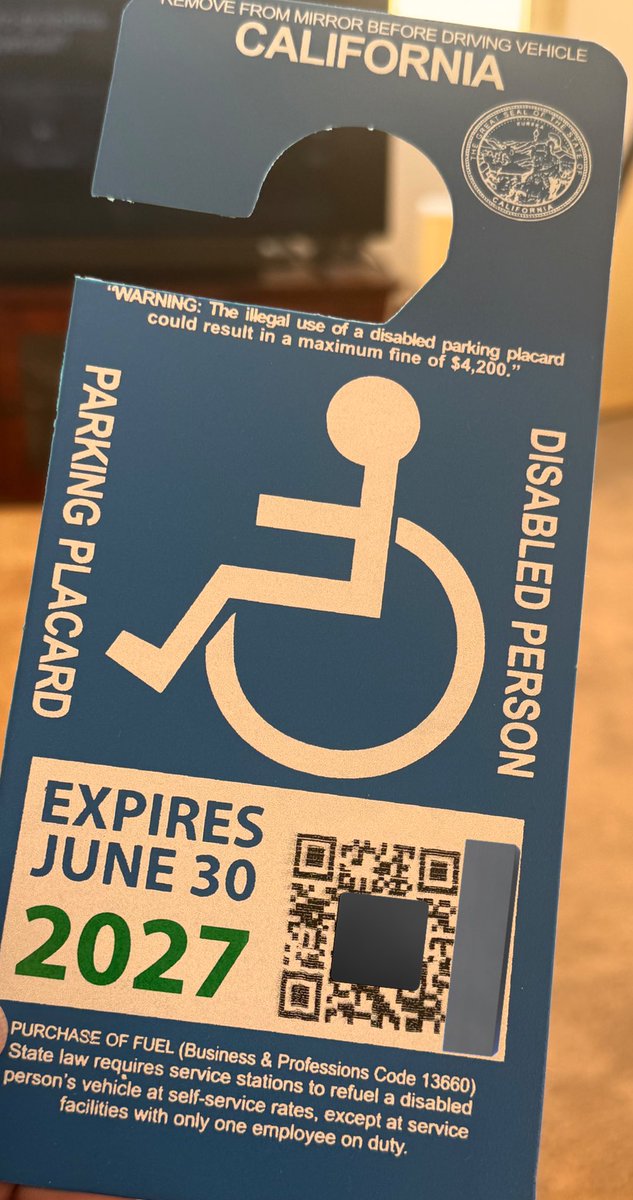
The California handicap placard, officially known as a Disabled Person (DP) Parking Placard or License Plate, is far more than a piece of plastic; it’s a key to enhanced mobility and accessibility, particularly critical for those exploring the state’s extensive offerings. For travelers, it means reduced stress and increased flexibility when visiting popular destinations, allowing them to focus on the experience rather than the logistics of parking.
What is a Handicap Placard and Why is it Essential for Travel?
A handicap placard grants special parking privileges to individuals with specific mobility limitations or medical conditions. These privileges typically include parking in designated blue-curb spaces, parking in metered spaces without charge, and exemption from time limits in certain zones. For a traveler, this translates to unparalleled convenience, especially in bustling urban centers like Los Angeles or San Francisco, where parking can be a significant challenge. Imagine visiting Disneyland or exploring the historic piers without the worry of lengthy walks from distant parking lots. The placard ensures closer access to attractions, hotels, restaurants, and other essential services, drastically improving the overall travel experience for those who need it most. It’s an assurance of accessibility, empowering travelers to explore without unnecessary physical strain or time constraints.
Who is Eligible? Defining Mobility Limitations for Travel
Eligibility for a California handicap placard is determined by specific medical conditions that significantly impair mobility. The criteria are set by the California Department of Motor Vehicles (DMV) and require certification from a licensed medical professional. Common conditions include, but are not limited to, the inability to walk without the aid of an assistive device, severe lung disease, cardiac conditions, certain neurological conditions, or the loss or impaired use of one or more limbs. The emphasis is on conditions that directly impact a person’s ability to walk a reasonable distance without great difficulty or assistance. For travelers, this means that if your condition makes navigating airports, train stations, or tourist sites challenging, you likely meet the criteria. It’s important to remember that the placard is for the individual, not the vehicle, ensuring that you have parking privileges regardless of whose car you are traveling in.
Temporary vs. Permanent Placards: Which is Right for Your Trip?
California offers both temporary and permanent handicap placards, each suited to different circumstances. Understanding the distinction is vital for travelers. A permanent placard is issued to individuals with conditions that are expected to last for an indefinite period or are permanent in nature. These placards are valid for two years and must be renewed, but generally do not require a new medical certification for renewal if the condition persists. For residents or frequent visitors with long-term conditions, the permanent placard offers continuous peace of mind.
A temporary placard, on the other hand, is designed for individuals with conditions that are expected to improve or resolve within a specific timeframe, such as recovering from surgery or a temporary injury. These placards are typically valid for a maximum of 90 days and are non-renewable. For out-of-state visitors planning a shorter trip to California who have a temporary condition, or California residents experiencing a temporary mobility issue, this option provides essential short-term accessibility. Choosing the correct type ensures that your travel needs are met without unnecessary administrative burden.
The Application Process: Your Roadmap to Accessible California Adventures
Securing a handicap placard might seem like a bureaucratic hurdle, but the process is straightforward once you understand the steps. The California DMV has streamlined the application to make it as accessible as possible, ensuring that travelers can quickly obtain the necessary permit to enhance their journeys across the state.
Step-by-Step Guide: Gathering Necessary Documentation
The application for a Disabled Person Parking Placard or Plates, form REG 195, is the core document. This form can be obtained from any California DMV office, downloaded from their official website, or requested by mail. The application has two main sections: the applicant’s information and the medical certification.
Before initiating the process, ensure you have all your personal identification details readily available. For first-time applicants, a valid California Driver’s License or Identification Card will be required. If applying for plates, you’ll also need your vehicle registration information. The key is to fill out your section accurately and legibly to avoid any delays in processing. Pay close attention to whether you are applying for a permanent or temporary placard, as this dictates the duration of the permit.
Physician’s Role: Getting Your Medical Certification
The most critical part of the application is the medical certification, which must be completed and signed by a licensed physician, surgeon, chiropractor, optometrist, or licensed advanced practice registered nurse (APRN), or a physician assistant (PA) under the direction of a physician. This professional must attest to your specific disability and certify that it meets the DMV’s criteria for a disabled person placard.
When visiting your doctor, bring the REG 195 form with you. Be prepared to discuss how your condition impacts your mobility and why a placard is necessary for your daily activities and travel. Your medical professional will fill out their designated section, including their license number, and explain the nature of your disability. This medical verification is paramount; without it, your application will not be processed. It ensures that the placards are issued to those genuinely in need, maintaining the integrity and availability of accessible parking spaces.
Submitting Your Application: Online, Mail, or In-Person at the DMV
Once both the applicant and medical professional sections of the REG 195 form are thoroughly completed, you have several options for submission:
- Mail: The most common and often most convenient method is to mail the completed form to the address specified on the DMV form. This is ideal for those who prefer not to visit a physical office.
- In-Person: You can submit your application at any California DMV field office. This option allows you to receive a temporary placard immediately (if approved) while your permanent one is being processed, which can be invaluable if you have immediate travel plans. It also provides an opportunity to ask any questions directly.
- Online (Limited): While full online submission for initial applications is often limited due to the need for a physical medical signature, the DMV website offers resources for renewals and sometimes allows for specific steps online. Always check the official California DMV website for the most current information regarding online services.
There is no fee for a permanent or temporary placard, making accessibility truly free for those who qualify. After submission, permanent placards are typically mailed within a few weeks.
Maximizing Your Travel Experience with a California Placard
With your handicap placard in hand, the diverse attractions of California become far more accessible. From urban explorations to natural wonders, the placard enhances your ability to navigate and enjoy the state’s offerings with greater freedom.
Parking Privileges: Accessing California’s Top Destinations
The primary benefit of a handicap placard is the expanded access to parking. In California, this means you can park in designated disabled parking spaces, which are strategically located for convenience at virtually every public and commercial establishment. Imagine visiting Fisherman’s Wharf in San Francisco, exploring the vibrant culture of Hollywood in Los Angeles, or marveling at the towering redwoods in Redwood National Park. With a placard, you can park closer to entrances, reducing walking distances and conserving energy for the enjoyment of the destination itself. Furthermore, in many areas, the placard allows you to park at metered spaces without paying and in green zones (short-term parking) beyond the posted time limits, offering significant cost savings and flexibility during your travels. This freedom from parking worries allows you to fully immerse yourself in the unique experiences that California offers.
Out-of-State Visitors: Using Your Placard in the Golden State
For travelers visiting California from another state or country, good news: California recognizes disabled parking placards issued by other U.S. states, territories, and countries. This means if you have a valid disabled parking permit from your home jurisdiction, you can generally use it to enjoy the same parking privileges as a California placard holder while traveling within the state. This reciprocity is a tremendous boon for accessible tourism, allowing visitors to plan their trips without the added stress of obtaining a temporary California permit. It’s always a good practice to display your out-of-state placard prominently and be familiar with the general rules of usage to avoid any misunderstandings. This seamless recognition ensures that the Golden State welcomes all visitors with the accessibility they need.
Renewing Your Placard: Ensuring Uninterrupted Travel
For permanent placard holders, renewals are necessary every two years. The California DMV usually sends a renewal notice approximately 45 days before the placard expires. Unlike the initial application, renewals for permanent placards often do not require a new medical certification unless the DMV has reason to believe your condition has changed or if you’ve previously received multiple temporary placards and are now applying for a permanent one. You can typically renew by mail or online, making the process very convenient. It’s crucial to renew promptly to avoid any lapse in parking privileges, which could disrupt future travel plans. For temporary placards, remember they are non-renewable, so if your temporary condition persists or new mobility challenges arise, a new application with updated medical certification will be required.
Important Considerations and Tips for Placard Holders
While a handicap placard offers incredible freedom, it comes with responsibilities. Understanding the rules and leveraging additional resources will ensure a smooth and respectful travel experience throughout California.
Avoiding Misuse: Understanding the Rules and Regulations
The integrity of the disabled parking program relies on its proper use. Misuse of a handicap placard carries significant penalties, including hefty fines and possible revocation of the placard. It is crucial to remember that the placard is for the use of the disabled person to whom it was issued, regardless of who is driving the vehicle. It cannot be used by a non-disabled person, even if they are running an errand for the placard holder, unless the placard holder is present in the vehicle. Lending or borrowing a placard is illegal and undermines the system designed to support those with genuine mobility challenges. Always display your placard correctly, hanging it from the rearview mirror when parked and removing it when driving to ensure visibility and prevent obstruction. Adhering to these rules ensures the continued availability of accessible parking for all who truly need it.
Lost or Stolen Placards: What to Do While Traveling
Losing a placard, especially while traveling, can be a major inconvenience. If your handicap placard is lost, stolen, or mutilated, you must immediately report it to the California DMV and apply for a replacement. You will need to complete an Application for Replacement Disabled Person Placard (REG 195) and include a statement explaining the circumstances of the loss. There is generally no fee for a replacement. While waiting for your new placard, you might experience challenges with parking, so it’s advisable to carry a copy of your application submission or proof of reporting if possible. Planning ahead, by keeping a digital copy of your placard details, can also be helpful in such situations.
Beyond the Placard: Other Accessible Travel Resources in California
While the handicap placard is a cornerstone of accessible travel, California offers a wealth of other resources for travelers with disabilities. Many of the state’s major attractions, including national parks like Yosemite National Park and Death Valley National Park, offer accessible trails, facilities, and transportation options. Public transportation systems in cities like San Diego and San Francisco are increasingly accessible, with wheelchair-friendly buses, trains, and paratransit services. Several non-profit organizations and travel agencies specialize in accessible tourism, providing tailored itineraries and support services. Websites dedicated to accessible travel often review hotels and attractions for their accessibility features, offering invaluable insights for planning your trip. Combining the convenience of your placard with these resources can unlock an even broader spectrum of travel experiences.

The Freedom of Accessible Travel in California
Obtaining a handicap placard in California is a proactive step toward ensuring a more comfortable, convenient, and enjoyable travel experience. It minimizes the physical demands of navigating unfamiliar places, reduces parking stress, and empowers individuals with disabilities to explore the Golden State’s magnificent landscapes and vibrant cities with newfound independence. By understanding the application process, respecting the rules of usage, and leveraging the available resources, travelers can transform potential barriers into opportunities, truly embracing the freedom that accessible travel in California has to offer. Pack your bags, plan your route, and prepare to discover the unparalleled beauty and adventure that awaits you.
LifeOutOfTheBox is a participant in the Amazon Services LLC Associates Program, an affiliate advertising program designed to provide a means for sites to earn advertising fees by advertising and linking to Amazon.com. Amazon, the Amazon logo, AmazonSupply, and the AmazonSupply logo are trademarks of Amazon.com, Inc. or its affiliates. As an Amazon Associate we earn affiliate commissions from qualifying purchases.