
Yes, California is indeed one of the nine community property states in the United States. This legal designation has profound implications for individuals and couples residing in or planning to move to the Golden State, shaping everything from personal financial planning and investment strategies to long-term lifestyle choices and family dynamics. Understanding California’s community property laws is not just a matter of legal compliance, but a fundamental aspect of navigating life and building a future within its borders.
For those considering a move, contemplating marriage, or simply seeking clarity on their financial standing, the community property framework dictates how assets and debts acquired during a marriage are owned and divided. It influences decisions about purchasing homes, starting businesses, managing inheritances, and even planning for retirement, making it an essential topic for anyone interested in the lifestyle implications of living in California. This article delves into the specifics of California’s community property laws, exploring their impact on various aspects of life and offering insights into how to navigate this unique legal landscape.

Understanding Community Property in the California Lifestyle
The concept of community property is a cornerstone of California marital law, differing significantly from the equitable distribution models found in most other U.S. states. This distinction profoundly affects how married couples manage their finances, acquire assets, and even approach their shared lifestyle.
The Core Principles of Community Property
At its heart, California’s community property system posits that nearly all assets and debts acquired by a husband and wife, or registered domestic partners, during their marriage are considered “community property.” This means that each spouse owns an undivided one-half interest in these assets and debts, regardless of whose name is on the title or who earned the income. The underlying philosophy is that both spouses contribute equally to the marriage, whether through direct financial contribution, household management, or childcare, and therefore should share equally in the marital estate.
However, not everything is classified as community property. There’s a crucial distinction for “separate property,” which includes:
- Assets owned before marriage: Any property or financial assets acquired by either spouse before the marriage remains their separate property.
- Gifts or inheritances: Property received by one spouse as a gift or inheritance, even during the marriage, is considered separate property.
- Property acquired after separation: Assets and debts accumulated after the date of separation (with the intent to end the marriage) are generally considered separate property.
- Property designated as separate: Assets that spouses agree in writing to keep separate, typically through a prenuptial or postnuptial agreement.
The income generated from separate property can become a complex area. Generally, the income and appreciation of separate property remain separate property. However, if community efforts or funds significantly contribute to the appreciation of separate property, a community interest might be established. This intricate detail often becomes a point of contention in divorces, highlighting the need for clear documentation and understanding.
How it Differs from Common Law States
To fully appreciate California’s approach, it’s helpful to contrast it with common law (or equitable distribution) states, which make up the majority of the U.S. In common law states, assets are generally owned by the spouse who acquired them or whose name is on the title. In the event of divorce, these assets are divided “equitably,” meaning fairly, but not necessarily equally. A court will consider various factors, such as each spouse’s income, earning capacity, contributions to the marriage (both financial and non-financial), and health, to determine a just division.
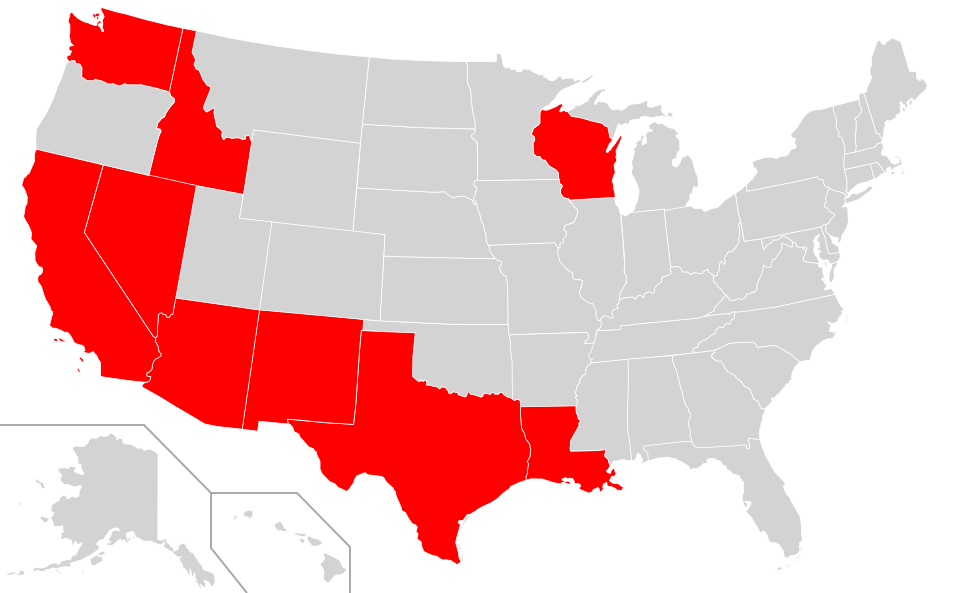
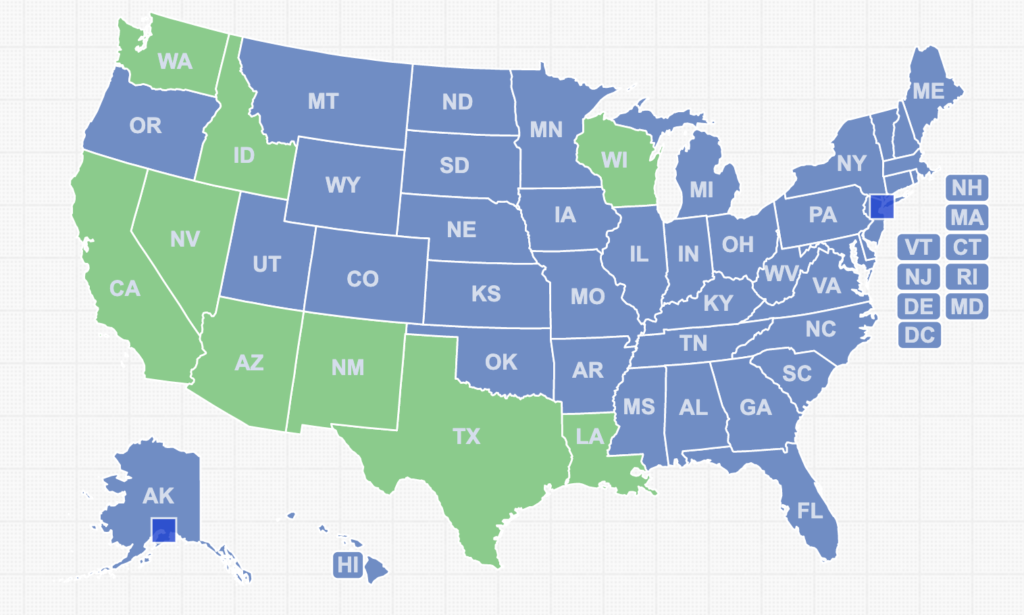
The key difference lies in the default assumption. In California and other community property states like Arizona, Idaho, Louisiana, Nevada, New Mexico, Texas, Washington, and Wisconsin, there’s a presumption of 50/50 ownership of all marital property. This simplifies some aspects while adding complexity to others, particularly in tracing assets and managing commingled funds. For a couple planning their life in California, this fundamental difference permeates their entire financial and lifestyle planning, necessitating a proactive approach to understanding their rights and obligations.
Navigating Marital Finances and Lifestyle Choices
The community property framework in California isn’t just a legal abstraction; it’s a practical guide that influences everyday financial decisions and long-term lifestyle planning for married couples. From buying a home to investing in a business, these laws shape how couples build their shared future.
Impact on Asset Acquisition and Ownership
For married individuals in California, every significant purchase made during the marriage, be it a car, a piece of art, or a substantial investment portfolio, is generally considered community property. This means both spouses hold an equal, undivided interest in these assets, regardless of who made the purchase or whose income primarily funded it. This reality impacts everything from securing loans (where both spouses’ credit and income are often considered) to making joint investment decisions.
This equal ownership can foster a strong sense of partnership and shared financial goals within a marriage, aligning both parties’ interests in growing their collective wealth. For couples dreaming of a specific lifestyle, perhaps one involving property investments or entrepreneurial ventures, understanding that these endeavors contribute to a shared marital estate can be highly motivating. However, it also means that decisions regarding these assets typically require mutual consent, emphasizing communication and joint financial planning as crucial elements of a successful California lifestyle.
Implications for Debt and Financial Obligations
Just as assets are shared, so too are debts acquired during the marriage. This can have significant lifestyle implications, as both spouses are generally held equally responsible for community debts, even if only one spouse incurred them. This includes credit card debt, car loans, mortgages, and even certain student loans taken out during the marriage. This principle underscores the importance of transparency and careful consideration in managing shared finances.
For couples, this means adopting a collaborative approach to budgeting and debt management. A spouse’s spending habits or financial missteps can directly impact the other, affecting their credit score, borrowing capacity, and overall financial well-being. This shared responsibility can reinforce a lifestyle of joint financial accountability, encouraging open discussions about spending, savings, and future financial goals. It also highlights the need for due diligence when considering a spouse’s existing debts or when one spouse takes on new financial obligations.
Pre-Marital Agreements and Lifestyle Planning
Given the implications of community property laws, many couples in California opt for pre-marital (prenuptial) or post-marital agreements as part of their lifestyle planning. These legal documents allow couples to define how their assets and debts will be classified and divided, overriding the default community property rules. For individuals entering marriage with significant separate assets, family inheritances, or established businesses, a prenuptial agreement can be a vital tool for protecting their separate property and ensuring their financial autonomy.
Such agreements are not just about protecting wealth; they are also about fostering clarity and preventing future disputes, thereby supporting a more stable and predictable lifestyle within the marriage. They can clarify financial expectations, delineate responsibilities, and even outline provisions for specific lifestyle choices, such as career breaks or joint ventures. For those relocating to California from common law states, where financial understandings might have been different, a prenuptial agreement can provide an essential bridge, offering peace of mind and a clear financial roadmap for their new life in the state.
Community Property and Long-Term Living in California
The impact of California’s community property laws extends far beyond daily financial transactions, profoundly influencing long-term living arrangements, significant investments like real estate, and even the legacy couples leave behind. For those envisioning a life rooted in [California](https://lifeoutofthebox.com/california], understanding these implications is key to successful long-term planning.
Real Estate and Property Ownership
For many, owning a home in California is a significant lifestyle goal. Under community property laws, any real estate purchased during the marriage is typically considered community property, regardless of who earned the money for the down payment or whose name appears on the deed. This means both spouses have an equal ownership interest, impacting decisions about refinancing, selling, or even making substantial improvements.
Even if a home was purchased by one spouse before marriage (making it separate property), community funds used for mortgage payments, property taxes, or improvements during the marriage can create a “community interest” in that separate property. This can lead to complex calculations upon divorce to determine the respective contributions and interests. Therefore, when purchasing or managing real estate in California, married couples must be acutely aware of how these laws affect their long-term equity and future plans. This often necessitates meticulous record-keeping and potentially legal advice to navigate complex scenarios, especially when separate funds are commingled with community funds.
Business Ventures and Entrepreneurial Lifestyles
California’s vibrant economy and culture of innovation attract many entrepreneurs. For married individuals embarking on business ventures, community property laws have critical implications. A business started or acquired during marriage is generally considered community property, meaning both spouses share an equal ownership interest in the business, its assets, and its profits. This can be beneficial for a spouse who supports the entrepreneurial journey, as they are legally entitled to a share of its success.
However, it also means that business decisions, especially those affecting significant assets or liabilities, often involve both spouses. Furthermore, if a business was established before marriage, but community efforts or funds (e.g., a spouse’s time, additional capital from joint savings) contributed to its growth and appreciation, the community may acquire an interest in what was initially separate property. This “transmutation” of property from separate to community, or vice versa, is a common and often complicated aspect of community property, making careful business structuring and ongoing legal consultation a key part of the entrepreneurial lifestyle in California.
Estate Planning and Legacy Considerations
The equal ownership principle of community property also significantly shapes estate planning. Upon the death of a spouse, their half of the community property can be freely willed to anyone they choose. The surviving spouse retains their half of the community property. This differs from common law states, where a surviving spouse might only be entitled to a “forced share” or “elective share” of the deceased spouse’s estate, regardless of the will.
For couples in California, this means thoughtful joint estate planning is paramount. Wills, trusts, and other estate documents must clearly delineate separate and community property to ensure assets are distributed according to their wishes and to minimize potential disputes. The way property is characterized can also have tax implications. Therefore, integrating community property considerations into a comprehensive estate plan is a crucial step for couples looking to secure their legacy and ensure their long-term lifestyle vision is carried forward for their beneficiaries.
What This Means for Your California Journey and Future
Living in California as a married individual or couple inherently means navigating the community property system. Far from being a mere legal technicality, it is an integral part of the state’s social and financial fabric, influencing everything from daily money management to monumental life decisions. Understanding its nuances is not just about avoiding potential pitfalls but about strategically planning a thriving lifestyle.
Considerations for Relocating Couples
For couples contemplating a move to California from a common law state, the transition to community property laws can present a steep learning curve. Assets acquired in a common law state might be treated differently upon relocation. [California](https://lifeoutofthebox.com/california] law has a concept called “quasi-community property,” which treats certain property acquired while residing in a common law state, that would have been community property had the couple been domiciled in California, as if it were community property for purposes of divorce or death. This is a complex area, and it underscores the importance of understanding how their existing assets will be reclassified or treated under California law. Proactive planning can prevent unforeseen complications and ensure a smoother lifestyle transition.
This transition period offers an ideal opportunity for couples to review their existing financial agreements, asset titles, and estate plans to ensure they align with California’s legal framework and their shared future goals. Whether it’s setting up new bank accounts, transferring property deeds, or updating wills, every financial decision in their new California lifestyle should be made with community property principles in mind.
Importance of Professional Guidance
Given the complexities and far-reaching impact of community property laws, seeking professional guidance is not merely advisable; it is often essential for married couples in California. Financial advisors, estate planners, and family law attorneys specializing in California law can provide invaluable insights tailored to a couple’s specific circumstances. They can help clarify the distinction between separate and community property, assist in drafting pre-marital agreements, guide through real estate transactions, and formulate comprehensive estate plans.
Engaging with these professionals ensures that couples make informed decisions that protect their assets, manage their debts effectively, and align with their desired lifestyle. It empowers them to proactively address potential challenges, minimize disputes, and confidently navigate the financial landscape of California. Ultimately, understanding and strategically responding to the question, “Is California a community property state?” is fundamental to building a secure, harmonious, and prosperous life in one of the most dynamic states in the United States.
LifeOutOfTheBox is a participant in the Amazon Services LLC Associates Program, an affiliate advertising program designed to provide a means for sites to earn advertising fees by advertising and linking to Amazon.com. Amazon, the Amazon logo, AmazonSupply, and the AmazonSupply logo are trademarks of Amazon.com, Inc. or its affiliates. As an Amazon Associate we earn affiliate commissions from qualifying purchases.