
Understanding California’s Water Sources for Travelers
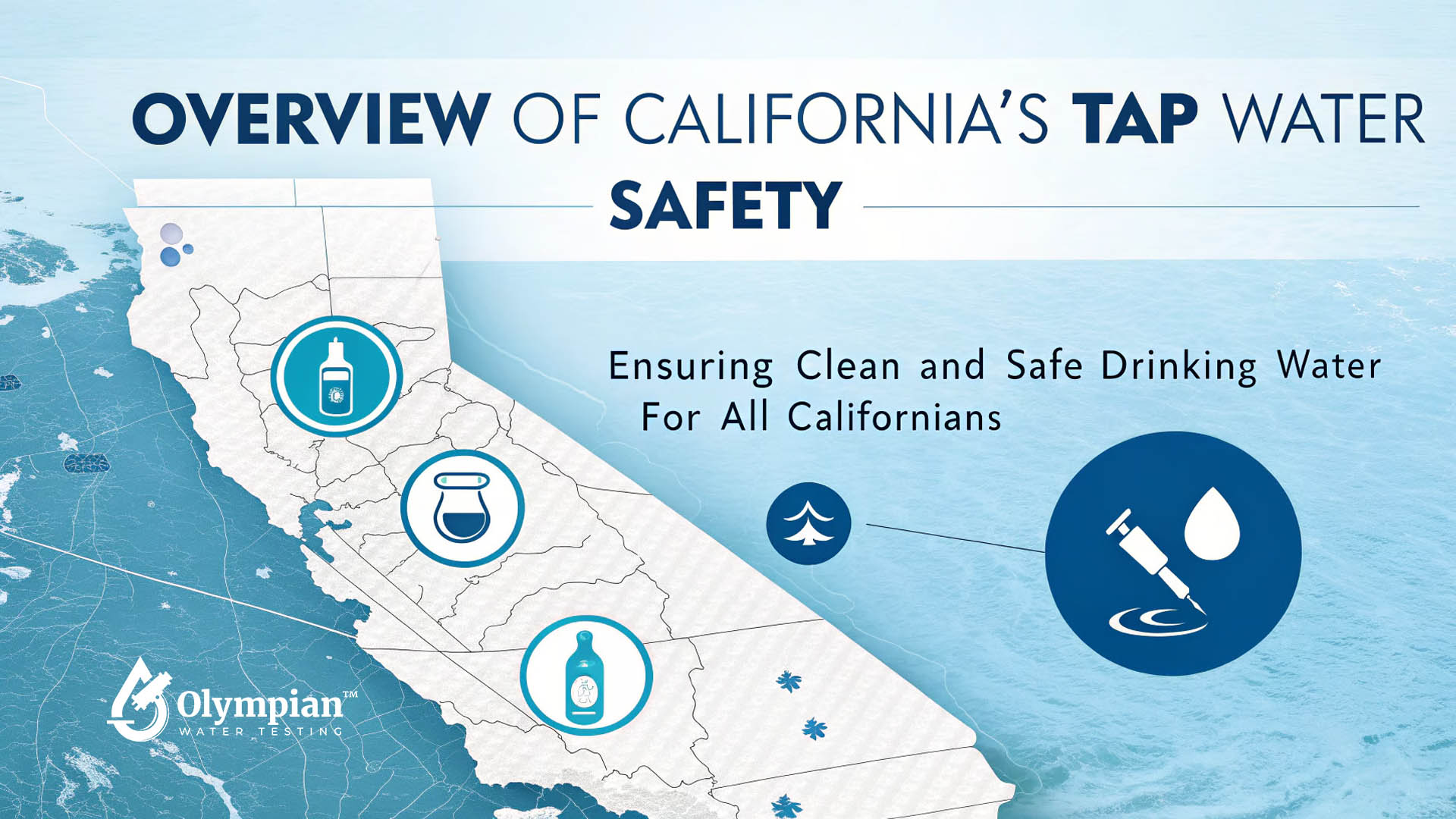
When planning a trip to the Golden State, from the bustling streets of Los Angeles to the iconic vineyards of Napa Valley, a fundamental question for any traveler often arises: “Is the water safe to drink?” This concern is particularly amplified in a state as geographically diverse and populous as California. The answer, while generally yes, is nuanced and depends on understanding where California’s water originates and how it’s treated.
California relies on a complex and sophisticated system for its water supply. The vast majority of the state’s potable water comes from two primary sources: the Sierra Nevada snowpack and the Colorado River. These natural resources are then supplemented by a network of reservoirs, groundwater basins, and desalination plants.

The Sierra Nevada Snowpack and the State Water Project
The iconic snow-capped peaks of the Sierra Nevada mountains serve as a massive natural reservoir for much of California. Winter snowfall accumulates, and as temperatures rise in the spring and summer, this snow melts, feeding rivers and streams that are then captured in vast aqueducts. The most significant of these is the State Water Project, a monumental feat of engineering that transports water thousands of miles from Northern to Southern California. Water collected from sources like the Feather River is treated at numerous water treatment facilities before being distributed to communities and, by extension, to hotels, restaurants, and public fountains across the state.
The Colorado River and Local Water Systems
Another critical source for Southern California is the Colorado River. This vital waterway, shared by seven states, is also heavily managed and diverted. Water from the Colorado River undergoes rigorous treatment processes at water treatment plants before reaching end-users. Beyond these major state-level projects, individual cities and counties in California also manage their own local water systems, drawing from groundwater wells, local reservoirs, and sometimes, increasingly, from advanced treatment technologies like recycling and desalination.
Navigating Water Safety: What Travelers Need to Know
For the average traveler, understanding the intricacies of aqueducts and treatment plants might seem overwhelming. However, the good news is that California has stringent regulations and a well-established infrastructure to ensure public water safety. The Environmental Protection Agency (EPA) sets national standards for drinking water quality, and California generally meets or exceeds these requirements.
Regulatory Oversight and Testing
The California State Water Resources Control Board oversees the state’s drinking water program, working in conjunction with local water agencies. These agencies are mandated to regularly test water quality for a wide range of contaminants, including bacteria, viruses, heavy metals, and chemical pollutants. The results of these tests are publicly available, offering transparency into the safety of local water supplies. This comprehensive regulatory framework is designed to protect public health and provide confidence in the tap water.
Traveler’s Experience: Hotels and Restaurants
When you check into a hotel in San Francisco or dine at a restaurant in San Diego, the water you are served is almost certainly safe for consumption. Hotels and food service establishments are required to adhere to the same water safety standards as residential areas. You will typically find that tap water in these establishments is clean, safe, and regularly tested. Most hotels will also provide filtered water stations or bottled water as an option for those who prefer it, though this is usually a matter of preference rather than necessity for safety.
Potential for Taste Variation
While safety is paramount, travelers might occasionally notice subtle differences in the taste of tap water from one region of California to another. This can be due to varying mineral content, different treatment processes used by local water agencies, or the source of the water. For instance, water in mountainous regions might taste different from water in coastal areas. These taste variations do not typically indicate a compromise in safety.
Addressing Common Concerns and Myths
Despite the robust water safety infrastructure in California, misconceptions and concerns can still arise, often fueled by news reports about specific water quality issues or droughts. It’s important to distinguish between localized, temporary issues and the general safety of the statewide supply.
Drought and Water Restrictions
California is no stranger to droughts, and these periods can lead to water restrictions. However, water conservation measures implemented during dry spells are aimed at preserving supply, not at compromising the quality or safety of the water that is treated and distributed. Water treatment processes remain in place to ensure that the available water remains safe for drinking.
Contaminants and Their Impact
While California has made significant strides in water quality, like any large, complex system, challenges can emerge. These might include localized issues with contaminants such as PFAS (per- and polyfluoroalkyl substances), agricultural runoff, or aging infrastructure in certain areas. However, when such issues are identified, state and federal agencies typically respond swiftly with advisories, remediation efforts, and upgrades to treatment systems. For travelers, these are rarely widespread problems that would affect typical tourist destinations.
The Role of Bottled Water
The ubiquity of bottled water in California is often driven by convenience and consumer preference, rather than an inherent lack of safety in the tap water. While bottled water offers a sterile and often taste-neutral option, it also comes with a significant environmental cost and is considerably more expensive than tap water. For most travelers, opting for tap water (or using a reusable water bottle that can be refilled from safe public fountains or hotel taps) is a perfectly safe and environmentally responsible choice.
Practical Tips for Travelers
For visitors to the Golden State, enjoying the local scenery, from the beaches of Malibu to the grandeur of Yosemite National Park, should not be overshadowed by worries about water. Here are some practical tips to ensure a worry-free experience:
Trusting Local Sources
In general, tap water in cities and towns across California is safe to drink. This includes major metropolitan areas like San Francisco, Los Angeles, San Diego, and smaller communities. Hotels, restaurants, and public facilities are supplied by regulated water systems.
Staying Hydrated on the Go
California can be a hot state, especially during summer months in inland areas and desert regions. Staying hydrated is crucial. Carry a reusable water bottle and refill it at water fountains in parks, airports, and public buildings. Many hotels offer filtered water dispensers in lobbies or rooms.
When in Doubt, Ask
If you are in a very remote area or have specific health concerns, it is always advisable to ask your hotel concierge or restaurant staff about the local water. They can provide reassurance or suggest alternatives if there are any localized concerns. However, such instances are rare within established tourist infrastructure.
Understanding Local Advisories
In the unlikely event of a localized water quality advisory affecting a specific town or neighborhood, official channels (local government websites, news outlets) will disseminate this information. These are typically temporary and address specific contaminants, with clear instructions for residents and visitors. You are unlikely to encounter these in major tourist hubs.
Consider Filters for Extended Stays
For travelers planning a longer stay, such as in a vacation rental or an extended business trip, and who have a particular sensitivity to taste or a deep-seated concern, a personal water filter or water pitcher can offer an extra layer of peace of mind. However, this is largely a matter of personal preference.
In conclusion, for the vast majority of travelers visiting California, the answer to “Is California water safe to drink?” is a resounding yes. The state’s commitment to rigorous testing, advanced treatment, and strict regulatory oversight ensures that the water flowing from taps across this diverse landscape is safe, reliable, and ready for you to enjoy as you explore its many wonders.
LifeOutOfTheBox is a participant in the Amazon Services LLC Associates Program, an affiliate advertising program designed to provide a means for sites to earn advertising fees by advertising and linking to Amazon.com. Amazon, the Amazon logo, AmazonSupply, and the AmazonSupply logo are trademarks of Amazon.com, Inc. or its affiliates. As an Amazon Associate we earn affiliate commissions from qualifying purchases.