
Navigating the intricacies of Paid Family Leave (PFL) in California can be a significant undertaking for any family. This vital program offers eligible individuals the opportunity to take time off work to bond with a new child, care for a seriously ill family member, or assist a family member called to active military duty. While the immediate benefit of PFL is the invaluable time it affords for crucial family matters, the financial implications, particularly around taxation, often raise questions. For families who embrace travel as part of their lifestyle – be it for annual vacations, weekend getaways, or even extended stays with loved ones – understanding how PFL benefits are taxed is paramount to sound financial planning. This knowledge can directly influence your travel budget, destination choices, and even the duration of your adventures.
Far from being a mere technicality, knowing the tax status of your PFL income is a cornerstone of responsible financial management, especially when plotting your next family trip to Disneyland, a serene escape to Napa Valley, or a bustling city break in San Francisco. This article delves into the taxability of California’s PFL benefits, offering insights that empower you to make informed lifestyle choices, ensuring your family’s financial stability isn’t compromised while enjoying the precious time PFL provides.
Navigating California’s Paid Family Leave Benefits and Your Travel Budget
The decision to take Paid Family Leave is often accompanied by the joy and anticipation of spending quality time with family. However, the practicalities of managing household finances and planning for future experiences, such as travel, require a clear understanding of your income during this period. California’s PFL program, while generous, is not entirely straightforward when it comes to taxation, and this directly impacts how much disposable income you truly have for lifestyle pursuits.
Understanding the Basics of California’s PFL Program
California’s PFL program is administered by the Employment Development Department (EDD) and provides partial wage replacement benefits to eligible workers. Eligibility generally requires that you are unable to work due to the need to bond with a new child (via birth, adoption, or foster care placement) or to care for a seriously ill family member (spouse, child, parent, grandparent, grandchild, sibling, or registered domestic partner). You must also have paid into the State Disability Insurance (SDI) program through payroll deductions.
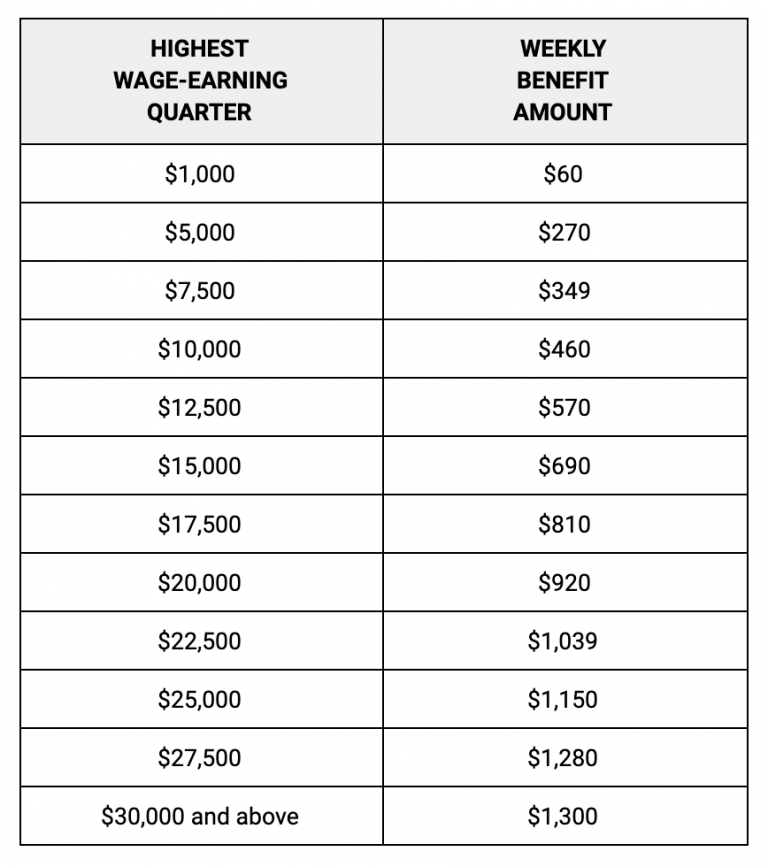
Benefits are calculated based on your earnings in a specific 12-month base period, typically replacing 60-70% of your average weekly wages, up to a maximum weekly benefit amount. While this wage replacement is designed to ease the financial burden of taking leave, it’s crucial to recognize that it may still represent a reduction in your usual income. This reduction directly influences your overall budget, including the funds available for discretionary spending like travel. For a family accustomed to regular trips to destinations like Los Angeles or San Diego, understanding this baseline income is the first step in assessing what kind of travel is feasible during or immediately after a PFL period.
The Crucial Question: Is PFL Income Taxable?
This is where many beneficiaries face confusion. The short answer, which we will elaborate on, is: yes, California PFL benefits are taxable at the federal level, but generally not at the state level in California.
The EDD issues a Form 1099-G to individuals who receive PFL benefits, which details the total amount of benefits paid to you during the calendar year. This form serves as a notification that these benefits are considered income by the Internal Revenue Service (IRS) and must be reported on your federal tax return.
The distinction between federal and state taxability is vital for anyone planning their finances. While your PFL income won’t be subject to California state income tax, the federal tax liability can significantly impact your net take-home pay. For families dreaming of a post-leave family trip, perhaps to Lake Tahoe or exploring the wonders of Yosemite National Park, failing to account for federal taxes can lead to an unexpected tax bill, potentially shrinking your travel fund or necessitating a reassessment of your vacation plans. Proactive budgeting that incorporates this tax reality is key to maintaining financial equilibrium and ensuring your lifestyle aspirations remain within reach.
Financial Planning for Family Adventures During Paid Leave
The allure of new experiences and family bonding through travel is a powerful motivator. With careful financial planning, taking Paid Family Leave doesn’t have to mean putting your travel dreams on hold entirely. Instead, it offers an opportunity to integrate family time with thoughtful exploration, provided you account for the tax implications of your PFL benefits.
Accounting for Taxes: Federal vs. State Considerations
As established, California PFL benefits are subject to federal income tax, but not state income tax. This dual status requires a nuanced approach to financial planning. When you receive your PFL payments, the EDD typically does not withhold federal taxes. This means that you are responsible for estimating and paying these taxes yourself, either through estimated tax payments throughout the year or by adjusting your withholdings from other income sources (if applicable).
Consider a family planning a road trip along the Pacific Coast Highway from San Francisco down to San Diego. If they receive $10,000 in PFL benefits, and they are in the 12% federal tax bracket, they would owe approximately $1,200 in federal taxes on those benefits. If this amount isn’t set aside, it could eat directly into their travel budget, perhaps shortening their trip, impacting their choice of accommodations, or reducing their spending on activities and dining. This foresight allows families to confidently plan a visit to the Santa Monica Pier or explore the vibrant culture of Hollywood without the looming stress of an unexpected tax bill.
Budgeting Tips for Maximizing Your PFL Travel Potential
To truly maximize your PFL period for family adventures, consider these budgeting strategies:
- Set Aside for Federal Taxes: Immediately upon receiving PFL payments, transfer an estimated percentage (based on your expected tax bracket) into a separate savings account designated for taxes. This ensures the funds are available when tax season arrives.
- Create a Dedicated Travel Fund: While on leave, every dollar counts. Consider allocating a small portion of your net PFL benefits specifically to a “Travel Fund.” Even modest, consistent contributions can accumulate to fund a memorable family outing.
- Explore Budget-Friendly Destinations: California offers an incredible array of destinations suitable for various budgets. Instead of an international trip, consider local treasures. A weekend camping trip in a state park, a visit to a free museum in Los Angeles, or exploring the beaches of Orange County can be just as enriching and significantly more affordable.
- Travel Off-Peak: If your PFL period allows, travelling during off-peak seasons can lead to substantial savings on accommodation, flights, and attractions. This strategy is particularly effective for destinations like San Francisco, where hotel prices can fluctuate wildly.
- Leverage Loyalty Programs: If you frequently use certain airlines, hotels, or credit cards, utilize any accumulated points or miles for your family trips. This can dramatically reduce out-of-pocket expenses.
- DIY Travel: Embrace self-catering accommodations, pack picnics, and seek out free activities. A visit to the Golden Gate Bridge is free, and the views are priceless.

By diligently planning and proactively addressing tax responsibilities, families can transform their PFL experience into a period of both profound family bonding and enriching, well-planned travel.
Strategic Lifestyle Choices: Balancing Leave, Family, and Exploration
Paid Family Leave isn’t just about financial support; it’s about enabling a lifestyle that prioritizes family wellbeing and connection. Understanding the tax implications empowers individuals to make strategic choices about how they utilize their leave, whether it’s for extended family stays, local explorations, or even integrating with a flexible work-travel lifestyle.
The Impact of PFL on Extended Stays and Relocation Considerations
For many, PFL offers the invaluable opportunity to spend an extended period with a new child or an ailing family member. This extended duration can open doors to lifestyle choices that might otherwise be impossible. For instance, a new parent might choose to spend their bonding leave staying closer to their support network in a different part of California, or even temporarily relocate to assist an elderly parent. While PFL benefits are state-specific, the flexibility it provides, when coupled with careful financial management, can facilitate these longer-term stays.
Understanding the federal tax implications is crucial here. If you are temporarily living outside your primary residence during your PFL, your tax obligations remain tied to your California residency and federal status. This means you can plan for longer visits to family without the added stress of unforeseen tax burdens, freeing up mental space to truly immerse yourself in the family experience. This could involve exploring the local attractions of your temporary abode, taking advantage of nearby natural beauty, or simply enjoying the slower pace of life, knowing your financial house is in order.
Empowering Business Travelers and Digital Nomads with PFL Knowledge
The modern workforce includes a growing number of business travelers and digital nomads who often balance professional responsibilities with personal life on the go. For this group, understanding PFL taxability is particularly insightful. While PFL is explicitly for family leave, it can indirectly support a flexible lifestyle by providing a financial cushion during periods where traditional work is paused.
A business traveler might schedule PFL around an important family event, knowing they have wage replacement during that time. For digital nomads, the ability to take paid leave allows for essential family care without completely disrupting their income stream, potentially enabling them to continue their nomadic lifestyle with a temporary base to focus on family. For example, a digital nomad based in Palm Springs could take PFL to care for a sick parent, secure in the knowledge that their benefits are partially replacing their income, enabling them to focus on family without financial panic. Proper tax planning ensures that this period of leave aligns seamlessly with their broader financial and lifestyle goals, whether they aim for continuous travel or a temporary pause.
Planning Ahead: Resources and Expert Advice for PFL Beneficiaries
The journey through Paid Family Leave is a significant life event that intertwines personal family moments with crucial financial decisions. Proactive planning and seeking expert guidance are indispensable tools for ensuring both your peace of mind and your financial security, especially when your lifestyle includes a passion for travel and exploration.
Key Resources from the EDD and Beyond
The primary authority for California’s PFL program is the Employment Development Department (EDD). Their official website is a comprehensive resource for understanding eligibility requirements, application processes, benefit calculations, and general program information. The EDD also provides Form 1099-G, which is essential for federal tax reporting.
Beyond the EDD, it is highly advisable to consult with a qualified tax professional or financial advisor. While this article provides general guidance, individual circumstances can vary significantly. A tax professional can help you:
- Understand your specific federal tax liability based on your total income, deductions, and credits.
- Plan for estimated tax payments to avoid penalties.
- Integrate PFL income into your broader financial strategy, including savings for travel or other lifestyle goals.
- Address any unique situations, such as receiving other forms of income during your leave or complex family structures.
This expert advice can be invaluable, offering clarity and confidence that frees you to focus on your family without undue financial stress. Imagine planning a trip to Carmel-by-the-Sea or a wine-tasting tour through Temecula Valley knowing that your tax obligations are completely handled and understood.

Future-Proofing Your Finances for Family-Focused Living and Travel
The knowledge gained from understanding PFL taxability should be integrated into your long-term financial planning. Consider these strategies to future-proof your finances for a lifestyle that values both family time and travel:
- Build an Emergency Fund: A robust emergency fund provides a cushion for unexpected expenses, allowing you to take PFL without draining your regular savings. This fund can also serve as a buffer if your travel plans encounter unforeseen changes.
- Regularly Review Your Budget: Periodically assessing your income and expenses helps identify areas for savings that can be redirected towards a travel fund or dedicated to future PFL-related tax liabilities.
- Invest in Travel Savings: Treat travel as a regular savings goal, contributing consistently to a dedicated account. This ensures that when the opportunity for a family trip arises, you have the funds ready.
- Consider Long-Term Care and Disability Insurance: While PFL offers short-term relief, these broader insurance policies can provide more extensive financial protection for longer-term needs, further securing your family’s lifestyle.
In conclusion, understanding whether Paid Family Leave is taxable in California extends beyond mere compliance; it’s a vital component of holistic financial and lifestyle planning. By acknowledging that PFL benefits are federally taxable (though not by California state tax), families can proactively budget, mitigate potential financial surprises, and confidently plan for a future that includes both cherished family moments and enriching travel experiences. Whether it’s a first family vacation with a new baby or a supportive visit to a loved one, informed financial decisions pave the way for a more joyful and stress-free journey through life.
LifeOutOfTheBox is a participant in the Amazon Services LLC Associates Program, an affiliate advertising program designed to provide a means for sites to earn advertising fees by advertising and linking to Amazon.com. Amazon, the Amazon logo, AmazonSupply, and the AmazonSupply logo are trademarks of Amazon.com, Inc. or its affiliates. As an Amazon Associate we earn affiliate commissions from qualifying purchases.