
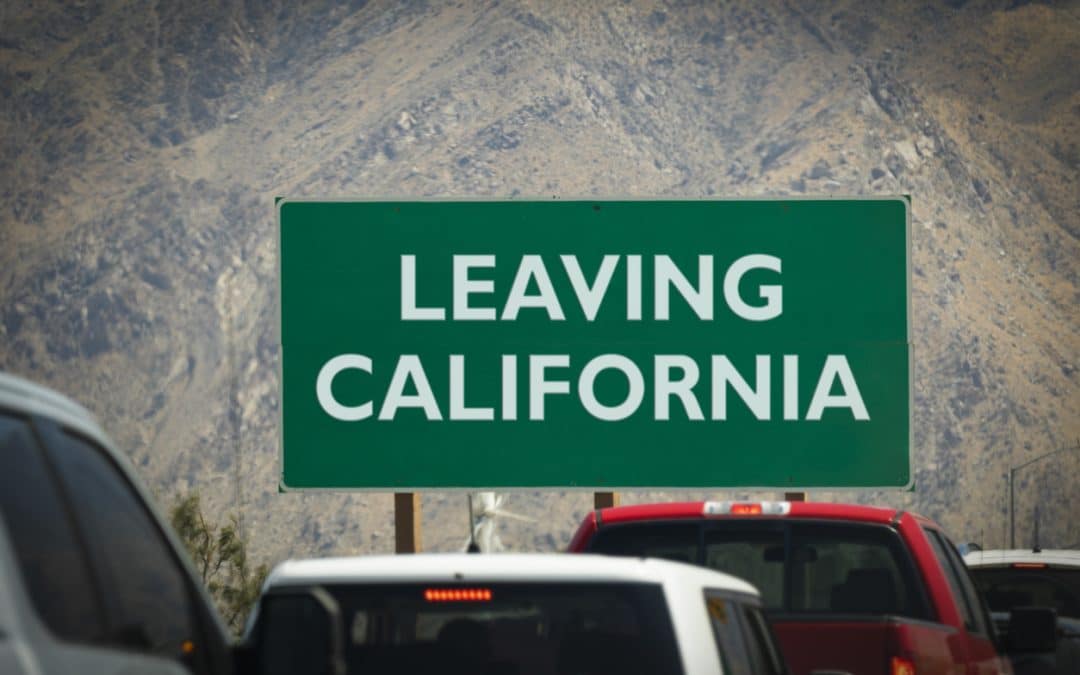
The question “Is State Farm Leaving California?” has sent ripples of concern through the golden state, touching not just homeowners and businesses, but also significantly impacting the broader lifestyle landscape, particularly for those involved in or affected by travel, tourism, and long-term stays. This isn’t merely an insurance industry headline; it’s a potential catalyst for shifts in how residents and visitors experience California, from the viability of operating a boutique hotel in Napa Valley to the cost of a long-term rental in Los Angeles. Understanding this evolving situation is crucial for anyone whose lifestyle choices intersect with California’s dynamic environment.

The Shifting Landscape of California Living and Travel
California, renowned for its diverse landscapes, vibrant cities, and an unmatched sense of freedom, has long been a magnet for dreamers, innovators, and adventurers. However, beneath the surface of its sun-drenched beaches and iconic landmarks like the Golden Gate Bridge, a complex economic and environmental reality is reshaping the cost and feasibility of living and doing business here. The insurance market, a fundamental pillar of economic stability, is at the forefront of this transformation, directly influencing lifestyle decisions across the board.
Understanding the Insurance Exodus
Recent years have seen a growing trend of major insurance carriers, including State Farm, reassessing their operations in California. While the precise statement “leaving California” might be an oversimplification, the reality is a significant reduction in new policies and, in some cases, non-renewals for existing customers. State Farm, one of the largest insurers in the nation, announced in May 2023 that it would cease accepting new applications for all business and personal lines property and casualty insurance in California. This decision was attributed to historic increases in construction costs, rapidly growing catastrophe exposure, and a challenging reinsurance market.
The primary drivers behind this “insurance exodus” are multifaceted. Wildfires, once a seasonal concern, have become an almost year-round threat, devastating communities from the foothills of the Sierra Nevada to the urban-wildland interface around Los Angeles and San Diego. These catastrophic events lead to massive claims, making risk assessment incredibly difficult and costly for insurers. Beyond wildfires, other natural disasters like mudslides and earthquakes, while less frequent in their destructive scale, add to the actuarial challenges. Furthermore, the regulatory environment in California is often cited by insurers as a barrier, making it difficult to raise premiums quickly enough to cover escalating risks and maintain profitability. This combination of environmental risk and regulatory constraints has created an unsustainable market for some players, prompting them to scale back their exposure.
What This Means for California Residents and Businesses
For California residents, the immediate impact is a shrinking pool of available and affordable insurance options. Homeowners are finding it increasingly difficult to secure coverage, sometimes facing exorbitant premiums or being relegated to the state’s FAIR Plan, an insurer of last resort that often provides less comprehensive coverage at higher costs. This directly affects the financial well-being and peace of mind of millions, making homeownership more precarious and potentially impacting property values.
For businesses, particularly those in the hospitality and travel sectors, the implications are equally profound. Hotels, resorts, short-term rental operators, and tour companies require robust property and liability insurance to operate. A tightening market means higher operational costs, which can translate into increased prices for visitors or reduced profit margins for local entrepreneurs. A small bed-and-breakfast in Carmel-by-the-Sea, for example, might face significantly higher premiums, affecting its ability to invest in guest amenities or maintain competitive pricing. This situation poses a challenge to the economic backbone of many tourism-dependent communities across the state, from the wineries of Sonoma to the ski resorts near Lake Tahoe.
Impact on Travel and Tourism Lifestyle
The decision by major insurers to limit coverage in California extends its influence far beyond property owners, reshaping the very fabric of the travel and tourism lifestyle. Both individual travelers and the businesses that cater to them are grappling with a new set of considerations that weren’t as prominent just a few years ago.
Insurance Costs and Travel Planning
For individual travelers, particularly those considering extended stays, self-guided tours, or even relocating temporarily, the changing insurance landscape in California adds a new layer of complexity to planning. While standard travel insurance policies might cover personal belongings and medical emergencies, they typically do not cover property damage for rented accommodations or provide comprehensive liability for longer-term residents. Digital nomads, for instance, who might consider a six-month stint in Santa Monica, now face the challenge of securing adequate renters’ insurance, which could be more expensive or harder to find, impacting their overall budget and lifestyle choices. Similarly, adventurers planning to explore wilderness areas like Yosemite National Park or the rugged coastline of Big Sur might find that the cost of insurance for specialized gear or vehicles increases, subtly influencing their travel itineraries or the type of experiences they pursue.
Moreover, the perception of risk can also shift travel patterns. If a destination is perceived as harder to insure or more prone to natural disasters, some travelers might opt for alternative locations, even if the actual risk to them is minimal during a short visit. This psychological impact, though difficult to quantify, is a significant component of travel behavior.
The Ripple Effect on Accommodation and Hospitality
The accommodation sector, from luxury resorts in Beverly Hills to charming guesthouses in Palm Springs, is directly hit by escalating insurance costs. For hoteliers, rising premiums cut into operational budgets, potentially leading to increased room rates or, conversely, reduced investment in amenities and services that enhance the guest experience. A hotel might choose to delay a renovation project or cut back on complimentary services to absorb higher insurance costs. This could subtly degrade the overall quality of stay, affecting California’s reputation as a premium travel destination.
Short-term rental operators, a vital part of California’s diverse accommodation offerings, face even greater challenges. Many property owners rely on policies that specifically cover short-term rental activities, which are now becoming scarce or prohibitively expensive. This could lead to a reduction in available rental properties, impacting travelers who prefer the flexibility and unique experiences offered by such accommodations. The owner of a cozy Airbnb in San Francisco might decide to convert it to a long-term rental or sell the property if insurance costs make short-term operations unsustainable, thereby shrinking options for tourists and driving up prices for those that remain. The entire ecosystem of hospitality, including tour operators, event planners, and even local restaurants that benefit from tourist footfall, feels the squeeze as operational costs climb.
Business Stays and Relocation Considerations
California remains a global hub for innovation, entertainment, and business, attracting countless professionals for corporate travel, project-based assignments, and potential relocation. The evolving insurance landscape introduces new variables for these business-centric lifestyles, influencing both corporate strategy and individual decisions.
Operating Travel Businesses in a Changing Market
For companies whose core business revolves around travel and tourism within California, navigating the current insurance market is a critical challenge. Tour companies offering excursions to iconic sites like Disneyland or wine-tasting experiences in Temecula Valley require comprehensive liability insurance. Increased premiums mean higher overheads, which can reduce competitiveness against operators in states with more stable insurance markets. Furthermore, companies specializing in adventure tourism, such as surfing lessons in Malibu or trekking guides in the Redwood National Park, might find that specialized insurance for their activities becomes incredibly expensive, potentially forcing them to scale back offerings or pass significant costs onto customers.
The impact extends to supply chain partners as well. Transportation companies, equipment rental services, and local vendors all face similar insurance pressures, which can indirectly increase the cost of doing business for tourism enterprises. This complex web of interconnected costs puts pressure on California’s tourism industry to innovate and adapt, potentially exploring new business models or niche markets to maintain profitability amidst rising operational expenses.
Long-Term Stays and Digital Nomad Lifestyle
The appeal of California for long-term stays, whether for sabbatical, remote work, or seasonal residency, is undeniable. Cities like San Diego and Santa Cruz are popular with digital nomads seeking a blend of work and lifestyle. However, securing long-term rental accommodation, which often requires renters’ insurance, is becoming a more significant hurdle. Property owners, facing their own insurance challenges, may become more stringent in their requirements or pass on additional costs to tenants, making extended stays less economically attractive.
For individuals considering a permanent move to California, the insurance situation adds a substantial item to the cost-of-living calculation. Beyond housing costs, the price and availability of home and auto insurance become critical factors in determining financial feasibility. A family planning to relocate to Orange County might find that the dream home they envisioned is suddenly out of reach due to unaffordable insurance premiums, or that their favorite coastal town is too risky to insure. This directly influences relocation decisions and impacts the lifestyle individuals can afford to maintain once they arrive. The prospect of living in a state with limited insurance options can detract from its overall appeal, prompting some to explore other destinations for their long-term lifestyle goals.
Navigating the Future: Tips for California-Bound Lifestyles
While the insurance landscape in California presents challenges, it doesn’t necessarily mean an end to the dream of experiencing or living in the state. Instead, it calls for a more informed and strategic approach to lifestyle planning, whether for a short trip or a permanent move.
Alternative Insurance Options for Travelers and Residents
For travelers, especially those planning extended stays or bringing valuable equipment, it’s crucial to research specialized travel insurance policies that might offer broader coverage for specific risks. While traditional travel insurance may suffice for short trips, long-term visitors should look into global health insurance plans that cover medical emergencies and, if necessary, explore options for personal property coverage through international providers. For those renting cars, understanding the limits of credit card insurance and considering additional coverage directly from rental agencies is advisable.
Residents facing non-renewal or high premiums from standard carriers might need to turn to the California FAIR Plan, albeit with an understanding of its limitations. Additionally, exploring independent insurance brokers who work with a wider range of smaller or specialty insurers can sometimes yield better results. Community groups and online forums can also provide valuable insights into local providers who are still actively writing policies in specific areas. The key is proactive research and a willingness to explore non-traditional options.
Strategic Planning for California Adventures
Future California adventures will benefit from enhanced strategic planning. This includes:
- Budgeting for Higher Costs: Anticipate that some costs related to accommodation, tours, and services might be higher due to increased operational expenses for businesses.
- Flexibility in Itinerary: Be aware that certain areas, particularly those in high-risk fire zones, might have limited accommodation options or increased insurance surcharges. Consider alternative destinations or be prepared for last-minute changes. For instance, while Hollywood remains accessible, a stay in a secluded forest cabin might require extra scrutiny regarding its insurance status.
- Booking Protection: For significant travel investments, ensure all bookings have clear cancellation policies and consider trip interruption/cancellation insurance that is robust enough to cover unforeseen circumstances, including those related to local operational disruptions.
- Community Engagement: For long-term residents, active participation in local community efforts aimed at wildfire mitigation and advocating for insurance reform can be crucial. Collective action can influence policy and potentially stabilize the market over time.

Beyond Insurance: The Broader Economic Impact on Lifestyle
The insurance dilemma in California is a symptom of broader economic and environmental pressures. Its implications extend to the very definition of a ” California lifestyle.” While the state continues to offer unparalleled opportunities and experiences, these are increasingly being weighed against the rising cost of living, the increasing frequency of natural disasters, and the challenges of securing fundamental services like insurance.
This situation prompts a reconsideration of what it means to live, work, and travel in a state that embodies both immense allure and significant challenges. It encourages a lifestyle of preparedness, adaptability, and resilience. For businesses, it demands innovation in risk management and a commitment to sustainable practices. For individuals, it underscores the importance of informed decision-making and robust financial planning when choosing to embrace the unique, yet complex, lifestyle that California offers. The question of “State Farm leaving California” thus becomes a potent symbol of a larger conversation about the future of a beloved, yet vulnerable, golden state.
LifeOutOfTheBox is a participant in the Amazon Services LLC Associates Program, an affiliate advertising program designed to provide a means for sites to earn advertising fees by advertising and linking to Amazon.com. Amazon, the Amazon logo, AmazonSupply, and the AmazonSupply logo are trademarks of Amazon.com, Inc. or its affiliates. As an Amazon Associate we earn affiliate commissions from qualifying purchases.