
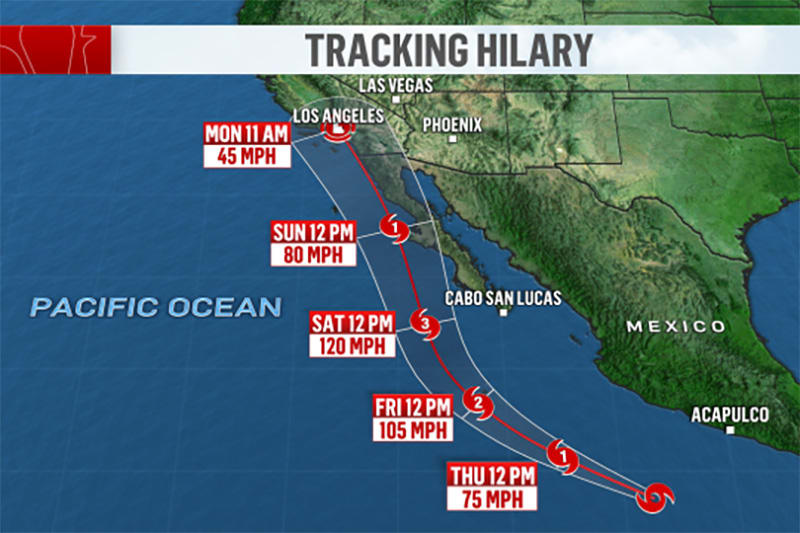
The allure of California is undeniable. From the sun-drenched beaches of San Diego to the majestic redwoods of the north, and the vibrant cityscapes of Los Angeles and San Francisco, the Golden State promises a diverse range of travel experiences. However, the question, “Is there a hurricane coming to California?” often surfaces, particularly during hurricane season in the Pacific Ocean. While direct hurricane landfalls are exceedingly rare along the California coast, the state is not entirely immune to the peripheral effects of tropical weather systems. Understanding these nuances is crucial for any traveler planning a trip, ensuring both safety and an enjoyable journey. This article delves into California’s unique meteorological profile, the actual risks posed by tropical weather, and how travelers can prepare for and navigate such events, allowing them to make informed decisions about their California adventures.
Understanding California’s Unique Weather Landscape
California is renowned for its Mediterranean climate, characterized by warm, dry summers and mild, wet winters, especially in its coastal and central regions. This distinct weather pattern is primarily influenced by the cool Pacific Ocean waters, high-pressure systems off the coast, and the topography of its mountain ranges. These factors collectively create a formidable barrier that historically deflects or weakens tropical cyclones before they can make direct landfall as hurricanes.
The Rarity of Direct Hurricane Landfalls
The conditions required for a hurricane to maintain its strength and directly hit California are extremely specific and uncommon. Tropical cyclones typically form in warmer waters, usually south of California off the coast of Mexico. As these storms track northward, they encounter progressively cooler Pacific Ocean temperatures, which quickly strip them of their energy. Furthermore, prevailing winds and ocean currents tend to steer these systems westward, away from the North American coastline. The last recorded tropical storm to make landfall in California was in 1939, and it brought significant rainfall and flooding to Long Beach and other areas. While remnants of tropical systems have impacted the state since then, a full-fledged hurricane landfall remains a historical anomaly, making it a low-probability event for travelers.
Tropical Storms and Their Inland Impact
While hurricanes might be unlikely, the remnants of tropical storms and depressions can still reach California, bringing substantial impacts. These weakened systems often carry immense moisture, leading to heavy rainfall, flash floods, and mudslides, particularly in areas prone to wildfires. The deserts of Southern California, such as the regions around Palm Springs and within Joshua Tree National Park or Death Valley National Park, are especially vulnerable to flash flooding due to their arid landscape and limited vegetation. Even inland areas, far from the coast, can experience significant weather disturbances, including strong winds and localized power outages. For travelers, this means that even if the coast is clear, inland adventures might face disruption.
El Niño and Atmospheric Rivers: Other Weather Influences
Beyond tropical systems, California’s weather is heavily influenced by phenomena like El Niño and atmospheric rivers. El Niño, a climate pattern characterized by warmer-than-average sea surface temperatures in the equatorial Pacific Ocean, can shift weather patterns globally, often leading to wetter winters for California. Atmospheric rivers are narrow corridors of concentrated moisture in the atmosphere that can transport vast amounts of water vapor from the tropics across thousands of miles. When these “rivers in the sky” make landfall, they can unleash days of continuous, heavy rainfall, leading to widespread flooding, landslides, and significant travel disruptions, particularly in the mountainous regions like those around Yosemite National Park or the Sierra Nevada range. While distinct from hurricanes, these events underscore the importance of staying informed about general weather forecasts during any California trip.
Navigating Travel During Tropical Weather Events
Planning a trip to California should always involve a degree of preparedness, but this becomes even more critical when there’s a possibility of tropical weather. The key is to be proactive, informed, and flexible, ensuring your safety and minimizing disruptions to your travel itinerary.
Prioritizing Safety: Before and During Your Trip
Before departing, always check the long-range weather forecast for your specific California destinations. If a tropical storm or its remnants are projected, reconsider non-essential travel to affected areas. If you choose to proceed, have a clear understanding of evacuation routes and emergency procedures for your accommodation. During your trip, avoid venturing into flooded areas, heed all warnings from local authorities, and if advised to evacuate, do so promptly. Having an emergency kit with essentials like water, non-perishable food, a first-aid kit, and a portable charger for your phone can be a lifesaver. Keep your vehicle’s fuel tank at least half full.
Monitoring Official Advisories and Local News
Reliable information is your best defense. Depend on official sources such as the National Hurricane Center (NHC) and the National Weather Service (NWS) for the most accurate and up-to-date weather advisories. These agencies provide detailed forecasts, warnings, and safety recommendations. Supplement this with local news channels, radio, and emergency alerts specific to the California region you’re visiting. Many local governments and county emergency services also offer opt-in alert systems that can send critical updates directly to your phone. Being informed allows you to adjust plans proactively, whether it means delaying a flight, finding alternative routes, or staying put until conditions improve.
Essential Travel Insurance Considerations
Travel insurance is an often-overlooked but vital component of responsible travel, especially when natural phenomena like tropical storms are a possibility. Before purchasing, thoroughly review the policy’s terms regarding natural disasters. Understand what events are covered (e.g., hurricane warnings, mandatory evacuations), what expenses are reimbursable (e.g., cancelled flights, accommodation changes, emergency medical care), and any waiting periods that might apply. Some policies may have exclusions for “named storms” if you purchase insurance after the storm has been identified. It’s prudent to secure comprehensive travel insurance well in advance of your trip and to verify its coverage for weather-related disruptions in California.
Impact on Popular California Destinations
The impact of tropical weather systems, even weakened ones, can vary significantly across California’s diverse landscape. Travelers should be aware of how different regions might be affected.
Coastal Regions: Beaches and Waterfronts
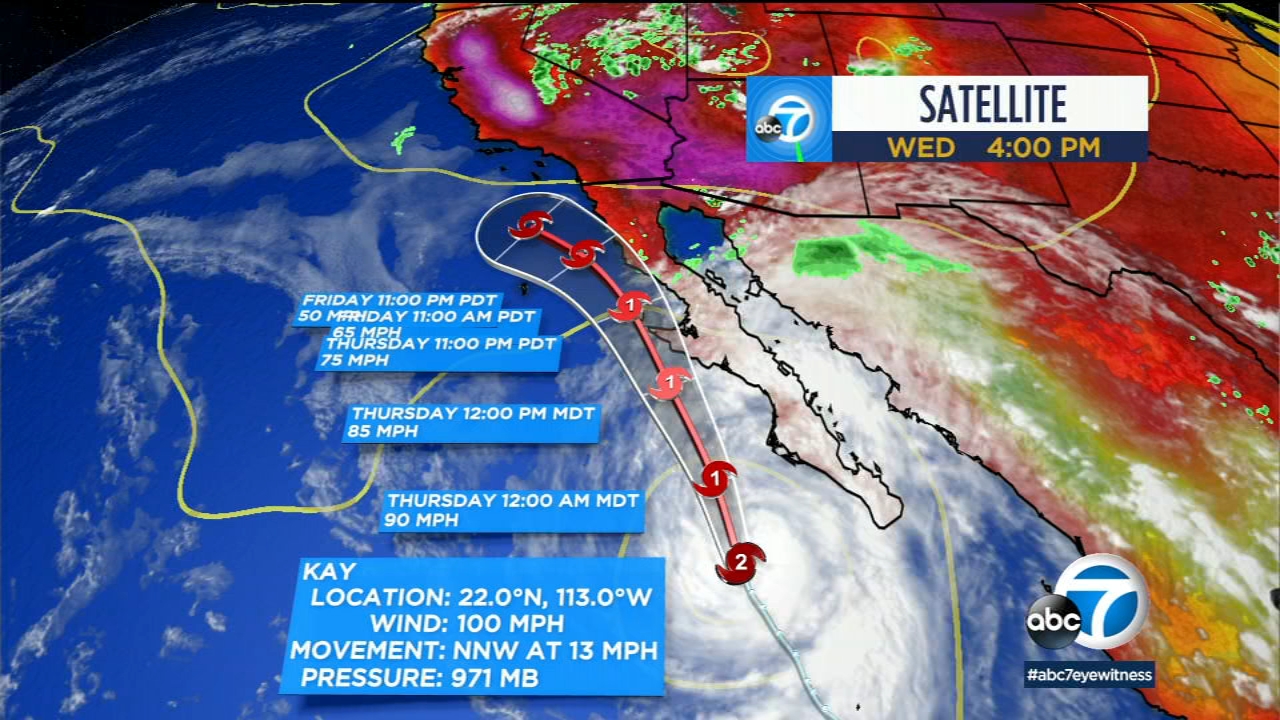
California’s iconic coastal areas, from Santa Barbara to Orange County, are often the first to feel the effects of moisture-laden tropical systems. While direct hurricane-force winds are rare, strong winds can still whip up dangerous surf conditions, rip currents, and coastal flooding. Beaches may be closed, and waterfront activities like surfing, swimming, and boating will likely be suspended for safety. Damage to piers and boardwalks is also a possibility. Travelers planning beach vacations during peak hurricane season (roughly June through November, though California sees the occasional late-season tropical storm) should monitor forecasts closely and be prepared for potential cancellations or shifts to inland activities.
Inland Cities and Valleys: Preparedness and Disruptions
Major inland cities like parts of Los Angeles, Sacramento, and various Central Valley communities, while buffered from immediate coastal impacts, can still experience significant disruption. Heavy rainfall can overwhelm urban drainage systems, leading to street flooding and traffic gridlock. Strong winds, even if not hurricane-force, can bring down trees and power lines, causing widespread outages. Travelers in these areas should be prepared for slower commutes, potential business closures, and the need to adjust their itinerary to avoid flooded roads or power-affected venues. Essential services generally remain operational, but delays are common.
National Parks and Wilderness Areas: Trail Closures and Flash Floods
California’s stunning national parks and wilderness areas, including Joshua Tree National Park, Death Valley National Park, and the vast Mojave Desert, are particularly vulnerable to the heavy rainfall associated with tropical remnants. Flash floods are a major concern in deserts and canyons, where dry streambeds can quickly become raging torrents, making hiking and backcountry travel extremely dangerous. Mudslides and rockslides can also close roads and trails in mountainous regions. Visitors planning outdoor adventures must check park conditions and alerts diligently. Park services often issue warnings or close specific areas, trails, or even entire parks during severe weather to protect visitors. Respecting these closures is paramount for your safety.
Rescheduling and Rethinking Your California Adventure
Flexibility is a traveler’s greatest asset, especially when confronted with the unpredictability of weather. If a tropical system threatens your California plans, there are several avenues to explore.
Flexibility is Key: Rebooking Flights and Accommodations
Airlines and hotels often offer waivers for rebooking or cancellation during severe weather events, especially if official travel advisories or emergency declarations are in effect. Contact your airline and accommodation providers as soon as possible to understand your options. Many travel apps and websites provide real-time updates on flight statuses and hotel availability. If you must rebook, consider adjusting your travel dates or choosing a different, less affected destination within California or a neighboring state. Having a backup plan or an alternative itinerary can save a lot of stress.
Exploring Alternative Activities and Inland Escapes
If your original coastal or outdoor adventure plans are jeopardized, consider shifting your focus to alternative activities. Many California cities boast world-class museums, art galleries, indoor entertainment venues, and culinary experiences that can be enjoyed regardless of the weather. For example, if San Diego’s beaches are closed, its extensive array of museums in Balboa Park offers a captivating alternative. If coastal flooding is a concern, consider a retreat to Napa Valley’s wine country or a spa getaway in Palm Springs, provided these areas are not also affected by heavy rains or access issues. California’s diverse geography often allows for pivots to different climate zones.
Supporting Local Businesses During Recovery
In the aftermath of a severe weather event, local communities, especially those reliant on tourism, can face significant economic challenges. If you are able to proceed with your trip or revisit at a later date, consider making an effort to support local businesses. Dining at local restaurants, shopping at independent boutiques, and engaging with local tour operators contribute directly to the community’s recovery. Even a simple act of choosing locally owned establishments can have a meaningful impact on residents and the region’s overall resilience.
Your Role as a Responsible Traveler
As visitors to California, our actions during and after a weather event are crucial, not just for our own safety but for the well-being of the communities we visit and the environment.
Respecting Local Directives and Emergency Services
When a tropical storm or its remnants affect California, local authorities and emergency services work tirelessly to ensure public safety. It is imperative that travelers respect all directives, including evacuation orders, road closures, and warnings against entering certain areas. Ignoring these instructions not only puts your life at risk but also diverts valuable resources that could be used to help others in greater need. Be patient, cooperative, and understanding.
Minimizing Your Environmental Footprint
Natural disasters can stress ecosystems. As a traveler, commit to minimizing your environmental footprint even more diligently during these times. Adhere to “Leave No Trace” principles, properly dispose of waste, and avoid disturbing fragile environments that may be recovering from flooding or wind damage. If visiting natural areas after an event, stick to designated open trails and avoid areas that appear unstable or show signs of erosion. Your responsible behavior helps California’s natural beauty rebound faster.

Staying Informed for Future Travel
The climate is changing, and while direct hurricane landfalls in California remain rare, the frequency and intensity of other weather phenomena, such as atmospheric rivers, may evolve. As you plan future trips, continue to stay informed about regional weather patterns and climate trends. Understanding the potential impacts of different seasons and conditions will enable you to make smarter travel choices, ensuring you can continue to enjoy the wonders of California safely and responsibly for years to come.
LifeOutOfTheBox is a participant in the Amazon Services LLC Associates Program, an affiliate advertising program designed to provide a means for sites to earn advertising fees by advertising and linking to Amazon.com. Amazon, the Amazon logo, AmazonSupply, and the AmazonSupply logo are trademarks of Amazon.com, Inc. or its affiliates. As an Amazon Associate we earn affiliate commissions from qualifying purchases.