
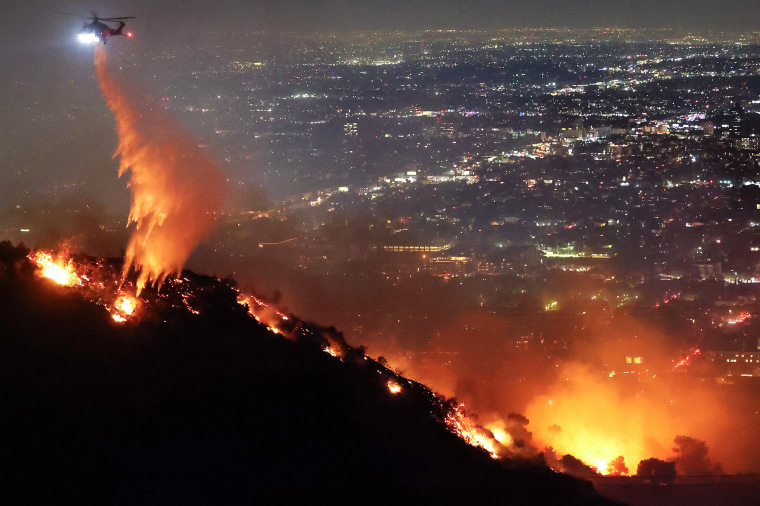
California, the Golden State, conjures images of sun-drenched beaches, towering redwoods, vibrant cities, and majestic national parks. Yet, for many prospective travelers, another image often overshadows this idyllic vision: that of wildfires. Media coverage, while crucial for informing the public, often paints a picture of a state constantly ablaze, leading many to question the safety and feasibility of a California vacation. This perception, while rooted in reality, frequently overlooks the sheer scale and diversity of the state, as well as the dynamic nature of fire events. The truth is, California remains an extraordinarily diverse and welcoming travel destination, offering myriad experiences that are largely unaffected by these localized, albeit serious, incidents. This article aims to provide an insightful, professional, and engaging guide for travelers looking to explore California, addressing concerns about wildfires and demonstrating how to plan an unforgettable, safe, and responsible trip.

Understanding California’s Wildfire Landscape for Travelers
The narrative surrounding California wildfires is complex. It’s crucial for travelers to move beyond simplified headlines and understand the actual geographic and temporal patterns of these events.
The Reality vs. Perception: California’s Vastness
California is an immense state, roughly the size of Germany, boasting an incredibly varied topography. From arid deserts to alpine peaks, expansive coastlines to dense forests, its ecosystems are remarkably diverse. When a wildfire erupts, even a significant one, it typically impacts a relatively small percentage of the state’s total land area at any given time. The perception of the entire state being “on fire” is often a misrepresentation of localized events. For instance, a fire burning in a remote forest in the Sierra Nevada Mountains might be hundreds of miles from coastal cities like San Francisco or Los Angeles, having no direct impact on urban tourism or beach activities. Travelers should remember that news reports, by their nature, highlight areas of crisis, not the vast majority of the state that remains unaffected and open for business.
Seasonal Considerations for Travel Planning
Wildfires in California are largely a seasonal phenomenon, primarily occurring during the dry season, which typically runs from late spring through late fall. Peak fire season often spans from late summer through October and November, particularly when the dry, hot Santa Ana winds sweep through Southern California, or similar offshore winds affect the north. Traveling during the wetter months (roughly December to April) significantly reduces the likelihood of encountering active fires. However, even during the dry season, many popular destinations, particularly along the coast and in major metropolitan areas, maintain a very low risk. Planning your trip with these seasonal patterns in mind can help mitigate concerns, allowing you to choose times of year when fire risk is historically lower, or to select destinations known for their resilience or distance from fire-prone wildlands.
What Areas Are Most Affected (and Which Are Not)
Generally, fires are more prevalent in wildland-urban interface areas, particularly in chaparral-covered hillsides, dense forests, and drier inland regions. Areas like the deep interior forests of Northern California or the foothills of the Sierra Nevada Mountains are naturally more susceptible. Conversely, major coastal cities like San Francisco, Los Angeles, and San Diego are generally much less affected by direct fire threats, though they can occasionally experience smoke impacts. The cool, moist air from the Pacific Ocean often acts as a natural buffer for many coastal communities. Desert regions, while hot and dry, also have unique fire dynamics, often with less dense vegetation to fuel widespread blazes. Understanding these geographical distinctions is key to informed travel planning.
Navigating Your California Travel Plans Safely
While it’s true that wildfires are a part of California’s natural landscape, proactive planning and responsible travel practices can ensure a safe and enjoyable journey.
Pre-Trip Research: Essential Resources
Before and during your trip, staying informed is paramount. Utilize official and reliable resources to monitor fire activity and air quality. The CAL FIRE incident page (CAL FIRE) provides real-time updates on active fires, containment levels, and evacuation orders. For air quality, which can be affected by smoke even far from a fire, websites like AirNow or local air quality management district sites offer current conditions and forecasts. Check road closures via the California Department of Transportation (Caltrans) website, especially if your itinerary involves scenic drives through potentially affected areas. It’s also wise to check the websites of specific national or state parks you plan to visit, as they will provide localized alerts and closure information.
Flexibility and Travel Insurance
An essential aspect of planning a trip to any destination with potential natural events is building flexibility into your itinerary. Have alternative routes or destinations in mind. If a specific area is affected by fire, smoke, or closures, being able to pivot to another part of the state can save your vacation. Travel insurance that specifically covers natural disasters can be a wise investment. Read policy details carefully to understand what is covered, including cancellations, delays, or medical emergencies related to wildfires. While not all policies are created equal, finding one that offers comprehensive coverage can provide peace of mind and financial protection.
Responsible Tourism Practices

Travelers also play a critical role in fire prevention. A significant percentage of wildfires are human-caused, often through negligence. Practice extreme caution with anything that could spark a fire, especially when in natural areas. This includes properly extinguishing campfires, never tossing cigarette butts, avoiding parking vehicles on dry grass, and refraining from using fireworks. Adhere to all local regulations, including fire bans and restrictions on campfires or open flames. By being mindful and responsible, travelers contribute to protecting California’s beautiful landscapes and communities for everyone.
Experiencing California Beyond the Headlines
Despite the challenges, California continues to offer unparalleled travel experiences, with many iconic destinations remaining vibrant and resilient.
Iconic Destinations Still Thriving
Many of California’s most beloved destinations are urban or coastal and are historically less prone to direct wildfire impact. Cities like San Francisco, with its iconic Golden Gate Bridge, historic cable cars, and diverse neighborhoods, thrive year-round. Los Angeles continues to draw visitors with Hollywood glamour, world-class museums, and beautiful beaches. San Diego offers a relaxed vibe, stunning waterfront, and family-friendly attractions. Even a classic road trip along Highway 1 through Big Sur offers breathtaking coastal vistas that are typically buffered by the Pacific Ocean and are a safe bet for travelers looking for scenic beauty. These regions are well-equipped to handle high volumes of tourists and provide a full spectrum of activities, regardless of isolated fire events elsewhere in the state.
Embracing California’s Natural Beauty Responsibly
California is home to an incredible network of national and state parks, from the majestic granite cliffs of Yosemite National Park to the ancient giants of Redwood National Park. While some parks can occasionally be affected by fires or smoke, they also boast incredible resilience. Park services are diligent in managing risks, often implementing temporary closures for safety or to allow for ecological recovery. Before visiting, always check the park’s official website for current conditions, alerts, and any fire restrictions. When permitted, enjoying activities like hiking, camping, and wildlife viewing in these pristine environments is a powerful way to connect with California’s natural heritage, always remembering to Leave No Trace and adhere to all guidelines to protect these precious landscapes.
Supporting Local Communities
Tourism plays a vital role in California’s economy, and visiting the state, especially communities that have faced adversity, can be a powerful act of support. When you spend money at local businesses, dine at restaurants, or stay in hotels, you contribute directly to the recovery and ongoing vitality of these areas. Many communities, like those in Napa Valley and Sonoma County which have experienced past fires, have demonstrated remarkable resilience and hospitality, welcoming visitors back to enjoy their world-class wines and gourmet cuisine. Choosing to travel to California is not just about personal enjoyment; it’s an opportunity to invest in the livelihoods of its residents and help rebuild and sustain the state’s vibrant culture and economy.
Planning Your Perfect California Itinerary
Crafting an itinerary for California requires a balance of aspiration and practicality. Focus on the wealth of experiences available and build in safeguards for a smooth trip.
Coastal Escapes: Year-Round Allure
For travelers particularly sensitive to wildfire concerns, focusing on California’s extensive coastline is an excellent strategy. The cool, moist air from the Pacific Ocean significantly reduces fire risk in many areas. Destinations like Santa Barbara, with its Spanish colonial architecture and wine region, or the pristine beaches and upscale communities of Orange County, offer idyllic escapes with minimal fire exposure. Even iconic coastal drives like the Pacific Coast Highway (another name for Highway 1) are generally safer bets, providing unparalleled scenic beauty without the heightened fire concerns of inland forests. These areas also boast a robust tourism infrastructure, ensuring a wide array of activities, dining, and accommodation options.
Urban Adventures: Culture and Convenience
California’s major cities offer a different kind of adventure, insulated by their urban environment. Explore the diverse culinary scene and historic neighborhoods of San Francisco, immerse yourself in the entertainment and cultural institutions of Los Angeles, or enjoy the laid-back charm of San Diego. Beyond the big three, discover the state capital of Sacramento with its Gold Rush history, or the vibrant arts and food scene of Oakland. Even the desert oasis of Palm Springs offers a unique urban-resort experience, far from typical wildfire zones. These metropolitan hubs provide rich cultural experiences, world-class dining, shopping, and entertainment, making them excellent choices for travelers seeking bustling energy over wildland immersion, especially during peak fire season.
Wine Country Rebound: Resilience and Renewal
California’s renowned wine regions, particularly Napa Valley and Sonoma County, have faced their share of challenges, yet they consistently demonstrate remarkable resilience. The vineyards, often serving as natural firebreaks, and the tight-knit communities work tirelessly to recover and rebuild. Visiting these regions is a fantastic way to support local vintners, restaurateurs, and hoteliers. Enjoy wine tastings, gourmet meals, and the stunning rolling hills that define these areas. Always check local visitor bureau websites for the latest information on winery openings, events, and any regional alerts. The spirit of these communities, combined with their world-class offerings, makes them a perpetually compelling travel destination.
In conclusion, the question “Is there still fire in California?” demands a nuanced answer. While wildfires remain an ongoing concern for residents and land managers, they do not render the entire state unsafe for travel. California is vast, diverse, and resilient. By staying informed, planning flexibly, practicing responsible tourism, and focusing on the myriad unaffected or quickly recovering destinations, travelers can confidently explore the Golden State’s incredible attractions. From its iconic cities to its breathtaking coastlines and spirited communities, California continues to offer a wealth of unforgettable experiences, welcoming visitors to discover its enduring beauty and vibrant culture.
LifeOutOfTheBox is a participant in the Amazon Services LLC Associates Program, an affiliate advertising program designed to provide a means for sites to earn advertising fees by advertising and linking to Amazon.com. Amazon, the Amazon logo, AmazonSupply, and the AmazonSupply logo are trademarks of Amazon.com, Inc. or its affiliates. As an Amazon Associate we earn affiliate commissions from qualifying purchases.