
Embarking on a journey to the sprawling metropolis of Los Angeles promises an unforgettable experience, from the glitz and glamour of Hollywood to the sun-drenched beaches of Santa Monica and Venice Beach. As you plan your itinerary, dreaming of celebrity sightings, world-class dining, and iconic landmarks like the Griffith Observatory or the Getty Center, one practical aspect that often surfaces is the cost of everyday purchases. A key component of this cost, and a frequent question for many travelers, is: “How much is sales tax in Los Angeles?”
Navigating the financial landscape of a new city can be tricky, especially when it comes to taxes. Unlike some countries where sales tax is included in the listed price, in the United States, it’s typically added at the point of sale. For travelers, understanding this additional charge is crucial for accurate budgeting and avoiding unwelcome surprises. This comprehensive guide will break down the sales tax structure in Los Angeles, illuminate its implications for visitors, and offer insights into other related taxes you might encounter during your stay in the City of Angels.
Understanding California’s Sales Tax Framework
To fully grasp the sales tax situation in Los Angeles, it’s essential to first understand the broader framework of sales tax within the state of California. The sales tax you pay isn’t a single, uniform rate imposed solely by the city; rather, it’s a combination of state, county, and sometimes district-specific taxes.
The Statewide Sales Tax Rate
At the foundation of California’s sales tax system is the statewide rate. As of the time of writing, the statewide base sales tax rate in California is 7.25%. This rate is applied uniformly across all cities and counties within the state, serving as the starting point for calculating the total sales tax on eligible purchases. This portion of the tax contributes significantly to the state’s general fund, supporting a wide array of public services, from education and healthcare to transportation infrastructure.
Local Add-on Taxes in Los Angeles County
While the 7.25% state rate is constant, what makes the sales tax vary from one location to another within California are the local add-on taxes. Los Angeles County, like many other counties in the state, has enacted various district taxes over the years. These district taxes are voter-approved measures designed to fund specific local initiatives, such as transportation projects, public safety enhancements, or local infrastructure improvements.
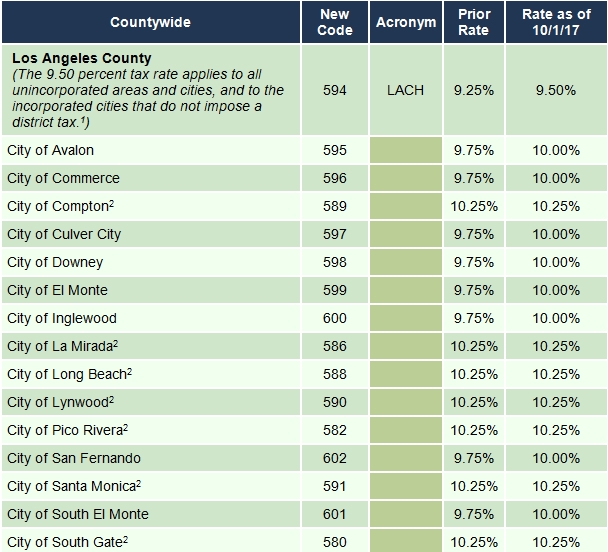
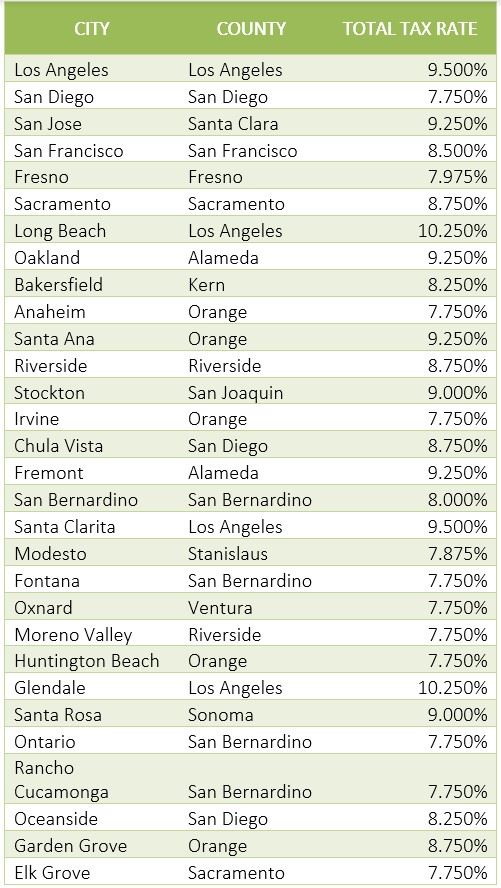
The combination of the state rate and Los Angeles County’s district taxes results in a higher effective sales tax rate for consumers in most parts of the county, including the city of Los Angeles itself. Currently, the combined sales tax rate in the city of Los Angeles (and many surrounding areas within Los Angeles County, such as Beverly Hills and West Hollywood) is 9.5%. It’s important to note that these local rates can be subject to change based on new voter initiatives, so it’s always wise to check for the most current information, especially if planning a trip far in advance or making large purchases.
What Goods and Services Are Subject to Sales Tax?
Understanding what is taxed is just as important as knowing how much. In California, sales tax is generally applied to the retail sale of tangible personal property. This broad category includes most physical goods you might purchase, such as:
- Souvenirs and Gifts: T-shirts, keychains, artwork, and other memorabilia from tourist shops.
- Apparel: Clothing, shoes, and accessories from boutiques on Rodeo Drive or any other retail outlet.
- Electronics: Cameras, phones, gadgets, and related accessories.
- General Merchandise: Books, home goods, cosmetics, and most items found in department or grocery stores.
- Prepared Food: Meals purchased at restaurants, cafes, food trucks, and most ready-to-eat items from grocery delis.
However, there are notable exemptions that travelers should be aware of:
- Most Services: Generally, services like haircuts, massages, car repairs, and legal advice are not subject to sales tax.
- Unprepared Food: Basic groceries purchased for home consumption (e.g., fresh produce, packaged meats, canned goods) are typically exempt from sales tax. If you buy a carton of milk and a loaf of bread to make your own breakfast, you won’t pay sales tax on those items.
- Prescription Medications: These are exempt.
- Certain Digital Goods: While a complex area, some digital goods or streaming services might not be taxed in the same way as tangible goods.
This distinction between tangible goods and services, and between prepared and unprepared food, is crucial for budgeting during your trip.
Practical Implications for Travelers in Los Angeles
For visitors exploring Los Angeles, the 9.5% sales tax rate will impact a significant portion of their daily expenditures. Being mindful of this can help you better manage your travel budget.
Everyday Purchases: Food, Souvenirs, and More
When you pick up a unique souvenir from the Hollywood Walk of Fame, buy a new beach towel near Malibu, or grab a quick snack from a convenience store, remember that 9.5% will be added to the sticker price. This might seem small on individual items, but it can accumulate quickly over the course of a multi-day trip. A $20 souvenir will cost you $21.90, and a $100 shopping spree will actually be $109.50.
Dining Out: Restaurant Meals and Takeaway
Dining is a major part of the Los Angeles experience, from high-end restaurants in Beverly Hills to casual eateries and food trucks. All prepared food and beverages purchased for immediate consumption, whether at a sit-down restaurant, a fast-food establishment, or a takeaway counter, are subject to the 9.5% sales tax. This tax is applied before any tip you might add, so factor both into your total cost. Enjoying a $50 meal will actually run you $54.75 before factoring in a gratuity.
Big-Ticket Items: Electronics, Apparel
Should you decide to splurge on electronics, designer clothing, or other high-value items, the 9.5% sales tax becomes a more substantial addition to the price. For example, a $1,000 item will incur an additional $95 in sales tax, bringing the total to $1,095. If you’re comparing prices with online retailers or stores in states with lower or no sales tax, this difference can be significant.
Services vs. Goods: A Key Distinction
Remember the distinction between goods and services. If you pay for a tour guide, a spa treatment, or admission to a theme park like Universal Studios Hollywood (the admission itself is a service, though any items purchased inside would be taxed), you generally won’t pay sales tax on the service fee itself. However, if you purchase physical merchandise or prepared food at these venues, the sales tax will apply.
Beyond Sales Tax: Other Taxes Travelers Should Know
While sales tax is a primary concern for everyday purchases, visitors to Los Angeles will encounter other specific taxes, particularly related to accommodation and transportation. These are separate from sales tax but equally important for comprehensive budgeting.
Transient Occupancy Tax (Hotel Tax)
One of the most significant additional taxes for travelers is the Transient Occupancy Tax (TOT), often referred to as a “hotel tax.” This tax is levied on the rent paid for temporary lodging, such as hotels, motels, and short-term vacation rentals. In the city of Los Angeles, the TOT is currently 14%. This means that if your hotel room costs $200 per night, an additional $28 will be added for the TOT, bringing the total to $228 before any other fees (like resort fees, which are not taxes). The TOT varies by city within Los Angeles County; for instance, Santa Monica and Beverly Hills might have slightly different rates, so always confirm when booking.
Car Rental Taxes and Fees
If you plan to rent a car to navigate the vast distances of Los Angeles, be prepared for several additional taxes and fees beyond the base rental price. These can include:
- Sales Tax: The 9.5% sales tax typically applies to the rental charge itself, as the rental of a tangible good (the car) is usually subject to sales tax.
- Tourism Surcharges/Concession Fees: Often, car rental agencies operating at airports (like Los Angeles International Airport – LAX) impose additional fees to cover the cost of operating at the airport and contribute to airport facilities. These can add a substantial percentage to your rental cost.
- Vehicle License Fees: Various state and local fees associated with vehicle registration and licensing may also be passed on to the renter.
It’s highly recommended to get a full quote that includes all taxes and fees when booking a rental car to avoid sticker shock.
Special District Taxes
In some specific instances, particularly for certain entertainment venues or events, you might encounter other minor district taxes or surcharges. These are less common for general travelers but are worth being aware of if attending a major concert or sporting event.
Budgeting for Taxes on Your Los Angeles Trip
Effective budgeting is key to a stress-free travel experience. By incorporating sales tax and other local taxes into your financial planning, you can ensure your Los Angeles adventure stays within your means.
Estimating Your Tax Burden
A good rule of thumb for general purchases (excluding hotels) in Los Angeles is to add approximately 10% to the advertised price of goods and prepared food to account for sales tax. For accommodation, remember the 14% TOT on top of the room rate. When dining out, factor in the 9.5% sales tax and a typical gratuity of 15-20% for service. Keeping these percentages in mind as you make purchases will provide a more realistic picture of your spending.
Smart Shopping Strategies
While you can’t avoid sales tax on eligible items, smart shopping can help. Consider purchasing basic groceries for breakfast or snacks from a supermarket, as unprepared food is tax-exempt. Look for happy hour deals for dining to reduce the pre-tax cost of your meals. If you’re on a tight budget, prioritize experiences over accumulating many tangible souvenirs, especially if similar items can be found at lower prices (or with lower tax) back home.
Saving Money on Tax-Exempt Items
Take advantage of tax exemptions where possible. If you need to stock up on essentials, choose a grocery store over a convenience store, as the latter might have more prepared foods that are subject to sales tax. Enjoy the many free attractions Los Angeles offers, like hiking trails, public parks, and window shopping on famous streets, as these experiences don’t incur sales tax.
The Economic Impact of Sales Tax on Los Angeles
Understanding sales tax isn’t just about managing your personal budget; it’s also about appreciating the broader economic ecosystem of your destination. The sales tax you pay as a traveler contributes directly to the infrastructure and services that enhance your visit.
Funding Public Services and Infrastructure
The revenues generated from sales tax, both state and local, are vital for funding public services in Los Angeles and across California. These funds support schools, police and fire departments, public transportation systems, parks, and libraries. The local add-on taxes specifically fund city and county-level projects, such as improving roads, maintaining public spaces, and supporting social programs.
Supporting Local Communities
When you make a purchase in Los Angeles, a portion of that money stays within the local economy, indirectly supporting the jobs of residents and the vibrancy of local businesses. The sales tax you contribute helps ensure that the city can maintain its attractions, services, and overall quality of life, which in turn makes it a desirable travel destination.

A Traveler’s Contribution to the City
Every taxed purchase you make, from a cup of coffee in Downtown LA to a ticket for a show, subtly contributes to the ongoing development and maintenance of this iconic city. You’re not just a visitor; you’re also a temporary contributor to the fabric of Los Angeles, helping to sustain the very elements that make it such a captivating place to explore.
In conclusion, while the 9.5% sales tax rate in Los Angeles might require some mindful budgeting, it’s a standard part of consumer spending in California. By understanding this rate, recognizing what’s taxed, and being aware of other fees like the hotel tax, you can plan a more financially sound and enjoyable trip to the entertainment capital of the world. Armed with this knowledge, you’re ready to immerse yourself in all the wonders Los Angeles has to offer, without any unwelcome financial surprises.
LifeOutOfTheBox is a participant in the Amazon Services LLC Associates Program, an affiliate advertising program designed to provide a means for sites to earn advertising fees by advertising and linking to Amazon.com. Amazon, the Amazon logo, AmazonSupply, and the AmazonSupply logo are trademarks of Amazon.com, Inc. or its affiliates. As an Amazon Associate we earn affiliate commissions from qualifying purchases.