
Nestled deep within the magnificent Rocky Mountains of Colorado, Crested Butte is a destination that captures the imagination with its pristine natural beauty, vibrant small-town charm, and a laid-back, adventurous spirit. Often referred to as “the last great Colorado ski town” or the “Wildflower Capital of Colorado,” this secluded gem offers an escape unlike any other. For many, the question “Where is Crested Butte Colorado?” is the first step on a journey to discover a place that defies easy categorization, blending world-class outdoor recreation with a preserved historic character and a deeply welcoming community. It’s not just a point on a map; it’s a feeling, an experience, and a destination waiting to be explored by those seeking authenticity and adventure away from the more commercialized mountain resorts.

Locating the Jewel of the Rockies: Crested Butte’s Geographic Identity
Crested Butte is physically located in the southwestern part of central Colorado, specifically within Gunnison County. Its precise coordinates place it at approximately 38.8694° N latitude and 106.9870° W longitude. This positioning is critical to understanding its unique appeal, as it sits at a relatively high elevation, contributing to its abundant snowfall and spectacular summer scenery.
The Colorado Backdrop
The town of Crested Butte proper is situated in a picturesque valley at an elevation of 8,909 feet (2,715 meters). Just two miles north lies the separate municipality of Mt. Crested Butte, home to the Crested Butte Mountain Resort base area, which itself climbs to over 12,000 feet. This distinction is important for visitors, as the historic town offers a distinct ambiance from the resort village, though they are intimately connected by a free shuttle service.
Crested Butte is literally surrounded by some of the most rugged and beautiful peaks in Colorado, part of the Elk Mountains range. These peaks are not only visually stunning but also serve as a natural barrier, contributing to the town’s somewhat remote and unspoiled character. To its west lies the expansive West Elk Wilderness, offering countless trails and a true backcountry experience. To the east, the vast waters of Taylor Park Reservoir provide a different kind of recreational opportunity. The town’s isolation is a key factor in its preservation, allowing it to maintain an authentic feel that many other mountain towns have lost.
Accessibility and Major Gateways
Despite its remote feel, Crested Butte is accessible, albeit requiring a bit more effort than some of Colorado’s front-range resorts. The nearest regional airport is the Gunnison-Crested Butte Regional Airport (GUC), located about 30 miles south in Gunnison. This airport offers seasonal direct flights from major hubs, making it the most convenient air gateway.
For those traveling from further afield or preferring a scenic drive, Crested Butte is approximately a 4-hour drive from Denver and Colorado Springs, and about 3 hours from Grand Junction. The primary road access is via Highway 135 from Gunnison. While some summer passes like Kebler Pass Road offer breathtaking scenic routes, they are typically closed during the winter months, emphasizing the journey’s seasonal considerations.
More Than Just a Spot on the Map: The Allure of Crested Butte
Understanding where Crested Butte is geographically is only the beginning. The true essence of this destination lies in what it is and why it continues to draw visitors seeking an authentic Colorado experience. It’s a place where adventure meets tranquility, and community spirit thrives amidst stunning natural backdrops.
A Year-Round Playground
Crested Butte’s location blesses it with distinct and equally appealing seasons, making it a true year-round destination for outdoor enthusiasts.
- Winter Wonderland: As a ski town, Crested Butte is renowned for its steep and extreme terrain at Crested Butte Mountain Resort, attracting expert skiers and snowboarders seeking a challenge. Yet, it also offers ample intermediate and beginner slopes, ensuring fun for all skill levels. Beyond the resort, the surrounding backcountry provides unparalleled opportunities for Nordic skiing, snowshoeing, fat biking, and snowmobiling, often through pristine, untouched powder.
- Summer Bloom: The town truly earns its “Wildflower Capital” moniker in the summer months. From July through August, the valleys and mountainsides explode with a kaleidoscope of colors as wildflowers blanket the landscape. This transforms the area into a hiker’s and mountain biker’s paradise, with hundreds of miles of trails, from gentle strolls to challenging ascents. The Crested Butte Bike Week, an annual event, celebrates its status as a birthplace of mountain biking, drawing enthusiasts from around the globe. Fishing, rafting, kayaking, and stand-up paddleboarding on local rivers and lakes are also popular summer pursuits.
- Autumn Spectacle: Fall in Crested Butte is nothing short of magical. The aspen trees ignite in brilliant shades of gold, orange, and red, creating a breathtaking panorama. Drives along scenic routes like Kebler Pass Road become essential pilgrimages for leaf peepers and photographers. The crisp air and fewer crowds make it an ideal time for hiking and enjoying the last vestiges of mild weather before winter’s arrival.
The Charms of Crested Butte Town
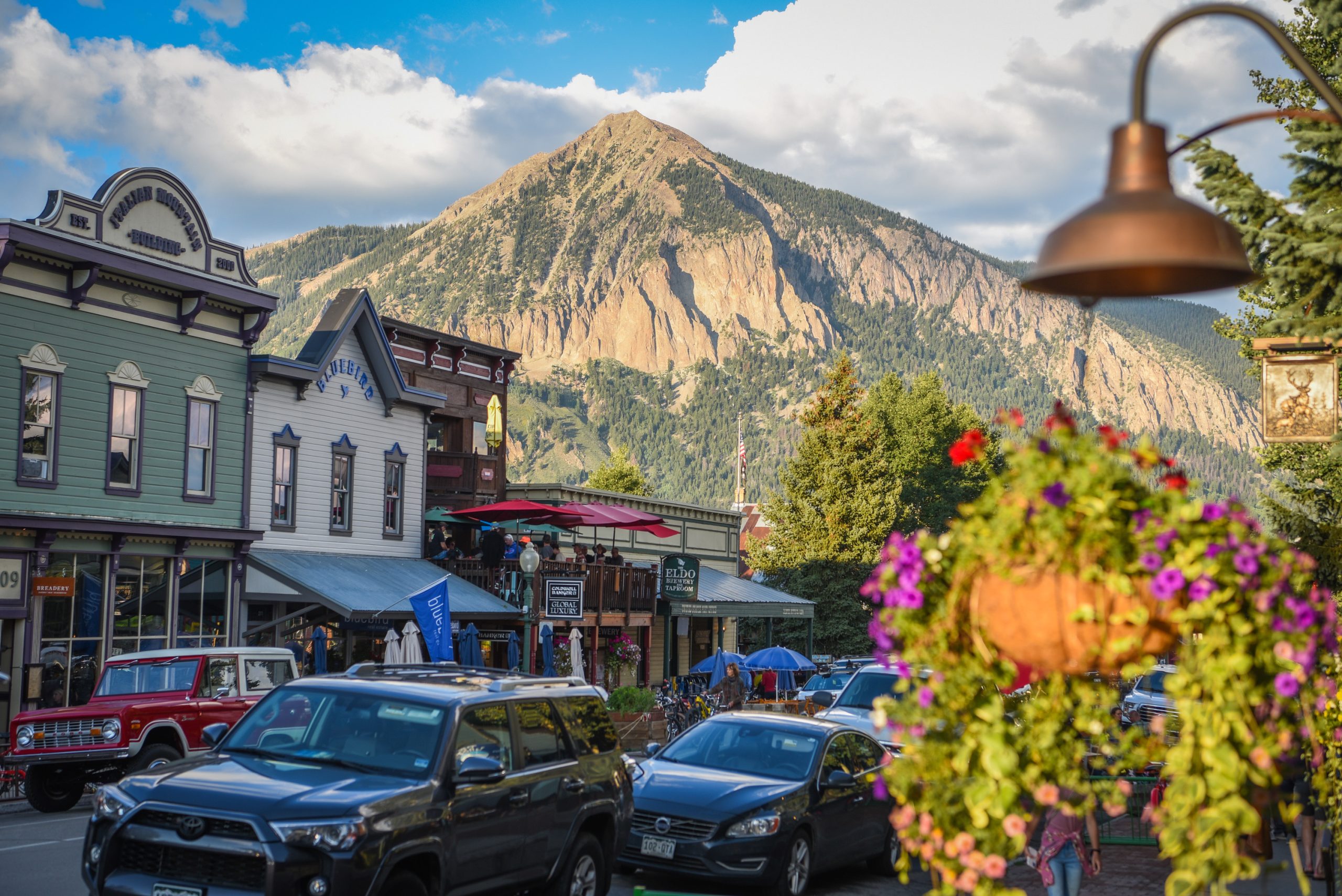
The town itself is a significant part of Crested Butte’s allure. Its historic downtown, listed on the National Register of Historic Places, features colorful Victorian buildings that harken back to its mining origins. Unlike some resort towns that have seen extensive modern development, Crested Butte has fiercely protected its heritage and character, maintaining a genuine “old Colorado” feel.
Elk Avenue, the main street, is lined with independent shops, art galleries, and diverse restaurants, all contributing to a lively yet relaxed atmosphere. The community is tight-knit and fiercely independent, fostering a culture of outdoor recreation, environmental stewardship, and artistic expression. Festivals and events, from the Wildflower Festival to live music concerts in Butte Park, are central to the town’s social fabric, offering visitors a chance to engage with the local culture. The genuine friendliness of the locals and the palpable sense of community add another layer to Crested Butte’s unique appeal, making visitors feel less like tourists and more like welcomed guests.

Navigating Your Way: Getting to Crested Butte
While Crested Butte’s relative seclusion is part of its charm, understanding the logistics of getting there is crucial for a smooth travel experience. Planning your journey according to the season is especially important, as winter conditions can significantly impact travel routes.
Air Travel Options
The most direct way to reach the vicinity of Crested Butte by air is through the Gunnison-Crested Butte Regional Airport (GUC). This small but efficient airport offers seasonal flights, primarily during the winter ski season and peak summer months, connecting directly to major hubs such as Denver (DIA), Dallas/Fort Worth, Houston, and Chicago. From GUC, shuttle services, taxis, and rental cars are readily available for the picturesque 30-minute drive north to Crested Butte and Mt. Crested Butte. It’s advisable to book flights and ground transportation well in advance, especially during peak travel times.
Alternatively, travelers can fly into larger airports like Denver International Airport (DIA) or Montrose Regional Airport (MTJ), which offer more flight options and potentially better rates. However, these choices necessitate a longer drive to Crested Butte. From DIA, the drive is approximately 4 to 5 hours, depending on traffic and weather conditions, traversing scenic mountain passes. From MTJ, the drive is shorter, around 1.5 to 2 hours. When choosing a larger airport, factor in the cost and time of a rental car or specialized shuttle services that operate from these locations.
Driving Routes and Scenery
Driving to Crested Butte is an experience in itself, offering breathtaking views that change dramatically with the seasons.
- From Gunnison: The most common route, open year-round, is Highway 135 northbound from Gunnison. This 28-mile stretch is well-maintained and provides stunning vistas of the surrounding Elk Mountains and the Gunnison River valley.
- From Denver (Winter): The most reliable winter route typically involves taking US-285 South to US-50 West, then connecting to Highway 135 in Gunnison. This route can be subject to winter driving conditions, and a 4×4 or all-wheel-drive vehicle with appropriate tires is highly recommended.
- From Denver (Summer Scenic): In the warmer months, adventurers can opt for more scenic, though often unpaved or less direct, routes. Kebler Pass Road (County Road 12), a dirt road that connects Crested Butte to Paonia and Hotchkiss to the west, is particularly famous for its spectacular fall foliage. However, this pass is generally only open from late spring to early fall and is not suitable for all vehicles. Another scenic summer option involves driving over Cottonwood Pass (accessible from Buena Vista), connecting to US-50 West and then Highway 135. Always check road conditions before departing, especially for high mountain passes.
Planning Your Crested Butte Adventure
Once you’ve pinpointed “Where is Crested Butte Colorado?” and figured out your travel logistics, the next exciting step is to envision your visit. Planning an adventure here means embracing the seasons, the local culture, and the endless outdoor possibilities that make this destination truly special.
Seasonal Highlights
Your Crested Butte experience will be profoundly shaped by the time of year you choose to visit:
- Winter: Focus on snow sports. Whether it’s the challenging runs at Crested Butte Mountain Resort, cross-country skiing on groomed trails, or exploring the vast backcountry, winter is about embracing the cold. Don’t miss out on ice skating or a scenic snowshoeing trip. Evenings are perfect for cozying up by a fire and enjoying the town’s culinary scene.
- Summer: This is prime time for hiking, mountain biking, and water activities. Plan to attend the Crested Butte Wildflower Festival in July for guided hikes and photo opportunities. Explore the expansive trail networks leading into areas like the Maroon Bells-Snowmass Wilderness or head towards the iconic ghost town of Gothic. Kayaking or paddleboarding on Taylor Park Reservoir offers a different perspective.
- Spring & Fall: These shoulder seasons offer unique advantages. Spring brings thawing landscapes and a quiet charm, while fall is celebrated for its unparalleled aspen foliage, particularly along Kebler Pass Road. These periods are ideal for those seeking solitude and stunning photography opportunities, with fewer crowds and often more competitive lodging rates.
Regardless of the season, layering clothing is essential due to the high altitude and changeable mountain weather. Sunscreen, hats, and sunglasses are vital year-round.
Embracing the Local Vibe
Beyond the activities, immersing yourself in Crested Butte’s unique culture is a key part of the travel experience.
- Walk Elk Avenue: Spend time exploring the historic main street. Pop into the independent boutiques, art galleries, and diverse eateries. Notice the vibrant Victorian architecture that gives the town its distinctive character.
- Engage with the Community: Strike up conversations with locals; they are often keen to share their love for their town and offer insider tips on trails or hidden gems. Attend a local event or festival if your visit coincides with one, as these are central to the community’s identity.
- Respect the Environment: Crested Butte prides itself on its environmental stewardship. Practice Leave No Trace principles when enjoying the outdoors, respect wildlife, and contribute to keeping this pristine environment beautiful for future generations.
- Consider Lodging: From quaint bed and breakfasts in town to slope-side condos in Mt. Crested Butte, there are various lodging options to suit different preferences and budgets. Booking in advance, especially during peak seasons, is highly recommended.
In conclusion, “Where is Crested Butte Colorado?” leads to an answer far richer than mere geography. It is a vibrant destination tucked away in the heart of the Elk Mountains, offering a blend of exhilarating outdoor adventures, a preserved historic town, and an authentic community spirit. It’s a place that invites you to slow down, explore, and connect with nature and local culture, promising a memorable travel experience that stays with you long after you’ve left its breathtaking peaks.
LifeOutOfTheBox is a participant in the Amazon Services LLC Associates Program, an affiliate advertising program designed to provide a means for sites to earn advertising fees by advertising and linking to Amazon.com. Amazon, the Amazon logo, AmazonSupply, and the AmazonSupply logo are trademarks of Amazon.com, Inc. or its affiliates. As an Amazon Associate we earn affiliate commissions from qualifying purchases.