
California, a land of breathtaking natural beauty and ecological diversity, is increasingly recognized for a devastating paradox: its iconic landscapes are frequently ravaged by wildfires of unprecedented scale and intensity. From the sun-drenched beaches of its coastline to the towering peaks of the Sierra Nevada Mountains, the Golden State is home to a myriad of natural landmarks and ecosystems that draw millions of visitors annually. Yet, beneath this allure lies a complex interplay of natural and human factors that have transformed the state’s fire regime, making the question “What caused California wildfires?” not just one of immediate concern, but a deep inquiry into the fate of its invaluable natural heritage. This exploration delves into the multifaceted causes, focusing on their profound impact on California’s natural landmarks and the broader landscape, exclusively through the lens of nature and its preservation.
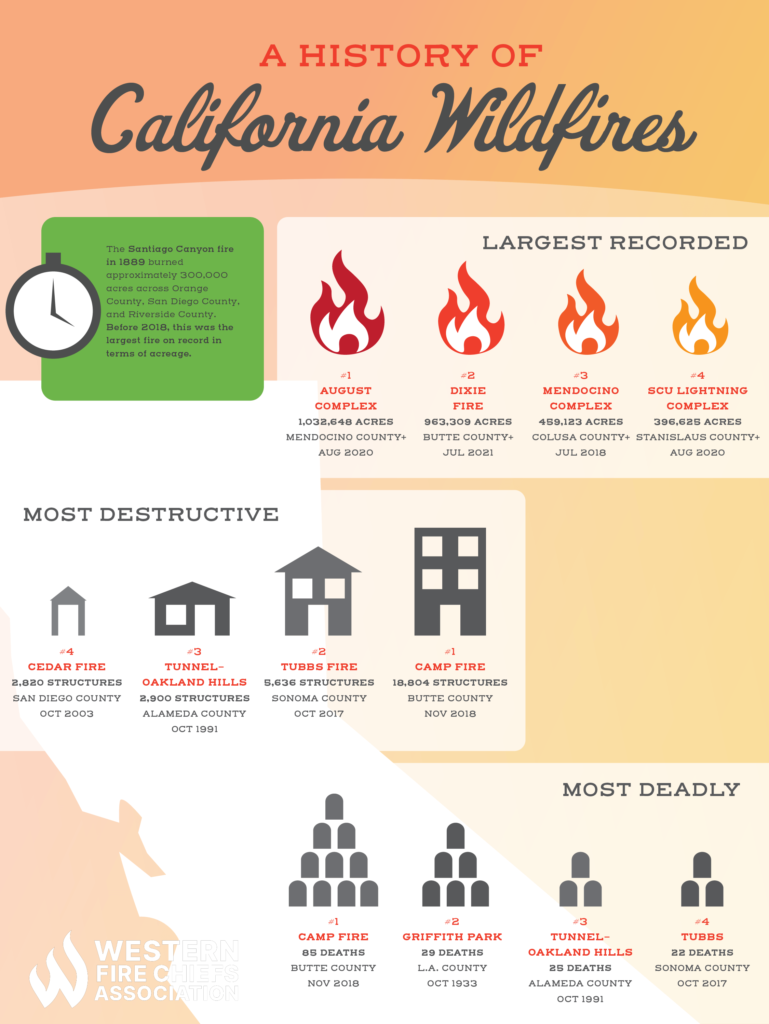
A Landscape Defined by Fire: California’s Natural Heritage
California’s natural identity is inextricably linked to its diverse geography and ecological wealth. This includes ancient Redwood National Park forests, the granite domes of Yosemite National Park, the majestic giant sequoia groves of Sequoia National Park, the unique chaparral shrublands, and expansive deserts. For millennia, fire has been a natural, even essential, component of many of these ecosystems, shaping landscapes and fostering biodiversity. Indigenous communities historically used controlled burns to manage these lands, promoting forest health and reducing fuel loads. However, the modern fire crisis transcends this natural cycle, posing an existential threat to the very landmarks that define California’s natural grandeur.
The Golden State’s Diverse Ecosystems
California boasts an unparalleled array of natural environments, each with its distinct vegetation and susceptibility to fire. The northern coast features the cool, moist temperate rainforests of Redwood National Park, while the central and southern regions are dominated by chaparral and oak woodlands, naturally adapted to periodic fires. Eastward, the high-elevation forests of the Sierra Nevada Mountains, home to Yosemite National Park and Sequoia National Park, historically experienced low-intensity ground fires. These diverse ecosystems are not merely scenic backdrops but intricate natural systems, each with a delicate balance that is increasingly disrupted by altered fire regimes. Understanding their natural history with fire is crucial to grasping the current predicament.
The Increasing Threat to Natural Landmarks
Today’s megafires are far removed from the historical, ecologically beneficial fires. They burn hotter, faster, and over larger areas, often incinerating ancient trees, pristine habitats, and delicate ecological balances. Iconic natural landmarks, once symbols of resilience, now face unprecedented danger. The giant sequoias, some of the oldest and largest living organisms on Earth, are increasingly vulnerable to high-severity fires, threatening a natural legacy thousands of years in the making. Yosemite National Park’s famed groves, the stunning vistas of the Pacific Crest Trail, and the myriad of state parks protecting unique California flora and fauna are all at risk. The very essence of these natural places, their wildness and timeless beauty, is being fundamentally altered, impacting not just their ecological function but their cultural and spiritual significance as well.
The Confluence of Natural Drivers
While human activities play a significant role, the underlying natural conditions in California create a landscape inherently prone to fire. These natural drivers, amplified by broader environmental changes, set the stage for the catastrophic events witnessed in recent decades, fundamentally reshaping the natural landmarks we cherish.
Climate Change and Prolonged Drought
Perhaps the most potent natural catalyst for California’s escalating fire crisis is climate change. Rising global temperatures lead to warmer, drier conditions across the state. Snowpacks in the Sierra Nevada Mountains, a critical water source for much of California, are diminishing, and the spring thaw occurs earlier. This results in an extended dry season and more intense, prolonged droughts, such as those impacting the Colorado River basin, drying out vegetation across vast natural landscapes. Forests, chaparral, and grasslands become super-combustible fuel, turning entire regions into tinderboxes. The increased frequency of extreme heat events also dehydrates vegetation rapidly, creating ideal conditions for rapid fire spread in areas previously less prone to severe burns.
Topography and Weather Patterns
California’s rugged topography plays a crucial role in fire behavior. Steep slopes and canyon systems act as natural chimneys, funneling flames uphill with incredible speed and intensity, making containment exceedingly difficult. Furthermore, the state is infamous for its powerful, dry winds. The Santa Ana winds in Southern California and the Diablo winds in the north are hot, dry gusts that pick up speed as they descend from inland mountains to the coast. These winds are notorious for rapidly spreading embers over vast distances, igniting new fires ahead of the main front and turning small blazes into unmanageable infernos, threatening natural parks and wildlands. Beyond these, dry lightning strikes, particularly prevalent during summer thunderstorms, are natural ignition sources, often sparking fires in remote, rugged wilderness areas, including within national parks like Yosemite National Park, where initial detection and suppression are challenging.
Human Footprint: Exacerbating the Natural Cycle
While natural factors establish the baseline risk, human activities dramatically increase both the frequency of ignitions and the severity of California’s wildfires. This human element directly impacts the resilience and integrity of the state’s natural landmarks.
Wildland-Urban Interface (WUI) Expansion
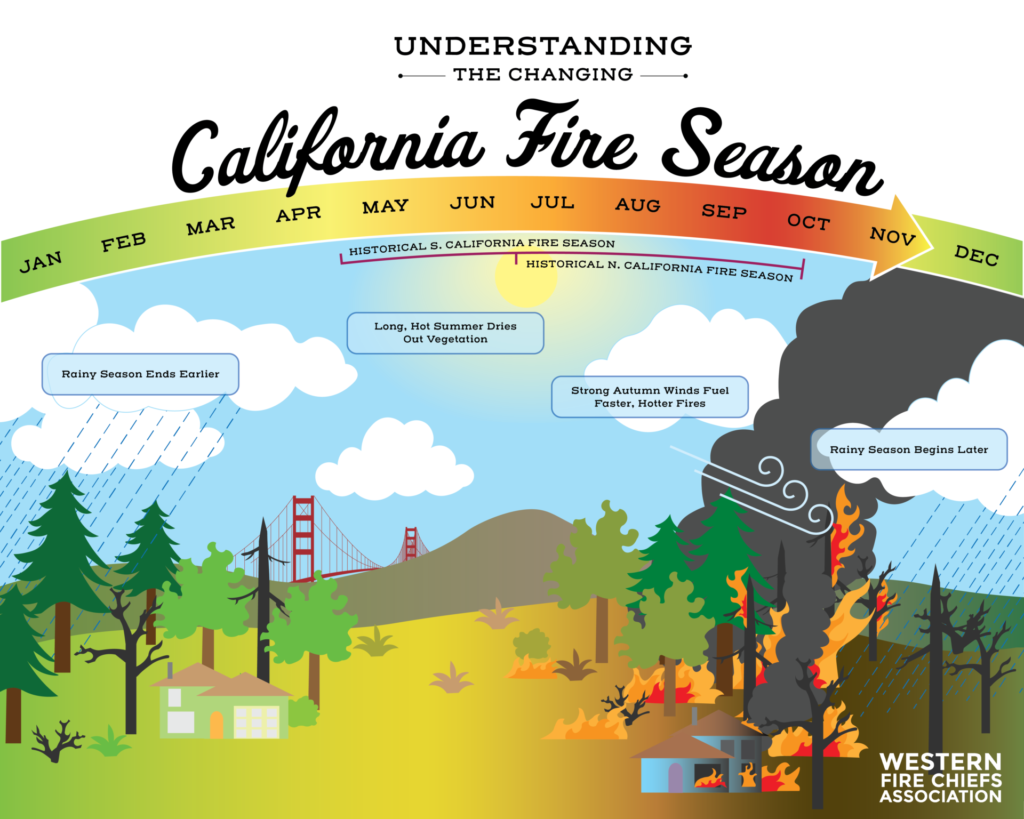
A significant contributor to the modern fire crisis is the continuous expansion of the wildland-urban interface (WUI). As urban and suburban developments push further into wildland areas and natural landscapes, the probability of human-caused ignitions skyrockets. Accidental ignitions from campfires, discarded cigarettes, vehicle sparks, agricultural equipment, and even seemingly innocuous sources like landscape lighting or burning debris, introduce countless new ignition points into fire-prone natural environments. This encroachment not only puts homes and lives at risk but also introduces significant human pressures on the natural borders of parks and wilderness areas, making fire management more complex and increasing the likelihood of fires spreading into or originating from areas adjacent to protected natural landmarks.
Power Infrastructure and Electrical Failures
Aging and inadequately maintained electrical infrastructure has been identified as a major ignition source for some of California’s most destructive fires. Utility equipment, such as power lines and transformers, especially when exposed to high winds or dry vegetation, can spark massive blazes. Companies like Pacific Gas and Electric Company have faced scrutiny and legal action for their role in igniting numerous wildfires that have ravaged vast expanses of natural landscapes, including areas near or within natural parks. The sheer scale and speed of these utility-caused fires often mean they burn through pristine wilderness areas before they can be contained, irrevocably altering natural landmarks and ecosystems.
Forest Management Practices
Historical forest management practices have also contributed to the current crisis. For over a century, a policy of aggressive fire suppression dominated, aiming to extinguish every fire regardless of its size or ecological role. While seemingly protective, this approach led to a significant accumulation of fuel – dead trees, branches, and undergrowth – on forest floors, particularly in the vast natural forests of the Sierra Nevada Mountains and other woodland areas. This excessive fuel load means that when fires do ignite, they burn with far greater intensity and heat than they naturally would, overwhelming the fire adaptations of many native species and causing widespread tree mortality, even among fire-resistant species like mature giant sequoias. This suppression policy has altered the natural fire regimes, making many of California’s natural landmarks more vulnerable to catastrophic fires.
The Devastating Impact on California’s Natural Legacy
The consequences of these megafires extend far beyond immediate destruction, leaving a lasting scar on California’s natural legacy. The health and integrity of its landmarks and ecosystems are profoundly compromised, impacting biodiversity, long-term ecological processes, and the aesthetic value of these iconic natural sites.
Ecological Damage and Biodiversity Loss
Wildfires cause immediate and severe ecological damage. Entire ecosystems can be wiped out, leading to massive biodiversity loss. Habitats for endangered species, from the California spotted owl to various endemic plant species, are destroyed. The intense heat from modern fires can sterilize soil, kill beneficial microbes, and eliminate seed banks, hindering natural regeneration. Ancient groves within Sequoia National Park and Yosemite National Park have experienced unprecedented tree mortality, threatening specimens that have stood for thousands of years. The alteration of these natural systems means that the resilience of these landmarks is severely tested, with some environments potentially taking centuries to recover, if at all.
Long-Term Consequences for Landscapes
Beyond direct ecological damage, wildfires trigger a cascade of long-term environmental problems that fundamentally alter natural landscapes. Burned areas are highly susceptible to soil erosion, especially during subsequent rain events, leading to mudslides and debris flows that can devastate downstream communities and natural habitats. The loss of vegetation cover along hillsides and riverbanks degrades water quality, as ash and sediment flow into rivers and reservoirs, impacting aquatic ecosystems and human water supplies derived from natural watersheds. The aesthetic and recreational value of natural landmarks is diminished by scorched landscapes, leading to closures and reduced accessibility. The natural processes of forest regeneration are disrupted, making the landscape more vulnerable to invasive species and less resilient to future disturbances, fundamentally changing the character of California’s iconic natural sites.
Towards a Resilient Future for California’s Landmarks
Addressing California’s wildfire crisis requires a comprehensive and sustained effort focused on mitigating risks, restoring ecological health, and adapting to a changing climate to protect its invaluable natural landmarks.
Integrated Fire Management Strategies
A pivotal shift in approach involves moving away from total fire suppression towards integrated fire management. This includes vastly expanding the use of prescribed burns, carefully planned and controlled fires that mimic natural fire cycles, to reduce hazardous fuel loads in forests and wildlands. These burns, when executed correctly, can protect sensitive natural areas by creating fire breaks and promoting healthier forest structures, making them more resilient to future high-intensity blazes. Fuel reduction projects, such as mechanical thinning of dense undergrowth and selective logging, also play a critical role, particularly around the perimeters of natural parks and in the WUI. Educating communities and fostering engagement in fire-safe practices, especially for those living near natural landmarks, is also essential to reduce human-caused ignitions.

Adapting to a Changing Climate
Ultimately, protecting California’s natural landmarks from the escalating wildfire threat requires a proactive approach to climate change adaptation. This includes investing in climate-resilient infrastructure, developing drought-resistant natural landscapes through appropriate vegetation selection, and implementing ecosystem restoration projects that enhance the natural resilience of forests and wildlands. It also means strengthening early detection systems for wildfires and improving rapid response capabilities to contain smaller fires before they become catastrophic. The challenge is immense, but the preservation of California’s unique natural beauty, its ancient forests, majestic mountains, and diverse ecosystems—its very identity as a natural wonderland—depends on these concerted efforts to foster a more harmonious relationship with fire in a changing world.
LifeOutOfTheBox is a participant in the Amazon Services LLC Associates Program, an affiliate advertising program designed to provide a means for sites to earn advertising fees by advertising and linking to Amazon.com. Amazon, the Amazon logo, AmazonSupply, and the AmazonSupply logo are trademarks of Amazon.com, Inc. or its affiliates. As an Amazon Associate we earn affiliate commissions from qualifying purchases.