
Navigating a new state, especially one as vast and dynamic as California, involves more than just mapping out scenic routes and iconic attractions. For those planning an extended stay, a move, or even a long-term road trip, understanding the local administrative requirements, like vehicle registration, is paramount. This comprehensive guide will help you seamlessly integrate into the Golden State’s automotive landscape, ensuring your travel or relocation experience is as smooth and compliant as possible. Properly registering your vehicle isn’t just a legal obligation; it’s a critical step towards hassle-free exploration and residency in one of America’s most captivating states.

Understanding California’s Vehicle Registration Landscape
For anyone moving to California or planning an extended stay exceeding 20 days, registering your out-of-state vehicle is a mandatory requirement. This process, primarily overseen by the California Department of Motor Vehicles (DMV), is designed to ensure all vehicles operating within the state meet specific safety, emissions, and financial responsibility standards. Understanding these foundational aspects is the first step toward a successful registration.
Why Registration Matters for Travelers and New Residents
While short-term visitors on vacation typically don’t need to worry about registering their vehicle, the rules change for those establishing residency or staying for an extended period. California’s vehicle code dictates that if you become a resident, accept employment, or place children in public school, you must register your vehicle within 20 days of entry or residency establishment. Failure to do so can result in penalties, fines, and even legal complications, which can quickly derail any travel or relocation plans. For long-term travelers using their vehicle as a primary mode of transport during an extended exploration of the state, ensuring proper registration offers peace of mind and legal compliance. It also contributes to the state’s efforts to maintain environmental quality and ensure adequate insurance coverage for all drivers, which indirectly benefits everyone on the road.
Key Agencies Involved
The primary agency you will interact with is the California DMV. They are responsible for issuing licenses, titles, and registrations, as well as enforcing vehicle-related laws. Beyond the DMV, the Bureau of Automotive Repair plays a crucial role, particularly concerning the Smog Check Program. This agency certifies smog check stations and ensures vehicles comply with California’s strict emission standards. Understanding their respective roles helps streamline the process, as you may need to visit multiple locations or complete different tasks concurrently.
Essential Documents for California Vehicle Registration
The cornerstone of a successful vehicle registration process lies in having all the necessary documentation meticulously prepared. Missing even one item can lead to delays and multiple trips to the DMV. Given California’s stringent requirements, it’s advisable to gather these well in advance.
Proof of Ownership and Identity
To prove you are the rightful owner of the vehicle and establish your identity, you will typically need to present several key documents:
- Vehicle Title or Registration Certificate: This document proves legal ownership. If you have a lienholder, they may hold the title, in which case your out-of-state registration certificate will be required.
- Application for Title or Registration (Form REG 343): This form initiates the registration process and collects all pertinent information about you and your vehicle.
- Proof of Identity: A valid California driver’s license or ID card is preferred. If you don’t yet have one, an out-of-state driver’s license or other government-issued photo identification (like a passport) may be accepted, accompanied by proof of residency in California.
- Vehicle Identification Number (VIN) Verification: For out-of-state vehicles, a DMV employee, licensed verifier, or authorized law enforcement officer must physically inspect your vehicle and verify the VIN and odometer reading. This step is crucial to prevent fraud and ensure the vehicle’s identity.
Evidence of Financial Responsibility
California law mandates that all registered vehicles must carry liability insurance. This is non-negotiable and a critical component of public safety.
- Proof of Insurance: You must provide evidence of current auto insurance that meets California’s minimum liability coverage requirements. This typically includes at least $15,000 for injury/death to one person, $30,000 for injury/death to more than one person, and $5,000 for property damage. An insurance card or a policy declaration page from an insurance company licensed to do business in California will suffice. Do not let your insurance lapse at any point during your vehicle’s operation in the state.
Smog Certificate Requirements
One of the most distinctive aspects of vehicle registration in California is its stringent emissions control program. The Smog Check Program is designed to reduce air pollution by identifying vehicles that emit excessive pollutants.
- Smog Inspection Certificate: Most vehicles manufactured in 1976 or newer require a smog inspection. Exceptions apply to electric vehicles, motorcycles, certain older vehicles, and diesel vehicles manufactured before 1998 with a Gross Vehicle Weight Rating of 14,000 pounds or less. If your vehicle is less than eight model years old, you might be exempt from the biennial smog inspection, but initial registration of an out-of-state vehicle generally requires a smog check regardless of age. You must obtain this certificate from a licensed smog check station. The certificate is electronically sent to the DMV, but it’s wise to keep a physical copy for your records. Failing a smog check means you must repair your vehicle to pass before registration can be completed.
The Step-by-Step Registration Process
Once you have gathered all your essential documents, you are ready to embark on the actual registration process. While it might seem daunting, breaking it down into manageable steps makes it much clearer.
Out-of-State Vehicle Registration Specifics

For vehicles initially registered outside of California, there are additional steps to consider. The vehicle must be brought into California for its VIN verification and often for the smog inspection. Be aware that vehicles not originally manufactured to meet California emission standards (which are stricter than federal standards set by the Environmental Protection Agency) might face challenges. Generally, vehicles with less than 7,500 miles on the odometer are deemed “new” by California and must be certified to meet California emission standards. Vehicles with more than 7,500 miles, if they meet federal emission standards (compliant with the National Highway Traffic Safety Administration), are typically eligible for registration. Always check your vehicle’s under-hood emissions label for “California Emissions Standards” or “Federal Emissions Standards” compliance.
Initial Application and Fee Payment
The process begins by completing the Application for Title or Registration (Form REG 343). You can often fill this out online or obtain a physical copy at a DMV office. Once you have all required documents, including your VIN verification and smog certificate, you will submit them to the DMV. This is also when you will pay the necessary fees. These fees typically include:
- Registration Fee: The annual fee for most vehicles.
- California Highway Patrol (CHP) Fee: Contributes to the funding of the CHP.
- Vehicle License Fee (VLF): Based on a percentage of your vehicle’s value.
- Transportation Planning Fee: Supports local and regional transportation planning.
- Optional Fees: Such as county service authority for freeway emergencies, or air quality fees, depending on your location within California.
The total cost can vary significantly, so it’s wise to use the DMV’s online fee calculator or call their hotline for an estimate.
Navigating the DMV Appointment System
While some basic services might be available on a walk-in basis, making an appointment for vehicle registration is highly recommended to save time and avoid long queues. The California DMV website allows you to schedule appointments online, often several weeks in advance. Be punctual, bring all your documents, and be prepared for potential wait times even with an appointment. Some DMV offices in major cities like Los Angeles or San Francisco can be particularly busy.
Beyond Registration: Important Post-Registration Considerations
Registering your vehicle is a significant milestone, but it’s not a one-time event. There are ongoing responsibilities and considerations crucial for maintaining legal compliance while enjoying your time in California.
Renewing Your California Registration
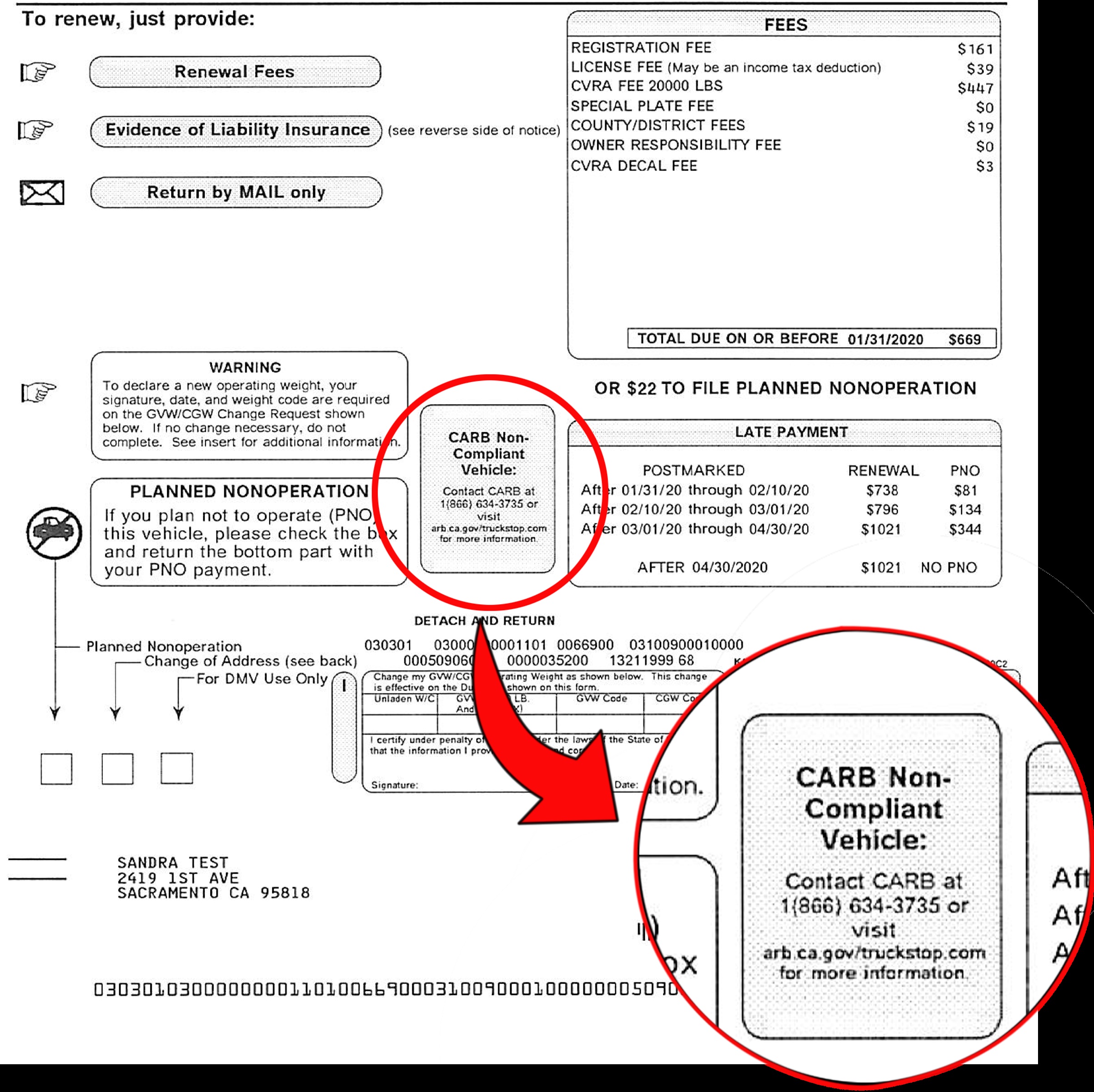
Vehicle registration in California is typically an annual process. The DMV will mail a renewal notice to your address approximately two months before your registration expires. This notice will detail your renewal fees and any other requirements, such as a biennial smog inspection. You can generally renew your registration online, by mail, or in person. Online renewal is often the quickest and most convenient option. Timely renewal is important, as late fees and penalties can accrue quickly.
Understanding Vehicle Taxes and Fees
Beyond the initial registration fees, new residents should be aware of other potential taxes. If you bought your vehicle out-of-state and did not pay sales tax, or if the sales tax paid was lower than California’s rate, you might be assessed a “use tax” upon registration. This ensures fairness and prevents residents from avoiding sales tax by purchasing vehicles elsewhere. The Vehicle License Fee (VLF) is also an annual tax based on the depreciated value of your vehicle, funding local government services. Understanding these financial obligations prevents surprises and helps in budgeting for your life or extended stay in the state.
Special Circumstances and Exemptions
Certain vehicles or circumstances may qualify for exemptions or have specific rules. For instance, active duty military personnel stationed in California might have exemptions from certain registration requirements for vehicles registered in their home state. Furthermore, vehicles powered by alternative fuels, such as electric vehicles, may qualify for certain incentives or different registration fees. Always check the official DMV website or contact them directly if you believe your situation falls under a special category.
Tips for a Smooth Registration Experience in California
Registering a vehicle in California can be a straightforward process with the right approach. Following these tips will help minimize stress and maximize efficiency.
Proactive Planning and Preparation
The golden rule for any administrative process in California is to start early. Begin gathering your documents as soon as you know you’ll be moving or staying long-term. Create a checklist and meticulously verify each item. If you’re unsure about any document, contact the DMV directly for clarification. Remember that the 20-day window for out-of-state vehicles begins upon establishing residency or entry, so prompt action is essential to avoid penalties. Having all paperwork in order before your DMV visit is the single most important step for a smooth experience.
Utilizing Online Resources and Mobile Services
The California DMV website is a treasure trove of information. Use their online guides, forms, and fee calculators. Many services, including making appointments, renewing registration, and requesting records, can be completed online, saving you a trip to a physical office. Additionally, the DMV offers various mobile services and kiosks in some areas for quick transactions. Embrace these digital tools to streamline your process and reduce the time spent on administrative tasks, allowing you more time to explore the vibrant landscapes of California.
By understanding the requirements, preparing thoroughly, and utilizing available resources, registering your vehicle in California can be a manageable step in your journey. With your vehicle legally compliant, you’ll be free to fully enjoy everything the Golden State has to offer, from the bustling streets of Sacramento to the tranquil beaches of the Pacific coast.
LifeOutOfTheBox is a participant in the Amazon Services LLC Associates Program, an affiliate advertising program designed to provide a means for sites to earn advertising fees by advertising and linking to Amazon.com. Amazon, the Amazon logo, AmazonSupply, and the AmazonSupply logo are trademarks of Amazon.com, Inc. or its affiliates. As an Amazon Associate we earn affiliate commissions from qualifying purchases.