
Navigating the extensive network of roads in California offers an unparalleled experience, from sun-drenched coastal highways to majestic mountain passes and bustling urban arteries. For travelers and residents alike, understanding the intricate language of road markings is not merely a suggestion but a critical component of safe and efficient driving. Among the various lines, symbols, and signs that adorn our roadways, the humble broken yellow line holds a specific, often misunderstood, significance. This guide will demystify the broken yellow line, providing essential insights for anyone looking to traverse California’s diverse landscapes with confidence and adherence to traffic laws.
Deciphering California’s Road Language: The Basics of Lane Markings
Before diving into the specifics of a broken yellow line, it’s crucial to grasp the fundamental principles that govern road markings in California. These markings serve as silent, continuous instructors, directing traffic flow, indicating permissible maneuvers, and warning of potential hazards. Ignoring or misinterpreting them can lead to dangerous situations, fines, and even accidents, particularly for those unfamiliar with local driving customs.
The Significance of Yellow Lines: Opposing Traffic
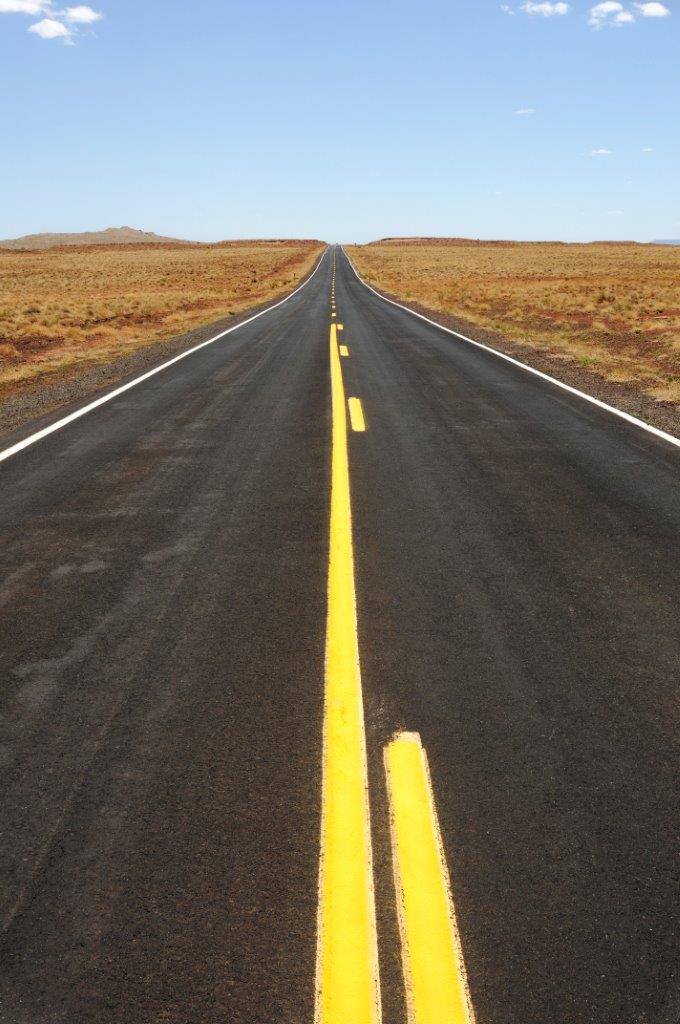
In the universal language of road markings, yellow lines are reserved for one primary purpose: separating traffic moving in opposite directions. This is a crucial distinction from white lines, which separate traffic moving in the same direction. When you see a yellow line, you are looking at the division between your lane and a lane carrying oncoming vehicles. This immediate understanding is the first step in interpreting any yellow line marking. Whether you’re on a quaint two-lane road in a rural setting or a multi-lane highway, yellow always signifies an opposing flow of traffic. Recognizing this fundamental concept is paramount to anticipating the actions of other drivers and maintaining a safe distance.
Solid vs. Broken: What’s the Key Difference?
The distinction between solid and broken lines, whether yellow or white, dictates the legality of crossing them. Generally, a solid line acts as a barrier, prohibiting crossing. It signifies that changing lanes, passing, or turning across that line is either illegal or highly discouraged due to safety concerns. Conversely, a broken line indicates permissibility. It suggests that, under safe conditions, crossing the line for specific maneuvers is allowed. This simple dichotomy forms the bedrock of road marking interpretation. When applied to yellow lines, this rule specifically pertains to actions involving crossing into the lane of oncoming traffic, which, as you might imagine, carries significant risks if not executed correctly. Understanding this core difference is not just about avoiding a ticket; it’s about making informed decisions that prioritize safety for everyone on the road.
The Specifics of a Broken Yellow Line
With the foundational knowledge established, we can now hone in on the broken yellow line. Its appearance on a California roadway communicates a precise message to drivers, one that, when understood and respected, facilitates smoother traffic flow and opportunities for safe overtaking.
When and Where You’ll See Them
A broken yellow line is typically found on two-lane roads where one lane travels in each direction. It is a common marking in areas where visibility is generally good, and the road geometry allows for safe passing maneuvers. You’ll encounter these lines on rural routes, suburban connectors, and sometimes on the outskirts of smaller towns, where speeds might be moderate to high, and the need to pass slower vehicles can arise. They are less common in densely populated urban centers or on major interstate highways, which often feature multiple lanes of traffic moving in the same direction separated by white lines, or divided highways with physical barriers. Think of long stretches of road between towns, or scenic routes like parts of the Pacific Coast Highway where intermittent passing opportunities are provided.
The Core Rule: Passing is Permitted (with Caution)
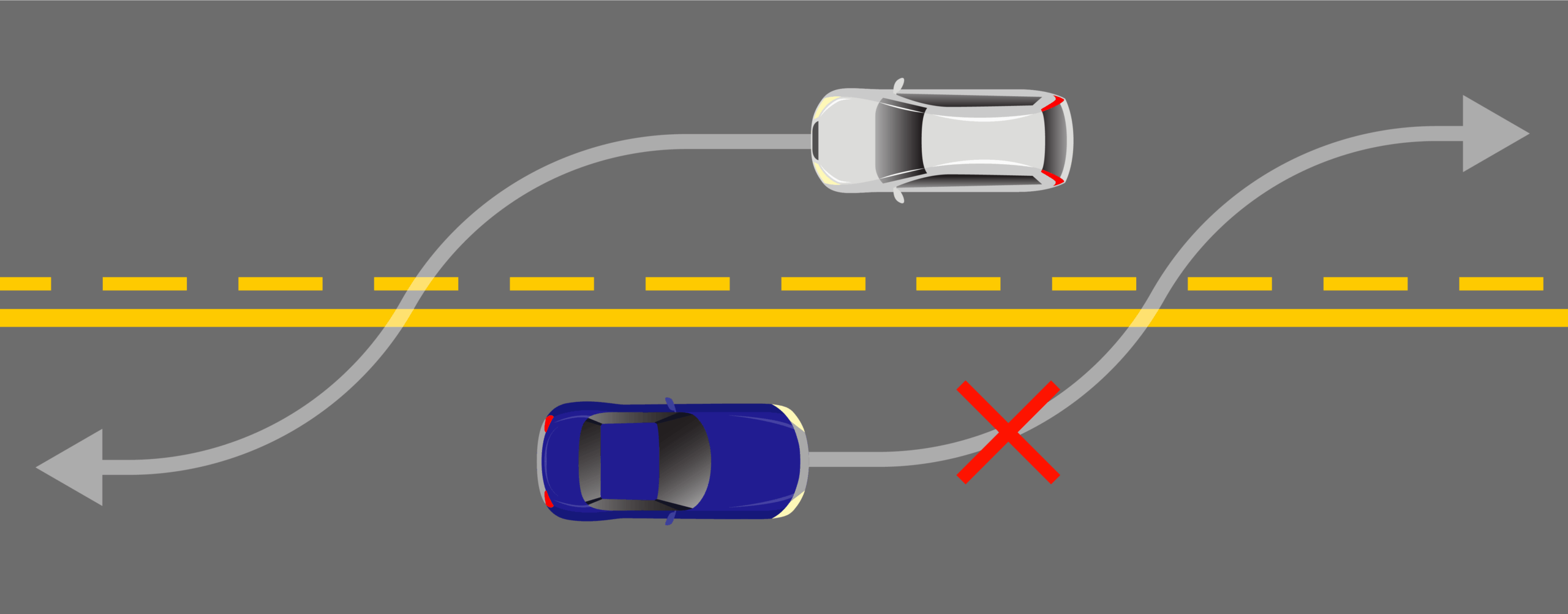
The primary message conveyed by a broken yellow line is clear: passing is permitted from either direction when it is safe to do so. This means if you are driving alongside a broken yellow line and you deem it safe, you may cross into the opposing lane to overtake a slower vehicle. The same rule applies to oncoming traffic – they, too, may cross the broken yellow line from their side to pass a vehicle. This shared permissibility is why caution is paramount. It implies a reciprocal understanding among drivers that the opposing lane might temporarily be used by traffic from either side. Unlike a solid yellow line, which strictly prohibits crossing into oncoming traffic, the broken yellow line grants drivers the discretion to make a judgment call, emphasizing the responsibility that comes with this freedom. It’s an invitation to assess the situation thoroughly before acting.
Navigating Passing Zones: Rules and Responsibilities
While a broken yellow line grants permission to pass, it does not absolve the driver of their responsibility to do so safely and legally. California Vehicle Code outlines specific requirements that must be met before initiating a passing maneuver, ensuring that this temporary foray into the oncoming lane does not result in a collision.
Safe Passing Maneuvers: A Step-by-Step Guide
Executing a safe pass over a broken yellow line requires a deliberate and systematic approach:
- Assess Visibility: Before anything else, ensure you have a clear, unobstructed view of the road ahead. This means no blind curves, hillcrests, or intersections that might conceal oncoming vehicles or other hazards.
- Check Mirrors and Blind Spots: Thoroughly check your rearview and side mirrors, then perform a quick head-check over your shoulder to ensure no vehicle is in your blind spot or attempting to pass you simultaneously.
- Signal Your Intent: Activate your turn signal well in advance to alert the vehicle you are about to pass and any oncoming traffic of your intention to move left.
- Accelerate Decisively: Once the path is clear, accelerate firmly to complete the pass quickly and efficiently, minimizing the time spent in the opposing lane.
- Maintain Safe Distance: Do not cut back into your lane too soon. Ensure you can see the headlights of the vehicle you passed in your rearview mirror before signaling right and gently returning to your original lane.
- Cancel Signal: Once safely back in your lane, cancel your turn signal.
These steps are not mere suggestions but a structured method to mitigate the inherent risks associated with temporarily entering the lane of oncoming traffic. Rushing or neglecting any step significantly increases the danger.
Crucial Considerations: Visibility, Speed, and Oncoming Traffic
Beyond the steps of passing, several critical factors must always inform your decision:
- Visibility: This cannot be overstressed. If you cannot see far enough ahead to ensure the opposing lane will be clear for the entire duration of your pass, do not attempt it. Factors like weather conditions (fog, heavy rain), time of day, and road geometry all play a role.
- Speed: Ensure you have sufficient speed to complete the pass promptly without exceeding the speed limit. If you have to excessively speed or if the vehicle you’re passing speeds up, reconsider. Never pass if it means exceeding the posted speed limit.
- Oncoming Traffic: Accurately judge the speed and distance of any oncoming vehicles. If there’s any doubt about having enough clear road to complete the pass before an oncoming vehicle becomes a hazard, do not pass. It’s always better to arrive late than not at all.
- Vehicle Performance: Be aware of your vehicle’s acceleration capabilities. A heavy RV or a car with a small engine will require more time and distance to pass than a nimble sports car.
- Lane Width: Ensure the opposing lane is wide enough to safely accommodate your vehicle alongside the vehicle you are passing without encroaching on the shoulder or other hazards.
Legal Implications and Avoiding Hazards
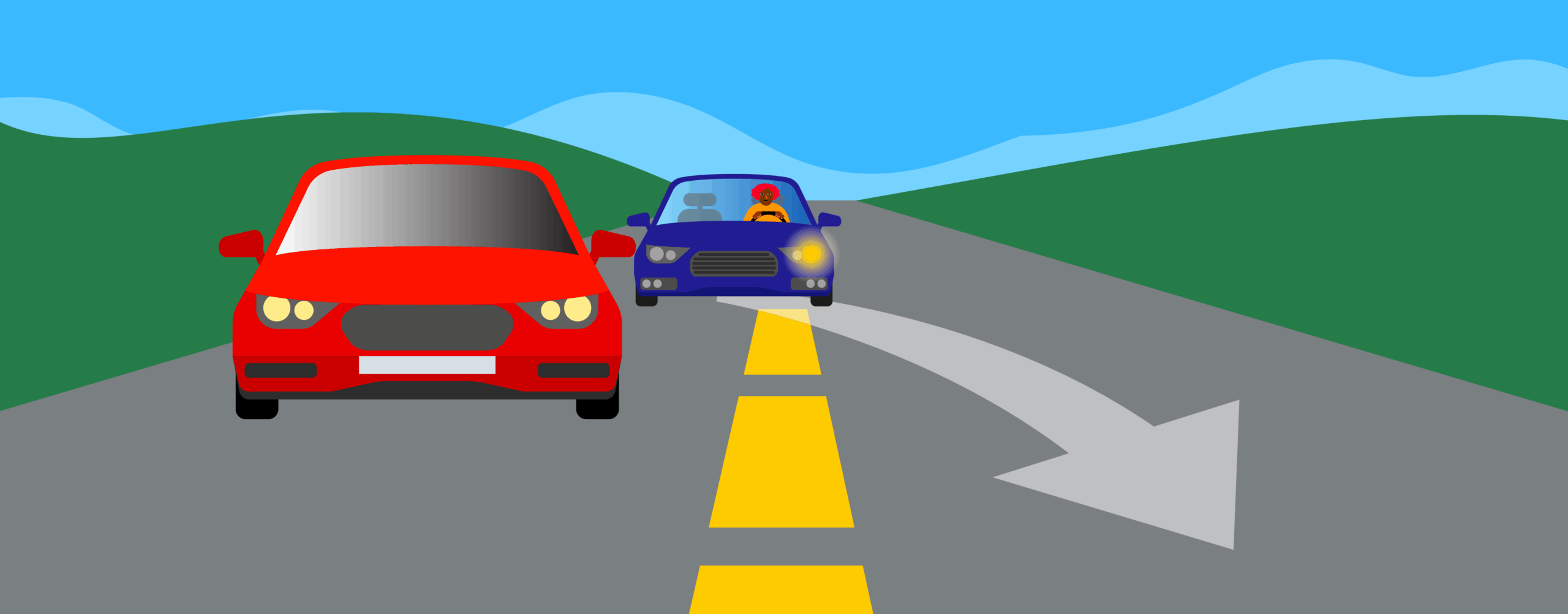
Failure to adhere to safe passing rules can lead to severe consequences. In California, illegal passing can result in traffic citations, fines, points on your driving record, and increased insurance premiums. More importantly, improper passing is a leading cause of head-on collisions, which are often fatal. Hazards extend beyond oncoming vehicles and include:
- Blind Spots: Both yours and the vehicle you’re passing.
- Intersections/Driveways: Vehicles may suddenly emerge or turn.
- Pedestrians/Cyclists: Always be vigilant for vulnerable road users.
- Road Conditions: Potholes, gravel, or wet spots can compromise control during a pass.
Always remember that the permission granted by a broken yellow line is conditional upon safety. If conditions are not optimal, patience is the safest course of action.
Common Scenarios and Misinterpretations
While the basic rule of a broken yellow line seems straightforward, variations and combinations with other markings can sometimes lead to confusion. Understanding these nuances is crucial for consistent safe driving.
Broken Yellow Line Adjacent to a Solid Yellow Line
This particular configuration is one of the most frequently misunderstood road markings. When you see a solid yellow line next to a broken yellow line, it means:
- If the broken line is on your side of the solid line, you are permitted to pass if it’s safe.
- If the solid line is on your side of the broken line, you are not permitted to pass.
This setup is common on roads where passing is allowed for traffic in one direction but prohibited for traffic in the opposing direction, often due to differing visibility, hazards, or specific road geometry on one side. For instance, a road might have good visibility for southbound traffic to pass but a blind curve or uphill climb for northbound traffic, thus restricting passing for the latter. Always pay close attention to which line is immediately next to your lane.
Understanding Multi-Lane Highways with Yellow Markings
On true multi-lane highways (like interstates), you generally won’t encounter yellow lines separating lanes of traffic moving in the same direction; white lines are used for that. However, yellow lines are still present to delineate the absolute left edge of the roadway or a median separating opposing flows of traffic. If you’re on a multi-lane highway and you see a broken yellow line, it’s typically marking the edge of a reversible lane or a specific two-way left turn lane, which we’ll discuss next. It is not typically indicating a general passing zone for opposing traffic in the way it does on a two-lane road.
Two-Way Left Turn Lanes (TWLTL)
A common application of broken yellow lines in California, especially in urban and suburban areas, is to designate a Two-Way Left Turn Lane (TWLTL). This lane is marked by two sets of yellow lines: an outer solid yellow line and an inner broken yellow line. The key characteristics are:
- It is specifically for vehicles making left turns from either direction.
- Drivers can enter the lane a reasonable distance before their turn (typically up to 200 feet in California).
- It is never to be used for passing, merging, or as a general travel lane.
- Once you enter a TWLTL, you must complete your left turn at the first available safe opportunity.
Misusing a TWLTL for passing or continuous travel is a significant traffic violation and extremely dangerous, as vehicles from opposing directions are legitimately using the same lane to prepare for left turns.
The Role of Road Signs in Conjunction with Lines
Road markings are often complemented by road signs, and sometimes signs can supersede or reinforce the message of a line. For instance, a “No Passing Zone” sign will always take precedence, even if the pavement marking appears to be a broken yellow line. Similarly, signs indicating an upcoming curve, hill, or intersection should caution drivers against passing, regardless of the line. Always prioritize regulatory signs (“No Passing,” “Do Not Pass”) over pavement markings if there’s any perceived conflict or ambiguity. These signs are often placed at points where a broken yellow line transitions to a solid yellow line or a double solid yellow line, serving as an additional warning.
Beyond the Yellow Line: A Holistic Approach to California Driving
Understanding the broken yellow line is a vital piece of the puzzle, but it’s part of a larger picture of safe and enjoyable travel across California. As you embark on your journeys, remember that road safety is a continuous commitment.
General Tips for Road Trips in California
- Plan Your Route: Use GPS and maps to familiarize yourself with your route, especially if navigating unfamiliar areas like San Francisco or Los Angeles.
- Stay Alert: Long stretches of highway can induce fatigue. Take regular breaks.
- Mind Your Speed: California has strict speed limits. Always adjust your speed for conditions.
- Expect Lane Changes: In metropolitan areas, traffic flow can be dynamic. Be prepared for sudden lane changes.
- Look Out for Cyclists and Pedestrians: Especially in cities and popular tourist spots, these vulnerable road users are abundant.
- Understand HOV Lanes: High-Occupancy Vehicle lanes have specific rules for usage, typically requiring two or more occupants.
- Prepare for Diverse Conditions: From desert heat to mountain snow, California’s climate is varied. Ensure your vehicle is ready for anything.
Resources for Further Driver Education
For those seeking more comprehensive knowledge, the California Department of Motor Vehicles (DMV) provides an extensive Driver Handbook online. This official resource is the ultimate guide to all California traffic laws, signs, and road markings. It is an invaluable tool for new drivers, those relocating to the state, or anyone wishing to refresh their knowledge of California’s unique driving environment.
By understanding what a broken yellow line signifies and adhering to the protocols for safe passing, you contribute to a safer and more predictable driving experience for everyone on California’s magnificent roads. Drive responsibly, stay informed, and enjoy the journey!
LifeOutOfTheBox is a participant in the Amazon Services LLC Associates Program, an affiliate advertising program designed to provide a means for sites to earn advertising fees by advertising and linking to Amazon.com. Amazon, the Amazon logo, AmazonSupply, and the AmazonSupply logo are trademarks of Amazon.com, Inc. or its affiliates. As an Amazon Associate we earn affiliate commissions from qualifying purchases.