
For those dreaming of a life less ordinary—perhaps extended travels through Europe, a serene retirement amidst the picturesque landscapes of coastal California, or even managing a remote lifestyle from an exotic locale like Bali—sound financial planning is the bedrock. While often associated with complex legal formalities, understanding instruments like a Living Trust in California is not just for the ultra-wealthy or the elderly contemplating traditional estate planning. Instead, it’s a vital tool for anyone seeking to protect their assets, maintain their desired lifestyle, and ensure their legacy, no matter where their adventures take them. It allows for seamless asset management, crucial for individuals who might spend extended periods away from home, own properties across different regions, or simply wish for privacy and efficiency in asset transfer. This comprehensive guide will demystify the Living Trust, highlighting its relevance for those embracing a “life out of the box.”
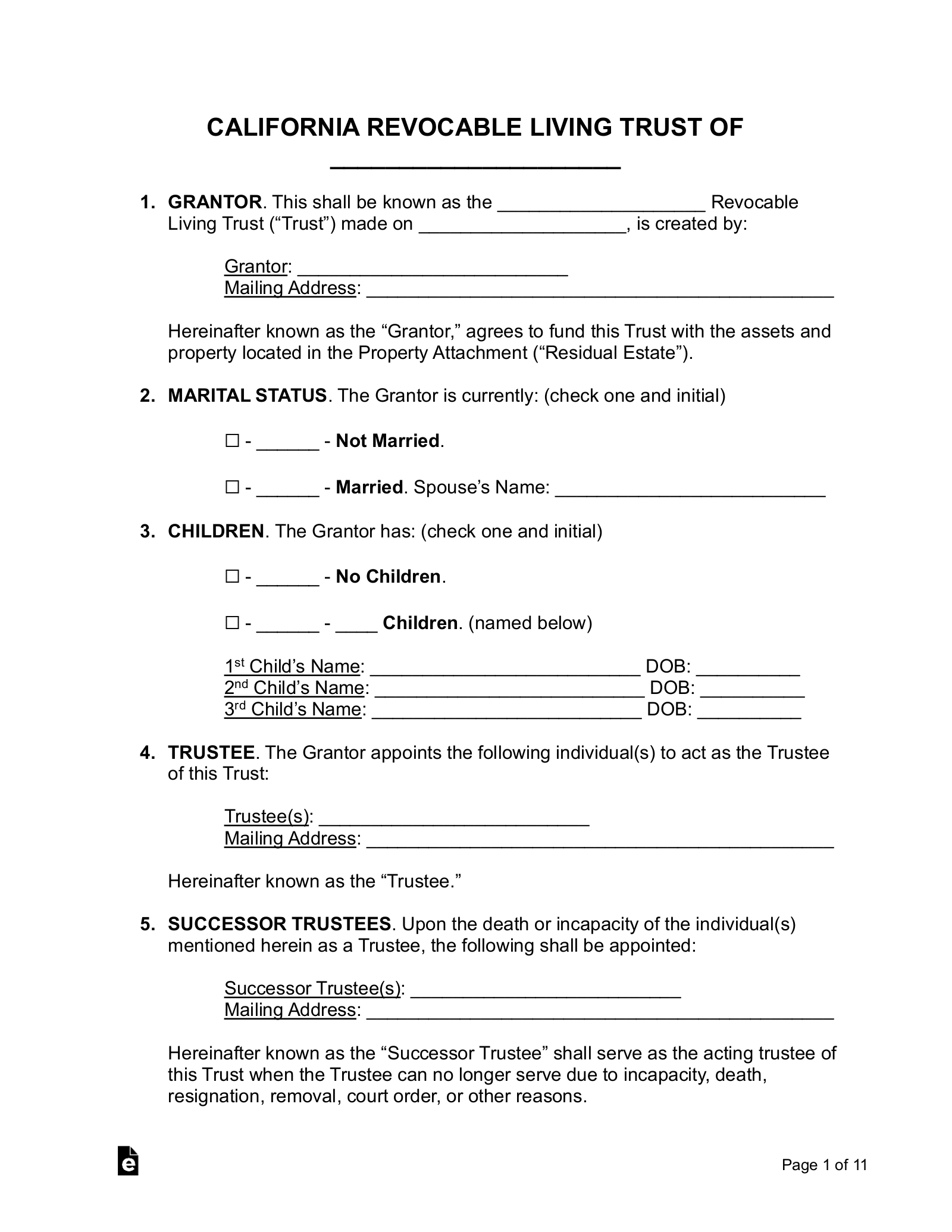
The Core Concept: Unpacking the Living Trust
At its heart, a Living Trust is a legal document that allows you to place your assets (such as real estate, bank accounts, investments, and personal property) into the trust during your lifetime. You, the creator of the trust, typically serve as the initial trustee and beneficiary. This means you retain complete control over your assets and can use them as you wish while you are alive and competent. The true power of a living trust, however, unfolds upon your incapacitation or death, ensuring your assets are managed and distributed according to your wishes, without the need for court intervention.
Trustor, Trustee, and Beneficiary
Understanding the key roles within a living trust is crucial.
- Trustor (or Grantor/Settlor): This is you, the individual who creates the trust and transfers assets into it. In California, you decide what goes into the trust and how it will be managed and distributed.
- Trustee: This is the person or entity responsible for managing the assets held in the trust. As the trustor, you typically name yourself as the initial trustee, allowing you to maintain control. You also designate a “successor trustee” who steps in to manage the trust assets if you become incapacitated or pass away. This successor trustee might be a trusted family member residing in San Francisco, a close friend, or a professional fiduciary.
- Beneficiary: These are the individuals or entities who will ultimately receive the assets from the trust. During your lifetime, you are usually the primary beneficiary. Upon your passing, your chosen beneficiaries (e.g., children, spouse, charities) will inherit the trust assets.
Revocable vs. Irrevocable
Living trusts primarily come in two forms: revocable and irrevocable.
- Revocable Living Trust: This is the most common type for individuals pursuing flexible lifestyles. A revocable trust can be changed, amended, or even cancelled (revoked) by the trustor at any time, as long as they are mentally competent. This flexibility is invaluable for those whose life circumstances, travel plans, or financial situations may evolve over time. You retain full control over your assets and can add or remove property, change beneficiaries, or alter distribution terms.
- Irrevocable Living Trust: Once established, an irrevocable trust generally cannot be changed or revoked without the consent of the beneficiaries. You give up ownership and control of the assets once they are transferred into an irrevocable trust. While less flexible, irrevocable trusts offer specific advantages, such as enhanced asset protection from creditors and potential tax benefits, which might be appealing in certain complex financial situations or for extremely high net worth individuals. However, for most seeking simplicity and adaptability, the revocable living trust is the preferred choice.
Why a Living Trust is Essential for a Flexible Lifestyle in California
For those embracing an “out of the box” lifestyle—whether it’s extended backpacking across Asia, digital nomadism in Costa Rica, or a quiet retirement in a charming California beach town—a living trust offers distinct advantages that traditional wills cannot match.
Avoiding Probate: A Traveler’s Dream
One of the most significant benefits of a living trust in California is its ability to bypass probate. Probate is a public, often lengthy, and costly legal process that authenticates a will and oversees the distribution of assets. In California, probate can take anywhere from 9 months to several years and can eat up a significant portion of an estate’s value in legal fees and court costs.
For someone who spends a lot of time away from home, the idea of their estate being tied up in court proceedings while their loved ones are left waiting, possibly in a different state or country, is a major concern. A funded living trust allows your successor trustee to manage and distribute assets immediately upon your incapacitation or death, entirely outside of court. This means your beneficiaries can receive their inheritance much faster and with greater privacy, a true blessing when dealing with the emotional weight of loss. Imagine your family needing to access funds for immediate expenses while you’re traveling, only to find them locked in probate; a living trust prevents such scenarios.
Privacy and Control for Global Citizens
The public nature of probate can also be a significant disadvantage for individuals who value their privacy. A will, once entered into probate, becomes a public record, detailing your assets, debts, and beneficiaries. For those living a more private or public “out of the box” lifestyle, this lack of privacy can be undesirable.
A living trust, by contrast, is a private document. The details of your assets and their distribution remain confidential, known only to your trustee and beneficiaries. This privacy extends to your financial affairs, ensuring that your wealth and legacy are handled discreetly, a feature particularly attractive to global citizens or those with a public persona who wish to keep their personal financial details out of the public eye. Moreover, in case of your incapacitation while exploring, say, the vineyards of Napa Valley or the bustling markets of Mexico, your designated successor trustee can immediately step in to manage your finances, ensuring your bills are paid and your affairs are in order without any public record or court interference.
Seamless Management of Multi-State or International Assets
Many adventurous individuals own property or have assets in multiple states or even countries. Without a living trust, each property might be subject to separate probate proceedings in each jurisdiction—a process known as “ancillary probate.” This can be incredibly complex, time-consuming, and expensive, especially if your assets are scattered from Los Angeles to Thailand.
A properly funded living trust can consolidate these assets under one legal umbrella. If your California home, your vacation condo in Palm Springs, and perhaps an investment property in South America are all titled in the name of your trust, they can bypass multiple probate proceedings. This centralized management simplifies the administration of your estate, making it significantly easier for your successor trustee to handle your affairs efficiently, allowing your legacy to transition smoothly, reflecting the ease and freedom of your chosen lifestyle.

Setting Up Your California Living Trust: Steps and Considerations
While the benefits are clear, establishing a living trust requires careful planning and legal expertise. This isn’t a DIY project, especially given the nuances of California law and the desire to align it with a unique lifestyle.
Finding the Right Legal Expertise
The first and most critical step is to consult with an experienced estate planning attorney in California. They can assess your specific financial situation, family dynamics, and lifestyle goals to design a trust that precisely meets your needs. Look for an attorney who understands the complexities of multi-jurisdictional assets if you own property outside of California or if your beneficiaries live abroad. They can ensure your trust is legally sound and effectively carries out your wishes. A good attorney will explain the legal jargon and guide you through every decision, from naming trustees to outlining distribution schedules.
Funding Your Trust: What to Include
A living trust is only effective if it is “funded”—meaning your assets are legally transferred into the trust’s name. This crucial step is often overlooked. Your attorney will help you retitle real estate (like your home in San Diego or your cabin near Big Sur), bank accounts, investment portfolios, and other significant assets into the name of your trust. This process can be complex, involving new deeds for properties and beneficiary designations for accounts. Assets not properly funded into the trust may still be subject to probate, defeating one of the primary purposes of the trust. It’s important to fund all relevant assets, especially those you wish to keep private or ensure quick distribution of.
Maintaining Your Trust: Ongoing Management
Your living trust is not a set-it-and-forget-it document. It’s a dynamic tool that should evolve with your life. Regularly review and update your trust, especially after significant life events such as marriage, divorce, birth of a child, purchase or sale of a major asset, or changes in your travel or living arrangements. If you decide to retire and move from Santa Barbara to another state or country, or if your chosen successor trustee moves or becomes unable to serve, these changes necessitate an update to your trust. Periodic reviews with your attorney (every 3-5 years, or after major life changes) ensure your trust remains effective and aligned with your current wishes and lifestyle.
Beyond the Basics: Advanced Considerations for the Adventurous
For those whose lifestyle truly pushes boundaries, a living trust can be integrated with other legal instruments to provide comprehensive protection and flexibility.
Integrating with Power of Attorney and Advance Healthcare Directives
While a living trust handles your assets, it’s equally important to plan for your personal and medical care. A durable power of attorney allows a trusted individual to make financial decisions on your behalf for assets outside the trust, or for matters that your trust doesn’t cover. An advance healthcare directive (or living will) specifies your wishes regarding medical treatment, ensuring your health decisions are respected even if you’re incapacitated, whether you’re at home in California or receiving care while abroad. These documents, when combined with your living trust, create a robust personal and financial plan that accounts for all aspects of an adventurous life.
Protecting Assets for Minor Beneficiaries
If your “out of the box” lifestyle includes raising children or supporting minor beneficiaries, a living trust is invaluable. It allows you to designate how and when minors will receive their inheritance, often stipulating that funds be held in trust until they reach a certain age (e.g., 25 or 30), rather than receiving a lump sum at the legal age of majority (18 or 21), which can be premature for managing significant wealth. This thoughtful approach ensures that your legacy supports their growth and development, rather than becoming a potential burden. This is especially important if you envision your children carrying on a similar adventurous lifestyle, providing them with financial stability and guidance.

Impact on International Residency or Citizenship Planning
For those considering long-term international residency or dual citizenship, the implications for estate planning become even more complex. A California living trust can be a cornerstone, but it must be considered within the framework of international laws and treaties. Discussing these specific aspirations with your estate planning attorney, potentially involving an international tax or legal expert, is crucial. They can help navigate how your trust interacts with foreign asset ownership rules, inheritance laws in other countries, and any applicable tax treaties, ensuring your assets are protected and your wishes are honored, wherever in the world you choose to call home.
In conclusion, a Living Trust in California is far more than just an estate planning tool; it’s a foundational element for building and maintaining a life of freedom, flexibility, and adventure. By safeguarding your assets, preserving your privacy, and streamlining asset transfer, it empowers you to truly live “out of the box,” secure in the knowledge that your legacy is protected, allowing you to focus on creating unforgettable experiences across the globe.
LifeOutOfTheBox is a participant in the Amazon Services LLC Associates Program, an affiliate advertising program designed to provide a means for sites to earn advertising fees by advertising and linking to Amazon.com. Amazon, the Amazon logo, AmazonSupply, and the AmazonSupply logo are trademarks of Amazon.com, Inc. or its affiliates. As an Amazon Associate we earn affiliate commissions from qualifying purchases.