
Embarking on a career in education in California is a journey filled with purpose, promise, and the potential for profound impact. The Golden State, renowned for its diverse landscapes, innovative spirit, and vibrant communities, also offers a dynamic environment for educators. For those passionate about shaping young minds and contributing to a thriving educational system, understanding “How To Obtain California Teaching Credential” is the crucial first step towards realizing this fulfilling lifestyle.
Teaching in California isn’t just a job; it’s a commitment to a lifestyle of continuous learning, community engagement, and making a tangible difference in the lives of students. Whether you’re an aspiring educator just starting your academic journey, a seasoned professional from another state or country looking to relocate, or contemplating a career change, the process of obtaining a teaching credential in this bustling state requires careful planning and adherence to specific requirements set forth by the California Commission on Teacher Credentialing (CTC). This comprehensive guide will illuminate the pathways, requirements, and examinations, helping you navigate the journey to a rewarding teaching lifestyle in California.
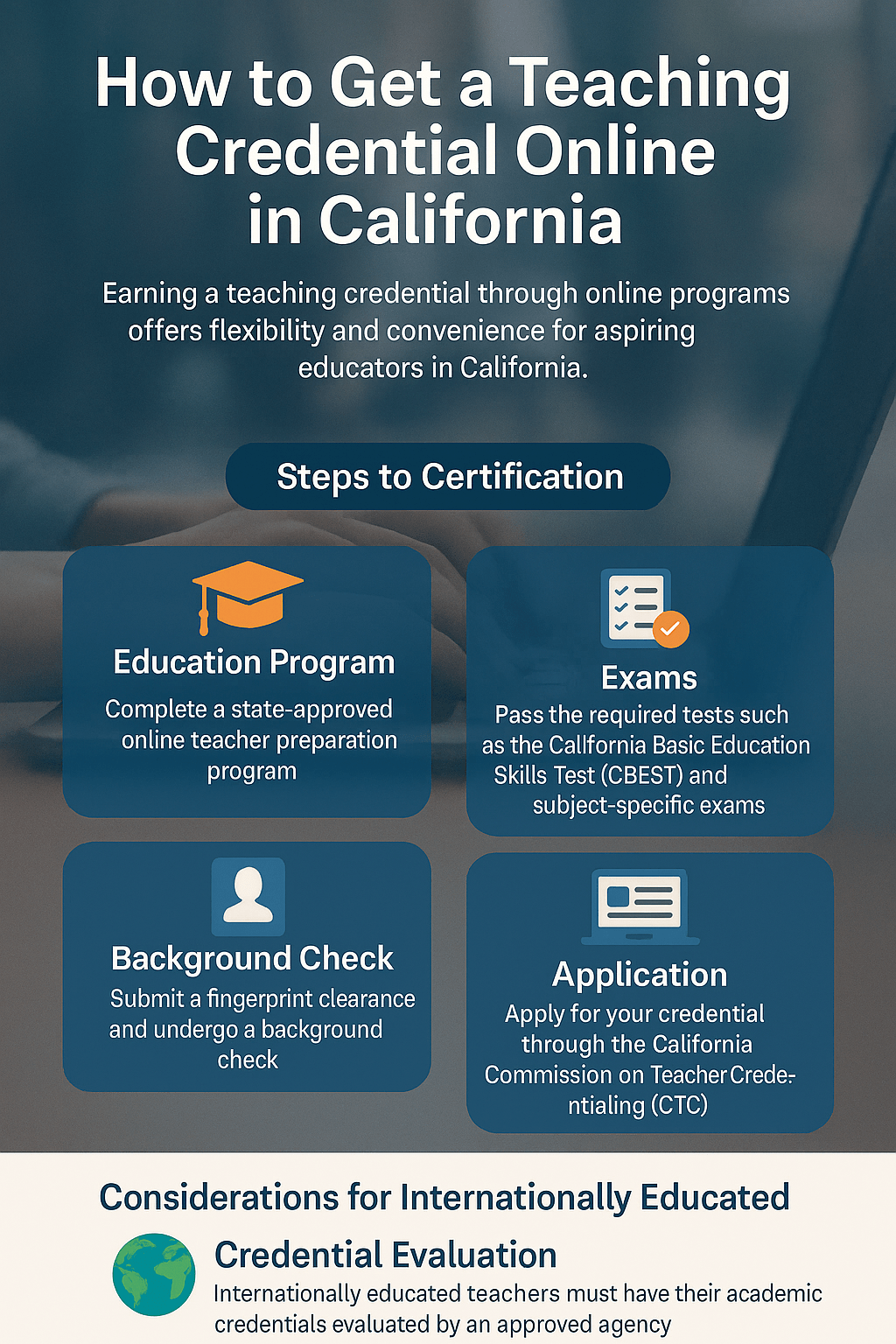
Understanding Your Pathway to a California Teaching Credential
The California credentialing system is designed to ensure that all educators are highly qualified, skilled, and prepared to meet the diverse needs of students across the state. The primary credential for K-12 teaching is the Multiple Subject Teaching Credential (for elementary education) or the Single Subject Teaching Credential (for secondary education in a specific subject). There are also credentials for Education Specialists (special education), Pupil Personnel Services, and various administrative roles. Your chosen pathway will largely depend on your educational background and career aspirations.
General Education Requirements
To qualify for a California Teaching Credential, candidates typically must hold a bachelor’s degree from a regionally accredited institution. While the major of your undergraduate degree might influence your path (especially for single subject credentials), a broad foundation in general education is essential. This often includes coursework across humanities, arts, sciences, and mathematics, demonstrating a well-rounded academic background critical for effective teaching.
Subject Matter Competence
Demonstrating subject matter competence is a cornerstone of the California credentialing process. This ensures that teachers possess a deep and comprehensive understanding of the subjects they intend to teach. There are generally two main ways to fulfill this requirement:
- Completion of a Subject Matter Program: Many California colleges and universities offer CTC-approved subject matter programs. These structured courses of study are specifically designed to meet the state’s requirements for content knowledge in a particular area.
- Passing the CSET (California Subject Examinations for Teachers): For those who haven’t completed an approved program or who majored in an unrelated field, passing the relevant CSET examination(s) is the most common alternative. These rigorous tests assess knowledge across various subject areas, ensuring candidates are well-prepared to teach.
Professional Preparation Program
Once subject matter competence is established, aspiring teachers must complete a professional preparation program. These programs, offered by various universities and colleges throughout California, provide the pedagogical knowledge and practical experience necessary for effective teaching. A typical program includes:
- Pedagogical Coursework: Instruction in teaching methodologies, educational psychology, classroom management, curriculum development, and teaching diverse learners.
- Supervised Fieldwork/Student Teaching: This is a critical component, offering hands-on experience in a classroom setting under the guidance of an experienced mentor teacher. It allows candidates to apply theoretical knowledge, develop practical skills, and gain invaluable insights into the daily life of an educator.
Basic Skills Requirement
In addition to academic and subject-specific qualifications, all prospective California educators must demonstrate basic proficiency in reading, writing, and mathematics. This can be met through several pathways:
- Passing the CBEST (California Basic Educational Skills Test): This is the most common method. The CBEST assesses fundamental skills across reading, writing, and mathematics.
- CSET](https://lifeoutofthebox.com/cset) Multiple Subject Examination and Writing Skills Examination: Achieving a qualifying score on these combined tests can also fulfill the requirement.
- Coursework: Completing specific college-level coursework in reading, writing, and mathematics with a grade of B- or better, as approved by the CTC.
- SAT/ACT Scores: Achieving qualifying scores on the SAT or ACT exams can also satisfy the basic skills requirement.
- AP Exam Scores: Earning a qualifying score on specific Advanced Placement (AP) English and Math exams.
It’s crucial to check the latest CTC guidelines for specific scores and acceptable coursework as requirements can evolve.
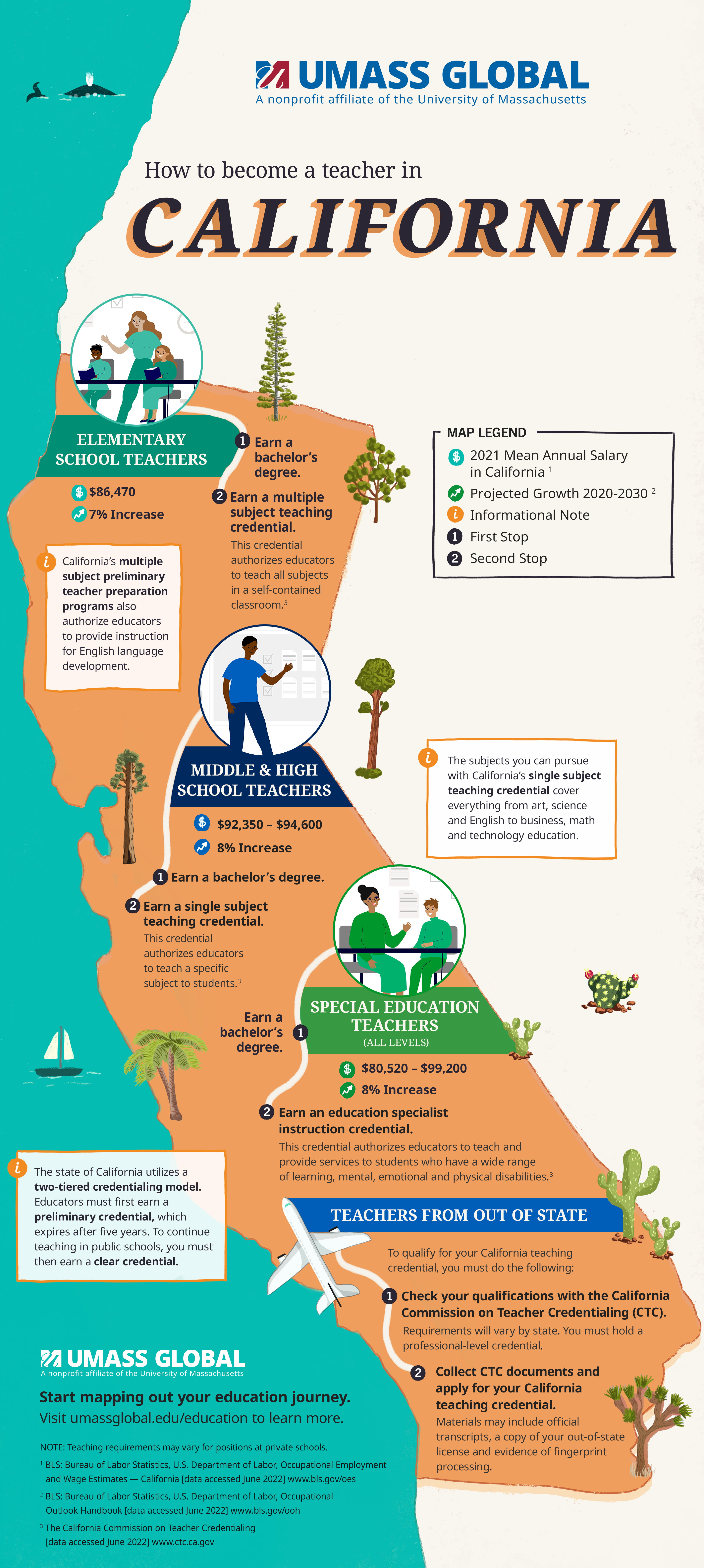
Navigating the Credentialing Examinations
For many aspiring teachers, standardized examinations form a significant part of the credentialing journey. These tests ensure a baseline of essential skills and subject expertise.
The CBEST – Foundations of Literacy and Math
The CBEST is typically one of the first hurdles. It consists of three sections: Reading, Writing, and Mathematics. The test is designed to assess general knowledge and skills, not specific teaching methodologies. Preparation resources, including study guides and practice tests, are widely available to help candidates refresh these fundamental academic skills.
CSET – Demonstrating Subject Mastery
The CSET is a more specialized examination, tailored to the subject(s) you intend to teach. For Multiple Subject candidates, the CSET Multiple Subject test covers diverse areas like reading, language arts, history, social science, science, and mathematics. Single Subject candidates take exams specific to their chosen subject (e.g., CSET English, CSET Mathematics, CSET Science). These exams are comprehensive and require thorough preparation, often involving reviewing college-level textbooks and curriculum frameworks.
RICA – Essential for Elementary Educators
For those seeking a Multiple Subject Teaching Credential or an Education Specialist Instruction Credential, the RICA (Reading Instruction Competence Assessment) is a mandatory examination. The RICA assesses knowledge and skills in reading instruction, including planning, organizing, and managing reading instruction, as well as assessing reading development. Given the critical importance of literacy, passing the RICA demonstrates a candidate’s readiness to effectively teach reading to elementary students.
The Application Process and Sustaining Your Teaching Lifestyle
Once all academic, experience, and examination requirements are met, the final step is to formally apply for your credential.
Submitting Your Application to the California Commission on Teacher Credentialing (CTC)
The application process is handled directly through the California Commission on Teacher Credentialing (CTC) website. You will need to submit official transcripts, verification of program completion (from your university), and evidence of passing all required examinations. The CTC also requires a background check, including fingerprinting, as part of the safety protocols for working with children. This typically involves submitting Live Scan fingerprints, which are then processed by the California Department of Justice and the Federal Bureau of Investigation in the United States. Patience is key during this phase, as processing times can vary.
Maintaining Your Credential and Professional Growth
Obtaining your credential is just the beginning of your teaching lifestyle. California credentials are not indefinite; they typically require renewal every five years. To maintain your credential, you must demonstrate ongoing professional development, often through continuing education units, workshops, and participation in professional learning communities. This commitment to lifelong learning is an integral part of the teaching profession, ensuring educators remain current with best practices, new technologies, and evolving student needs. Many school districts and professional organizations offer ample opportunities for teachers to engage in meaningful professional growth, fostering a culture of excellence and continuous improvement.

A Rewarding Career Awaits: Living the Teaching Life in the Golden State
The path to obtaining a California Teaching Credential is rigorous, but the rewards are immeasurable. As an educator in the Golden State, you will not only embark on a fulfilling career but also embrace a lifestyle defined by purpose, community, and the joy of contributing to the next generation. From the bustling urban centers of Los Angeles and San Francisco to the serene rural communities, California offers diverse teaching environments and opportunities for professional growth.
Teachers in California play a vital role in shaping the future, fostering critical thinking, creativity, and a love for learning in students from all walks of life. The challenges are real, but so are the triumphs. By diligently following the steps outlined by the California Commission on Teacher Credentialing, you can successfully navigate the process and unlock a career that is as impactful as it is personally enriching. Prepare yourself, stay committed, and look forward to the profound satisfaction of living a teaching lifestyle that truly makes a difference in one of the most dynamic states in the United States. Your journey to inspire and educate begins now.
LifeOutOfTheBox is a participant in the Amazon Services LLC Associates Program, an affiliate advertising program designed to provide a means for sites to earn advertising fees by advertising and linking to Amazon.com. Amazon, the Amazon logo, AmazonSupply, and the AmazonSupply logo are trademarks of Amazon.com, Inc. or its affiliates. As an Amazon Associate we earn affiliate commissions from qualifying purchases.