
Embarking on a transcontinental journey from the bustling metropolises of New York to the sun-kissed shores and diverse landscapes of California is a quintessential American travel experience. Whether you’re relocating, visiting family, or simply exploring the vast beauty of the United States, understanding the intricacies of this long-haul flight is crucial for planning a seamless trip. The question “How long is a flight from New York to California?” might seem straightforward, but the answer encompasses a fascinating array of factors, from the specific airports involved and the type of flight you choose to meteorological conditions and the class of service. This article delves into everything you need to know about flying between these two iconic states, offering insights to optimize your travel time and enhance your overall journey, aligning with the website’s focus on comprehensive travel guides, accommodation insights, and lifestyle choices.
Unpacking the Journey: Flight Duration Between New York City and California
The flight time from the East Coast to the West Coast of the United States is a significant consideration for any traveler. While there’s a general range, pinpointing an exact duration requires a closer look at various operational and geographical elements. The vast expanse separating the two regions means you’re crossing thousands of miles, often passing over multiple time zones and diverse terrains.
Direct vs. Connecting Flights
The most significant determinant of your total travel time is whether you opt for a direct (non-stop) flight or one with layovers.
-
Direct Flights: A non-stop flight is, undoubtedly, the fastest way to traverse the country. For a typical route like John F. Kennedy International Airport (JFK) in New York City to Los Angeles International Airport (LAX) in California, direct flights usually range from 5 hours 30 minutes to 6 hours 30 minutes when flying westward. When flying eastward, the journey can be slightly shorter, often around 5 hours to 6 hours, due to prevailing tailwinds (more on this later). Similar durations apply to routes between Newark Liberty International Airport (EWR) or LaGuardia Airport (LGA) and major Californian hubs like San Francisco International Airport (SFO) or San Diego International Airport (SAN). These flights offer the convenience of minimal disruption, allowing passengers to settle in and enjoy the journey without the stress of transfers. For business travelers or those on tight schedules, direct flights are almost always the preferred choice, despite often carrying a slightly higher price tag. They minimize the risk of missed connections, baggage issues, and the general weariness associated with airport hopping.
-
Connecting Flights: If you choose a connecting flight, your total travel time will naturally increase. A single layover can add anywhere from 2 to 6 hours or even more to your journey, depending on the duration of the stopover and the efficiency of the connecting airport. This means a connecting flight could take anywhere from 8 hours to 12+ hours from departure in New York to arrival in California. While connecting flights are often more economical, they demand more patience and planning. Travelers must consider the risk of delays impacting their connection, the need to navigate potentially unfamiliar airports, and the added physical strain of multiple take-offs and landings. However, they can also offer an opportunity for a brief stretch, a meal, or even exploring a new city if the layover is sufficiently long and strategically planned.
Key Airports and Routes
The specific departure and arrival airports significantly influence both flight distance and available routes. New York is served by three major international airports, offering a wealth of choices for travelers:
- John F. Kennedy International Airport (JFK): Located in Queens, New York, JFK is a major international gateway and offers numerous direct flights to all major Californian cities. It’s often the primary choice for those seeking the widest range of flight times and airlines.
- Newark Liberty International Airport (EWR): Situated in Newark, New Jersey, EWR serves the greater New York City area and is a hub for United Airlines, providing extensive direct options to the West Coast.
- LaGuardia Airport (LGA): Also in Queens, New York, LGA historically focused on domestic flights, but recent modernizations have expanded its offerings. While it might have fewer direct transcontinental options compared to JFK or EWR, it can be a convenient choice for those closer to its location.
On the California side, the state boasts several large airports capable of handling transcontinental traffic:
- Los Angeles International Airport (LAX): The primary international airport serving Los Angeles and the surrounding Southern California region, LAX is a colossal hub with countless direct flights from New York.
- San Francisco International Airport (SFO): Serving the San Francisco Bay Area in Northern California, SFO is another major gateway, popular for both business and leisure travel.
- San Diego International Airport (SAN): Located in San Diego, SAN offers a convenient entry point for visitors heading to the southernmost parts of California.
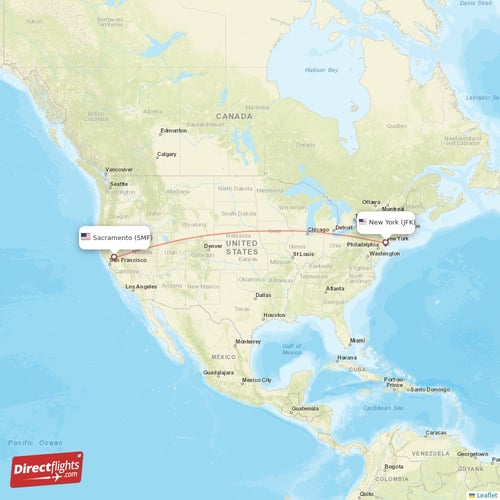
- Oakland International Airport (OAK) & Sacramento International Airport (SMF): These airports also provide direct and connecting flights, often serving as alternatives to SFO or LAX, sometimes with more competitive pricing or less congestion.
Popular direct routes include JFK-LAX, EWR-SFO, LGA-LAX, and vice versa, serviced by major carriers like Alaska Airlines, United Airlines, Delta Air Lines, American Airlines, and JetBlue Airways.
Factors Influencing Your Flight Time
Beyond the choice between direct and connecting flights, several less obvious but equally impactful factors can subtly alter the duration of your transcontinental journey.
Wind Speed and Jet Streams
One of the most significant natural elements affecting flight time is wind. At high altitudes, powerful currents of air known as jet streams flow across the globe. For flights from New York to California (westward), aircraft are often flying against these prevailing westerly winds, which can add 30-60 minutes or more to the flight. Conversely, flights from California to New York (eastward) often benefit from strong tailwinds, effectively “pushing” the aircraft and shortening the journey by a similar margin. Pilots and air traffic controllers account for these conditions when planning routes, but unexpected changes can always occur.
Aircraft Type and Air Traffic Control
The type of aircraft plays a role in cruising speed, though this impact is usually minimal for scheduled passenger flights on similar routes. Larger, more modern jets like the Boeing 787 Dreamliner or Airbus A350 might offer slight efficiencies over older models. More significantly, air traffic control (ATC) can influence flight duration. Busy airspace around major hubs like New York and Los Angeles can lead to holding patterns, delayed take-offs, or rerouting, all of which add minutes to your journey. Weather conditions, even clear skies at your origin or destination, can impact overall air traffic flow across the country, creating bottlenecks far from your direct path.
Airline and Route Optimization
While airlines largely use similar routes for transcontinental travel, minor differences in their flight plans or operational procedures can lead to slight variations in advertised flight times. Some airlines might opt for routes that prioritize fuel efficiency over speed, while others might schedule more buffer time to improve their on-time performance statistics. Airlines are constantly optimizing their routes using advanced software to account for winds, weather, and air traffic, aiming to balance fuel consumption, speed, and passenger comfort.
Time Zones and Perceived Duration
Crossing three time zones (Eastern, Central, Mountain, and Pacific) means a significant time difference. When flying from New York to California, you “gain” three hours. For example, a 6-hour flight departing at 9:00 AM Eastern Time will arrive around 2:00 PM Pacific Time (9 AM + 6 hours flight – 3 hours time difference). This can make the flight feel shorter because you arrive earlier in the day relative to your departure time. Conversely, flying from California to New York, you “lose” three hours, making the flight feel longer and often contributing to jet lag. Understanding this time shift is crucial for planning your arrival day activities and managing potential jet lag.
Maximizing Your Transcontinental Travel Experience
A long flight, especially one spanning the width of a continent, can be daunting. However, with thoughtful planning, you can transform it into a productive or relaxing segment of your overall trip.
Choosing Your Class of Service
Your comfort level during the flight is directly tied to the class of service you select.
- Economy Class: For budget-conscious travelers, economy class offers the most affordable option. To maximize comfort in this cabin, consider investing in a good neck pillow, noise-canceling headphones, and an eye mask. Pack snacks, stay hydrated, and try to get up and stretch periodically. Many modern aircraft offer in-flight entertainment systems, but bringing your own loaded tablet or book can be a lifesaver. Booking an aisle seat can make it easier to stretch your legs without disturbing fellow passengers.
- Business Class/First Class: For those seeking a more luxurious or productive journey, business class or first class offers significantly enhanced amenities. These often include more spacious seating, sometimes even lie-flat seats that transform into beds, gourmet meals, complimentary alcoholic beverages, priority boarding and deplaning, and dedicated cabin crew. While pricier, the added comfort and ability to rest fully can make a substantial difference, especially for business travelers who need to hit the ground running upon arrival. Some airlines also offer premium economy options, which provide more legroom and wider seats than standard economy at a more accessible price point than business class.
In-Flight Comfort and Productivity
Regardless of your class, a few strategies can enhance your comfort and productivity:
- Stay Hydrated: The dry cabin air can be dehydrating. Drink plenty of water and limit caffeine and alcohol.
- Move Around: Periodically walk the aisle or do simple stretches in your seat to promote circulation and prevent stiffness.
- Entertainment and Work: Utilize the in-flight entertainment system, read a book, listen to podcasts, or catch up on work if your flight has Wi-Fi. Many people use transcontinental flights as an opportunity for uninterrupted focus.
- Combat Jet Lag: Adjust your sleep schedule a few days before departure, hydrate, and try to sleep on the plane according to your destination’s time zone. Exposure to natural light upon arrival in California will help reset your body clock.
Booking Strategies for the Best Experience
- Book in Advance: Generally, booking flights several weeks to months in advance can secure better prices, especially for direct flights.
- Be Flexible with Dates: If your schedule allows, flying on Tuesdays, Wednesdays, or Saturdays often yields lower fares. Mid-day flights can sometimes be less crowded than early morning or evening departures.
- Consider Redeye Flights: For those heading to California, a redeye flight from New York can be an efficient option. Departing in the evening, you can potentially sleep through much of the flight and arrive in California early morning, ready to start your day. However, this strategy requires a good ability to sleep on a plane.
- Utilize Airline Loyalty Programs: Membership in frequent flyer programs can unlock benefits like upgrades, lounge access, and priority services, significantly enhancing your long-haul experience.
Planning Your California Adventure: Beyond the Flight
Once your flight duration is settled, the real fun begins: planning your stay in California. The Golden State offers an incredible array of experiences, from vibrant city life to breathtaking natural wonders, catering to every travel style and interest.
Popular California Destinations
California is a vast state, and your destination within it will shape your overall experience.
- Southern California:
- Los Angeles: The entertainment capital of the world, Los Angeles is a sprawling metropolis famous for Hollywood, Beverly Hills, pristine beaches like Malibu and Santa Monica, and world-class museums. Don’t miss Disneyland in nearby Anaheim for a magical experience.
- San Diego: Known for its beautiful harbor, pristine beaches, and laid-back vibe, San Diego boasts attractions like the San Diego Zoo, Balboa Park, and the historic Gaslamp Quarter. It’s a fantastic choice for family trips or a relaxed coastal getaway.
- Northern California:
- San Francisco: Famous for its iconic Golden Gate Bridge, cable cars, rolling hills, and vibrant cultural scene, San Francisco is a must-visit. Explore Alcatraz Island, Fisherman’s Wharf, and the colorful neighborhoods.
- Napa Valley & Sonoma Valley: Just north of San Francisco, these regions are synonymous with world-class wine tourism, offering picturesque vineyards, exquisite dining, and charming boutique hotels.
- Nature & Outdoors: California is also home to incredible national parks and natural landmarks. Yosemite National Park offers stunning granite cliffs and giant sequoias, while Lake Tahoe provides year-round recreation, from skiing to hiking. The Pacific Coast Highway (Highway 1) offers one of the world’s most scenic drives, perfect for a road trip.
Accommodation and Local Experiences
California offers an extensive range of accommodation options to suit every budget and preference, from lavish luxury hotels and sophisticated boutique stays in major cities to charming bed and breakfasts in wine country and cozy vacation rentals along the coast. Researching and booking your accommodation in advance, especially during peak season, is highly recommended. Websites specializing in hotel reviews and comparison tools can be invaluable resources.
Beyond accommodation, immerse yourself in the local culture. California is a melting pot of diverse communities, each offering unique culinary experiences, vibrant art scenes, and a plethora of activities. From sampling farm-to-table cuisine in San Francisco, enjoying authentic Mexican food in San Diego, to exploring the street art of Los Angeles, there’s an endless array of local flavors and customs to discover. Consider guided tours focused on food, history, or specific attractions to gain deeper insights into the places you visit.
Conclusion
The flight from New York to California is a journey that typically spans between 5.5 to 6.5 hours for direct flights, with connecting flights extending this significantly. Factors such as wind patterns, specific airports, and airline choices all play a role in determining the precise duration. By understanding these variables and implementing smart travel strategies—from choosing the right class of service to preparing for jet lag—you can ensure your transcontinental experience is as comfortable and efficient as possible. Once you’ve successfully navigated the skies, California awaits with its unparalleled beauty, diverse attractions, and vibrant lifestyle offerings, promising a memorable adventure for every traveler. Thoughtful planning, both for your flight and your destination activities, is the key to unlocking the full potential of this iconic cross-country trip.
LifeOutOfTheBox is a participant in the Amazon Services LLC Associates Program, an affiliate advertising program designed to provide a means for sites to earn advertising fees by advertising and linking to Amazon.com. Amazon, the Amazon logo, AmazonSupply, and the AmazonSupply logo are trademarks of Amazon.com, Inc. or its affiliates. As an Amazon Associate we earn affiliate commissions from qualifying purchases.