
The majestic Grand Canyon in Arizona stands as an unparalleled testament to the power of nature, a breathtaking chasm carved into the earth’s crust over millions of years. This colossal landmark, a true wonder of the natural world, inspires awe and draws millions of visitors annually, eager to witness its immense scale and geological grandeur. But at the heart of this iconic landscape, tirelessly working its way through the deep gorges and ancient rock layers, lies the architect of this masterpiece: the Colorado River.
Without the relentless, erosive force of the Colorado River, the Grand Canyon as we know it simply wouldn’t exist. This powerful waterway, originating far to the north, has sculpted and deepened the canyon over millennia, revealing an astonishing timeline of Earth’s history embedded in its stratified walls. For anyone planning to travel to this iconic destination, understanding the river’s pivotal role not only answers the primary question but also enriches the entire experience, from choosing the best vantage points to embarking on thrilling river adventures. The Grand Canyon is more than just a view; it’s an immersive journey into geological time, an adventure destination, and a vibrant hub for tourism, offering diverse accommodations, activities, and a lifestyle for every type of traveler.

The Architect of Grandeur: The Colorado River’s Role
The narrative of the Grand Canyon is inextricably linked with the story of the Colorado River. This isn’t merely a river running through a canyon; it is the river that created the canyon. Its journey through the Arizona desert is a saga of immense geological forces and relentless erosion, making it a primary destination for those interested in natural landmarks and geological history.
A Geological Masterpiece in Motion
The formation of the Grand Canyon is one of Earth’s most compelling geological tales, a process driven by the Colorado River’s sheer power. For an estimated 5 to 6 million years, the river has been cutting downwards, propelled by the uplift of the Colorado Plateau. This ongoing battle between uplift and erosion has exposed nearly two billion years of Earth’s geological history, laid bare in the canyon’s vibrant, multi-layered walls. From the ancient Vishnu Schist at the bottom, part of the Grand Canyon Supergroup, to the younger Kaibab Limestone at the rim, each stratum tells a story of ancient oceans, deserts, and swamps, making the canyon a living textbook for geology enthusiasts.
The river’s carving action isn’t just about water flowing over rock; it’s a dynamic interplay of hydraulic force, abrasion from sediment carried downstream, and freeze-thaw cycles that continually break apart the canyon walls. This constant, incremental work has sculpted a chasm averaging 10 miles wide, 1 mile deep, and 277 miles long, creating a landscape of unparalleled scale and beauty. Understanding this epic geological process deepens one’s appreciation for the Grand Canyon as a landmark, transforming a beautiful view into a profound connection with Earth’s ancient past.
From Source to Sea: The River’s Journey
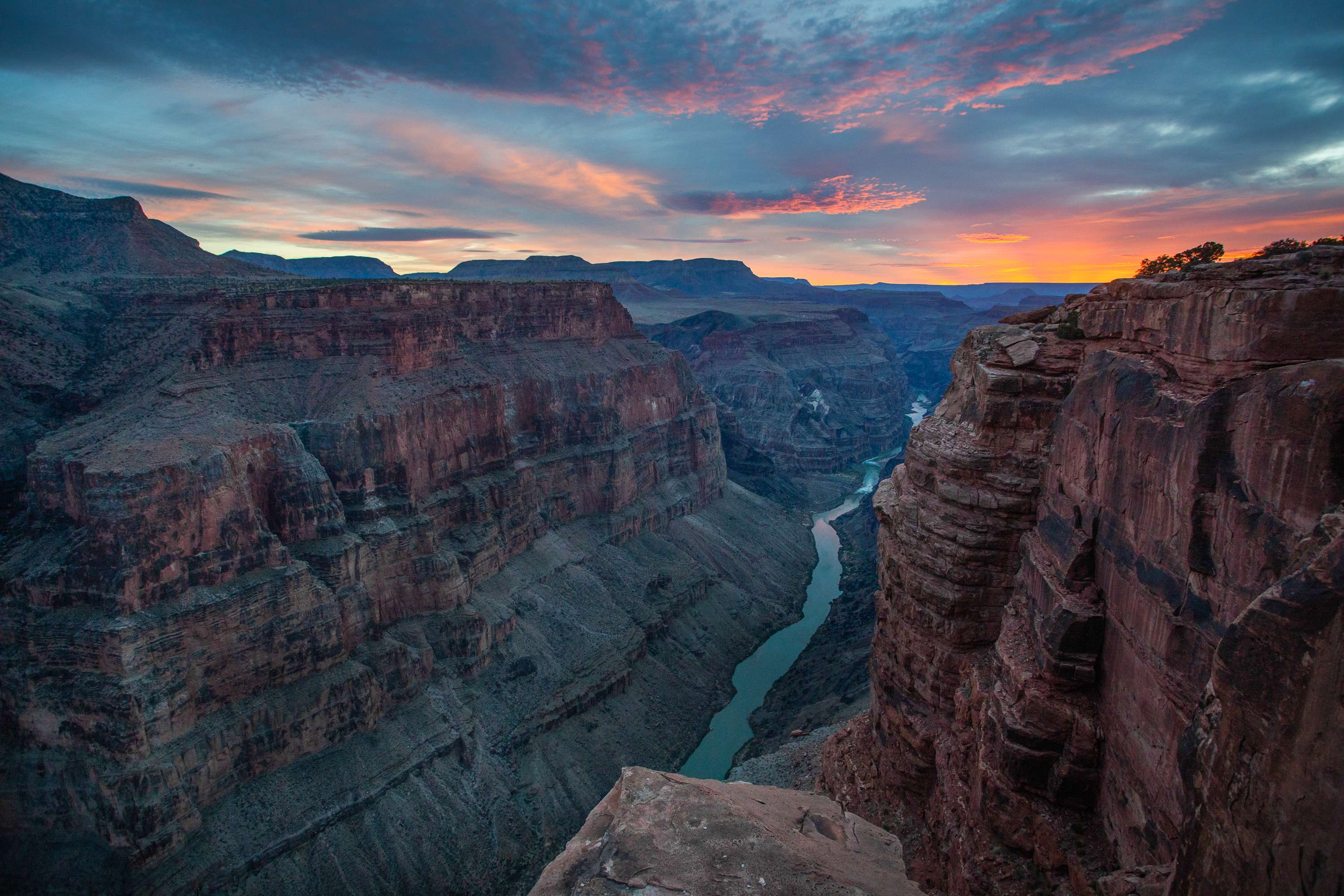
The Colorado River’s lifeblood originates high in the snow-capped peaks of the Rocky Mountains in Colorado. From there, it embarks on a formidable journey, flowing approximately 1,450 miles southwest through a vast and arid region of North America. Before reaching the Grand Canyon, it traverses Utah, then winds its way through Arizona, eventually forming the border between Arizona and both Nevada and California before finally emptying into the Gulf of California in Mexico.
This vital river basin supports approximately 40 million people across seven U.S. states and two Mexican states, providing essential water for agriculture, municipalities, and industry. Key infrastructure projects, such as the Hoover Dam on the border of Arizona and Nevada, which created Lake Mead, harness the river’s power for hydroelectricity and water storage. For travelers, tracing the river’s journey reveals its immense significance not just as a geological agent but as a lifeline for an entire region. Its presence underscores the interconnectedness of natural resources and human development, adding a layer of contemporary relevance to this ancient landscape.
Navigating the Grand Canyon: Rims, Regions, and River Adventures
Experiencing the Grand Canyon is a multi-faceted adventure, offering diverse perspectives from its various rims and an array of activities for every type of traveler. Whether you seek panoramic views, an adrenaline rush on the river, or quiet contemplation on a trail, the canyon delivers unforgettable experiences that appeal to those seeking unique destinations and exciting travel experiences.
The Iconic Rims: North, South, and West
The Grand Canyon is typically explored from three distinct regions, each offering unique attractions and accommodations, influencing your travel plans and preferred lifestyle experience.
The South Rim
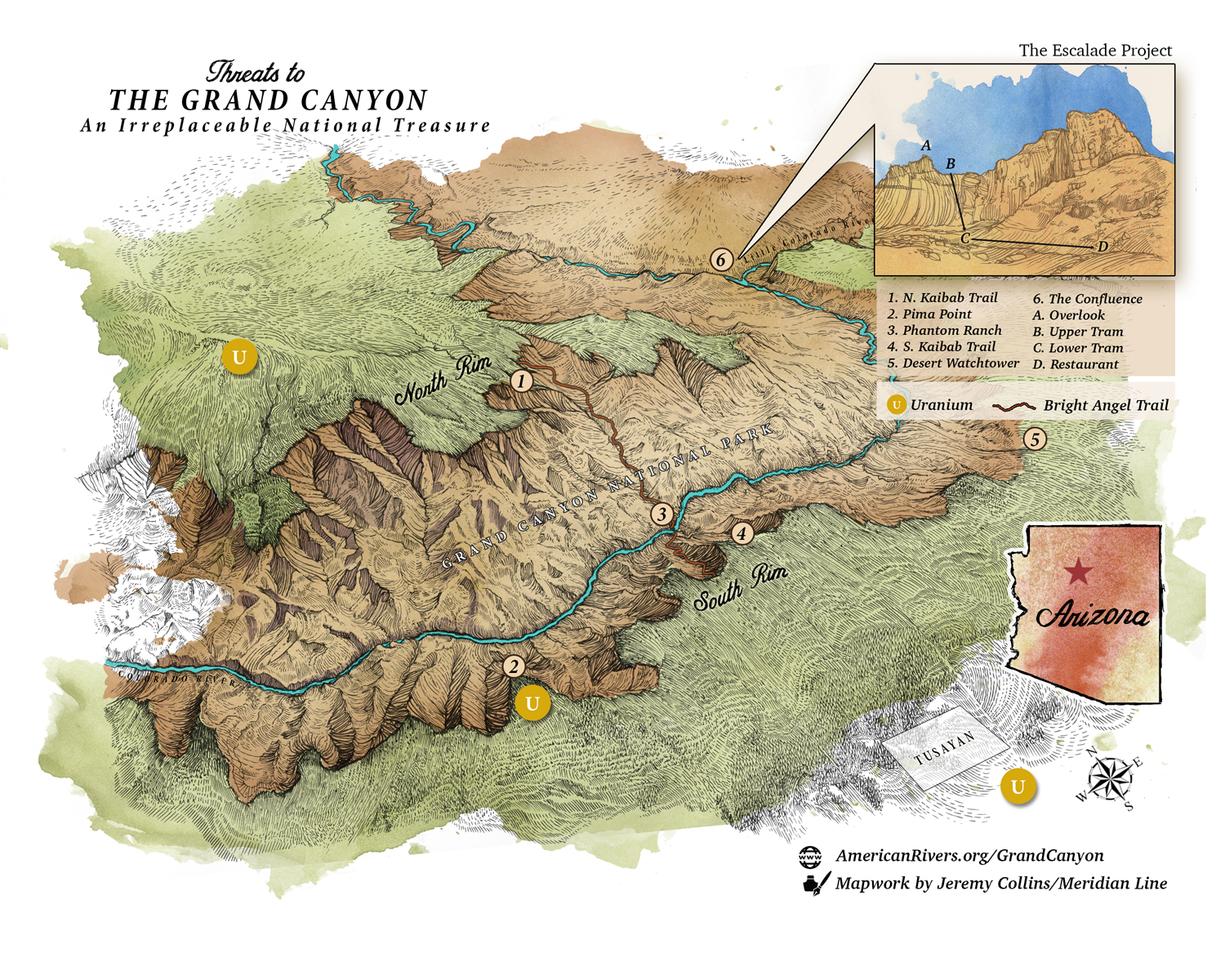
The South Rim is by far the most popular and accessible part of the Grand Canyon National Park, open year-round and bustling with visitors. It’s renowned for its iconic viewpoints that offer classic, expansive vistas of the canyon’s widest sections. Popular spots like Mather Point, Yavapai Point, and the historic Desert View Watchtower provide breathtaking photo opportunities and easy access to paved paths and shuttle services. Its proximity to major cities like Phoenix and Las Vegas makes it a favored choice for family trips and first-time visitors. Accommodation options here range from historic lodges within the park, such as the famous El Tovar Hotel and the more rustic Bright Angel Lodge, to a variety of hotels, suites, and apartments in the gateway town of Tusayan just outside the park entrance, catering to different budgets and amenities.
The North Rim
In stark contrast, the North Rim offers a more secluded and tranquil experience. Perched at a higher elevation (over 8,000 feet), it boasts lush forests and cooler temperatures but is only open seasonally, typically from May to October. This rim attracts travelers seeking a quieter, more immersive natural experience. Views from spots like Bright Angel Point and Cape Royal offer unique perspectives of the canyon’s depth and forested plateaus. Accommodation here is limited to the charming Grand Canyon Lodge North Rim and a few camping options, requiring advance booking, especially for peak travel times. The journey to the North Rim is longer and more remote, appealing to those who prefer off-the-beaten-path destinations and are prepared for a true nature escape.
The West Rim and Havasupai
Closer to Las Vegas, the Grand Canyon West Rim is managed by the Hualapai Tribe on the Hualapai Indian Reservation. It’s famous for the Grand Canyon Skywalk, a horseshoe-shaped glass bridge extending over the canyon’s edge, offering thrilling views directly below. This area provides a different kind of experience, often including cultural performances and helicopter tours landing on the canyon floor, perfect for a day trip from Nevada.
Further into the Havasupai Reservation, accessible only via a challenging hike or helicopter and requiring coveted permits, lies Havasupai. This remote oasis is renowned for its spectacular turquoise waterfalls, including the iconic Havasu Falls. It offers a truly unique and spiritual experience for adventure travelers willing to plan meticulously and respect the land of the Havasupai Tribe. This is an ultimate bucket-list destination for those seeking profound nature experiences.
Thrilling River Expeditions
For the ultimate immersive Grand Canyon experience, embarking on a Colorado River expedition is essential. From the bottom of the canyon, the towering walls take on an entirely new perspective, revealing hidden grottoes, ancient geological formations, and diverse wildlife.
White-Water Rafting
White-water rafting trips offer an exhilarating adventure through the canyon’s formidable rapids. These expeditions, ranging from challenging multi-day journeys (often starting near Lees Ferry) to shorter, tamer day trips, provide an unforgettable blend of adrenaline and unparalleled scenic beauty. Reputable tour operators guide visitors through the river’s dynamic currents, providing all necessary gear and safety instructions. These trips are perfect for adventure seekers and those looking to truly connect with the architect of the canyon, appealing to a specific lifestyle of active exploration. Multi-day trips often include riverside camping, gourmet meals, and stops for hiking to side canyons and hidden waterfalls, creating a comprehensive experience.
Calmer Float Trips
For those preferring a more serene pace, calmer float trips are available, particularly on sections of the river below the major rapids or near the canyon’s extremities. These excursions offer a peaceful way to absorb the canyon’s grandeur from the water level, ideal for families or travelers seeking a relaxing yet spectacular experience. These often include stops for swimming, photography, and interpretive talks about the canyon’s geology, flora, and fauna, making them an excellent choice for a more relaxed tourism experience.
Aerial Perspectives and Canyon Trails
Beyond river adventures, the Grand Canyon offers stunning views from above and challenging treks into its depths.
Soaring Above the Canyon
Helicopter tours are a popular way to grasp the sheer scale of the Grand Canyon in a relatively short amount of time. Departing from Grand Canyon Village or Las Vegas, these flights offer unparalleled aerial perspectives, revealing the winding path of the Colorado River, the intricate network of side canyons, and the vast expanse of the plateau. This luxury travel experience offers breathtaking photo opportunities and an unforgettable overview of this natural wonder.
Hiking the Iconic Trails
For the active traveler, hiking into the canyon provides an intimate experience with its geology and ecosystems. Popular trails include the Bright Angel Trail and the South Kaibab Trail on the South Rim. These challenging trails descend thousands of feet to the Colorado River, offering unique viewpoints and a deep sense of accomplishment. While day hikes are popular, overnight trips require permits and careful planning, as the conditions can be extreme. Mule rides also offer a traditional way to descend into the canyon, providing a unique historical experience and appealing to a different kind of adventure lifestyle.
Planning Your Grand Canyon Journey: Accommodation, Dining, and Experiences
A trip to the Grand Canyon involves careful planning to maximize the experience, especially when it comes to accommodation, dining, and leveraging the diverse tourism opportunities available. Whether you’re planning a luxury escape, a budget-friendly adventure, or a family trip, there are options to suit every preference.
Where to Stay: Lodging Inside and Out
Accommodation choices significantly impact the Grand Canyon experience, ranging from historic lodges perched on the rim to more budget-friendly hotels in nearby towns.
In-Park Lodges
Staying inside Grand Canyon National Park offers unmatched convenience and immediate access to viewpoints and trails. On the South Rim, options include the historic El Tovar Hotel (a true landmark in itself, offering a luxurious stay), Bright Angel Lodge, Kachina Lodge, Thunderbird Lodge, and Maswik Lodge. On the North Rim, the Grand Canyon Lodge North Rim provides rustic charm. These popular accommodations, often featuring suites and rooms with canyon views, require booking well in advance, sometimes a year or more, due to high demand.
Nearby Towns
For those seeking more varied hotels, suites, or apartments, or preferring to save on lodging, several nearby towns offer excellent bases for exploration. Tusayan, just outside the South Rim entrance, has a good selection of hotels and amenities. Further afield, Williams offers a nostalgic Route 66 experience with hotels and the Grand Canyon Railway Hotel, from which you can take a scenic train directly to the canyon. Flagstaff, a larger city about 1.5 hours away, provides a broader range of hotels, resorts, and dining options, appealing to those who enjoy city amenities after a day of exploring nature. To the east, Page, near Lake Powell, is another hub offering hotel and apartment accommodation, especially for visitors focusing on the eastern canyon or activities like Antelope Canyon. For luxury travelers, resorts in Sedona, such as Enchantment Resort, offer an exquisite base combined with scenic Arizona beauty, though further from the canyon itself.
Camping
Budget travelers and nature enthusiasts can choose from several campgrounds within and outside the park. Sites often fill up quickly, so reservations are highly recommended, especially for peak seasons. Camping provides a unique lifestyle experience, allowing visitors to immerse themselves fully in the natural environment.
Culinary Delights and Local Flavors
Dining options at the Grand Canyon range from casual cafes to more formal restaurants. Within the park, you can find everything from grab-and-go snacks to upscale dining experiences at places like the El Tovar Dining Room, offering fine cuisine with unparalleled canyon views. In Tusayan, there are several family-friendly restaurants. Exploring the nearby towns like Williams or Flagstaff opens up a wider array of culinary experiences, including local Southwestern fare. Don’t miss the opportunity to sample authentic local culture by trying dishes inspired by Native American traditions, such as fry bread or Navajo tacos, which can often be found at cultural centers or local eateries near the West Rim or Page.
Beyond the Views: Activities and Cultural Immersion
The Grand Canyon offers more than just stunning vistas; it’s a hub for diverse activities and cultural learning, enriching the overall tourism experience.
Stargazing and Ranger Programs
Designated an International Dark Sky Park, the Grand Canyon offers some of the most spectacular stargazing opportunities in the world. Visitors can participate in ranger-led astronomy programs or simply marvel at the Milky Way above the canyon rim. Additionally, park rangers host various interpretive programs and guided walks throughout the day, providing insights into the canyon’s geology, ecology, and history – invaluable educational experiences.
Photography and Cultural Exploration
Photographers will find endless inspiration in the ever-changing light and shadows of the canyon, from sunrise to sunset. Beyond natural beauty, engaging with the rich cultural heritage of the indigenous tribes, such as the Hualapai and Havasupai Tribes, whose ancestral lands encompass parts of the canyon, offers a deeper understanding of the region. Many tours and visitor centers provide opportunities to learn about their history, traditions, and ongoing connection to this sacred land.
Essential Travel Tips
Planning your trip requires consideration of the best time to visit (spring and fall for mild weather), packing essentials (layers of clothing, sturdy shoes, plenty of water), and safety precautions (staying hydrated, being aware of weather changes, sticking to marked trails). Always check park conditions and make reservations for accommodation and popular activities well in advance, especially during peak season, to ensure a smooth and enjoyable experience.
Lifestyle and Legacy: The Grand Canyon Experience
The Grand Canyon embodies a diverse range of travel lifestyles, from rugged adventure to serene luxury, ensuring every visitor can forge a personal connection with this global landmark. Its enduring legacy also underscores the critical importance of conservation for future generations.
Tailoring Your Adventure: Budget to Luxury
The beauty of the Grand Canyon lies in its accessibility to various travel styles and budgets. For the budget traveler, camping within the park or staying in more affordable motels in towns like Williams or Flagstaff makes the experience feasible. Self-driving tours, packing your own meals, and enjoying free ranger programs are all ways to minimize costs while maximizing the experience. This approach fosters an independent, adventurous lifestyle.
On the other end of the spectrum, luxury travel to the Grand Canyon offers unparalleled comfort and exclusive experiences. This can include staying in premium suites at El Tovar Hotel, indulging in gourmet dining with canyon views, taking private helicopter tours, or embarking on guided rafting expeditions with catered meals and comfortable riverside accommodations. For those seeking bespoke experiences, private guides can craft personalized itineraries, whether it’s for a romantic getaway, a business stay with unique team-building elements, or a family trip seeking the highest level of comfort and convenience. These luxury options often integrate seamlessly with resorts offering world-class amenities and services.
Family trips often strike a balance, combining comfortable accommodations with kid-friendly activities like easy walks along the rim, shuttle bus tours, and engaging ranger programs. Solo travelers might seek the solitude of the North Rim or the challenge of a multi-day hike, embracing a lifestyle of self-discovery and adventure. The diverse range of choices ensures that whether you prefer opulent suites, rustic villas, budget apartments, or amenity-rich hotels, the Grand Canyon can cater to your preferred travel style.
Preserving a Natural Wonder for Future Generations
Beyond its allure as a tourist destination and landmark, the Grand Canyon represents a profound commitment to conservation. Its status as a National Park underscores the importance of protecting its fragile ecosystems, geological formations, and the vital Colorado River itself. Responsible tourism is paramount, encouraging visitors to minimize their environmental impact, respect wildlife, and support efforts to preserve the canyon’s natural and cultural heritage.
The indigenous tribes, including the Hualapai, Havasupai, Navajo, and others, hold deep cultural and spiritual connections to the canyon, viewing it not just as a landmark but as a sacred homeland. Understanding and respecting their history and ongoing presence is an integral part of experiencing the canyon responsibly. By engaging in sustainable travel practices and supporting conservation initiatives, visitors contribute to ensuring that the Grand Canyon remains an awe-inspiring wonder, a pristine natural attraction, and a significant cultural site for generations to come.
In conclusion, the answer to “What river runs through the Grand Canyon Arizona?” is unequivocally the Colorado River. More than just a waterway, it is the fundamental force that shaped this colossal landmark, weaving together geology, adventure, culture, and diverse travel experiences. Whether viewed from the soaring heights of its rims, navigated from the depths of its waters, or explored through its myriad trails, the Grand Canyon promises an unforgettable journey into the heart of one of Earth’s most magnificent creations. Plan your trip, choose your adventure, and prepare to be captivated by the grandeur that only the Colorado River could carve.
LifeOutOfTheBox is a participant in the Amazon Services LLC Associates Program, an affiliate advertising program designed to provide a means for sites to earn advertising fees by advertising and linking to Amazon.com. Amazon, the Amazon logo, AmazonSupply, and the AmazonSupply logo are trademarks of Amazon.com, Inc. or its affiliates. As an Amazon Associate we earn affiliate commissions from qualifying purchases.