
Understanding “time” in California, USA, goes far beyond simply knowing the current hour. For any traveler, whether planning a short getaway, a luxury escape, or an extended stay, comprehending the temporal rhythm of the Golden State is fundamental to a truly enriching experience. From navigating time zones and managing jet lag to optimizing itineraries for seasonal variations and embracing the local pace of life, time is an invisible yet pervasive element that shapes every aspect of your Californian journey.
California operates predominantly on Pacific Standard Time (PST) during winter months and Pacific Daylight Time (PDT) during the warmer seasons due to Daylight Saving Time. This geographical and chronological reality underpins everything from booking your flights and coordinating hotel check-ins to deciding the best time to visit iconic landmarks and immerse yourself in local culture. As a premier destination for travel, accommodation, and lifestyle experiences, California offers a diverse tapestry of adventures, each subtly influenced by the hands of the clock and the arc of the sun. Let’s delve into how time truly dictates and enhances your visit to this magnificent state.
Navigating California’s Pacific Time Zones for Seamless Travel
For travelers venturing into the Golden State, the first encounter with “time” often involves its official time zone. Understanding this, alongside the nuances of Daylight Saving Time and the inevitable challenge of jet lag, is paramount for a smooth arrival and an enjoyable stay.
Understanding PST, PDT, and Daylight Saving Time
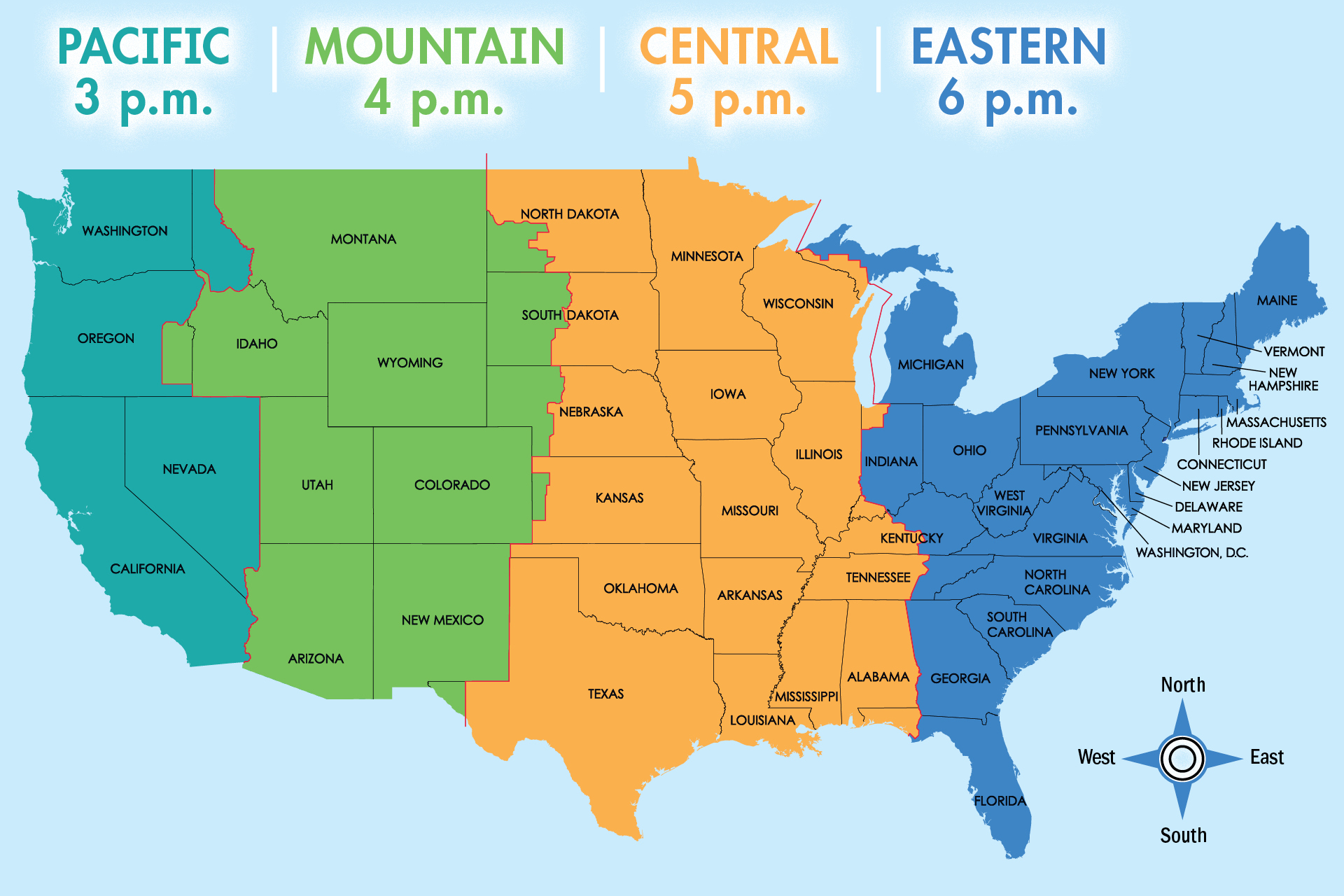
California primarily observes the Pacific Time Zone. During the standard winter months, this is known as Pacific Standard Time (PST), which is 8 hours behind Coordinated Universal Time (UTC-8). As spring arrives, California, like most of the United States, shifts to Daylight Saving Time. From the second Sunday in March until the first Sunday in November, the state observes Pacific Daylight Time (PDT), which is 7 hours behind Coordinated Universal Time (UTC-7). This shift means that clocks “spring forward” one hour in March and “fall back” one hour in November.
For visitors, being aware of this transition is crucial. If your travel dates straddle these changes, double-check flight times, hotel bookings, and attraction opening hours. A one-hour difference might seem minor, but it can impact connections, scheduled tours, and even dining reservations, especially when arriving from international destinations or the East Coast of the United States. Many travelers have missed early morning excursions in San Francisco or key check-in windows in Los Angeles simply by forgetting to adjust their internal clock or devices.
Overcoming Jet Lag for a Seamless Arrival
Jet lag is perhaps the most personal and impactful manifestation of “time” for international and cross-country travelers. Arriving in California from a vastly different time zone can throw your body’s natural circadian rhythms into disarray, leading to fatigue, disorientation, and even digestive issues. Successfully mitigating jet lag is key to maximizing your travel experience and fully enjoying the state’s diverse offerings from day one.
Strategies for Minimizing Jet Lag:
- Pre-Adjust Your Schedule: A few days before your trip, try to slowly shift your sleep and meal times closer to California time. Even an hour or two can make a significant difference.
- Hydrate, Hydrate, Hydrate: Drink plenty of water before, during, and after your flight. Dehydration can exacerbate jet lag symptoms. Avoid excessive alcohol and caffeine, which can disrupt sleep.
- Adjust Immediately Upon Arrival: Once you land in a California city like San Diego or Sacramento, set your watch to local time and try to adhere to that schedule. Resist the urge to nap for too long if it’s daytime, and expose yourself to natural light to help reset your internal clock.
- Plan Your First Day Wisely: Don’t overschedule your arrival day. Opt for a leisurely activity, like a stroll along the beach in Santa Monica or a gentle exploration of your hotel’s amenities. Many luxury resorts, such as The Beverly Hills Hotel or Hotel del Coronado, offer spa services that can aid relaxation and recovery.
- Prioritize Sleep: Ensure your accommodation provides a comfortable sleeping environment. Blackout curtains, quiet rooms, and comfortable bedding are amenities worth seeking out, especially after a long journey. Many premium hotels like The Ritz-Carlton or Four Seasons prioritize guest comfort, understanding the importance of a good night’s rest for travelers.
By proactively addressing the time change and managing jet lag, travelers can ensure their journey to California begins not with exhaustion, but with enthusiasm, ready to explore everything from the bustling streets of Los Angeles to the serene landscapes of Yosemite National Park.
Time-Sensitive Travel: Maximizing Your California Experience
Beyond the ticking clock, “time” in California also refers to the optimal moments and seasons for specific activities, and even the relaxed, unhurried pace that defines much of the Californian lifestyle. For travelers, leveraging this understanding of temporal nuances can elevate a good trip into an unforgettable adventure.
Crafting the Perfect Itinerary: Seasonal and Daily Timing
California’s vast geographical diversity means that the “best time” to visit can vary dramatically depending on your desired experience. From coastal escapes to mountain adventures and desert retreats, seasonal timing is critical.
- Summer (June-August): Ideal for beach lovers in Southern California (think Malibu, Laguna Beach) and family trips to theme parks like Disneyland Park in Anaheim or Universal Studios Hollywood in Los Angeles. However, expect crowds and higher prices for accommodation and flights. Temperatures in inland areas like Palm Springs can be extremely hot.
- Fall (September-November): Often considered the sweet spot for many regions. The weather is pleasant across the state, crowds thin out, and the grape harvest season in Napa Valley or Sonoma makes for picturesque wine tours. The ocean remains warm enough for swimming along the coast.
- Winter (December-February): Ski season thrives in the Sierra Nevada mountains, around destinations like Lake Tahoe. Cities like San Francisco and Los Angeles experience mild, often rainy weather, making it a good time for museum visits and indoor attractions. Desert parks such as Death Valley National Park and Joshua Tree National Park become accessible and enjoyable with cooler temperatures.
- Spring (March-May): Wildflowers bloom, particularly in the desert and coastal regions, and temperatures are comfortably warm statewide. It’s an excellent time for hiking in Yosemite National Park (though some high-elevation areas may still be snow-covered) and exploring the scenic beauty of Big Sur along the Pacific Coast Highway.
Daily Timing for Optimal Experiences:
Beyond the season, the time of day can dramatically alter your experience. Visiting popular attractions early in the morning or late in the afternoon can help you avoid peak crowds. For instance, a sunrise hike to the Griffith Observatory offers breathtaking views of Los Angeles and the Hollywood Sign without the mid-day rush. Similarly, a sunset cruise under the Golden Gate Bridge provides unparalleled photographic opportunities and a romantic experience in San Francisco. Even dining can be time-sensitive; many popular restaurants offer early bird specials or have shorter wait times outside of prime dinner hours (7-9 PM). Considering these micro-temporal adjustments allows for a more relaxed and authentic engagement with California’s vibrant offerings.
Beyond the Clock: Embracing California’s Lifestyle and Pacing
“Time” in California also embodies a certain lifestyle—a relaxed, often unhurried pace, particularly evident in its coastal communities and natural settings. While Los Angeles and San Francisco can be fast-paced, there’s an underlying ethos of enjoying the moment, embracing wellness, and finding balance that permeates the culture.
For travelers, this means allowing for flexibility in your itinerary. Don’t feel pressured to pack every minute with activities. Part of the California experience is taking time to savor a leisurely brunch in Santa Barbara, enjoy a spontaneous detour along the Pacific Coast Highway, or simply relax by the pool at a luxury resort. This “slow travel” approach aligns perfectly with a state that encourages outdoor exploration and mindful living.
Consider a visit to a Napa Valley winery; the experience isn’t just about tasting wine, but about appreciating the terroir, the craftsmanship, and the scenic beauty over several hours. Similarly, a day trip to Catalina Island encourages disconnecting from the mainland rush and enjoying island time. Embracing this more fluid concept of time can transform a standard tourist visit into a genuine immersion into the Californian way of life, whether you’re traveling on a budget and finding free parks or indulging in a high-end spa experience at a Waldorf Astoria Beverly Hills.
Time and Your Stay: Accommodation, Attractions, and Activities
Effectively managing your time is a critical skill for any traveler, especially when it comes to booking accommodations, visiting world-renowned attractions, and engaging in unique local activities across California. Every decision, from when to secure your hotel to the optimal moment for visiting a popular landmark, is inherently time-bound and can significantly impact your overall travel experience.
Booking and Coordination: Time Considerations for Hotels and Flights
The process of securing your accommodation and flights is heavily influenced by time, and strategic planning can lead to better deals, preferred options, and a smoother trip.
- Advance Booking for Peak Seasons: If you plan to visit during California’s peak seasons—summer, major holidays (like Christmas or spring break), or large events (e.g., Coachella, Rose Parade)—booking flights and hotels months in advance is not just recommended, it’s often essential. Popular destinations like San Francisco, Los Angeles, and Anaheim see significant price surges and limited availability for premium hotels, boutique apartments, or luxury villas during these times.
- Flexible Travel Dates: If your schedule allows, traveling during the shoulder seasons (spring and fall) or off-peak times can offer substantial savings on both flights and accommodation. You’ll also encounter fewer crowds, leading to a more relaxed experience at attractions and restaurants.
- Check-in/Check-out Times: Be mindful of standard hotel check-in (usually 3 PM or 4 PM PST/PDT) and check-out times (typically 11 AM or 12 PM PST/PDT). If you arrive early or depart late, consider booking an extra night, requesting a late check-out, or utilizing the hotel’s luggage storage services. Many resorts and hotels, especially those catering to business travelers or luxury lifestyles, are accustomed to accommodating these requests, often for an additional fee. Communicating your arrival and departure times with your accommodation provider in advance can prevent unnecessary delays or stress.
- Flight Schedules and Layovers: When booking flights, consider the total travel time and any layovers. While a longer layover might mean a cheaper ticket, it also means more time spent in transit, which can be particularly draining for long-haul journeys. Opting for direct flights or shorter layovers, even if slightly more expensive, can preserve valuable vacation time and energy, allowing you to hit the ground running upon arrival in California.
Iconic Landmarks and Optimal Visiting Hours
California is home to countless world-famous landmarks and attractions, and the timing of your visit can dramatically impact your experience, from avoiding crowds to capturing the best photographs.
- Early Birds Catch the Worm: For popular attractions like Alcatraz Island in San Francisco (where tours book out weeks in advance), Disneyland Park in Anaheim, or Universal Studios Hollywood in Los Angeles, arriving at opening or even before can mean significantly shorter lines and a more enjoyable, less crowded experience.
- Golden Hour Photography: Photographers know the “golden hour”—the period shortly after sunrise or before sunset—offers soft, warm light perfect for capturing iconic spots. Imagine the Golden Gate Bridge bathed in a warm glow, or the Hollywood Sign silhouetted against a vibrant sunset from the Griffith Observatory. Planning your visits during these times can yield stunning results.
- Mid-Day for Indoor Attractions: Use the peak crowd times at outdoor landmarks or the hottest part of the day to explore indoor attractions like museums (e.g., Getty Center in Los Angeles, de Young Museum in San Francisco) or for a leisurely lunch.
- Evening Entertainment: Many attractions offer unique experiences after dark. The vibrant atmosphere of the Santa Monica Pier comes alive at night with its Ferris wheel and street performers. Exploring the Hollywood Walk of Fame or Fisherman’s Wharf in the evening offers a different, often more energetic, ambiance.
- Nature’s Schedule: When visiting natural wonders like Yosemite National Park, Big Sur, or Muir Woods National Monument, factor in daylight hours for hiking, scenic drives, and wildlife viewing. The best light for photography and generally fewer people are typically found early morning or late afternoon.
In essence, “What is time in California?” is a question best answered by considering your own travel goals. Whether it’s the exact moment on the clock, the season of your visit, or the relaxed pace you adopt, time is a dynamic partner in shaping your unforgettable California adventure. By understanding and strategically planning around these temporal factors, you can unlock the full potential of your trip, ensuring every moment is cherished and every experience maximized. From the bustling city streets to serene natural landscapes, California offers a timeless allure that truly captivates the well-prepared traveler.
LifeOutOfTheBox is a participant in the Amazon Services LLC Associates Program, an affiliate advertising program designed to provide a means for sites to earn advertising fees by advertising and linking to Amazon.com. Amazon, the Amazon logo, AmazonSupply, and the AmazonSupply logo are trademarks of Amazon.com, Inc. or its affiliates. As an Amazon Associate we earn affiliate commissions from qualifying purchases.