
Visiting California offers an unparalleled tapestry of experiences, from its stunning coastlines and vibrant cities to its iconic landmarks and diverse culinary scene. However, one distinctive aspect of the Golden State that often piques the curiosity of first-time visitors, and even seasoned travelers, is the ubiquitous presence of “Proposition 65” warnings. These notices, which can appear almost anywhere from a restaurant menu to a hotel lobby or a product label, are a unique part of California’s regulatory landscape designed to inform consumers. For those exploring California, understanding Proposition 65 isn’t just about navigating a local quirk; it’s about appreciating a facet of the state’s commitment to public health and consumer awareness, which forms a subtle but integral part of its local culture. This guide aims to demystify Proposition 65 for tourists, offering insights into what it is, why it exists, and what it means for your travel experience in California.
Understanding Proposition 65: A Visitor’s Guide
Proposition 65, officially known as “The Safe Drinking Water and Toxic Enforcement Act of 1986,” is a California law passed by direct voter initiative. Its primary goal is two-fold: to protect California’s drinking water sources from contamination by chemicals known to cause cancer, birth defects, or other reproductive harm, and to require businesses to inform Californians about exposures to such chemicals. For tourists, this means encountering warning signs and labels that can initially seem alarming, but are in fact a testament to the state’s proactive approach to public health.
The Core Purpose: Why the Warnings?
At its heart, Proposition 65 is an “information-first” law. It doesn’t ban products or dictate specific chemical levels in most cases. Instead, it mandates that businesses provide a “clear and reasonable warning” before knowingly and intentionally exposing anyone to a chemical on the state’s list. This list, maintained by the California Office of Environmental Health Hazard Assessment (OEHHA), contains hundreds of chemicals, including both naturally occurring substances and synthetic ones. The intent is to empower individuals to make informed decisions about their exposure to various substances, whether through products they purchase, food they consume, or environments they frequent. For a tourist, this translates into an omnipresent reminder of California’s unique regulatory environment, becoming a part of the “local culture” one experiences.
How Proposition 65 Affects Your Visit
As a tourist, you’ll find Proposition 65 warnings in a surprising array of places. They might be prominently displayed at the entrance of your hotel, on the menu of a restaurant, near the checkout counter of a souvenir shop, or even on a ride at an amusement park. These warnings are not necessarily indicative of immediate danger or that a product or place is unsafe. Rather, they serve as a notification that you might be exposed to a chemical on the Proposition 65 list. For example, some coffee contains acrylamide, a chemical formed during the roasting process, which is on the list. Therefore, a coffee shop might display a warning. Similarly, older buildings might contain lead paint, leading to warnings in certain historic attractions or accommodations. Understanding this context can help alleviate any undue concern and allow you to appreciate California’s commitment to transparency without letting it overshadow your travel experience.
Navigating Warnings in California’s Tourism Landscape
The widespread nature of Proposition 65 warnings means they are an inevitable part of exploring California. While it might feel overwhelming at first, understanding where and why you’ll see these warnings can help you navigate your trip with ease and confidence, turning a potential source of confusion into just another interesting aspect of local life.
Dining Out: Food and Beverage Considerations
Food and beverage establishments are common sites for Proposition 65 warnings. Restaurants, cafes, and bars often display notices, sometimes related to chemicals naturally occurring in food, or those formed during cooking processes like grilling or roasting. For instance, potatoes, when cooked at high temperatures, can form acrylamide. Similarly, certain fish may contain mercury, or alcohol itself is a listed chemical. These warnings are not meant to deter you from enjoying California’s world-renowned culinary scene but to inform you about potential exposures. You can still savor the fresh produce, diverse cuisines, and local wines and craft beers without undue concern, knowing that the warnings simply fulfill a legal requirement for disclosure. It’s about empowering your choice, not dictating it.
Accommodation and Amenities: What to Expect in Hotels
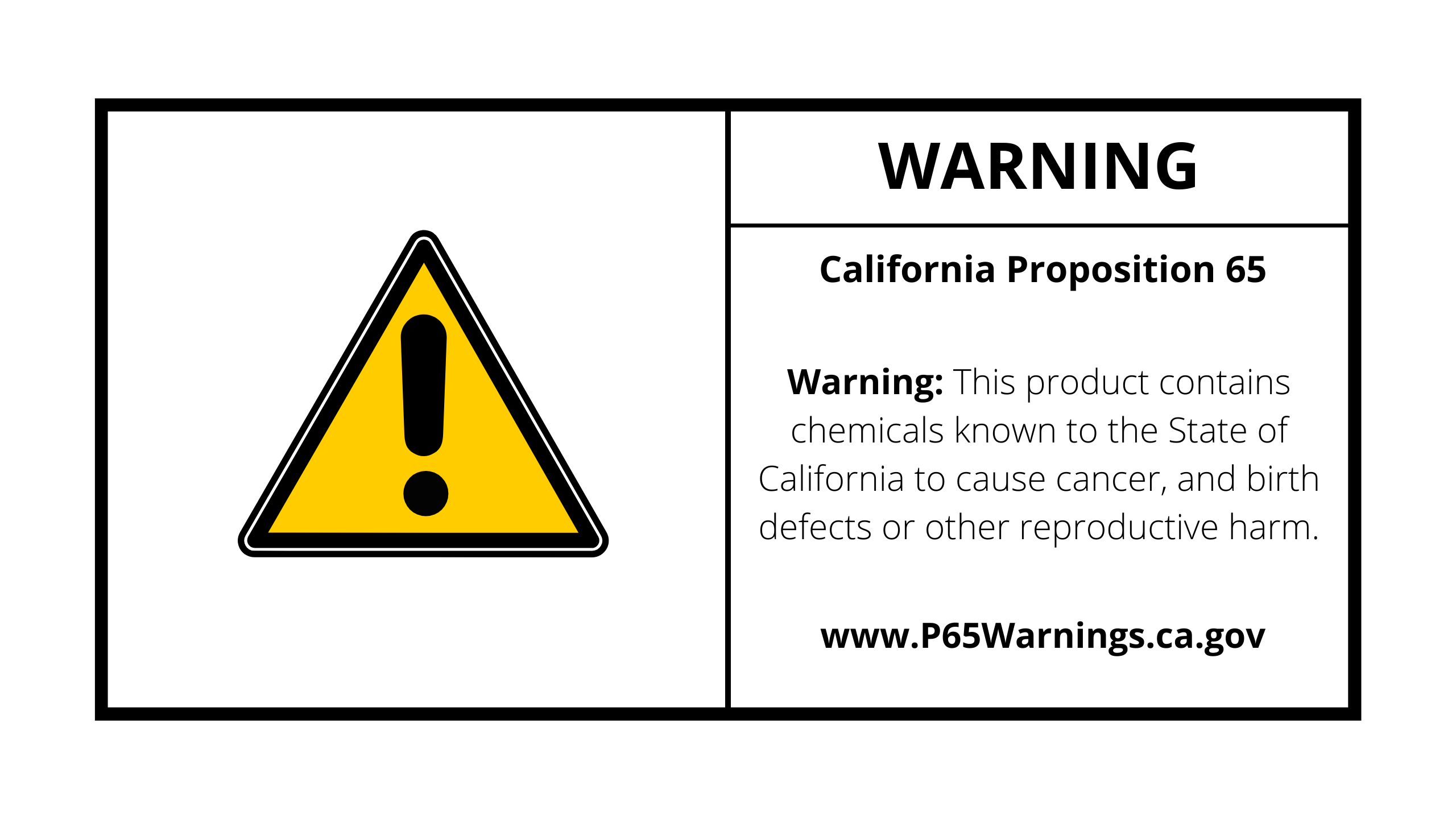
When checking into your hotel or resort in California, you might encounter Proposition 65 warnings prominently displayed in the lobby, in your room, or near amenities like the gym or pool. These warnings can refer to a variety of potential exposures. For example, the building materials themselves (like certain plastics or fire retardants in furnishings), cleaning products, or even components of electronic devices could contain listed chemicals. The presence of such a warning doesn’t imply that your accommodation is unsafe. Rather, it indicates that the property is complying with state law by informing guests about potential exposures above a certain threshold. It’s part of the comprehensive “tips” for understanding your stay in California, ensuring you’re fully aware of the local regulations affecting even the most basic aspects of your visit.
Shopping and Attractions: Consumer Products and Public Spaces
From souvenir shops to major retail outlets, and from museums to theme parks, Proposition 65 warnings can pop up unexpectedly. Consumer products, ranging from jewelry and apparel to electronics and home goods, often carry warnings if they contain listed chemicals. Even in public spaces and attractions, warnings might be posted due to environmental factors, such as vehicle exhaust in parking lots or specific materials used in construction. This is particularly relevant for tourists purchasing gifts or exploring the state’s myriad attractions. The aim is to provide transparency, allowing you to make informed choices about the products you buy and the environments you visit, rather than to suggest inherent danger. This commitment to consumer awareness is a distinctive part of the California shopping and entertainment experience.
The Broader Context: California’s Commitment to Health
To truly grasp Proposition 65, it helps to understand it within the larger framework of California’s progressive environmental and public health policies. The state has a long history of pioneering regulations designed to protect its citizens and the environment, often setting precedents for the rest of the United States and beyond. Proposition 65 is one such example, reflecting a deep-seated value in the local culture that prioritizes public access to information about potential hazards.
History and Evolution of the Law
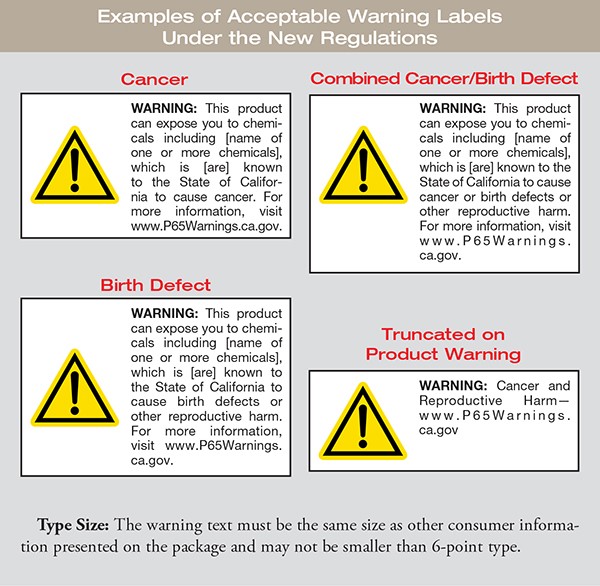
Enacted by popular vote, Proposition 65 came into being out of a public desire for greater transparency regarding toxic chemicals. Since its inception in 1986, the law has evolved, with the list of chemicals growing and the warning requirements being refined. In 2018, new regulations introduced more specific warning language and standardized pictograms, making the warnings more informative and consistent. This ongoing evolution underscores California’s’s continuous effort to balance industrial activities with public health, a narrative that shapes much of the state’s regulatory “local culture” and impacts every visitor.
Empowering Consumers: The Philosophy Behind Prop 65
The underlying philosophy of Proposition 65 is consumer empowerment. Rather than waiting for proof of harm or banning substances outright, the law takes a proactive stance, mandating disclosure. This places the onus on businesses to identify and warn about potential exposures, and on consumers to use this information to make personal choices. For a tourist, this means being equipped with more information than you might receive in other parts of the world. It’s a unique aspect of California life that, once understood, can be seen as a strength rather than a source of confusion, reinforcing the state’s reputation for forward-thinking policies.
Practical Tips for Travelers
While Proposition 65 warnings are a ubiquitous feature of the California experience, they shouldn’t detract from your enjoyment of the state’s many attractions. With a little understanding, you can interpret these warnings confidently and continue to make the most of your trip.
Interpreting the Warnings: Don’t Panic
The most crucial tip for travelers encountering Proposition 65 warnings is: don’t panic. The presence of a warning sign does not necessarily mean that you are in danger or that the product or place is unsafe. Many listed chemicals are found in everyday items or environments at levels far below those considered harmful, but due to the law’s strict requirements, a warning is still necessary if the exposure exceeds a very low threshold. Often, these warnings relate to exposures that would only pose a risk over long-term, high-level contact, not the brief encounters a tourist might have. Think of them as informational nudges, a unique aspect of California’s local culture, rather than urgent alerts.
Making Informed Choices While Exploring California
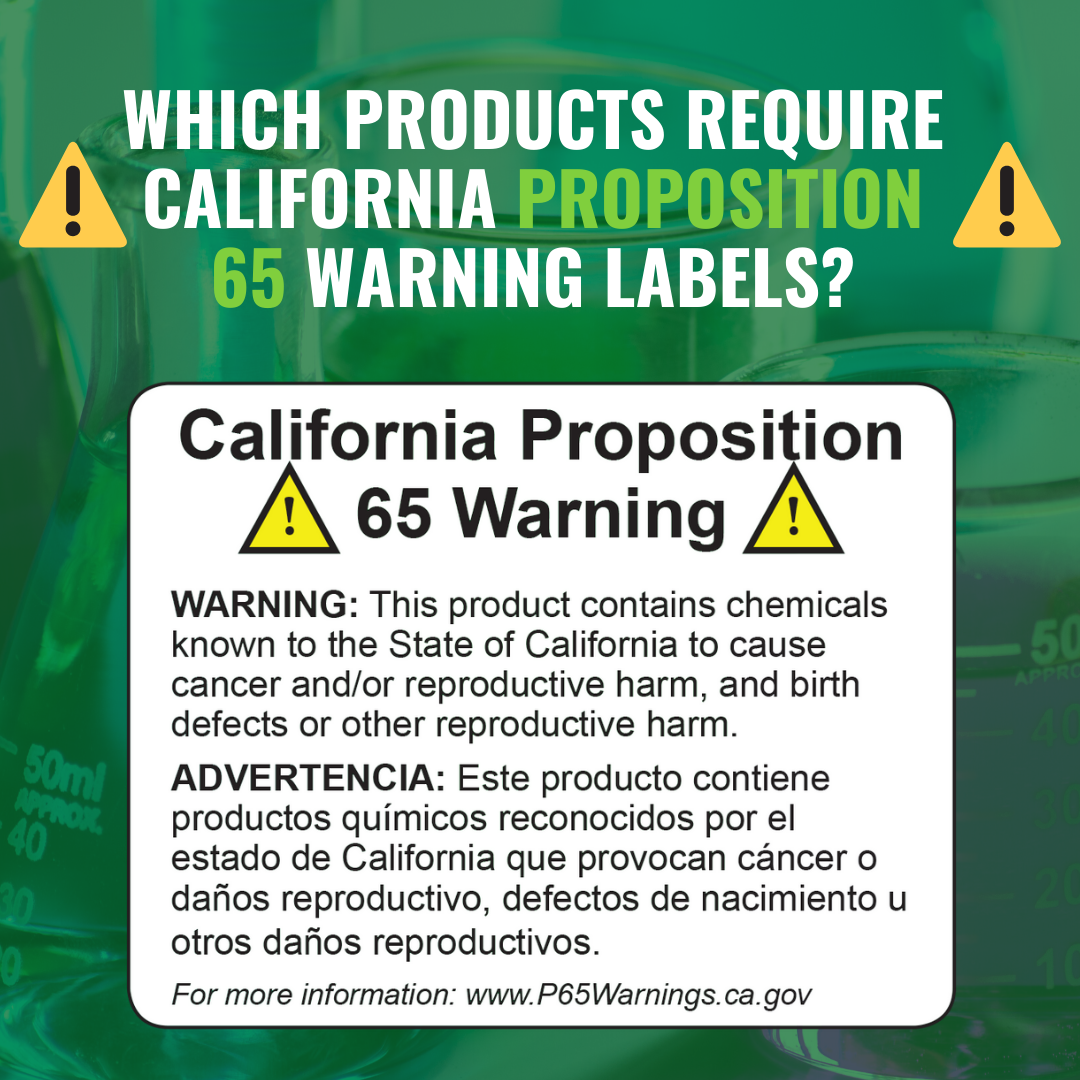
Instead of viewing Proposition 65 warnings as a barrier, consider them as an opportunity for informed decision-making. If you have specific health concerns, the warnings can prompt you to ask questions or seek more information. For most tourists, however, simply acknowledging the warning and understanding its context is sufficient. Continue to enjoy California’s’s stunning natural beauty, its vibrant cities, its delicious food, and its countless activities. The warnings are simply another layer of the rich, multi-faceted experience that defines the Golden State, a testament to its unique approach to public health and consumer awareness. By understanding Proposition 65, you’re not just a tourist; you’re a temporary participant in California’s distinctive way of life.
LifeOutOfTheBox is a participant in the Amazon Services LLC Associates Program, an affiliate advertising program designed to provide a means for sites to earn advertising fees by advertising and linking to Amazon.com. Amazon, the Amazon logo, AmazonSupply, and the AmazonSupply logo are trademarks of Amazon.com, Inc. or its affiliates. As an Amazon Associate we earn affiliate commissions from qualifying purchases.