
The term “Texas Longhorn” conjures images of vast ranches, dusty trails, and the iconic, sweeping horns that have become synonymous with the Lone Star State. But beyond the immediate association with Texas, where exactly do these magnificent creatures originate, and what is their story? This isn’t just a question for cattle ranchers or history buffs; it’s a journey into the heart of American heritage, a tale of resilience, adaptation, and the wild spirit that shaped a significant part of the United States.
The Texas Longhorn is more than just a breed of cattle; it’s a living link to the Spanish colonial era and the expansion westward. Their story begins not with the first settlers of Texas, but with the arrival of Spanish explorers and missionaries in the 16th century. These early Spaniards brought with them cattle, a crucial resource for survival and sustenance in the New World. Over centuries, these cattle, primarily of Iberian origin, were left to roam and breed freely across the vast, unfenced lands of what would eventually become Texas.

The Crucible of the Frontier: From Feral Herds to Iconic Symbol
The cattle that formed the foundation of the Texas Longhorn breed were not the result of careful selective breeding as we understand it today. Instead, they were survivors. Left to their own devices in the rugged landscape of Texas, these animals had to be hardy, adaptable, and resourceful. They navigated harsh climates, endured scarce water sources, and faced predators, all of which contributed to their robust genetic makeup. This period of natural selection was the true crucible in which the Texas Longhorn was forged.
Spanish Origins and Early American Settlers
The story begins with the introduction of cattle by Spanish explorers in the early 1500s. These were likely descendants of cattle brought to the Americas by Christopher Columbus on his second voyage. These animals were left behind at missions and settlements, and as the Spanish presence expanded, so did the cattle herds. By the time Mexico gained independence from Spain in 1821, and later when American settlers began arriving in Texas in large numbers, the territory was populated by vast herds of feral cattle. These were the ancestors of the Texas Longhorn.
The Spanish cattle were not a single, standardized breed. They were a mix of breeds from the Iberian Peninsula, known for their hardiness, agility, and distinctive horns. These traits, honed by centuries of survival in diverse environments, were precisely what would make the future Texas Longhorn so valuable.
The Rise of the Texas Longhorn: The Cattle Drives
The mid-19th century marked a pivotal era for the Texas Longhorn. Following the American Civil War, there was a massive demand for beef in the northern states, which had been largely cut off from traditional supply lines. Texas, however, was teeming with millions of these semi-wild cattle, descendants of the Spanish stock. They were readily available and remarkably cheap.
This created the impetus for the legendary cattle drives. Cowboys, skilled in herding and accustomed to the challenges of the frontier, would round up these Texas Longhorns and drive them hundreds, sometimes thousands, of miles north to railheads in states like Kansas and Nebraska. These drives were arduous and dangerous undertakings, forging the image of the American cowboy and solidifying the Texas Longhorn as a symbol of the West.
The Texas Longhorn’s unique characteristics made them ideal for these drives. Their ability to travel long distances, withstand harsh conditions, and forage for food on sparse vegetation was unparalleled. Their distinctive long horns, while sometimes a hindrance, also served as a defense mechanism against predators and could be used to pry open tough brush for water.
The cattle drives, while instrumental in the breed’s fame, also inadvertently led to a decline in its numbers. The demand for beef spurred an influx of European breeds, like Shorthorns and Herefords, which were favored for their faster growth rates and higher meat yield. Ranchers began crossbreeding their Texas Longhorns with these imported breeds, aiming to improve marketability. This resulted in a dilution of the pure Texas Longhorn bloodlines, and by the early 20th century, the breed was in danger of disappearing.
Preservation and Modern Renaissance: Saving a Living Legend
Fortunately, the unique heritage and resilience of the Texas Longhorn did not go unnoticed. Concerned individuals and organizations recognized the importance of preserving this iconic breed, and efforts were made to identify and breed purebred Texas Longhorns. This conservation movement, which gained momentum in the mid-20th century, has been instrumental in bringing the breed back from the brink.
The National Park Service and Conservation Efforts
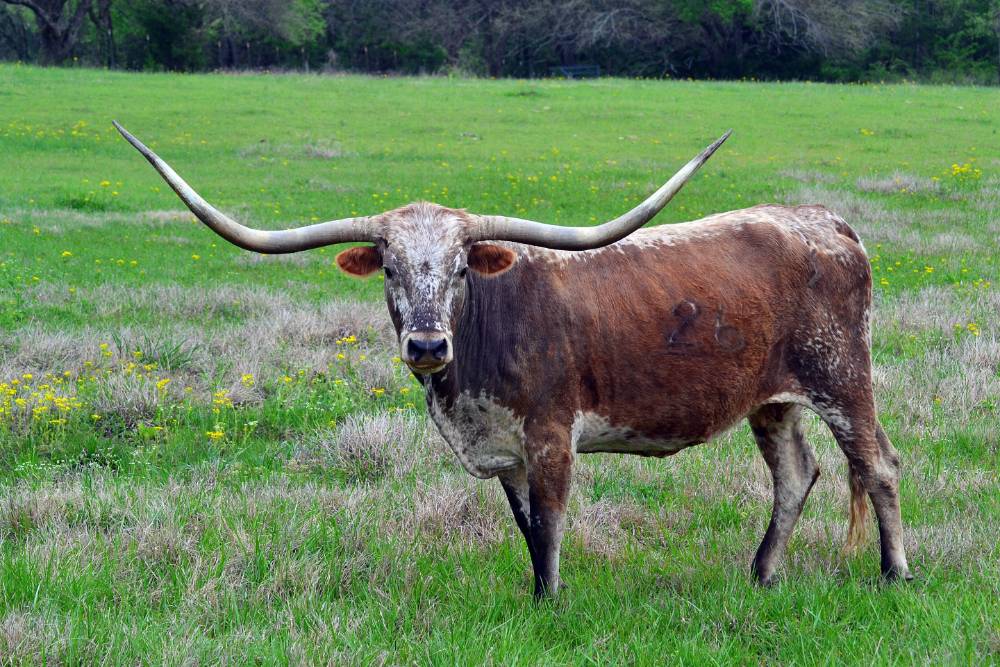
A significant turning point in the Texas Longhorn’s preservation came with the establishment of herds in National Parks. In the 1920s, the National Park Service began acquiring Texas Longhorns for conservation purposes. These animals were not just a relic of the past; they were seen as an integral part of the natural and historical landscape. Herds were established in places like the Caprock Canyons State Park, which has become a stronghold for the breed.
These conservation efforts focused on maintaining the breed’s genetic purity and its characteristic traits. By selecting for animals with the desired horn length, conformation, and temperament, breeders worked to restore the Texas Longhorn to its former glory.
The Texas Longhorn Breeders Association of America and Beyond
The formation of dedicated breed associations played a crucial role in this revival. The Texas Longhorn Breeders Association of America (TLBAA), founded in 1964, has been at the forefront of promoting the breed, maintaining accurate registration records, and educating the public about its history and significance. Through their efforts, Texas Longhorns are now found not only in Texas but across the United States and even internationally.
Today, the Texas Longhorn is celebrated for its versatility. While its historical significance is undeniable, the breed is also valued for its gentle disposition, disease resistance, and lean, flavorful meat. Many ranches now specialize in raising Texas Longhorns for both breeding and commercial purposes. They are also popular as show animals and even as beloved pets.
The journey of the Texas Longhorn from the wild herds of Spanish colonial Texas to its status as a preserved icon is a testament to its enduring spirit. It’s a story that is deeply interwoven with the history of Texas and the broader narrative of the American West.
Experiencing the Legacy: Visiting Texas Longhorn Country
For those inspired by the story of the Texas Longhorn, there are numerous opportunities to experience their legacy firsthand, particularly within Texas. The state itself is the heartland of this breed, and its culture is deeply influenced by the cattle industry and the iconic imagery of the Longhorn.
Ranches, Rodeos, and the Spirit of Texas
Many ranches across Texas offer visitors a glimpse into the world of Texas Longhorn cattle. Some ranches provide guided tours, allowing guests to see the animals in their natural environment, learn about their care, and even participate in activities like cattle drives. Staying at a working ranch can be a deeply immersive experience, offering a taste of the rural lifestyle that has shaped Texas.
No visit to Texas would be complete without experiencing a rodeo. While rodeos feature various disciplines, the presence of Texas Longhorns in some events, such as steer roping or bull riding (though modern bull riding uses different breeds, historical ties exist), connects visitors directly to the breed’s heritage. The energy and excitement of a Texas rodeo are a vibrant celebration of the state’s equestrian and cattle-raising traditions.
Furthermore, many attractions in Texas pay homage to the Texas Longhorn. You’ll find statues, murals, and historical exhibits dedicated to the breed in museums and public spaces. The Texas Longhorn is more than just an animal; it’s a cultural emblem, representing strength, resilience, and the untamed spirit of Texas.

Beyond the Ranch: The Texas Longhorn in Culture and Cuisine
The Texas Longhorn’s influence extends beyond the agricultural and tourist sectors. It permeates Texas culture, appearing in art, literature, and popular media. Its distinctive silhouette is a frequent motif, symbolizing the state’s identity.
In terms of cuisine, Texas Longhorn beef is gaining recognition for its health benefits and unique flavor profile. It’s leaner than conventional beef and often described as having a rich, earthy taste. Many restaurants in Texas are now featuring Longhorn beef on their menus, offering diners a chance to taste a piece of history. Exploring the culinary landscape of Texas can be an adventure in itself, with opportunities to savor local specialties, many of which have roots in the state’s long agricultural history.
When planning a trip to Texas to delve into the world of the Texas Longhorn, consider destinations like Fort Worth, known for its Stockyards and western heritage, or the vast ranches of West Texas. The choice of accommodation can also enhance the experience, with options ranging from charming bed and breakfasts on ranches to luxurious hotels in Texas cities that offer a more urban perspective on the state’s rich history. Whether you’re seeking adventure, cultural immersion, or a taste of authentic Texas flavor, the Texas Longhorn provides a compelling focal point for any exploration of this dynamic state.
LifeOutOfTheBox is a participant in the Amazon Services LLC Associates Program, an affiliate advertising program designed to provide a means for sites to earn advertising fees by advertising and linking to Amazon.com. Amazon, the Amazon logo, AmazonSupply, and the AmazonSupply logo are trademarks of Amazon.com, Inc. or its affiliates. As an Amazon Associate we earn affiliate commissions from qualifying purchases.