
Understanding the intricacies of state income tax is a cornerstone of sound financial planning, especially for anyone considering living, working, or conducting business in a state with a distinct tax landscape. For individuals eyeing the Golden State, comprehending “What is the California Income Tax Rate?” isn’t merely an academic exercise; it’s a vital component of lifestyle management and financial foresight. California is renowned for its vibrant economy, stunning natural beauty, and innovative spirit, attracting people from across the globe. However, it’s also recognized for having one of the nation’s most progressive — and often highest — state income tax rates. This guide delves into the specifics of California’s income tax structure, offering insights crucial for residents, prospective residents, and those with California-source income to navigate their financial journey effectively within the state. From understanding tax brackets to identifying potential deductions and credits, a clear grasp of these elements empowers individuals to make informed decisions about their earnings, savings, and overall financial well-being, aligning with a prudent lifestyle.
Understanding California’s Progressive Tax System
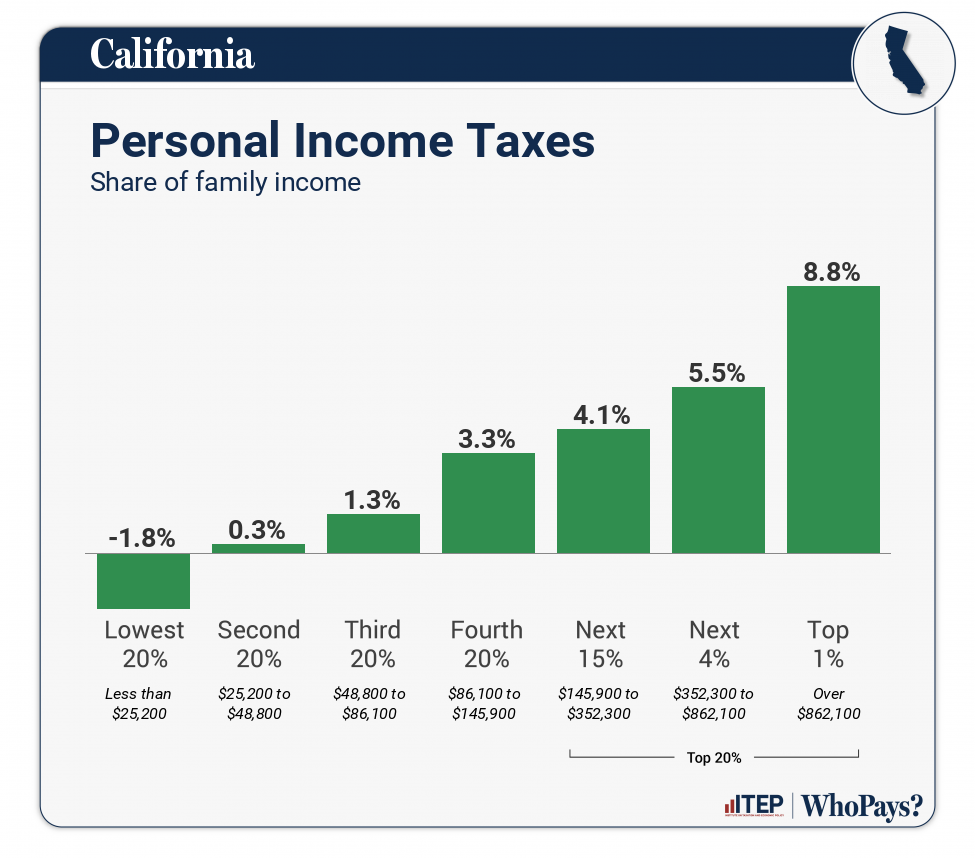
California’s approach to income taxation is rooted in a progressive system, a model designed to ensure that those with higher incomes contribute a larger percentage of their earnings in taxes. This foundational principle is critical to understanding how your income will be treated within the state.
The Basics of Progressive Taxation in California
At its core, a progressive tax system means that tax rates increase as taxable income rises. Instead of a flat rate applied to all income, California divides income into various brackets, each subject to a different marginal tax rate. This structure aims for fairness, theoretically placing a greater tax burden on those with a higher capacity to pay. For individuals and families planning their finances, this means that every additional dollar earned may push them into a higher tax bracket for that portion of their income, but not necessarily for their entire income. It’s a common misconception that moving into a higher bracket means all income is taxed at the new, higher rate; rather, only the income falling within that new bracket is subject to its specific rate.
Key Income Brackets and Rates
California’s income tax rates are among the highest in the nation, with a top marginal rate that can exceed 13%. The state typically features a range of nine to ten tax brackets, with rates starting from around 1% for the lowest earners and progressively increasing. These brackets and their corresponding rates are adjusted annually for inflation, meaning they can shift slightly from year to year. While specific figures fluctuate, the general structure remains consistent: lower income tiers face modest rates, while higher income tiers climb significantly. It’s important to note that these rates apply to taxable income, which is your gross income minus any applicable deductions and exemptions. For individuals considering a move to California or those already residing there, understanding where their income falls within these brackets is essential for accurate financial forecasting and budgeting, directly impacting their chosen lifestyle.
Who is Subject to California Income Tax?
The question of who must pay California income tax is broader than just full-time residents. The state imposes income tax on:
- Residents: Individuals who live in California, regardless of where their income is earned. This means if you are a California resident working remotely for a company based out of state, your income is generally still subject to California income tax.
- Part-Year Residents: Individuals who become residents or cease to be residents during the tax year. Their income earned while a California resident, and any [California](https://lifeoutofthebox.com/california]-source income earned while a non-resident, is taxable.
- Non-Residents: Individuals who are not residents of California but earn income from California sources. This could include income from real estate rentals in California, wages for work performed in California, or business income derived from within the state.
Determining residency can be complex, involving factors such as the amount of time spent in California, location of family, bank accounts, voter registration, and driver’s license. For those with complex situations, professional tax advice is often invaluable.
Beyond State Income Tax: A Holistic Financial Picture
While California’s state income tax rate is a significant factor, it’s just one piece of the larger financial puzzle. A comprehensive lifestyle financial plan must also account for federal taxes and other state-specific levies.
Federal Tax Implications
It’s crucial to remember that California state income tax is assessed in addition to federal income tax. The federal government has its own progressive tax system, with different brackets and rates that apply to all U.S. citizens and residents, regardless of their state of residence. This means that individuals earning income in California will see a portion of their earnings go towards federal taxes and another portion towards state taxes. Understanding the combined impact of these two tax systems is vital for accurately projecting net income and planning for savings, investments, and discretionary spending.
Other California Taxes to Consider
California residents face a variety of other taxes that impact their overall financial health and lifestyle choices:
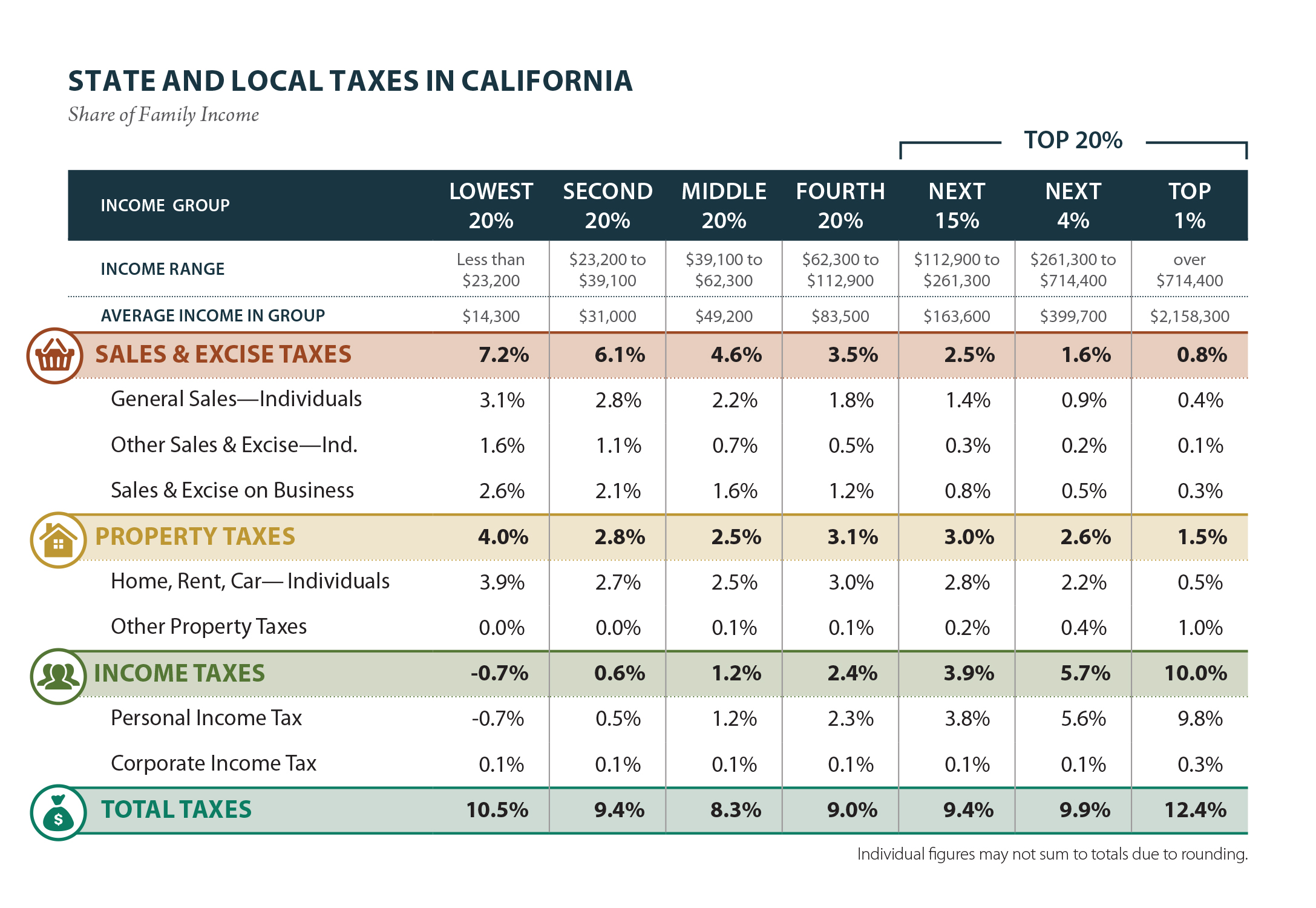
- Sales Tax: California has one of the highest statewide sales tax rates in the nation, to which local sales taxes are often added, resulting in combined rates that can exceed 10% in some areas. This affects the cost of goods and services, from everyday purchases to significant investments.
- Property Tax: For homeowners, property taxes are a substantial annual expense. California’s property tax system, largely governed by Proposition 13, limits the increase in assessed value to 2% per year until the property is sold, at which point it is reassessed at market value. This can lead to vastly different property tax bills for similar homes, depending on when they were last purchased.
- Vehicle-Related Taxes: This includes vehicle license fees and gasoline taxes, which contribute to the cost of transportation, a significant factor in a state known for its driving culture.
- Local Taxes: Depending on the city or county, individuals may also encounter various local taxes or fees that contribute to the overall cost of living.
Considering these additional taxes provides a more realistic view of the total tax burden in California and helps in budgeting for a comfortable lifestyle.
The Impact on Cost of Living
The cumulative effect of California’s high income tax rates, coupled with other taxes and a notoriously high cost of living (especially in metropolitan areas like Los Angeles and San Francisco), profoundly impacts residents’ disposable income. Housing, transportation, and everyday expenses often exceed national averages. Therefore, a higher gross income in California does not automatically translate to a higher discretionary income than a lower gross income in a state with a lower cost of living and tax burden. Strategic financial planning, factoring in all these elements, is essential for maintaining desired lifestyle standards and achieving financial goals in California.
Navigating Exemptions, Credits, and Deductions
While California’s tax rates may seem daunting, the state’s tax code also provides various mechanisms—exemptions, credits, and deductions—that can help reduce an individual’s taxable income and, consequently, their tax liability. Understanding and utilizing these provisions is key to smart financial management.
Common Credits and Deductions
California offers a range of tax benefits similar to federal tax law, but with state-specific nuances:
- Standard Deduction vs. Itemized Deductions: Taxpayers can typically choose between taking a standard deduction (a fixed amount that reduces taxable income) or itemizing their deductions (listing specific deductible expenses). Common itemized deductions can include state and local taxes (SALT, though subject to federal limits), home mortgage interest, charitable contributions, and certain medical expenses.
- Dependent Exemptions: Similar to federal law, taxpayers can claim exemptions for themselves and their dependents, which reduce taxable income.
- Earned Income Tax Credit (CalEITC): California has its own version of the Earned Income Tax Credit, designed to provide a refundable credit to low-to-moderate income working individuals and families. This can significantly reduce or even eliminate tax liability for eligible taxpayers.
- Child and Dependent Care Credit: This credit helps offset the cost of care for children and other dependents, allowing taxpayers to work or look for work.
Staying informed about these options can lead to substantial savings and is a critical aspect of personal finance and lifestyle budgeting.
Resources for Taxpayers
Navigating the complexities of tax law can be challenging. Fortunately, several resources are available to help California taxpayers:
- The Franchise Tax Board (FTB): The FTB is California’s state tax agency responsible for administering income tax laws. Their official website is an invaluable resource, offering detailed information on tax rates, forms, instructions, publications, and online tools. It is the primary source for accurate and up-to-date information on California tax laws.
- Tax Preparation Software and Professionals: For many, using reputable tax preparation software can simplify the filing process. For more complex financial situations, consulting with a qualified tax professional (e.g., a Certified Public Accountant or Enrolled Agent) is highly recommended. These experts can provide personalized advice, ensure compliance, and identify all eligible deductions and credits.
Proactive engagement with these resources is a hallmark of responsible financial stewardship, empowering individuals to manage their tax obligations effectively.
Lifestyle and Business Implications of California Taxes
The income tax rate in California has far-reaching implications that extend beyond just the amount on a tax return. It influences major life decisions, from where one chooses to live to how one structures their investments and business activities.
Financial Planning for Relocation or Remote Work
For individuals considering a move to California, or those contemplating remote work for a California-based company from another state, understanding the tax implications is paramount. A higher income tax rate might necessitate adjustments to salary expectations or a re-evaluation of overall financial viability. Similarly, California residents working remotely for companies outside the state will still be subject to California’s income tax, which can be a pleasant surprise for those accustomed to lower state income taxes. Lifestyle planning around relocation or remote work requires a thorough analysis of how these tax obligations will affect disposable income, savings goals, and the ability to maintain a desired standard of living.
Impact on Savings and Investment
The amount of income subject to state tax directly impacts how much disposable income is available for savings and investments. Higher tax burdens mean less money left over to contribute to retirement accounts, brokerage accounts, or other investment vehicles. This can influence long-term wealth accumulation strategies. Astute investors and financial planners in California often consider tax-efficient investment strategies, such as investing in tax-advantaged accounts (e.g., 401(k)s, IRAs) or municipal bonds whose interest is often exempt from both federal and state income taxes, to mitigate the impact of high tax rates on their portfolio growth.

Business Stays and Temporary Work
Even those on “business stays” or engaging in temporary work within California must be aware of their potential tax obligations. Non-residents who earn income from sources within [California](https://lifeoutofthebox.com/california] are generally required to pay California income tax on that income. This applies to wages, business profits, and even income from services performed while physically in the state. Companies bringing employees to [California](https://lifeoutofthebox.com/california] for short-term projects or individuals contracting for [California](https://lifeoutofthebox.com/california]-based businesses need to factor these tax responsibilities into their financial models. Understanding these rules is crucial for both individuals and businesses to ensure compliance and avoid unexpected tax liabilities, thereby protecting their financial standing and ensuring a smooth “business stay” experience.
In conclusion, understanding “What is the California Income Tax Rate?” is more than just knowing a percentage; it’s about grasping a complex system that significantly shapes financial outcomes and lifestyle choices. California’s progressive tax structure, combined with other state and federal levies, necessitates careful planning. By leveraging available deductions, credits, and expert resources, individuals can navigate this landscape effectively, ensuring their financial decisions align with their long-term lifestyle aspirations in one of the world’s most dynamic economies. For anyone with a financial stake in California, a clear and comprehensive understanding of these tax implications is not just advisable, but essential.
LifeOutOfTheBox is a participant in the Amazon Services LLC Associates Program, an affiliate advertising program designed to provide a means for sites to earn advertising fees by advertising and linking to Amazon.com. Amazon, the Amazon logo, AmazonSupply, and the AmazonSupply logo are trademarks of Amazon.com, Inc. or its affiliates. As an Amazon Associate we earn affiliate commissions from qualifying purchases.