
The California State Board of Equalization (BOE) is a name often encountered in discussions about public finance in California, yet its specific role and impact on the daily lives and lifestyle choices of residents and businesses are not always fully understood. Far from being an abstract governmental entity, the BOE plays a foundational role in shaping the economic environment that underpins virtually every aspect of the California lifestyle, from the affordability of housing to the cost of consumer goods and the viability of local businesses. This exploration delves into the essence of the BOE, unraveling its functions and illustrating how its work directly and indirectly influences the diverse lifestyles pursued across the Golden State, from those embracing luxury travel and fine dining to families planning budget-friendly excursions and entrepreneurs establishing new ventures. Understanding the BOE isn’t just about tax compliance; it’s about grasping a key mechanism that affects financial planning, consumer behavior, and the economic landscape that defines life in California.

The BOE’s primary mandate revolves around tax administration and ensuring fair property assessment, responsibilities that, while seemingly technical, have profound implications for disposable income, business profitability, and the overall economic health of the state. These factors, in turn, dictate the financial flexibility individuals and businesses have to pursue specific lifestyles, whether that involves frequent business stays in vibrant urban centers, enjoying family trips to California’s renowned attractions, or investing in the comforts of a luxurious home. By maintaining a stable and equitable tax system, the BOE contributes to an environment where residents can plan their futures with greater certainty, and businesses can thrive, offering the services and products that enrich the California experience for everyone.
Shaping the Financial Landscape for California Lifestyles
The core functions of the California State Board of Equalization are deeply intertwined with the financial decisions that define individual and business lifestyles in the state. Through its oversight of various tax categories and property assessment standards, the BOE directly influences the financial parameters within which Californians live, work, and recreate. This influence is particularly evident in two major areas: property values and sales tax.
Equalizing Property Values and Homeownership Dreams
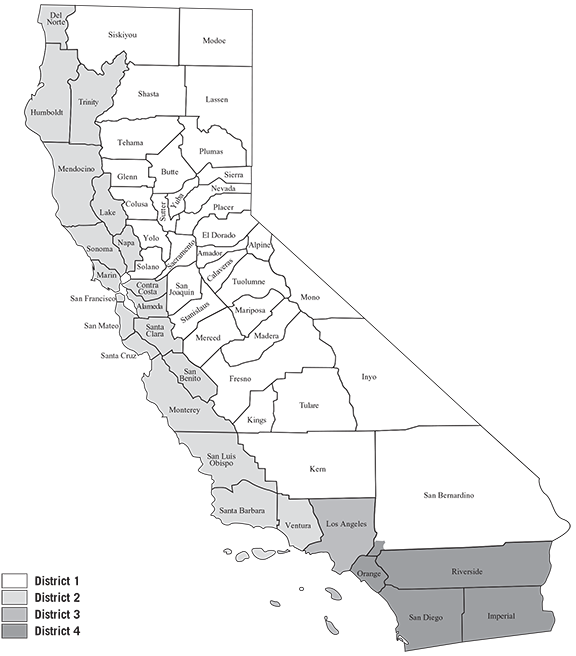
One of the BOE’s critical responsibilities is to ensure the fair and uniform assessment of property values across all 58 counties in California. This “equalization” function is vital because property taxes are a significant source of funding for local public services such as schools, fire departments, and parks, all of which contribute to the quality of life in communities. For individuals and families, property taxes represent a substantial portion of their annual living expenses, directly impacting their budget for other lifestyle elements. A higher property tax burden, influenced by assessed values, can reduce discretionary income available for luxury travel, budget trips, or other leisure activities.
Conversely, a stable and fair property tax system, upheld by the BOE, provides a predictable financial environment. This predictability allows homeowners to plan their finances more effectively, fostering a sense of security that is foundational to a comfortable lifestyle. For those aspiring to homeownership, understanding the factors influencing property taxation, including the BOE’s equalization efforts, is crucial in making informed decisions about where to live and what they can afford. This directly affects their ability to enjoy a desired lifestyle, whether it’s settling into a quiet suburban community or purchasing a vacation property that facilitates frequent family trips. The BOE’s role, therefore, extends beyond mere numbers on a tax bill; it helps define the economic viability of different living situations and the pursuit of specific homeownership dreams within California.
Sales Tax: An Everyday Impact on Consumer Choices
Beyond property taxes, the California State Board of Equalization also plays a significant role in the administration of sales and use taxes. While the California Department of Tax and Fee Administration (CDTFA) now handles the direct collection of these taxes, the BOE historically set the standards and provided oversight for this crucial revenue stream. Sales tax is an almost ubiquitous part of daily life, applying to most tangible goods purchased in the state. Its impact on consumer choices and lifestyle budgeting is immediate and widespread.
Every time a Californian buys clothing, dines out, or purchases equipment for a hobby, sales tax is added to the price. For individuals, this directly affects the total cost of their lifestyle. A higher sales tax rate means less purchasing power, which can influence decisions regarding everything from how often one dines at upscale restaurants to the frequency of retail therapy. For budget-conscious individuals, understanding the cumulative effect of sales tax is essential for managing their finances and ensuring they have enough funds for essentials and desired leisure activities, such as saving for a memorable family trip or a more modest budget travel experience. The BOE’s historical and ongoing oversight in ensuring the equitable application of these taxes means that the economic environment for consumer spending remains consistent, allowing individuals to plan their lifestyle choices with greater clarity.
Supporting Businesses that Define California Experiences
The vibrant tapestry of California life is heavily woven by its diverse businesses, from bustling boutique hotels to innovative tech startups and world-renowned vineyards. The California State Board of Equalization’s administrative and oversight functions, particularly in areas of sales, fuel, and excise taxes, have a direct bearing on the operational health and financial sustainability of these enterprises. In essence, the BOE creates a regulatory environment that profoundly influences the very services and experiences that shape the California lifestyle.
Fueling the Tourism and Hospitality Sector
California is a premier global destination for tourism, attracting millions of visitors annually who contribute significantly to the state’s economy and define its dynamic lifestyle. The BOE’s role in overseeing the administration of fuel taxes, alongside other excise taxes on products like alcohol and tobacco, indirectly but crucially impacts the tourism and hospitality sector. For instance, fuel taxes contribute to the maintenance of roads and infrastructure, which are vital for tourists and residents alike navigating the state, whether for a scenic road trip or daily commutes to business stays. The cost of fuel also affects transportation businesses, from airlines to tour operators, influencing the prices they charge and, consequently, the accessibility of travel and leisure for consumers.
Furthermore, taxes on goods like alcohol and cannabis, while directly collected by the CDTFA, operate within a framework that the BOE historically helped establish and continues to influence through its constitutional powers. These taxes impact the pricing structures for hotels, restaurants, and entertainment venues, which are central to both luxury and budget travel experiences. By ensuring fair and consistent application of these tax laws, the BOE contributes to a stable business environment, allowing hospitality providers to operate efficiently, offer competitive pricing, and continue delivering the high-quality services and unique experiences that define California’s allure. A healthy and predictable tax system enables these businesses to invest, innovate, and thrive, which in turn enhances the overall lifestyle offerings for residents and visitors.
Ensuring Fair Competition for Local Ventures

Beyond the direct impact on specific industries, the California State Board of Equalization plays a pivotal role in fostering a level playing field for businesses across the state. By upholding uniform tax administration and assessment standards, the BOE helps prevent unfair advantages that might arise from inconsistent application of tax laws. This commitment to equitable taxation is vital for the health of local ventures, from small, family-owned restaurants that serve as cultural hubs to independent retailers offering unique goods that enhance local lifestyles.
When tax rules are applied consistently, businesses can compete fairly on the merits of their products and services, rather than on disparate tax burdens. This encourages entrepreneurship and investment, leading to a richer array of choices for consumers. For example, a local surf shop competing with a larger chain benefits from uniform sales tax application, ensuring neither has an artificial cost advantage purely due to tax discrepancies. This supports the diverse ecosystem of businesses that cater to specific lifestyles, from luxury buyers seeking high-end goods to families looking for affordable entertainment options. A thriving local business scene, underpinned by fair tax administration, contributes significantly to the unique character and vibrancy of California’s communities, making them more attractive for both residents and tourists engaging in family trips or exploring local culture.
Navigating Compliance for a Stress-Free California Lifestyle
While the California State Board of Equalization’s functions may seem abstract, understanding and complying with the tax framework it oversees is a practical necessity for anyone seeking a financially stable and stress-free lifestyle in California. For both residents and business owners, effective tax management is directly linked to peace of mind, allowing more time and resources to be directed towards enjoying the many facets of the California lifestyle, whether that means engaging in leisure, family activities, or professional growth through business stays.
Resources for Residents and Entrepreneurs
The California State Board of Equalization, through its oversight and historical role in tax administration, has emphasized the importance of accessible information and resources for taxpayers. While many direct services have transitioned to other agencies like the CDTFA, the underlying principles of transparency and support for compliance remain paramount. For residents, this means having access to clear information about property tax assessments and appeal processes, allowing them to manage a significant household expense effectively. Understanding these processes can prevent unexpected financial burdens, which could otherwise derail plans for family trips or luxury purchases.
For entrepreneurs and small business owners, particularly those in the hospitality, retail, or service sectors that cater to diverse lifestyles, navigating tax obligations efficiently is crucial. The availability of clear guidelines, educational workshops, and responsive customer service — often influenced by the standards set by the BOE — helps businesses fulfill their responsibilities without undue stress. This proactive approach to compliance allows business owners to focus their energy on growth and innovation, enhancing the quality of services and products available to consumers. Whether running a boutique hotel catering to business stays or a tour company offering unique California experiences, readily available resources simplify complex tax matters, fostering a more secure financial footing for their ventures.
Avoiding Pitfalls: The Path to Financial Serenity
Adhering to tax laws, guided by the principles and oversight established by the California State Board of Equalization, is a direct path to avoiding financial pitfalls that can severely disrupt one’s lifestyle. Unpaid taxes, incorrect filings, or a lack of understanding of obligations can lead to penalties, audits, and significant stress. Such financial complications can impact one’s ability to engage in desired lifestyle activities, forcing cutbacks on everything from dining out to planned vacations. For business owners, tax non-compliance can threaten the very existence of their enterprise, impacting their personal lifestyle and potentially the livelihoods of their employees.
Conversely, a commitment to understanding and meeting tax responsibilities frees up mental and financial resources. It allows individuals to budget confidently for their chosen lifestyle, whether that involves frequent luxury travel, careful planning for budget trips, or enjoying family trips without financial worry. For businesses, meticulous tax compliance ensures smooth operations, preventing legal entanglements and allowing them to contribute positively to the California economy and the lifestyles it supports. The BOE’s emphasis on equitable and transparent tax administration, therefore, acts as a guardian of financial serenity, underpinning the broader pursuit of a stable and enjoyable lifestyle for all Californians.
The California State Board of Equalization in the Broader California Narrative
The story of the California State Board of Equalization is more than a chronicle of tax administration; it’s an integral chapter in the ongoing narrative of California’s economic development and societal well-being. By diligently executing its constitutional mandate, the BOE has consistently served as a bedrock institution, influencing the state’s financial stability, fostering an environment for robust commerce, and ultimately contributing to the unique and dynamic California lifestyle. Its functions are not isolated but deeply interconnected with the state’s capacity to fund public services, support its diverse population, and adapt to evolving economic realities.
A Pillar of California’s Economic Health
At its core, the California State Board of Equalization stands as a vital pillar of California’s economic health. Its historical role in overseeing and equalizing property assessments ensures a fair distribution of the property tax burden, which in turn provides consistent, significant funding for local governments. These funds are indispensable for maintaining essential public services—schools that educate the next generation, infrastructure that supports travel and commerce, and public safety initiatives that guarantee secure communities. Without the BOE’s oversight, disparities in assessment could lead to inequitable taxation, jeopardizing local budgets and undermining the quality of life that attracts people to California.
Furthermore, the BOE’s historical administration of sales, use, and various excise taxes has ensured a reliable flow of revenue for the state, funding a vast array of programs that enhance the overall California lifestyle. From environmental protection efforts that preserve California’s natural landmarks for family trips, to social services that support vulnerable populations, the tax revenues influenced by the BOE’s work are foundational. By promoting fair tax practices and resolving tax-related disputes, the BOE contributes to investor confidence and fosters a predictable business climate, encouraging economic growth that benefits all Californians, whether through job creation or the availability of diverse lifestyle choices, from luxury consumer goods to budget-friendly experiences.
Looking Ahead: Adapting to California’s Evolving Lifestyle
As California continues to evolve, facing new economic challenges and embracing changing societal values, the role of institutions like the California State Board of Equalization remains critical. While its direct administrative functions have been streamlined and, in some cases, transferred to newer agencies, its constitutional mandate to ensure fair property assessment and its broader oversight capabilities continue to provide an essential check and balance within California’s fiscal landscape. This adaptability is crucial for maintaining an environment that supports the diverse and ever-changing California lifestyle.
The future demands that the BOE, alongside other state agencies, continues to respond to emerging economic trends, such as the growth of the gig economy, the increasing prominence of digital services, and the ongoing shifts in housing markets. By upholding principles of fairness and transparency in taxation, the BOE helps ensure that California’s tax system remains robust and equitable, capable of sustaining the state’s vibrant economy and supporting the myriad of lifestyles pursued by its residents. Understanding the BOE, therefore, is not merely a historical exercise but an insight into a crucial governmental body that will continue to shape the financial framework for future generations of Californians and the lifestyles they aspire to.
LifeOutOfTheBox is a participant in the Amazon Services LLC Associates Program, an affiliate advertising program designed to provide a means for sites to earn advertising fees by advertising and linking to Amazon.com. Amazon, the Amazon logo, AmazonSupply, and the AmazonSupply logo are trademarks of Amazon.com, Inc. or its affiliates. As an Amazon Associate we earn affiliate commissions from qualifying purchases.