
The allure of California is undeniable, drawing individuals and businesses alike with its vibrant culture, innovative industries, and diverse landscapes. From the sun-drenched beaches of San Diego to the bustling streets of San Francisco, the Golden State offers a lifestyle that many aspire to. However, living or doing business in this dynamic environment comes with its own set of financial considerations, one of the most frequently misunderstood being the California Use Tax. For anyone seeking to navigate their finances wisely while embracing the California lifestyle, understanding this tax is not just a legal obligation but a cornerstone of smart financial planning. It’s a concept that touches upon everything from online shopping sprees to significant out-of-state purchases for a new home or business venture, proving that even seemingly minor financial decisions can have broader tax implications. This article aims to demystify the California Use Tax, providing insightful guidance on its purpose, application, and how it impacts the everyday choices that define one’s California lifestyle.
Understanding California’s Use Tax in a Lifestyle Context
At its heart, California’s Use Tax is not designed to be an additional burden but rather a complementary tax to the state’s sales tax. It ensures fairness in taxation, particularly in a world increasingly dominated by e-commerce and cross-state transactions. For individuals curating their California lifestyle, from furnishing a new apartment in Los Angeles to stocking a home office in Silicon Valley, grasping this distinction is paramount.
The Core Concept: Why Use Tax Exists
The primary reason for the existence of use tax is to prevent consumers from circumventing sales tax by purchasing goods from out-of-state retailers who do not collect California sales tax. Imagine someone living in California who orders a custom piece of furniture from an artisan in Oregon, a state with no sales tax, and has it shipped directly to their home. If not for use tax, this purchase would escape California’s sales tax, giving out-of-state retailers an unfair advantage over local California businesses that do collect sales tax.
Use tax essentially applies to the storage, use, or consumption of tangible personal property in California when the seller did not collect California sales tax. The tax rate is the same as the sales tax rate in the locality where the property is used, stored, or consumed. This ensures that goods purchased for use in [California](https://lifeoutofthebox.com/california], regardless of where they were bought, are subject to the same general tax burden, promoting a level playing field for all businesses and contributing to the state’s revenue.
When Lifestyle Purchases Trigger Use Tax
Many lifestyle-related purchases can inadvertently trigger a use tax obligation. Consider the enthusiast who buys a rare vintage car from a private seller in Arizona and brings it into California to enjoy the scenic drives along the Pacific Coast Highway. Or the tech-savvy individual who imports a cutting-edge gadget from an international vendor directly to their California address. These are prime examples where the purchaser becomes responsible for remitting use tax.
Other common scenarios include:
- Online Shopping: Items bought from out-of-state online retailers who do not have a physical presence (nexus) in California and therefore do not collect California sales tax. (Note: Many major online retailers now collect California sales tax due to evolving nexus laws).
- Mail-Order Purchases: Goods ordered through catalogs or direct mail from out-of-state companies.
- Purchases Made While Traveling: Items bought in another state (or country) and subsequently brought into California for use, storage, or consumption, where the sales tax paid in the other jurisdiction was less than California’s use tax. In such cases, only the difference is due.
- Gifts: Receiving gifts that were purchased out-of-state without California sales tax, and then using them in California.
These examples highlight how easily use tax can apply to items central to one’s personal enjoyment and daily living in California.
Differentiating Use Tax from Sales Tax for the Savvy Consumer
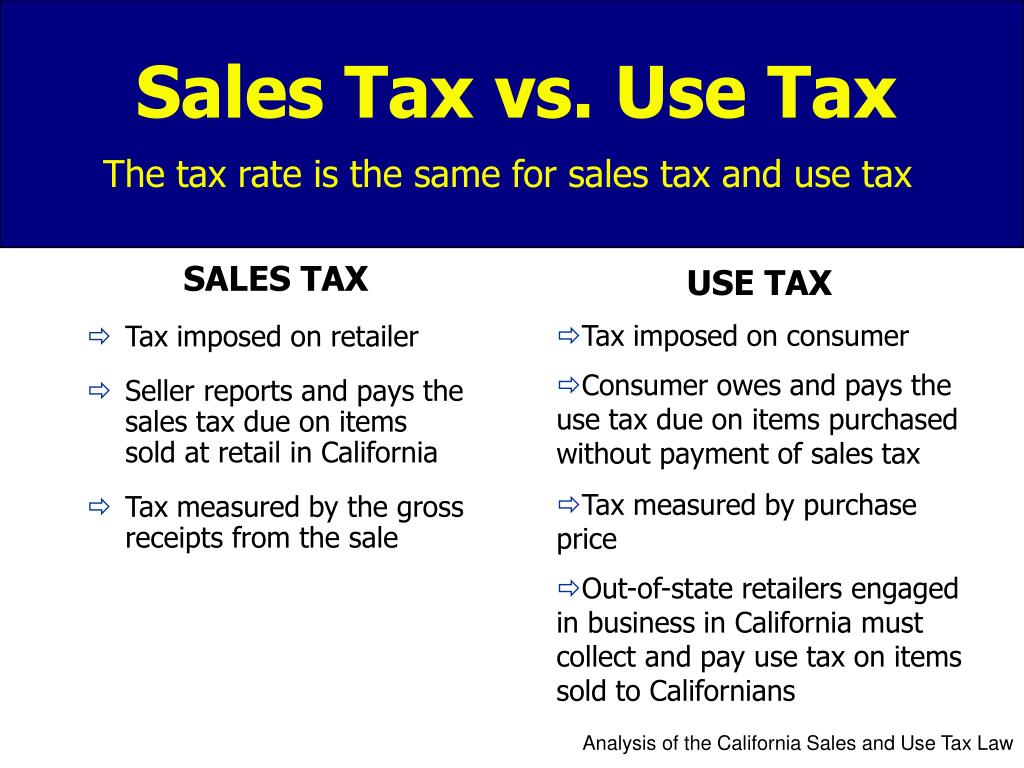
While the rates are identical, the crucial distinction between sales tax and use tax lies in who is responsible for collecting and remitting it.
- Sales Tax: Collected by the retailer at the point of sale. If you buy a new surfboard from a shop in Santa Cruz, the shop collects sales tax.
- Use Tax: Paid directly by the consumer to the California Department of Tax and Fee Administration (CDTFA) when the retailer didn’t collect sales tax. This happens when the retailer is out-of-state and doesn’t have a legal obligation to collect California sales tax, or if you purchase from a private party.
For the savvy consumer, understanding this difference means being proactive. Instead of relying on a retailer to collect tax, you must recognize when you have an obligation to self-report and pay. This applies whether you’re buying artisanal goods for your home, specialized equipment for a hobby, or even digital media storage devices for your personal collection.
Impact on Californians: From Relocation to Luxury Living
The California Use Tax has significant implications for residents, particularly those who are new to the state, frequent online shoppers, or individuals acquiring high-value personal property that enhances their lifestyle.
New Residents and Out-of-State Purchases
Relocating to California often involves bringing in substantial personal property—furniture, appliances, vehicles, and collectibles—purchased elsewhere. If these items were bought in another state or country and brought into California for use, they could be subject to use tax. A common scenario is someone moving from a state with no sales tax, like Oregon or Montana, and bringing all their household goods. While household furnishings that you owned and used for at least 90 days in another state before moving to California are generally exempt, new purchases made specifically for the move might not be. Vehicles are a significant area of focus; if you buy a car out-of-state and register it in California, the Department of Motor Vehicles (DMV) will often require proof of sales tax payment or collection of use tax. This makes meticulous record-keeping during a move essential for avoiding unexpected tax bills.
Online Shopping and the Modern Lifestyle
The rise of e-commerce has made online shopping a ubiquitous part of the modern California lifestyle, from ordering gourmet ingredients to the latest fashion trends. While many large online retailers now collect California sales tax due to evolving “economic nexus” laws (meaning they have enough sales or activity in the state to require tax collection), countless smaller or specialized online vendors still do not. When purchasing from these vendors, the onus falls on the consumer to report and pay use tax. Ignoring this obligation, even for small purchases, can accumulate over time, potentially leading to larger liabilities if discovered during an audit. This highlights the importance of being mindful of where and how you shop, especially for items that significantly contribute to your daily life or hobbies.
Personal Property Acquired for a California Lifestyle
From custom-built recreational vehicles for exploring national parks to high-end art for a collector’s residence, personal property acquisitions are a vital part of many California lifestyles. If these significant purchases are made from out-of-state vendors without California sales tax collected, use tax applies. This includes large items like boats, airplanes, expensive jewelry, or even sophisticated home entertainment systems. The cost of these items can quickly lead to substantial use tax liabilities. Individuals enjoying a luxury lifestyle, in particular, must be diligent in tracking and reporting such purchases to remain compliant, ensuring their lavish acquisitions don’t lead to unforeseen tax complications.
Navigating Use Tax for Business and Personal Ventures in California
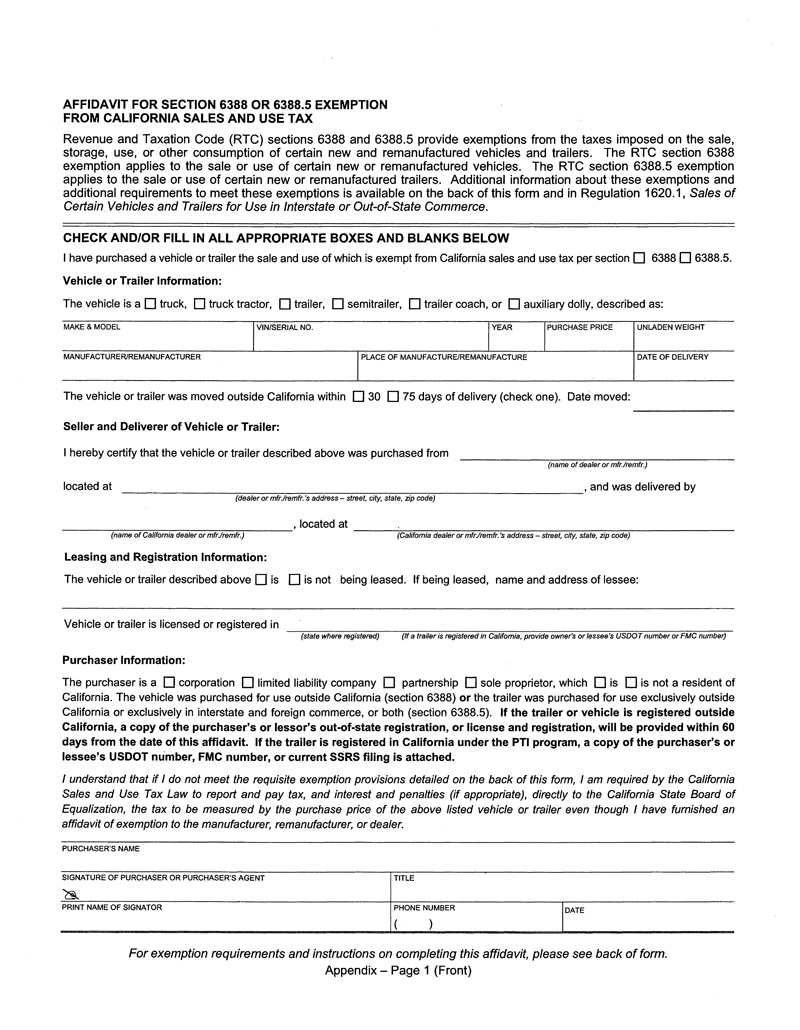
For those pursuing entrepreneurial ventures or investing in significant personal projects within California, understanding use tax extends beyond simple consumer purchases. It becomes a critical component of financial management and operational compliance.
Small Businesses and Service Providers: Keeping Your Operations Compliant
Many small businesses and service providers in [California](https://lifeoutofthebox.com/california] are lifestyle-driven, born from passions like artisanal crafts, niche consulting, or specialized travel services. These businesses often purchase supplies, equipment, software, or tools from out-of-state suppliers who don’t collect California sales tax. For example, a web design firm in San Jose might buy custom computer components from a supplier in Texas, or a boutique bakery in Napa Valley might order specialized baking equipment from an East Coast distributor. In these instances, the business itself is responsible for accruing and remitting use tax on those purchases. Failing to do so can lead to penalties and interest during a CDTFA audit, impacting the financial health of the business.
Managing Inventory and Supplies for Lifestyle-Oriented Businesses
Businesses that hold inventory for resale are typically exempt from paying sales or use tax on those items at the time of purchase, provided they have a valid seller’s permit. However, if any of that inventory is later removed from stock for the business’s own use—for example, a clothing boutique using a display garment for its owner’s personal wear, or a design studio utilizing a piece of furniture it originally intended to sell—then use tax becomes applicable at that point. This “taxable moment” often catches businesses by surprise and requires careful internal accounting and inventory management practices to ensure compliance.
The Role of Use Tax in California Real Estate and Development
While real estate transactions themselves are generally exempt from sales and use tax, the materials and fixtures used in construction, renovation, or development projects are not. For individuals embarking on significant personal projects, such as building a dream custom home in Malibu or undertaking extensive renovations on a historic property in Sacramento, use tax can be a substantial factor. If a homeowner or their contractor purchases building materials, fixtures, or supplies from an out-of-state vendor who does not collect California sales tax, use tax will be due on those materials. This also applies to businesses involved in property development, impacting their project costs and financial planning. Understanding this aspect is crucial for budgeting and preventing unexpected liabilities on large-scale lifestyle investments.
Practical Steps for Compliance and Smart Financial Planning
For those committed to a secure and compliant California lifestyle, managing use tax proactively is key. It involves simple habits and, where necessary, professional advice.
Self-Reporting and Payment Mechanisms
The most common way for individuals to report and pay use tax is through their annual California income tax return. The Franchise Tax Board (FTB) includes a line item for reporting use tax on Form 540. Businesses with a seller’s permit will report and pay use tax on their regular sales and use tax returns filed with the CDTFA. It’s important to accurately track purchases throughout the year that might be subject to use tax. For significant, one-off purchases like a vehicle, specific procedures with the DMV or CDTFA may apply. Understanding these different reporting avenues ensures that the tax is paid correctly and on time.
Record-Keeping for Peace of Mind
Diligent record-keeping is your best defense against potential issues. Keep receipts, invoices, and any documentation related to out-of-state purchases, especially those for high-value items or those where sales tax was not collected. These records should clearly indicate the purchase price, the vendor, and whether sales tax was paid. In the event of an audit, comprehensive records will demonstrate your efforts toward compliance and can significantly ease the process. For businesses, implementing a robust accounting system that flags out-of-state purchases for use tax review is a wise investment.
Seeking Professional Guidance for Complex Situations
While the basic concept of use tax is straightforward, its application can become complex, especially for high-value transactions, intricate business operations, or specific exemptions. For instance, determining if a specific piece of equipment for a unique lifestyle business is exempt, or navigating use tax implications for cross-border transactions, can be challenging. In such cases, consulting with a qualified tax professional—an accountant, tax attorney, or a specialist in California sales and use tax—is highly recommended. Their expertise can save you from costly errors and provide peace of mind, ensuring your California lifestyle and ventures remain financially sound and compliant.
The Broader Economic Picture: Use Tax and California’s Future
Beyond individual and business compliance, California’s Use Tax plays a vital role in the state’s economic health and its ability to maintain the infrastructure and services that support its vibrant lifestyle.
Funding Public Services and Infrastructure
Like sales tax, use tax revenue directly contributes to the state’s General Fund, which finances a wide array of public services essential for the California lifestyle. This includes funding for education, healthcare, public safety, and crucial infrastructure projects such as roads, bridges, and public transportation. When individuals and businesses comply with use tax obligations, they are directly contributing to the collective well-being and the quality of life that makes California such a desirable place to live, work, and visit.
Maintaining Fair Competition
The existence and enforcement of use tax are critical for maintaining a fair and competitive marketplace within California. Without it, local brick-and-mortar businesses—who must collect sales tax from their customers—would be at a distinct disadvantage compared to out-of-state retailers who might not. This imbalance could deter entrepreneurship and investment in local communities, negatively impacting local job creation and economic growth. Use tax helps ensure that all businesses, regardless of their physical location, operate on a more even playing field when selling goods for consumption in California, thereby protecting the vitality of local economies.
The Evolving Landscape of Digital Transactions
As the global economy continues its shift towards digital goods and services, the application and enforcement of sales and use tax are constantly evolving. While tangible personal property remains the primary focus of use tax, discussions around taxing digital products and services are ongoing. Staying informed about legislative changes and CDTFA guidance is important for both individuals and businesses, as future adaptations of tax law could further impact how various lifestyle-related purchases are treated. For now, understanding “What Is Use Tax California?” remains a fundamental financial literacy tool for anyone embracing the Golden State’s unique opportunities and lifestyle.
LifeOutOfTheBox is a participant in the Amazon Services LLC Associates Program, an affiliate advertising program designed to provide a means for sites to earn advertising fees by advertising and linking to Amazon.com. Amazon, the Amazon logo, AmazonSupply, and the AmazonSupply logo are trademarks of Amazon.com, Inc. or its affiliates. As an Amazon Associate we earn affiliate commissions from qualifying purchases.