
Participating in the democratic process is a cornerstone of responsible citizenship, and in California, the ease of voting by mail has become a defining feature of this civic lifestyle. Since the passage of Assembly Bill 37 in 2021, California has permanently adopted vote-by-mail as its standard, ensuring that every registered voter receives a ballot in the mail for every election. This proactive approach underscores the state’s commitment to accessibility and encourages widespread participation. For residents, understanding the specific timelines and procedures for ballot mailing is crucial to ensuring their voice is heard. This comprehensive guide delves into when you can expect your ballot, how to ensure you receive it, and what steps to take if there are any issues, empowering you to fully embrace the California lifestyle of informed and engaged citizenry.
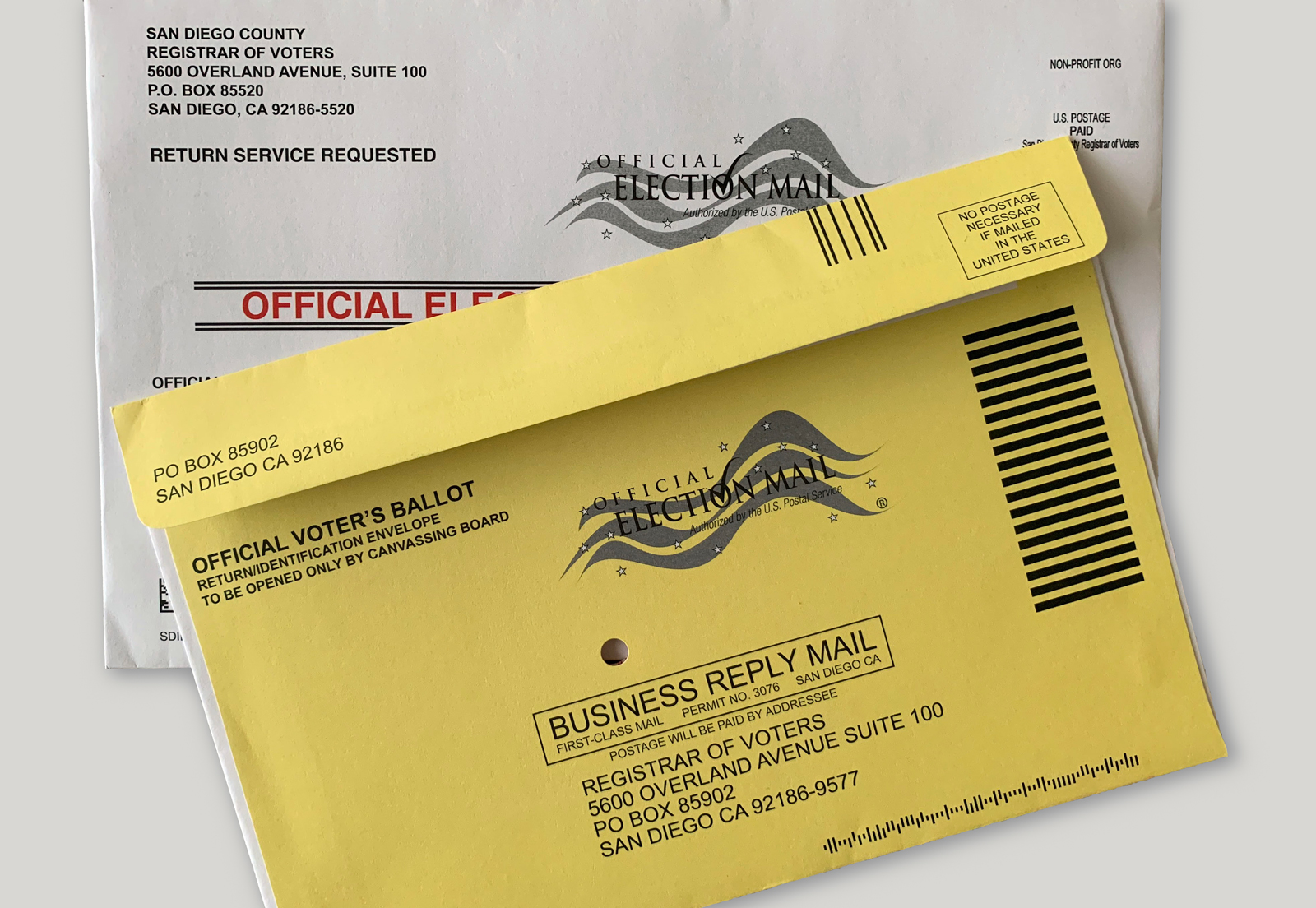
The California Voting Landscape: A Lifestyle of Civic Engagement
The commitment to universal vote-by-mail in California transforms the act of voting from a single-day event into a more extended, flexible period, seamlessly integrating civic duty into the daily lives of its residents. This system is designed to remove barriers, providing voters with ample time to research candidates and measures, discuss issues with family and friends, and cast their ballot at their convenience. It reflects a modern approach to democracy, recognizing that an active citizenry is a more representative one.
Evolution of Vote-by-Mail in California
Prior to 2021, California voters had the option to request a vote-by-mail ballot. The COVID-19 pandemic, however, served as a catalyst for change, prompting temporary measures to mail ballots to all registered voters in 2020. This successful implementation, demonstrating both efficiency and increased participation, paved the way for AB 37 to make it permanent. The rationale was clear: enhance voter access, reduce lines at polling places, and ensure public health safety. Today, receiving a ballot in the mail is not just an option but the default, making it an expected part of the election cycle for every Californian. This shift underscores a broader lifestyle trend towards convenience and digital integration, even in civic matters.
Embracing the California Citizen’s Role
For new residents or those unfamiliar with California’s electoral system, understanding the vote-by-mail process is essential for embracing their role as active members of the community. It’s more than just casting a vote; it’s about engaging with the issues that affect local communities, counties, and the entire state. From school board elections that impact local families to statewide propositions that shape environmental policy or economic direction, every ballot represents an opportunity to contribute to the collective future. The mailed ballot becomes a tangible link to this ongoing civic dialogue, encouraging a lifestyle of continuous engagement rather than sporadic participation.
Key Dates: Understanding the Ballot Mailing Timeline
The timeline for mailing ballots in California is strictly defined by state law, ensuring consistency and predictability for voters. This structured approach allows citizens to anticipate their ballots and plan their participation effectively.
General Elections: The November Standard
For General Elections, which occur on the first Tuesday after the first Monday in November, ballots are legally required to be mailed out to all registered voters beginning 29 days before Election Day. This window provides voters with nearly a month to receive, review, and return their ballots. For example, if Election Day falls on November 5th, ballots would start going out around October 7th. This generous timeframe is designed to accommodate mail delivery variations and give voters ample opportunity for informed decision-making. It’s a critical period in the California political lifestyle, where civic engagement intensifies.
Primary Elections: Setting the Stage
Primary Elections, typically held in March or June depending on the election cycle and specific offices contested, also follow the 29-day pre-Election Day mailing rule. Primary elections are crucial as they determine which candidates will represent their respective parties in the General Election. For voters, participating in the primary is a key aspect of their civic lifestyle, allowing them to influence the slate of candidates and directly impact the future direction of various political parties. Understanding the primary ballot mailing schedule is therefore just as important as knowing the general election dates.
Special Elections: Unforeseen Circumstances
In addition to scheduled General and Primary Elections, California occasionally holds Special Elections. These can be called to fill unexpected vacancies in political offices (e.g., due to resignation or death) or to address specific ballot measures that require immediate voter input. For Special Elections, ballots are also mailed out 29 days before Election Day, adhering to the same legal standard. While less predictable in timing, the consistent mailing window ensures that even in unforeseen circumstances, voters have sufficient notice and opportunity to participate. Voters in affected districts are typically well-informed by their local county election officials about these specific timelines.
Eligibility and Registration: Your Gateway to the California Ballot
Before a ballot can be mailed to you, you must be a registered voter in California. This fundamental step is the cornerstone of participating in any election and forms the bedrock of the civic lifestyle.
Who Can Vote in California?
To be eligible to vote in California, an individual must meet several criteria:
- Be a United States citizen.
- Be a resident of California.
- Be at least 18 years old on or before Election Day.
- Not be currently serving a state or federal prison term for the conviction of a felony.
- Not currently be found mentally incompetent to vote by a court.
These criteria are straightforward, making the path to becoming a registered voter accessible to a vast majority of the state’s adult population. Understanding these requirements is the first step in activating one’s civic voice.
Registering to Vote: The First Step
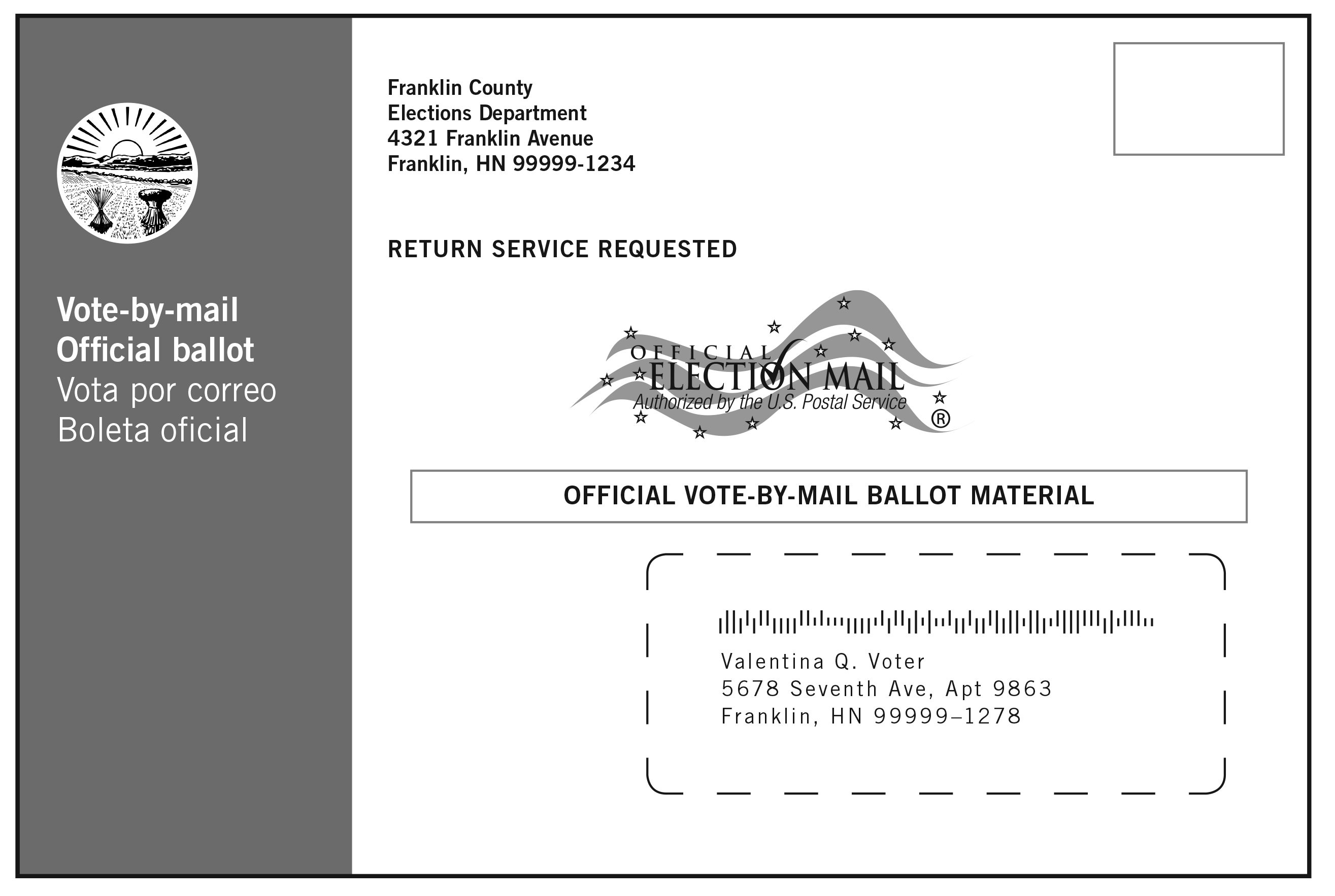
The deadline to register to vote for any election in California is 15 days before Election Day. You can register online through the California Secretary of State‘s website, by mail, or in person at your county elections office or Department of Motor Vehicles (DMV) office. It’s highly recommended to register well in advance of the deadline to ensure your registration is processed correctly and your ballot is mailed without delay. For those embracing a proactive lifestyle, registering as soon as they are eligible ensures seamless participation in future elections. Keeping your registration information updated, especially your address, is also vital to receive your ballot promptly.
Conditional Voter Registration: A Safety Net
California offers Conditional Voter Registration (CVR), often referred to as “Same Day Voter Registration,” which allows individuals to register and cast a provisional ballot up to and including Election Day. This is a crucial safety net for those who miss the 15-day registration deadline or need to update their registration on the fly. To utilize CVR, voters must visit their county elections office or an official vote center. While this option ensures no one is disenfranchised due to a missed deadline, it’s always best practice to register early to avoid any last-minute complications and enjoy the full convenience of mailed ballots.
Receiving Your Ballot: What to Expect
Once you’re a registered voter, receiving your ballot in the mail is an anticipated event. Understanding the process and knowing what to do if issues arise is key to a smooth voting experience.
The Official Mailing Period
As established, ballots begin mailing 29 days prior to Election Day. Due to the sheer volume of ballots, they are typically sent out in batches by county elections officials over several days or even a week. Therefore, not all voters will receive their ballot on the exact same day within that 29-day window. It’s reasonable to expect your ballot to arrive within the first one to two weeks after the start of the mailing period. The ballot packet typically includes the ballot itself, a return envelope, and an official voter information guide. This guide is an invaluable resource, providing non-partisan information on candidates and ballot measures, aligning with an informed civic lifestyle.
Troubleshooting: What if Your Ballot Doesn’t Arrive?
If you’re registered to vote and the official mailing period has passed, but you haven’t received your ballot, there are immediate steps you can take:
- Check Your Registration Status: The first step is to confirm your voter registration status and mailing address on the California Secretary of State’s website. Errors in addresses are common reasons for non-delivery.
- Contact Your County Elections Office: If your registration is correct, contact your county elections official directly. They can track your ballot or issue a replacement. This is the most effective way to resolve delivery issues.
- Request a Replacement Ballot: You can typically request a replacement ballot online, by mail, or in person. It’s important to do this as soon as you realize your original ballot is missing.
- Vote in Person: As a last resort, if time is running out, you can always visit a vote center in your county to cast a ballot in person, including a provisional ballot if necessary.
Proactive monitoring of your mail and registration status is part of an engaged civic lifestyle, ensuring you don’t miss out on your chance to vote.
Secure Ballot Design and Information
California ballots are designed with security and clarity in mind. Each ballot has unique identifiers, and the return envelopes require your signature, which is then matched against your voter registration signature by election officials. This signature verification process is a critical security measure to prevent fraud. The voter information guide accompanying the ballot provides detailed, impartial information about candidates, propositions, and any local measures, enabling voters to make well-informed decisions. This commitment to transparency and security reinforces confidence in the vote-by-mail system, making it a trusted component of the California democratic lifestyle.
Beyond the Mailbox: Returning Your California Ballot
Receiving your ballot is only half the process; successfully returning it by the deadline is equally critical. California offers multiple convenient and secure methods for returning your completed ballot.
Mail-In Return Options
The most common method is to return your ballot through the United States Postal Service. The provided return envelope is postage-paid, meaning you don’t need to apply a stamp. Crucially, your mailed ballot must be postmarked on or before Election Day and received by your county elections office no later than 7 days after Election Day. This grace period allows for standard mail transit times, providing flexibility for voters. However, it is always advisable to mail your ballot several days before Election Day to avoid any unforeseen postal delays.
Official Drop Boxes: Convenience and Security
For added convenience and security, California provides official ballot drop boxes in various locations across each county. These secure, tamper-proof drop boxes are typically available starting 29 days before an election and remain open until 8:00 PM on Election Day. Locations often include libraries, government buildings, and other accessible public spaces. These drop boxes are emptied regularly by election officials, offering a reliable alternative to mailing, especially for those who prefer not to rely on postal services or are cutting it close to the deadline. Utilizing drop boxes is a favored method for many, fitting into a busy California lifestyle.

In-Person Voting Centers: Assistance and Provisional Ballots
While California is primarily a vote-by-mail state, in-person voting options are still available and serve crucial functions. Vote centers, which have replaced traditional polling places in many counties, open several days before Election Day and operate through 8:00 PM on Election Day. At a vote center, you can:
- Cast your mailed ballot in person.
- Get a replacement ballot if yours was lost or damaged.
- Register to vote using Conditional Voter Registration and cast a provisional ballot.
- Receive language assistance or accessibility services.
In-person voting centers ensure that every voter, regardless of their circumstances, has the opportunity to cast their vote. This hybrid system ensures that the California lifestyle of civic participation is inclusive and robust.
In conclusion, understanding when California mails out ballots, along with the associated registration and return processes, is an essential part of being an active and engaged resident. The state’s commitment to universal vote-by-mail reflects a modern approach to democracy, empowering individuals to integrate civic responsibility seamlessly into their daily lives. By staying informed and utilizing the various resources available, every Californian can confidently participate in shaping the future of their state.
LifeOutOfTheBox is a participant in the Amazon Services LLC Associates Program, an affiliate advertising program designed to provide a means for sites to earn advertising fees by advertising and linking to Amazon.com. Amazon, the Amazon logo, AmazonSupply, and the AmazonSupply logo are trademarks of Amazon.com, Inc. or its affiliates. As an Amazon Associate we earn affiliate commissions from qualifying purchases.