
California is a land of unparalleled natural beauty, home to towering giants that inspire awe and wonder in all who behold them. These magnificent trees, the redwoods, are among the oldest and largest living organisms on Earth, and their presence defines vast stretches of the state’s landscape. For travelers seeking an unforgettable encounter with nature, understanding where to find these majestic titans is the first step toward an extraordinary adventure.
California boasts two distinct species of redwood trees, each with its own unique characteristics and geographical distribution: the Coast Redwood (Sequoia sempervirens) and the Giant Sequoia (Sequoiadendron giganteum). While both are colloquially known as redwoods, they thrive in very different environments. Coast Redwoods prefer the moist, foggy climate of California’s northern coast, forming dense, verdant forests often just miles from the Pacific Ocean. Giant Sequoias, on the other hand, are found exclusively in the isolated groves of the Sierra Nevada mountain range, at elevations typically above 4,500 feet. This article serves as your comprehensive guide to discovering where these awe-inspiring giants stand, offering insights into the prime destinations and experiences awaiting you in the heart of California’s redwood country.
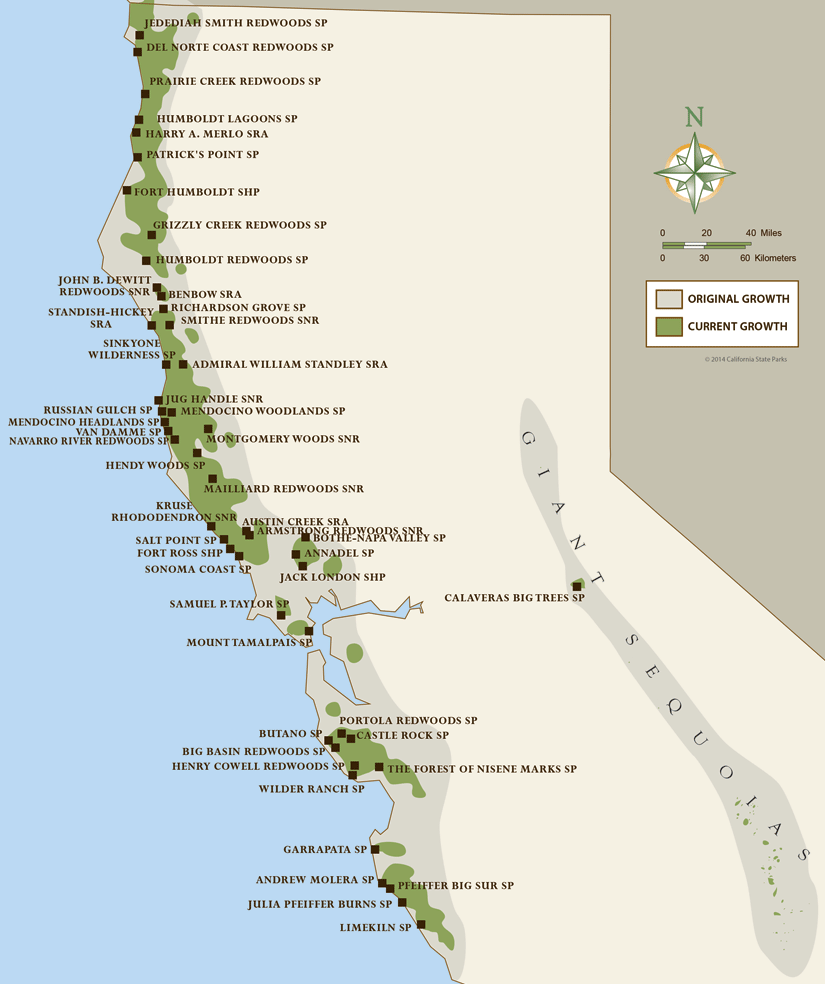
The Majestic Coast Redwoods: A Northern California Journey
The Coast Redwoods are the tallest trees on Earth, regularly soaring over 300 feet, with some exceeding 380 feet. They create an ethereal forest environment, where perpetual twilight reigns beneath their dense canopies, and the air is thick with the scent of damp earth and ancient wood. These incredible trees rely on the coastal fog for much of their moisture, which is why their primary habitat stretches from the central California coast north to the southern border of Oregon.
Redwood National and State Parks: The Crown Jewel
The undisputed epicenter for experiencing Coast Redwoods is the federally and state-managed complex known as Redwood National and State Parks. This system, a UNESCO World Heritage Site and International Biosphere Reserve, actually comprises four parks working in conjunction: Redwood National Park, Jedediah Smith Redwoods State Park, Del Norte Coast Redwoods State Park, and Prairie Creek Redwoods State Park. Together, they protect nearly half of all remaining old-growth Coast Redwood forests.
Visitors to these parks can embark on a myriad of adventures. Scenic drives like Newton B. Drury Parkway and the Newton B. Drury Scenic Parkway offer breathtaking views directly from your vehicle. Hiking trails abound, ranging from easy boardwalk strolls through ancient groves to challenging backcountry expeditions. Iconic spots include Tall Trees Grove (requiring a permit during peak season), Stout Grove in Jedediah Smith Redwoods State Park with its exceptionally wide trails, and Fern Canyon in Prairie Creek Redwoods State Park, famous for its 50-foot-high walls draped in ferns. Keep an eye out for Roosevelt elk, which frequently graze in the open meadows of Prairie Creek Redwoods State Park. The nearest major towns offering services and accommodation are Crescent City to the north and Orick and Klamath within the park boundaries.
Iconic Redwood Groves and Parks South of the National Parks
While Redwood National and State Parks represent the largest concentration, significant and stunning Coast Redwood groves are scattered further south, offering diverse travel experiences.
One of the most famous is Humboldt Redwoods State Park, home to the magnificent Avenue of the Giants. This 31-mile scenic byway parallels Highway 101, winding through dense groves of old-growth redwoods, offering numerous stops for hiking, picnicking, and river access. It’s an excellent alternative for those who wish to immerse themselves in the redwoods without venturing as far north. Key highlights include Founder’s Grove, the Immortal Tree, and numerous smaller, less crowded trails. Towns like Garberville and Miranda provide services along the avenue.
Further south, closer to the San Francisco Bay Area, travelers can find more accessible redwood experiences. Muir Woods National Monument, located just north of San Francisco, is an extremely popular day trip destination due to its proximity to the city. While smaller than the northern parks, it preserves a beautiful stand of old-growth Coast Redwoods and offers well-maintained boardwalk trails. Due to its popularity, reservations for parking or shuttle access are often required.
Armstrong Redwoods State Natural Reserve, near Guerneville in Sonoma County, provides a quieter, equally enchanting experience. It features several impressive trees, including the Icicle Tree and the Colonel Armstrong Tree, a massive specimen estimated to be over 1,400 years old.
Historically, Big Basin Redwoods State Park, California’s oldest state park, located in the Santa Cruz Mountains, was another prime destination. Though significantly impacted by the 2020 CZU Lightning Complex Fire, efforts are underway to restore the park, and even in its altered state, it offers a powerful testament to the redwoods’ resilience and the cycle of forest life. Visitors should check the park’s status before planning a trip.
Discovering the Ancient Giant Sequoias: High Sierra Wonders
In stark contrast to their coastal cousins, Giant Sequoias thrive in the dryer, colder conditions of the Sierra Nevada’s western slopes. While not as tall as Coast Redwoods, Giant Sequoias are far more massive in terms of volume, boasting immense girths that can exceed 40 feet in diameter. They are the largest single trees by volume on Earth and can live for over 3,000 years, standing as living monuments to deep time. Their habitat is restricted to about 75 isolated groves between 4,500 and 7,000 feet elevation.
Sequoia and Kings Canyon National Parks: The Land of Giants
The most prominent and accessible destination for experiencing Giant Sequoias is Sequoia and Kings Canyon National Parks, often explored together as they are contiguous and managed as one. These parks protect a significant portion of the remaining Giant Sequoia groves.
Sequoia National Park is home to the renowned Giant Forest, which contains over 8,000 Giant Sequoias. This is where you’ll find the legendary General Sherman Tree, the world’s largest tree by volume. A paved loop trail and several other hiking options allow visitors to marvel at these titans. Other must-see sights include Moro Rock, a granite dome offering panoramic views, and Crescent Meadow, dubbed the “Gem of the Giant Forest” by John Muir. The nearby town of Three Rivers serves as a gateway to the park’s southern entrance.
Adjacent to Sequoia National Park, Kings Canyon National Park features Grant Grove, home to the General Grant Tree, America’s Christmas Tree and the second-largest tree in the world. The grove is easily accessible via a short, paved loop trail. The park also boasts the spectacular Kings Canyon, a glacier-carved valley deeper than the Grand Canyon, although the Sequoias are primarily found at the higher elevations before the descent into the canyon.
Yosemite National Park and Surrounding Groves
Yosemite National Park, while famous for its granite cliffs and waterfalls, also harbors three magnificent Giant Sequoia groves.
The largest and most accessible is Mariposa Grove of Giant Sequoias, located near the park’s south entrance. It features over 500 mature Giant Sequoias, including the Grizzly Giant (one of the oldest trees in the world) and the California Tunnel Tree. A network of trails, ranging from easy paved loops to more strenuous hikes, allows for immersive exploration.
The smaller Tuolumne Grove and Merced Grove are located near the Tioga Road entrance and the Big Flat area, respectively. These groves require a downhill hike to reach, offering a more secluded experience for those willing to venture off the beaten path. The nearest major gateway town for Yosemite and its groves is Groveland to the west or Oakhurst to the south.
Other Notable Sequoias Groves
Beyond the major national parks, other groves offer unique opportunities to see Giant Sequoias. Calaveras Big Trees State Park, located northeast of Angels Camp, was the first tourist attraction to feature Giant Sequoias, discovered in 1852. Its North Grove features impressive specimens, including the Discovery Tree stump and the Pioneer Cabin Tree (famous for its walk-through tunnel, though it fell in 2017). A South Grove offers a longer, more rugged hike to even larger trees.
Additionally, many smaller, often less-visited groves are dispersed throughout the Giant Sequoia National Monument and various sections of the Sierra National Forest and Sequoia National Forest. These require more detailed planning and navigation but reward travelers with solitude and intimate encounters with these ancient wonders.
Planning Your Redwood Adventure: Essential Travel Tips
Embarking on a redwood journey requires some preparation to ensure a safe, enjoyable, and impactful travel experience.
Best Time to Visit and What to Pack
The best time to visit Coast Redwoods is generally spring through fall (April to October), when the weather is mild, and the fog is most prevalent, creating that iconic misty atmosphere. Summer offers warmer temperatures and longer days but also higher crowds. Winter brings more rain, potential for fallen trees, and closures, but also a profound sense of solitude.
For Giant Sequoias in the Sierra Nevada, summer (June to September) is ideal, as higher elevations are free of snow, and all roads and trails are open. Spring and fall can be beautiful but bring unpredictable weather and potential road closures due to snow at higher elevations. Winter visits are possible but require specialized equipment (snow chains) and offer a dramatically different, snow-covered landscape.
Regardless of the season, pack layers of clothing, as temperatures can vary significantly from morning to afternoon, especially in the mountains. Sturdy, waterproof hiking boots are essential, as trails can be wet and uneven. Bring plenty of water, snacks, sunscreen, insect repellent, and a map or GPS device, as cell service can be spotty within the parks.
Navigating the Parks and Accommodation
A personal vehicle is essential for exploring the redwood parks, especially the expansive Redwood National and State Parks and Sequoia and Kings Canyon National Parks. Park passes (America the Beautiful Pass or individual park entrance fees) are required. Check park websites for road conditions, particularly during winter or after significant weather events.
Accommodation options range from rustic campgrounds within the parks (book well in advance, especially for summer) to hotels and motels in nearby gateway towns. For Coast Redwoods, consider staying in towns like Eureka, Arcata, Garberville, or Crescent City. For Giant Sequoias, Three Rivers (for Sequoia National Park), Groveland or Oakhurst (for Yosemite National Park), and Angels Camp (for Calaveras Big Trees State Park) are excellent bases.
Respecting Nature and Sustainable Tourism
When visiting these precious natural areas, it’s crucial to practice responsible and sustainable tourism. Adhere to Leave No Trace principles: pack out everything you pack in, stay on marked trails to protect delicate ecosystems, respect wildlife by observing from a distance, and properly dispose of waste. Campfires are often restricted to designated areas and may be prohibited during high fire danger, especially in the dry Sierra Nevada. These trees have stood for millennia; our collective actions ensure they continue to do so for generations to come.
The Redwood Experience: More Than Just Trees
A visit to the redwoods is more than just sightseeing; it’s an immersive experience that touches the soul. The sheer scale and ancient wisdom of these trees create an atmosphere of reverence and peace.
Activities Amidst the Giants
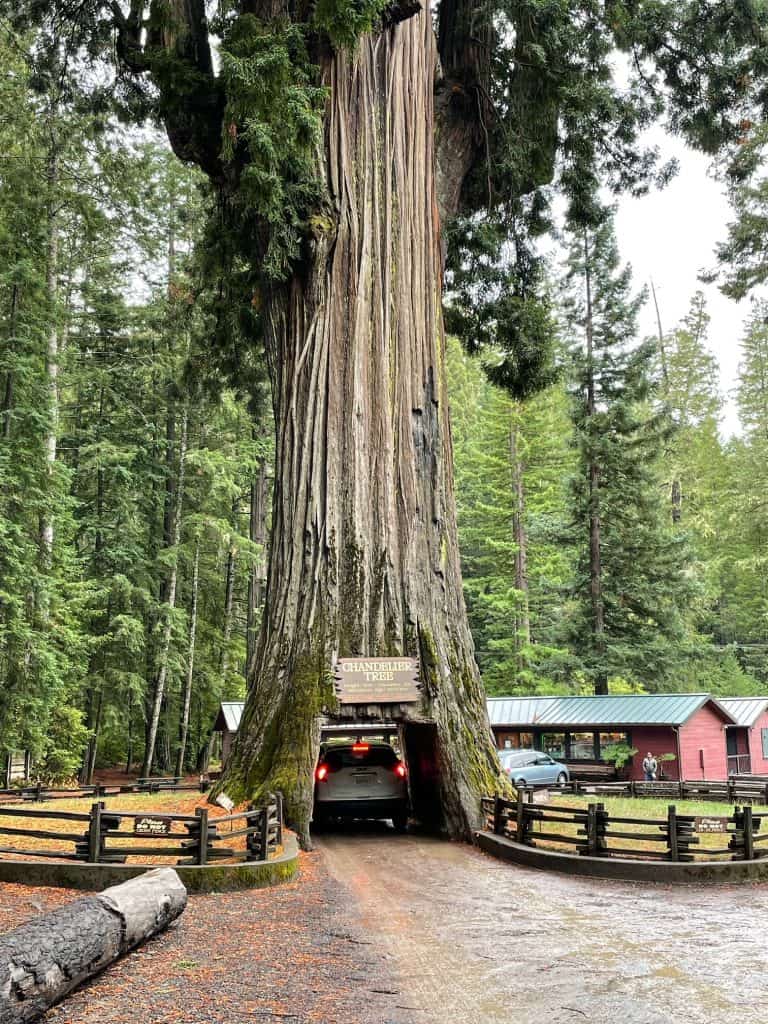
Beyond hiking, the redwood forests offer a range of activities. Scenic drives allow you to appreciate the grandeur from your car, with numerous pull-offs for photographs and short walks. Photography is a popular pursuit, capturing the unique light and monumental scale of the groves. Many parks offer ranger-led programs and guided walks, providing deeper insights into the ecology and history of the redwoods. Birdwatching and wildlife viewing (including Roosevelt elk in the coastal parks and black bears in the Sierra Nevada parks) are also rewarding. For a unique perspective, try a drive-through tree (like Chandelier Tree or Shrine Drive-Thru Tree) for a classic roadside attraction, though these are typically on private land outside the national parks.

Unique Perspectives and Hidden Gems
Seek out specific trails like Lady Bird Johnson Grove or Tall Trees Grove for exceptionally tall Coast Redwoods, or the Congress Trail in Giant Forest for an impressive collection of Giant Sequoias. Don’t overlook the visitor centers, which often feature informative exhibits, maps, and friendly rangers who can offer personalized recommendations. Some areas, like the Skunk Train in Mendocino County (though not strictly old-growth redwoods), offer historical train rides through redwood forests, providing a different perspective. Exploring the smaller, less-trafficked groves, especially those in the Giant Sequoia National Monument, can offer profound moments of solitude.
In conclusion, the redwoods of California are not merely trees; they are cathedrals of nature, testaments to endurance, and sources of immense inspiration. Whether you seek the mist-shrouded spires of the Coast Redwoods along the northern coast or the colossal, ancient trunks of the Giant Sequoias high in the Sierra Nevada, California offers diverse and accessible opportunities to connect with these living wonders. Planning your journey to these unique destinations promises not just a trip, but a profound encounter with one of Earth’s most magnificent natural treasures.
LifeOutOfTheBox is a participant in the Amazon Services LLC Associates Program, an affiliate advertising program designed to provide a means for sites to earn advertising fees by advertising and linking to Amazon.com. Amazon, the Amazon logo, AmazonSupply, and the AmazonSupply logo are trademarks of Amazon.com, Inc. or its affiliates. As an Amazon Associate we earn affiliate commissions from qualifying purchases.