
For travelers planning a trip to California, understanding the current wildfire situation is paramount for safety, enjoyment, and responsible tourism. The Golden State, renowned for its diverse landscapes, from pristine beaches to majestic mountains and bustling cities, also experiences a fire season that can significantly impact travel plans and experiences. This guide aims to provide insightful information on how to stay informed, navigate potential challenges, and ensure a safe and memorable journey amidst the reality of California’s wildfire landscape.
Understanding California’s Wildfire Landscape for Travelers
California’s unique geography and climate make it susceptible to wildfires, particularly during certain times of the year. For travelers, acknowledging this reality is the first step in responsible trip planning. Wildfires are not just isolated incidents; they are a recurring environmental factor that can influence everything from air quality to access to popular destinations.
The Seasonal Nature of Wildfires
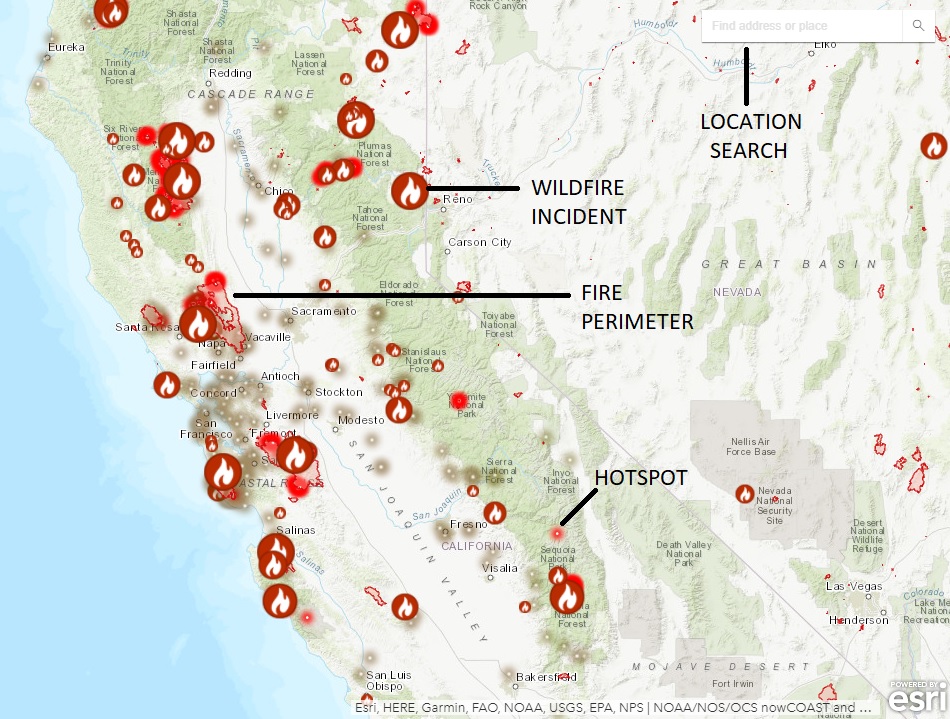
Wildfires are not a year-round phenomenon in California, though the duration and intensity of the fire season have been expanding. Traditionally, the peak wildfire season runs from late spring through late fall, generally from May to October, with the most severe activity often occurring in late summer and early autumn. This period is characterized by warm, dry weather, low humidity, and strong winds, such as the Santa Ana winds in Southern California and the Diablo winds in Northern California, which can rapidly spread flames. However, climate change has led to drier conditions and extended periods of drought, contributing to an earlier start and later end to the fire season, making it crucial for travelers to remain vigilant regardless of the calendar month. Understanding these seasonal patterns allows travelers to assess risk levels when planning their adventures to areas like Lake Tahoe or Yosemite National Park.
Key Factors Contributing to Fire Risk
Several interwoven factors contribute to California’s wildfire risk, knowledge of which can help travelers understand the potential impact on their itineraries. Prolonged drought conditions are a primary driver, leading to parched vegetation that acts as fuel. Topography also plays a significant role; steep slopes and canyons can accelerate fire spread. Additionally, human activity accounts for a substantial percentage of ignitions, whether accidental or intentional. For instance, a dropped cigarette, an unextinguished campfire in a wilderness area, or even sparks from vehicles can all lead to devastating blazes. Travelers exploring vast natural areas such as Joshua Tree National Park or Sequoia National Park should be acutely aware of fire safety protocols, including observing fire bans and exercising extreme caution with any heat-producing activities. Being informed about these factors is not meant to deter travel but rather to empower visitors to make safer choices and appreciate the delicate balance of California’s ecosystems.
Real-Time Information for Safe Travel in California
In an environment where conditions can change rapidly, accessing accurate, up-to-date information is non-negotiable for travelers in or heading to California. Relying on official sources ensures that decisions are based on the most current data, allowing for proactive adjustments to travel plans.
Essential Official Resources for Fire Updates
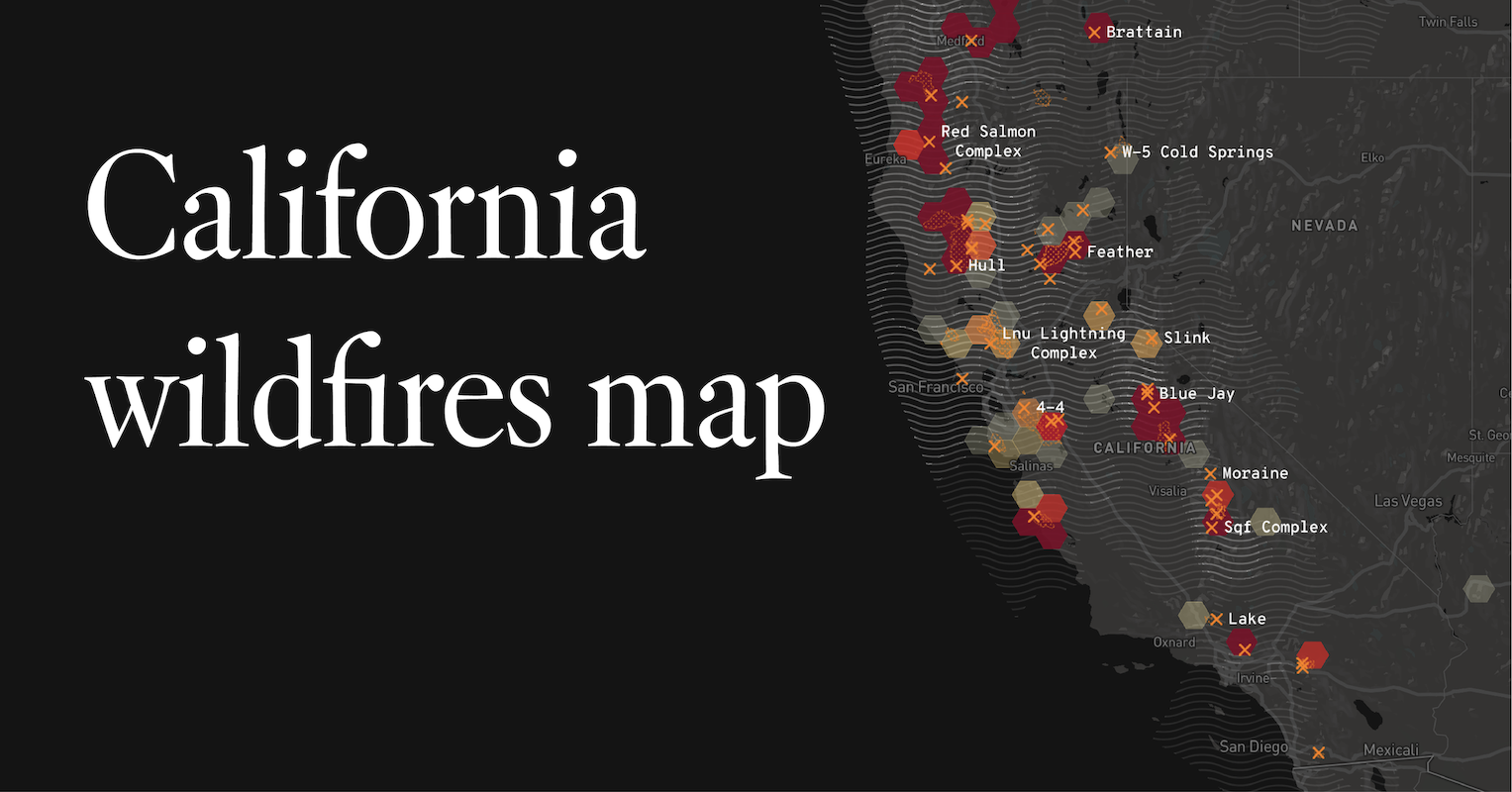
The digital age provides an abundance of resources, but discerning credible information is key. For comprehensive wildfire updates, the primary authority is CAL FIRE (California Department of Forestry and Fire Protection). Their website offers an interactive incident map detailing current fires, their containment status, and evacuation orders. Complementary resources include the National Interagency Fire Center (NIFC) for a broader national perspective and county-level emergency management websites for hyper-local information. For air quality concerns, which are often a direct consequence of wildfires, AirNow.gov provides real-time air quality index (AQI) data. These platforms are invaluable for travelers, offering a centralized hub of information to assess the safety and feasibility of visiting regions like Napa Valley or exploring the coastal routes near Big Sur. Before and during your trip, regular checks of these sites should be part of your travel routine.
Interpreting Fire Maps and Evacuation Orders
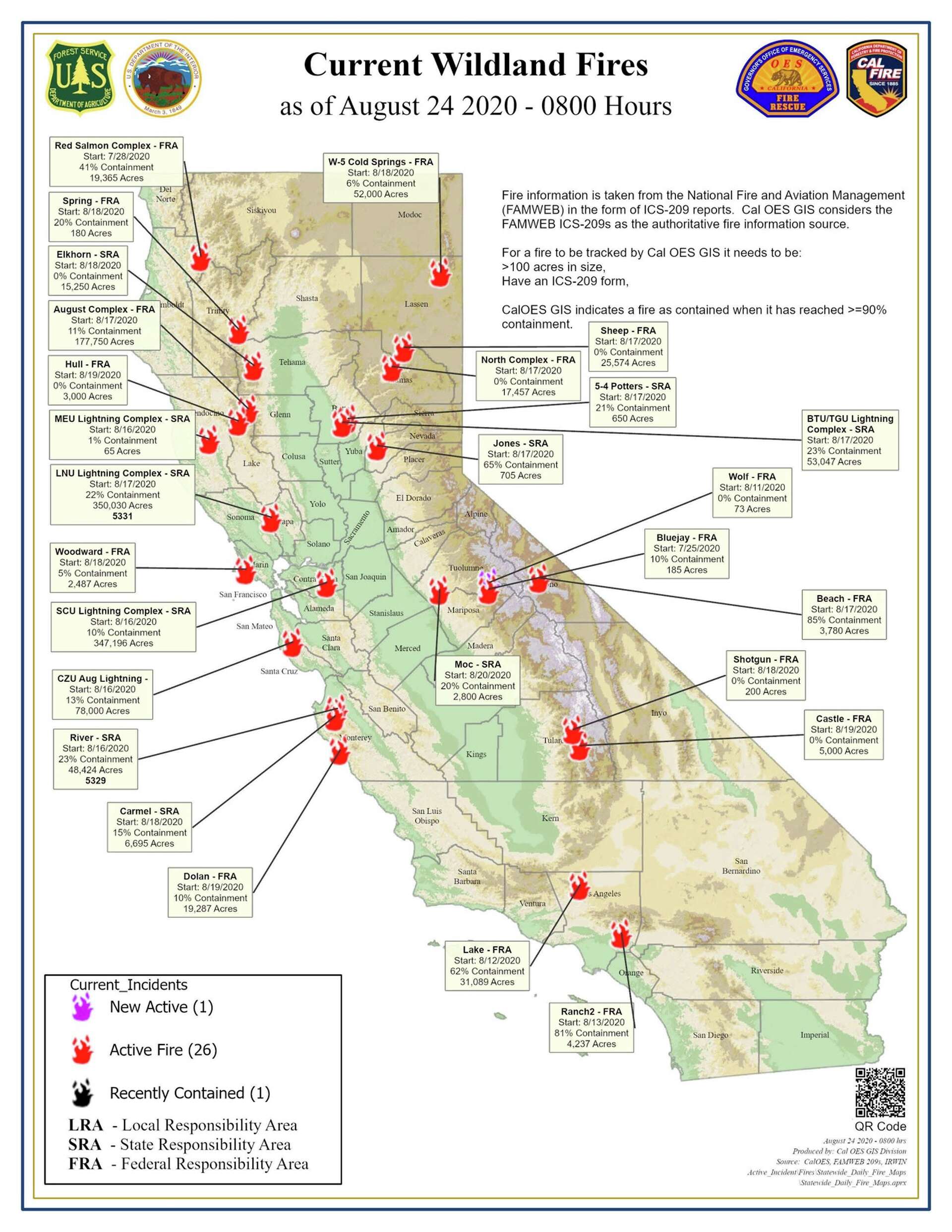
Understanding how to read fire maps and interpret official evacuation orders is crucial for traveler safety. Fire maps typically display the perimeter of active fires, their size, and containment percentage. It’s important to look beyond just the presence of a fire and assess its proximity to your intended destination. A fire several miles away might not pose an immediate threat, but its growth trajectory and wind patterns are critical factors. Evacuation orders are legally binding and come in different levels:
- Warning (Advisory/Voluntary): Indicates a potential threat to life and property; residents and visitors are advised to prepare to evacuate. This is a strong suggestion to leave, especially for those with special needs or pets.
- Order (Mandatory): Imminent threat to life and property; residents and visitors must evacuate immediately. Ignoring a mandatory order puts yourself and emergency responders at extreme risk.
- Shelter-in-Place: Advises people to stay indoors due to a hazardous situation outside.
Always heed official evacuation orders issued by local authorities (e.g., county sheriffs, fire departments). These orders are specific to geographic areas and are communicated through emergency alerts, local news, and official social media channels. Travelers should familiarize themselves with the alert systems for areas they plan to visit, such as Nixle alerts or specific county emergency notifications for regions like Sonoma County or Orange County.
Air Quality Considerations for Visitors
Wildfires not only pose direct threats through flames but also indirectly through smoke and diminished air quality, which can travel hundreds of miles from the source. Poor air quality, indicated by a high Air Quality Index (AQI), can cause respiratory issues, eye irritation, and other health problems, particularly for sensitive groups such as children, the elderly, and individuals with pre-existing respiratory or heart conditions. For travelers, this means a scenic hike in Griffith Park in Los Angeles or an outdoor wine tasting in Wine Country might become uncomfortable or even unhealthy. Before engaging in outdoor activities, check the current AQI for your location using resources like AirNow.gov. If the AQI is unhealthy (often indicated by orange, red, or purple levels), it’s advisable to reduce prolonged or heavy exertion outdoors, or ideally, to stay indoors. Many museums, indoor attractions, and dining establishments in cities like San Francisco or San Diego offer excellent alternatives on smoky days, allowing travelers to continue enjoying their trip without compromising their health.
Navigating Travel Plans During Fire Season
Traveling to California during fire season doesn’t mean canceling your trip outright, but it does necessitate a more thoughtful and adaptable approach to planning. Flexibility and informed decision-making are your best allies.
Flexibility and Contingency Planning
The dynamic nature of wildfires requires travelers to build flexibility into their itineraries. This means having backup plans for destinations and activities. If your planned visit to Kings Canyon National Park is impacted by fire or smoke, research alternative attractions that are safe and accessible. Perhaps a trip to the coast, such as Monterey or Santa Barbara, or exploring urban centers like Sacramento with its historical sites, could be viable alternatives. Book accommodations and activities that offer flexible cancellation policies. When possible, opt for refundable bookings or those that allow date changes without penalty. This foresight can save considerable stress and financial loss if unexpected fire activity necessitates a change of plans. Consider traveling during off-peak fire season months if your schedule allows, or focus on coastal areas generally less prone to severe wildfires than inland forests, although even coastal areas can be affected by smoke.
Impact on Popular Destinations and National Parks
California’s iconic national parks and popular tourist destinations are often located in wildland-urban interface areas, making them susceptible to fire impacts. Yosemite National Park, Sequoia National Park, and Death Valley National Park have all experienced closures or access restrictions due to wildfires. Before heading to any park, always check the official park website for current conditions, alerts, and closures. Information regarding road closures, trail closures, and campground availability will be prominently displayed. Similarly, regions like Wine Country (e.g., Napa Valley, Sonoma County) and mountain resorts around Lake Tahoe can be directly threatened or affected by smoke. Local tourism boards and chamber of commerce websites are excellent resources for local advisories and updates specific to these popular travel areas. Being informed about potential impacts allows travelers to adjust their expectations and plans, ensuring a safer and more enjoyable experience.
Travel Insurance and Cancellation Policies
Investing in comprehensive travel insurance is a prudent decision for any trip, but it becomes particularly valuable when traveling to a region prone to natural disasters like wildfires. Review policy details carefully to understand what is covered in the event of wildfire-related disruptions. Some policies may cover trip cancellation or interruption due to mandatory evacuation orders, road closures, or if your destination becomes uninhabitable. However, most standard policies may not cover cancellations due to smoke or air quality issues unless directly tied to an evacuation. It is vital to clarify these specifics with your insurance provider. Additionally, familiarize yourself with the cancellation policies of airlines, hotels, and tour operators. Many are becoming more flexible in the face of natural disasters, but terms can vary. Always book directly or through reputable platforms that clearly outline their policies. This proactive approach can provide peace of mind and financial protection should your California adventure encounter wildfire-related challenges.
Supporting Fire-Affected Communities and Responsible Tourism
Travelers play a crucial role not only in their own safety but also in supporting the resilience and recovery of communities impacted by wildfires. Responsible tourism during fire season goes beyond personal precautions; it involves thoughtful engagement with local economies and environments.
When to Postpone vs. Proceed with Caution
Deciding whether to postpone a trip or proceed with caution is a complex ethical and practical consideration. If a mandatory evacuation order is in place for your intended destination, postponement is the only responsible and safe option. Similarly, if widespread heavy smoke renders outdoor activities unsafe or unenjoyable, delaying your trip or altering your itinerary significantly might be the best course of action for your health and overall experience. However, if fires are localized and far from your chosen destinations, and air quality is good, proceeding with caution can actually be beneficial for local economies. Many businesses in unaffected areas rely heavily on tourism, and a blanket cancellation of trips can add economic hardship on top of environmental challenges. Always use official resources to assess the specific situation, and if you do travel, be prepared to be flexible and consider indoor activities or less-affected regions. Supporting businesses in non-evacuated, safe areas by dining, shopping, and staying locally can be a meaningful way to contribute to the state’s overall economic well-being.
How Travelers Can Contribute to Recovery Efforts
For travelers who wish to contribute beyond just visiting unaffected areas, there are several ways to support fire-affected communities and recovery efforts in California. Direct financial donations to reputable charities focused on wildfire relief and recovery, such as the California Fire Foundation or local community foundations, provide critical aid to displaced residents and rebuilding efforts. Volunteering, if you have the time and appropriate skills, can also be invaluable, though it’s important to coordinate through official volunteer organizations rather than attempting independent efforts that might impede professional responders. Even simply being a considerate visitor in unaffected areas helps. Follow Leave No Trace principles rigorously, conserve water, and adhere strictly to any fire restrictions or warnings. Educating yourself and others about wildfire prevention also makes a difference. By understanding and respecting the delicate environment and supporting the communities that face these challenges, travelers can be a positive force in California’s ongoing journey of resilience and recovery.
LifeOutOfTheBox is a participant in the Amazon Services LLC Associates Program, an affiliate advertising program designed to provide a means for sites to earn advertising fees by advertising and linking to Amazon.com. Amazon, the Amazon logo, AmazonSupply, and the AmazonSupply logo are trademarks of Amazon.com, Inc. or its affiliates. As an Amazon Associate we earn affiliate commissions from qualifying purchases.