
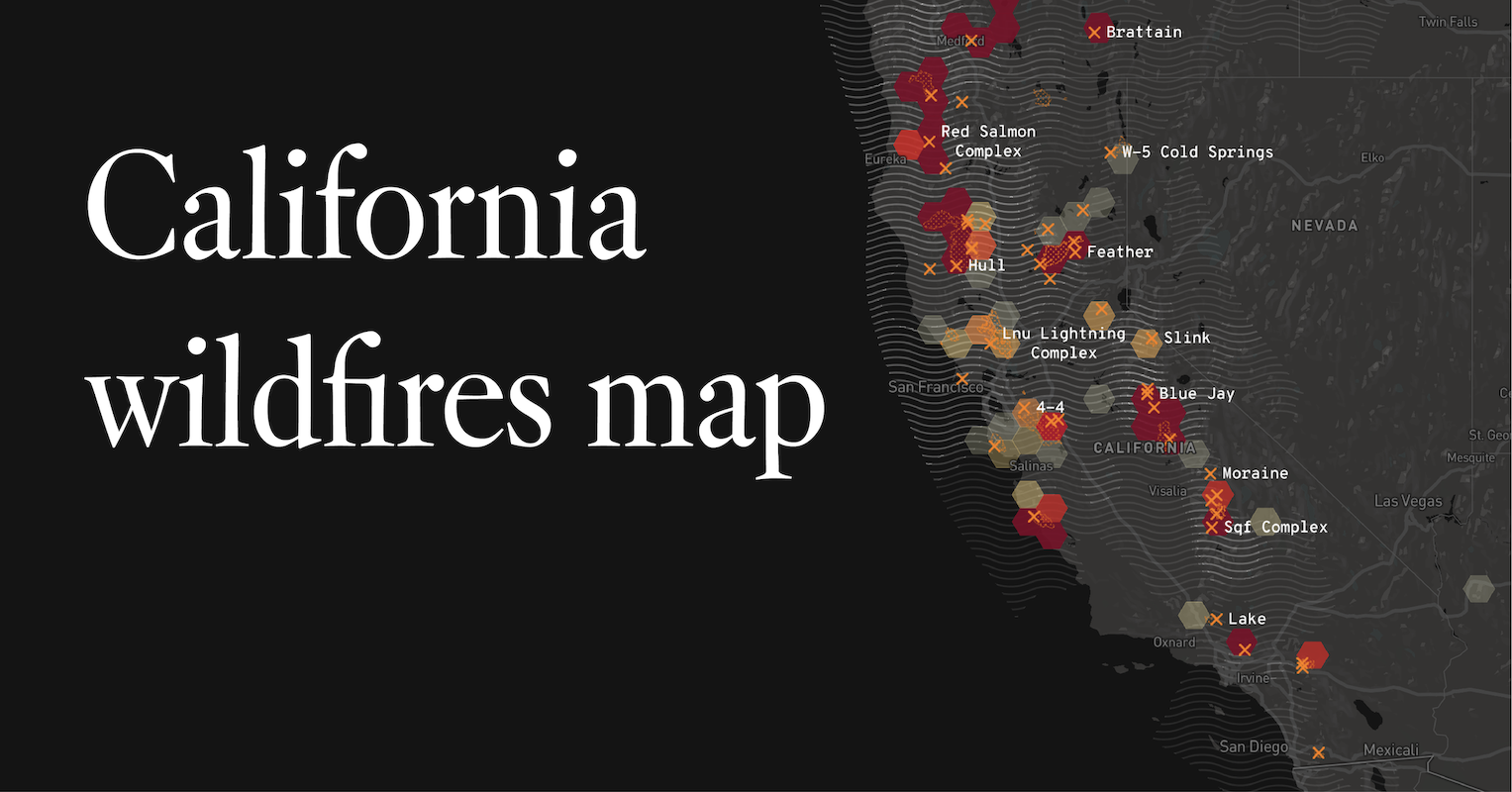
For many, the golden state of California represents an idyllic travel destination, a land of diverse landscapes ranging from sun-kissed beaches and vibrant cities to majestic mountains and ancient forests. However, in recent years, the question “Where are the fires at in California?” has become an increasingly pertinent concern for prospective travelers. Wildfires are a natural, albeit often destructive, part of the state’s ecosystem, particularly during its dry season. For those planning a journey to this iconic state, understanding the dynamics of wildfire season, knowing where to find reliable information, and adopting a flexible, informed approach to travel planning are paramount. This comprehensive guide aims to equip travelers with the knowledge needed to navigate California safely and enjoyably, even during periods of increased fire activity.
Understanding California’s Wildfire Landscape for Travelers
Wildfires are not a new phenomenon in California, but their intensity, frequency, and duration have escalated due to climate change, prolonged droughts, and historical forest management practices. For travelers, this means being prepared for potential impacts on their itineraries, health, and overall experience.
The Annual Cycle of Wildfires
California’s wildfire season typically runs from late spring through late fall, peaking in the hottest and driest months of August, September, and October. However, with shifting weather patterns, the state can experience significant fires outside of this traditional window, sometimes extending into winter or starting as early as spring. The critical factors fueling these events include high temperatures, strong winds (like the Santa Ana winds in Southern California or Diablo winds in Northern California), and abundant dry vegetation. As a traveler, recognizing these seasonal patterns can help inform the best time to visit and the level of vigilance required. It’s not about avoiding California entirely, but rather about being aware of the risks and planning accordingly, much like one might plan around hurricane season in the Caribbean or monsoon season in Southeast Asia.
Impact on Air Quality and Health
One of the most widespread effects of wildfires, even for areas not directly threatened by flames, is the degradation of air quality. Smoke plumes can travel hundreds of miles, causing hazy skies, reduced visibility, and significant health concerns. Fine particulate matter in wildfire smoke can irritate the eyes, nose, and throat, and exacerbate conditions like asthma, bronchitis, and heart disease. For travelers, this means that even if a planned destination is far from an active fire, the air quality might still be poor. Before and during your trip, checking air quality reports, especially for sensitive groups, is crucial. Packing N95 masks can be a pragmatic precaution, particularly if you have respiratory sensitivities or plan to be outdoors extensively. This is especially true for popular outdoor destinations like Yosemite National Park, Lake Tahoe, or hiking trails in the Sierra Nevada mountains.
Evacuation Orders and Travel Disruptions
The most direct impact of a wildfire on travel plans is the issuance of evacuation orders or advisories. These orders are put in place to ensure the safety of residents and visitors in threatened areas. If an active fire is near your intended destination, roads might be closed, access restricted, and services (like power and internet) interrupted. National parks, state parks, and even entire communities can be temporarily closed. For instance, parts of Napa Valley or Sonoma County have faced closures during severe fire events. It’s imperative to respect these directives, as they are issued for public safety. Ignoring them not only puts you at risk but also diverts critical emergency resources. Travelers should monitor local news and official alerts closely, especially if their itinerary includes remote areas or regions historically prone to fires.
Essential Resources for Real-Time Wildfire Information
Staying informed is the traveler’s most potent tool against the uncertainties of wildfire season. Relying on accurate, up-to-date information is crucial for making informed decisions about your travel plans, route choices, and daily activities.
Official Government Websites and Apps
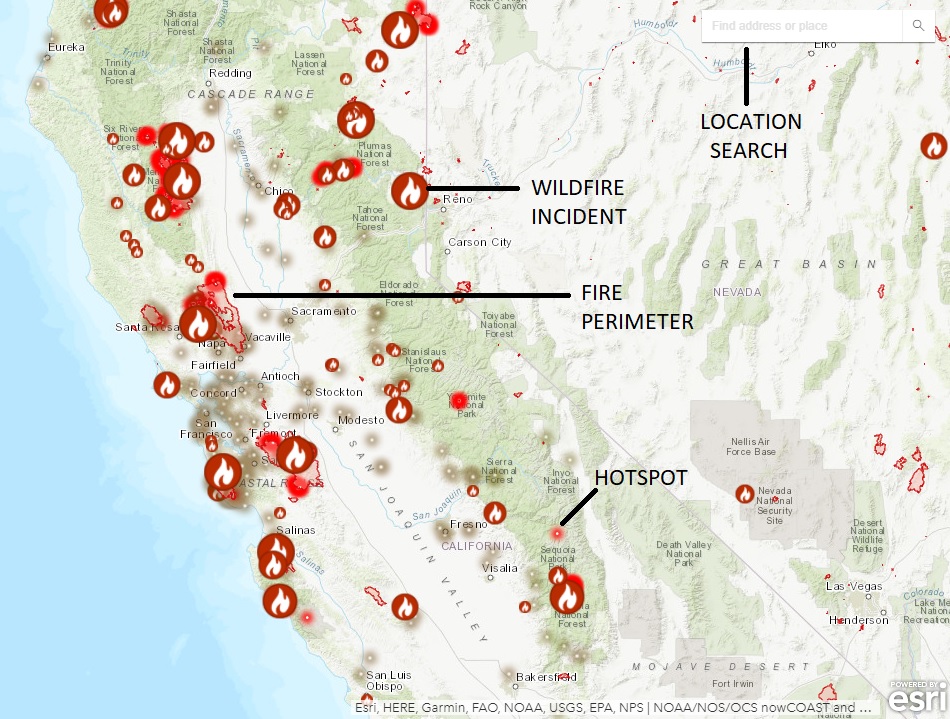
The most reliable sources for wildfire information come from official government agencies. In California, CalFire (the California Department of Forestry and Fire Protection) is the primary agency managing wildfires and provides real-time incident maps, updates, and safety information on its website. Similarly, the National Interagency Fire Center (NIFC) offers broader national fire information, which can provide context. For air quality, the AirNow website (AirNow.gov) provides a comprehensive, color-coded map of current air quality conditions across the United States, which is invaluable for understanding smoke impacts. Additionally, the National Park Service websites for specific parks like Death Valley National Park, Joshua Tree National Park, or Redwood National Park will provide alerts regarding closures or fire activity within their boundaries. Many counties also have emergency alert systems you can sign up for, which can send text or email notifications.
Local News and Emergency Alerts
While national reports offer a broad overview, local news outlets often provide the most granular and immediate information about specific fires and their impact on communities. Websites, television broadcasts, and local radio stations are excellent sources for updates on road closures, evacuation orders, and community resources. Social media channels of local emergency services, such as county sheriffs’ departments or fire departments, can also be useful, but always cross-reference information with official government sources to avoid misinformation. Tuning into local AM/FM radio stations, especially NOAA Weather Radio, can be critical when cell service or internet access is unreliable.
Consulting with Travel Professionals
If you’ve booked your trip through a travel agent or tour operator, they can be an invaluable resource. These professionals often have access to real-time updates and can assist with rebooking flights, changing accommodations, or suggesting alternative itineraries if a wildfire impacts your original plans. Even if you’re planning independently, consider reaching out to local hotels, visitor centers, or tourism boards in your destination. They can offer insights into local conditions, suggest safe alternatives, and provide advice on the best ways to experience their region while avoiding affected areas. For instance, contacting the Santa Barbara Visitors Bureau or the Monterey Bay Aquarium can provide localized insights if fires are active in those vicinities.
Planning Your California Trip During Fire Season
Forethought and flexibility are the hallmarks of successful travel planning in California, particularly during wildfire season. By incorporating certain strategies, travelers can mitigate risks and ensure a more enjoyable journey.
Flexible Bookings and Travel Insurance
When booking flights, accommodations, and activities, prioritize options that offer flexible cancellation or rebooking policies. Many airlines and hotels have become more accommodating during natural disasters, but it’s always best to understand their specific terms upfront. Purchasing comprehensive travel insurance is another wise investment. Look for policies that cover trip interruption or cancellation due to natural disasters, including wildfires. Carefully read the fine print to understand what events are covered and what documentation is required for a claim. This provides a financial safety net, allowing you to change plans without significant monetary loss if a fire threatens your destination or makes travel unsafe. This is particularly relevant if you’re planning an expensive trip to regions like Napa Valley or a multi-day hike in the Sierra Nevada.
Alternative Destinations and Experiences
California is a vast state, offering an incredible array of destinations. If a wildfire impacts one region, chances are many others remain unaffected and perfectly safe to visit. For example, if fires are active in the northern forests, consider coastal cities like San Francisco or Monterey, or southern desertscapes like Palm Springs. Urban centers like Los Angeles or San Diego often remain relatively insulated from direct fire threats, though they may experience smoke. Be prepared to pivot your itinerary. Instead of hiking in a national forest, perhaps explore museums, go wine tasting in an unaffected region like Paso Robles, or enjoy the culinary scene in Carmel-by-the-Sea. Researching multiple potential itineraries, including a “Plan B” or “Plan C,” can alleviate stress and ensure your trip remains enjoyable regardless of unforeseen circumstances.
Packing Essentials for Smoke and Ash
Beyond standard travel essentials, consider packing items specifically designed to cope with potential wildfire impacts. As mentioned, N95 or KN95 masks are crucial for protecting against particulate matter in smoke. Eye drops can soothe irritated eyes. For those with respiratory conditions, ensure you have an ample supply of necessary medications. If camping or spending significant time outdoors, a portable air purifier for your tent or RV could offer relief. Even a simple bandana soaked in water can provide some immediate, though limited, protection against larger ash particles. Packing practical, breathable clothing and an extra layer can also be useful, as temperatures can fluctuate, and smoke can sometimes make the air feel heavy.
Responsible Tourism and Community Support
Traveling responsibly during wildfire season extends beyond personal safety; it also involves supporting the communities that are impacted and practicing fire-safe behaviors to prevent new ignitions.
Supporting Affected Communities
When fires devastate a region, local economies suffer immensely. Businesses close, tourism dwindles, and recovery can be a long and arduous process. As a traveler, you can contribute positively to these communities. If a fire has recently passed through an area and it is deemed safe to visit, consider planning a trip there once the recovery efforts are well underway. Patronize local businesses, stay in local accommodations, and engage with the community. Your tourism dollars can be a lifeline for small towns trying to rebuild. Always verify that a community is open and ready for tourists before visiting, to avoid hindering recovery efforts or stretching limited resources. For example, regions like Mendocino or parts of the Sierra Nevada have experienced fires and greatly benefit from respectful tourism during their recovery phases.
Practicing Fire-Safe Behaviors
Preventing new wildfires is a collective responsibility, and travelers play a significant role. Most human-caused wildfires are preventable. Always adhere to local fire restrictions, which can include bans on campfires, barbecues, or even certain types of vehicles in dry areas. Never discard cigarette butts carelessly. Ensure campfires are completely extinguished before leaving them unattended—douse, stir, and douse again. Avoid parking cars on dry grass, as hot catalytic converters can spark a blaze. When driving, stay on paved roads and avoid kicking up sparks. If you’re exploring national forests like Tahoe National Forest, Cleveland National Forest, or Angeles National Forest, be acutely aware of any fire bans or regulations in place. Education and adherence to these simple rules are critical for safeguarding California’s natural beauty for all.
Post-Fire Travel: Rebuilding and Recovery
The story of wildfires in California doesn’t end when the flames are out. The landscape, communities, and travel opportunities evolve in the aftermath.
Visiting Resilient Destinations
Even after major fires, many parts of California remain vibrant and welcoming. While some natural areas may be closed for rehabilitation, many cities and towns recover quickly, offering unique cultural experiences, dining, and attractions. Iconic destinations like San Francisco, Los Angeles, and San Diego typically see minimal direct impact from wildfires, serving as excellent anchors for a California trip. Coastal routes, such as the famous Highway 1 along Big Sur, might experience temporary closures but often reopen with stunning views intact. Travelers can find solace in the fact that the vastness and diversity of California mean there is almost always an incredible, safe experience to be had.

Understanding Environmental Impact
While the immediate aftermath of a fire can look stark, it’s important to understand the ecological role of fire in some ecosystems. Certain plant species, like the Giant Sequoias in Sequoia National Park and King Canyon National Park, depend on fire for regeneration. The landscape will eventually rebound, with new growth emerging. Travelers interested in natural recovery can observe these processes firsthand from designated safe areas, gaining a deeper appreciation for the resilience of nature. Always check with park services for guidance on safe access and to learn about ongoing restoration efforts.
In conclusion, “Where are the fires at in California?” is a critical question for any traveler to the Golden State. By staying informed through reliable sources, planning with flexibility, and acting as a responsible tourist, visitors can navigate the challenges of wildfire season and still experience the unparalleled beauty and adventure that California has to offer. The key is preparation, vigilance, and a deep respect for the state’s natural environment and the communities that call it home.
LifeOutOfTheBox is a participant in the Amazon Services LLC Associates Program, an affiliate advertising program designed to provide a means for sites to earn advertising fees by advertising and linking to Amazon.com. Amazon, the Amazon logo, AmazonSupply, and the AmazonSupply logo are trademarks of Amazon.com, Inc. or its affiliates. As an Amazon Associate we earn affiliate commissions from qualifying purchases.