
Unemployment is more than a statistic; it’s a profound disruption to one’s daily existence, fundamentally reshaping lifestyle choices, financial stability, and future aspirations. In California, a state synonymous with innovation, opportunity, and a vibrant way of life, understanding the duration of unemployment isn’t merely an economic inquiry—it’s a critical lens through which to examine personal resilience, adaptive living, and the journey back to a desired lifestyle. This article delves into the various factors influencing how long individuals remain unemployed in the Golden State, exploring the tangible impacts on lifestyle and offering strategies for navigating this challenging period with a focus on well-being and proactive re-engagement.
Understanding the Duration: California’s Economic Landscape and Your Lifestyle
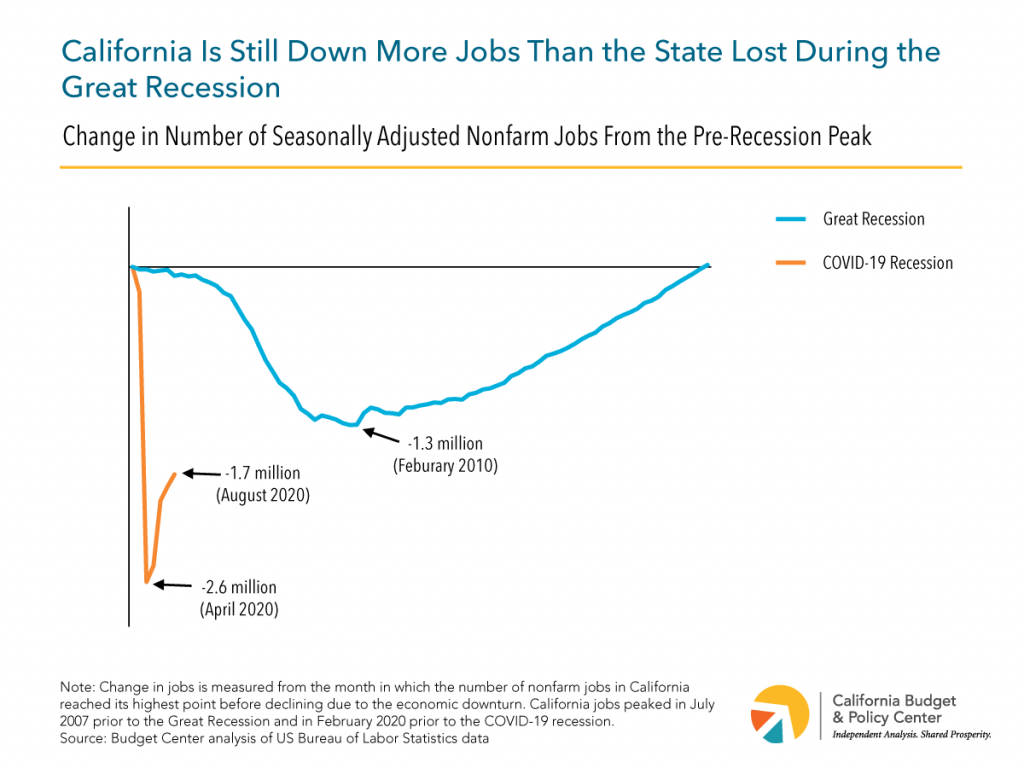
The length of time an individual spends unemployed in California is a complex interplay of personal circumstances, industry trends, and the broader economic climate. This duration directly dictates the degree to which one’s lifestyle is altered, from the most basic necessities to the pursuit of leisure and personal growth. Understanding these dynamics is the first step toward managing the lifestyle shifts that accompany joblessness.
Average Stays and the Impact of State Support
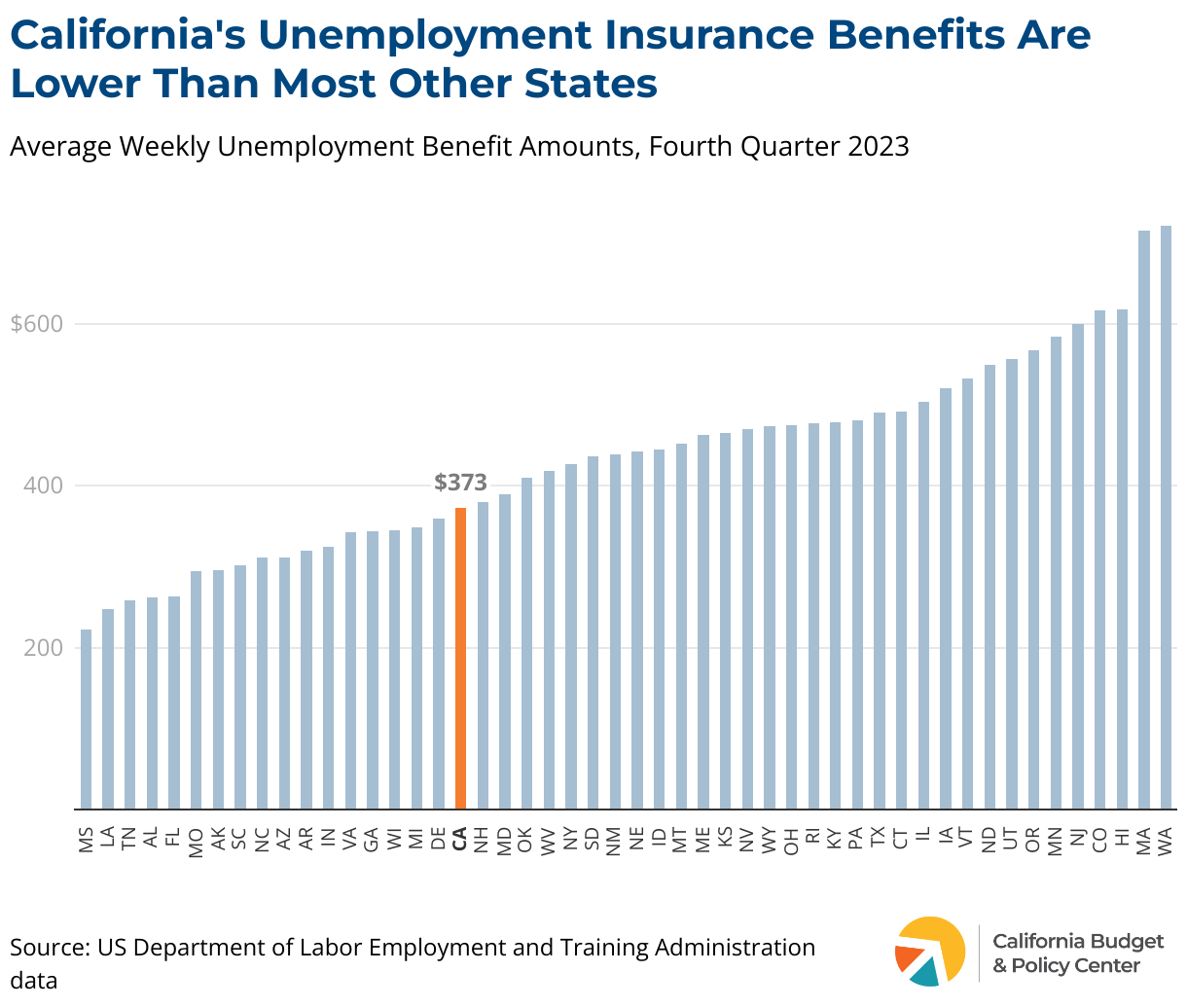
While national averages provide a general benchmark, the typical duration of unemployment in California can fluctuate significantly based on economic cycles, industry-specific layoffs, and individual qualifications. Historically, a person might expect to be unemployed for several weeks to several months. However, periods of economic downturn can extend this significantly. For many, unemployment insurance benefits provided by the Employment Development Department (EDD) are a crucial lifeline. These benefits, designed to offer temporary financial assistance, directly impact one’s ability to maintain a semblance of their former lifestyle, covering essential expenses like housing, food, and utilities. The maximum duration of these benefits in California acts as a critical timeframe; as benefits dwindle, the pressure to secure new employment intensifies, leading to more drastic lifestyle adjustments. Without this safety net, individuals face immediate and severe compromises to their quality of life, often forced to downsize, defer essential healthcare, or forgo any leisure activities entirely. The duration of state support, therefore, plays a pivotal role in dictating the sustainability of one’s lifestyle during a job search.
Regional Variances and Industry-Specific Challenges
California’s vast and diverse economy means that the experience of unemployment can differ dramatically from one region to another, each presenting unique lifestyle challenges and opportunities. In urban centers like Los Angeles, with its dynamic entertainment and tourism sectors, job seekers might face intense competition but also benefit from a wide array of support services and networking events. Similarly, San Francisco and Silicon Valley, while known for their high-paying tech jobs, can experience rapid shifts that lead to specialized unemployment, where highly skilled individuals might take longer to find roles matching their expertise. The cost of living in these areas, already exorbitant, exacerbates the lifestyle strain during unemployment, forcing difficult choices about housing and daily expenditures.
Conversely, regions like the Central Valley, with its agricultural roots, or more remote northern counties, might have fewer diverse job openings, potentially leading to longer unemployment spells for those without specific industry skills. The lifestyle impact here might involve less financial pressure from housing but limited access to certain amenities or professional development resources. The duration of unemployment is thus not uniform; it is a localized experience, deeply intertwined with the economic fabric and inherent lifestyle costs of each unique California community. Recognizing these regional disparities helps individuals tailor their job search strategies and manage lifestyle expectations accordingly, understanding that what works in San Diego‘s tourism-driven market may not apply in Sacramento‘s government-heavy sector.
Navigating Lifestyle Shifts: Budgeting, Well-being, and Local Explorations
The immediate aftermath of job loss often involves a rapid re-evaluation of one’s lifestyle. What was once taken for granted—dining out, spontaneous trips, or certain hobbies—becomes subject to intense scrutiny. The duration of unemployment dictates how deeply these lifestyle adjustments must run and for how long.
Financial Fortitude: Crafting a Sustainable Lifestyle Budget
One of the most immediate and impactful lifestyle shifts during unemployment is the necessity of strict financial planning. A sustainable lifestyle budget becomes paramount, determining how long one can maintain their current living situation and what aspects of their life must be curtailed. The typical “luxury travel” or even “family trips” often become immediate casualties. Instead, the focus shifts to extending savings as far as possible. This involves cutting non-essential expenses like subscription services, discretionary entertainment, and even adjusting grocery lists to prioritize cost-effective options. For those living in California’s high-cost areas, this can mean dramatic changes, such as moving to more affordable housing, canceling gym memberships, or significantly reducing social outings. The longer the unemployment lasts, the more fundamental these budget adjustments become, impacting everything from transportation choices to the frequency of eating at home versus dining out. The psychological toll of these financial constraints on one’s lifestyle cannot be overstated; it often means foregoing small comforts that contribute to daily happiness, requiring immense discipline and foresight to manage.
Prioritizing Mental and Physical Well-being Amidst Uncertainty
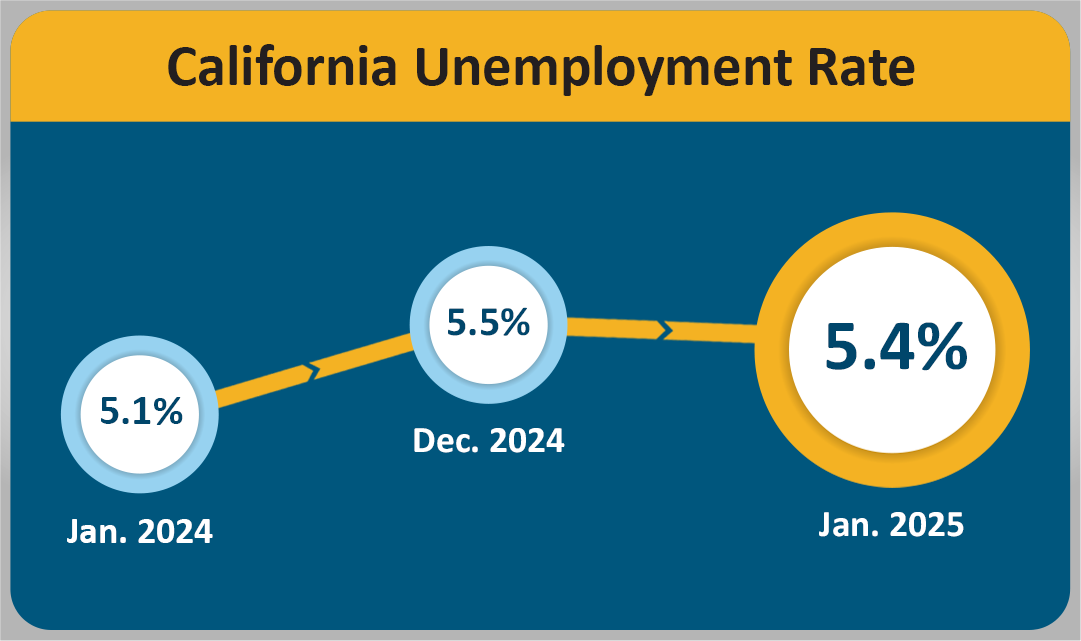
Lifestyle isn’t solely about spending; it’s profoundly about one’s overall well-being. Prolonged unemployment in California can exert significant stress on mental and physical health, making it crucial to prioritize self-care even amidst financial strain. The uncertainty of joblessness can lead to anxiety, depression, and a sense of isolation, directly impacting one’s daily lifestyle. Engaging in free or low-cost activities that promote mental and physical health becomes essential. This might include taking advantage of California’s abundant natural beauty—hiking trails, beach walks, or exploring local parks—which offer therapeutic benefits without a price tag. Community resources, such as free workshops, support groups, or public libraries, can provide intellectual stimulation and social connection. Maintaining a consistent routine, including regular exercise and a healthy diet (even on a budget), can help create a sense of normalcy and control. These elements become integral to maintaining a resilient lifestyle, helping individuals endure the psychological challenges of a prolonged job search.
Redefining Leisure: Embracing California’s Local Charms on a Shoestring
While grand travel plans might be on hold, unemployment doesn’t necessarily mean the complete cessation of leisure or exploration. It often prompts a redefinition of what “travel” or “leisure” means, shifting towards “budget travel” or hyper-local experiences. California offers a wealth of free and low-cost attractions perfect for this adjusted lifestyle. Instead of an expensive weekend getaway, one might explore a nearby state beach, visit a free museum on a designated day in Los Angeles or San Francisco, or simply enjoy a picnic in a scenic park. Walking across the Golden Gate Bridge, exploring the vibrant murals in San Francisco’s Mission District, or enjoying a day at the beach in San Diego can provide enriching experiences without significant financial outlay. This forced pivot to local exploration can, surprisingly, deepen one’s appreciation for their immediate surroundings and foster a more sustainable, community-focused lifestyle. It encourages creativity in finding joy and engagement, proving that a fulfilling lifestyle doesn’t always require lavish spending.
Proactive Steps: Shortening Your Unemployment Journey and Reclaiming Your Lifestyle
The most effective way to mitigate the long-term lifestyle impacts of unemployment is to shorten its duration. A proactive approach to job searching, coupled with continuous skill development, is vital for re-entry into the workforce and a swift return to a desired quality of life in California.
Skill Enhancement and Networking: Investing in Your Future Lifestyle
In California’s competitive job market, continuous learning and robust networking are key to minimizing unemployment duration. Investing time in skill enhancement, whether through online courses, certifications, or workshops, can make a job seeker more attractive to employers. For instance, in Silicon Valley, acquiring new coding languages or project management certifications can significantly improve re-employment prospects. Similarly, attending industry events (many of which are now virtual and free), joining professional associations, and leveraging platforms like LinkedIn can expand one’s professional network. These connections often lead to hidden job opportunities and valuable insights into emerging roles. Viewing skill enhancement and networking not just as job search activities, but as investments in one’s future lifestyle, helps maintain motivation. The faster one can acquire relevant skills and make meaningful connections, the quicker they can transition back to a stable income and reclaim the lifestyle they aspire to, whether that involves “business stays” for conferences or planning future “luxury travel.”
Leveraging California’s Career Resources
California offers a wealth of career resources designed to help individuals shorten their unemployment duration. The Employment Development Department (EDD) provides not only unemployment benefits but also access to job search assistance, career counseling, resume writing workshops, and job fairs. Local Workforce Development Boards across the state (in cities like Los Angeles, San Francisco, and San Diego) offer tailored programs, training, and employer connections. Community colleges and adult education centers frequently provide affordable or free courses that can help update skills or transition into new industries. Actively engaging with these resources can provide a structured approach to the job search, reducing the feeling of aimlessness and expediting the re-employment process. The quicker one can secure a new position, the sooner they can move beyond the restrictive lifestyle imposed by unemployment and begin rebuilding their financial foundations and quality of life.
Long-Term Outlook: Rebuilding and Redefining Your California Lifestyle
Even after re-employment, the experience of unemployment can leave a lasting imprint on one’s lifestyle and financial outlook. The period of joblessness in California, regardless of its duration, often serves as a powerful catalyst for re-evaluating priorities and cultivating greater resilience.
Post-Unemployment Lifestyle Adjustments
Returning to work doesn’t automatically mean an immediate return to a pre-unemployment lifestyle. Many individuals find that the period of joblessness has fundamentally reshaped their financial habits and priorities. The austerity measures adopted during unemployment—budgeting meticulously, seeking out free leisure activities, and delaying large purchases—often persist, at least initially. This can lead to a more financially prudent lifestyle, with a greater emphasis on saving for emergencies and investing in long-term security. Some might choose to downsize their living situation, even after re-employment, to reduce financial stress, thereby maintaining a more modest yet stable lifestyle. The experience can also shift personal values, leading individuals to prioritize experiences over material possessions, or to seek more fulfilling work that aligns better with their lifestyle goals, even if it means a slight compromise on income. This reflects a more conscious approach to living, where the lessons learned during unemployment in California continue to inform daily choices and long-term planning.
Cultivating Resilience for Future Economic Fluctuations
Perhaps the most enduring lifestyle impact of unemployment is the cultivation of resilience. Having navigated a period of financial and emotional uncertainty, individuals often emerge with a stronger sense of adaptability and preparedness for future economic fluctuations. This includes developing a more robust emergency fund, diversifying income streams, or re-evaluating career paths to enhance job security. The experience instills a heightened awareness of financial vulnerability and the importance of proactive planning, impacting how one manages their finances, career development, and overall lifestyle for years to come. For example, future “family trips” or “luxury travel” might be approached with more careful planning and a deeper appreciation, knowing the effort it takes to earn and save. Understanding “How Long Unemployment In California?” ultimately transforms from a statistical question into a deeply personal narrative of challenge, adaptation, and growth, profoundly shaping the trajectory of one’s lifestyle in the vibrant and ever-evolving landscape of California.
LifeOutOfTheBox is a participant in the Amazon Services LLC Associates Program, an affiliate advertising program designed to provide a means for sites to earn advertising fees by advertising and linking to Amazon.com. Amazon, the Amazon logo, AmazonSupply, and the AmazonSupply logo are trademarks of Amazon.com, Inc. or its affiliates. As an Amazon Associate we earn affiliate commissions from qualifying purchases.