
Edwards Air Force Base, a name synonymous with innovation, pioneering flight, and the relentless pursuit of aerospace excellence, holds a singular place in American history and global aviation. More than just a military installation, it is a landmark of monumental significance, a crucible where technological boundaries have been shattered and aviation legends forged. To understand the essence of this iconic site, one must first pinpoint its physical location within the vast and diverse landscape of California.
Pinpointing the Aerospace Epicenter
Edwards Air Force Base is strategically situated in the high desert region of Southern California, a location chosen for its expansive, uncongested airspace and the unique natural advantages it offers for flight testing. Its remote yet accessible positioning has been instrumental in its role as the premier flight test facility for the United States Air Force.
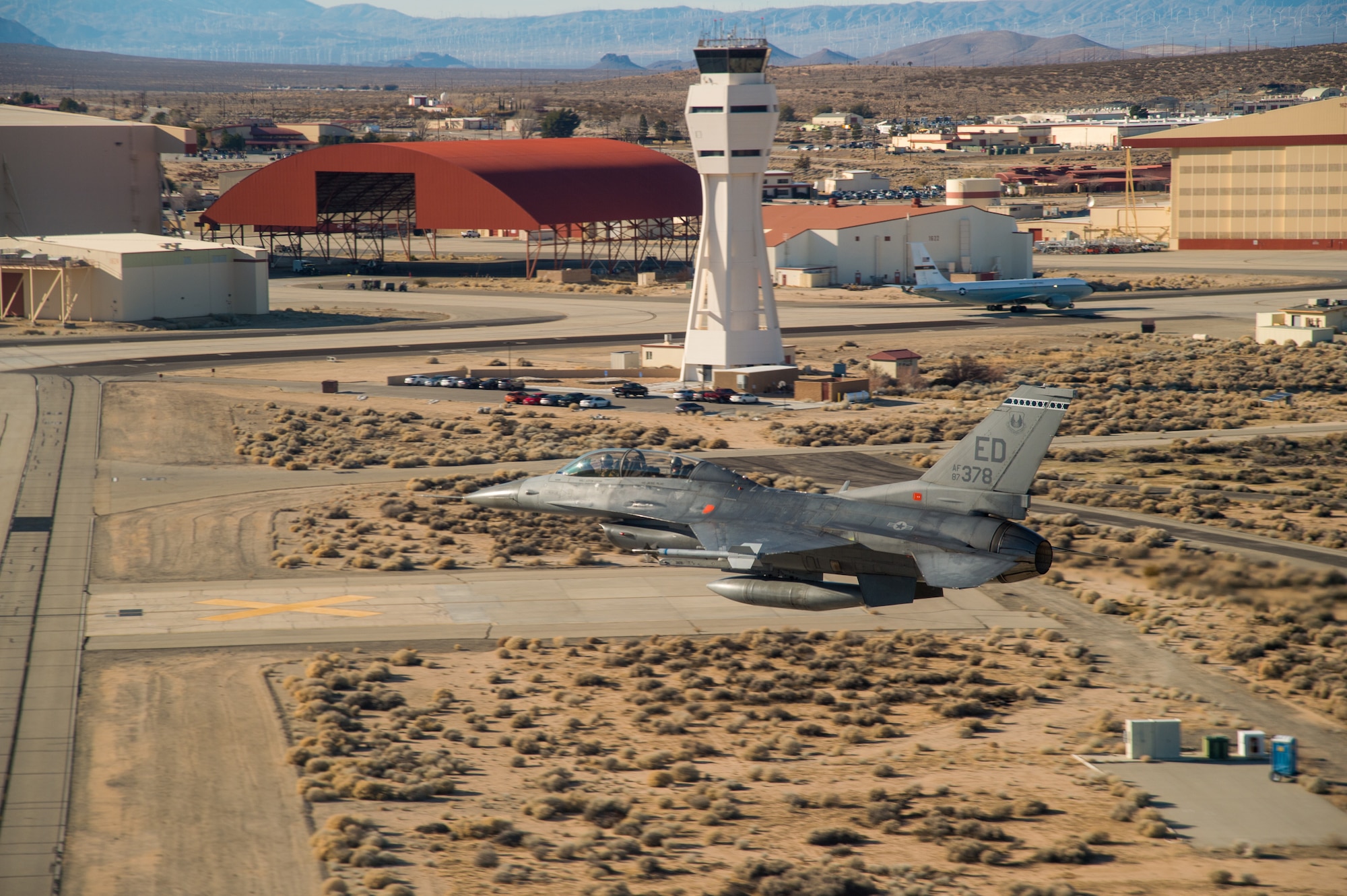
Geographical Coordinates and General Region
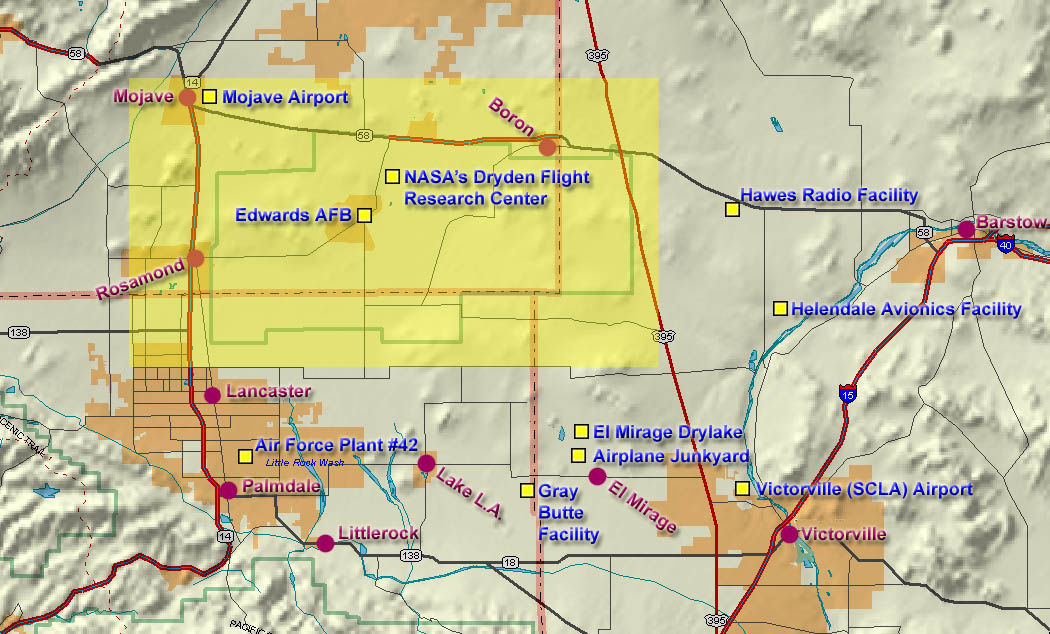
Specifically, Edwards Air Force Base is located at approximately 34.9° N latitude and 117.9° W longitude. It lies primarily within Kern County, extending into portions of Los Angeles County and San Bernardino County. This positioning places it roughly 22 miles northeast of Lancaster, California, and about 35 miles southeast of Mojave, California.
The base itself is a sprawling complex, encompassing a vast area of land that includes the dry lakebeds crucial to its operations. Its sheer scale underscores its importance, making it not just a point on a map but an immense geographical presence. The base’s precise location is a testament to careful planning, balancing the need for isolation for sensitive testing with logistical accessibility for personnel and equipment.
The Mojave Desert Context
The chosen location for Edwards Air Force Base is deeply intertwined with the characteristics of the Mojave Desert. This arid landscape is renowned for its vast, open spaces, clear skies, and predictably stable weather patterns, particularly the absence of frequent storms or dense cloud cover that could impede flight operations. These environmental factors are not merely incidental; they are fundamental to the base’s operational success.
The low humidity and high elevation contribute to unique aerodynamic conditions, while the expansive, flat terrain provides natural runways that are unparalleled in their size and stability. The Mojave Desert’s relative remoteness also provides a natural buffer, ensuring privacy and security for the highly classified projects often undertaken at the facility. Thus, the base isn’t just in the desert; it is of the desert, its very existence and success shaped by this distinctive ecosystem.
Proximity to Key California Cities
While Edwards Air Force Base maintains a degree of isolation, it is not entirely cut off from urban centers. It lies approximately 95 miles northeast of Los Angeles, one of the world’s largest metropolitan areas, making it accessible for strategic purposes while still benefiting from its desert seclusion. To the north, it is roughly 75 miles southeast of Bakersfield. These distances highlight a deliberate balance: close enough to major logistical hubs and population centers for personnel and supply, yet far enough to ensure uninterrupted, secure operations for experimental aircraft. The surrounding smaller communities, such as Rosamond and Boron, serve as residential areas for many of the base’s civilian and military personnel, forming a vital support network for the landmark installation.
A Legacy Forged in the Desert Sands
The historical tapestry of Edwards Air Force Base is as rich and vast as the desert it inhabits. Its evolution from a desolate airstrip to a global aerospace landmark is a story of human ingenuity, courage, and relentless scientific pursuit.
From Muroc Army Air Field to Edwards
The story of Edwards Air Force Base begins in 1933, when a small auxiliary field was established on the banks of Muroc Dry Lake, primarily for bombing and gunnery practice. This rudimentary facility, initially known as Muroc Army Air Field, quickly proved its worth due to the unique characteristics of the lakebed. During World War II, it became a critical training ground for pilots and a testbed for new aircraft.
In 1947, the field was renamed Muroc Air Force Base, and it was here, on October 14, 1947, that Captain Chuck Yeager famously broke the sound barrier in the Bell X-1 aircraft, forever changing the course of aviation. The base was officially renamed Edwards Air Force Base in 1949, in honor of Captain Glen W. Edwards, a distinguished test pilot who died in the crash of a Northrop YB-49 Flying Wing. This renaming marked a pivotal moment, solidifying its identity as a beacon of flight research and development.
The Cradle of Supersonic Flight and Space Exploration
Edwards quickly cemented its reputation as the “Flight Test Center of the Western World.” Following Yeager’s historic flight, it became the epicenter for high-speed, high-altitude flight research. Nearly every significant American military aircraft prototype, from the B-2 stealth bomber to the F-22 Raptor, has undergone rigorous testing here. The base was crucial for the development of supersonic flight, pioneering technologies that allowed aircraft to exceed the speed of sound safely and efficiently.
Beyond atmospheric flight, Edwards also played a critical role in the space race and beyond. It served as a primary landing site for the Space Shuttle program, with its expansive runways providing an ideal, safe return point for the orbiters. The base’s involvement in projects like the X-15 rocket plane program, which pushed the boundaries of manned hypersonic flight and space travel, underscores its foundational contribution to both aeronautics and astronautics. It truly stands as the birthplace of countless innovations that have propelled humanity into the jet age and beyond.
Iconic Aircraft and Milestones Achieved
The hangars and runways of Edwards have witnessed the debut and proving flights of some of the most iconic aircraft in history. From the experimental “X-planes” that explored the frontiers of aerodynamics – such as the X-1, X-15, and X-29 – to the legendary reconnaissance aircraft like the SR-71 Blackbird, each chapter of aviation progress has a page dedicated to Edwards.
It’s where the F-4 Phantom II, the F-16 Fighting Falcon, and the F-35 Lightning II were put through their paces, ensuring their readiness for combat and global deployment. The base’s flight test engineers and pilots have tirelessly pushed these machines to their limits, collecting invaluable data that refined designs, enhanced safety, and expanded operational capabilities. These milestones are not just technical achievements; they represent the collective human endeavor to defy gravity, conquer distance, and explore the unknown, all emanating from this singular desert landmark.
The Unique Landscape and Its Strategic Importance
The geographical features surrounding Edwards Air Force Base are not merely scenic backdrops but intrinsic elements that contribute to its unparalleled strategic value as a flight test center. The symbiosis between the natural environment and the base’s mission is a unique aspect of this landmark.
The Rogers Dry Lakebed – Nature’s Runway
Central to Edwards’ operational capabilities is the vast expanse of Rogers Dry Lakebed. This ancient lakebed, one of the largest natural landing fields in the world, measures approximately 65 square miles. Its surface, composed of compacted clay and salt, is remarkably smooth and flat, offering a virtually limitless number of runways. This natural phenomenon allowed for the creation of multiple precise runway markings, including the longest hard surface runway in the world at 15,000 feet, and a total of 13 primary landing strips, some extending over 7 miles.
The sheer size and stability of the lakebed make it an ideal emergency landing site for space shuttles and a perfect location for testing experimental aircraft, especially those with unknown landing characteristics. It provides an enormous margin of error, reducing risk during critical first flights and high-stakes tests, making it an invaluable asset that few other locations globally can match.
Ideal Conditions for Flight Research
Beyond the lakebed, the broader Mojave Desert environment offers nearly perfect conditions for flight research. The typically clear, sunny skies mean minimal weather-related disruptions to flight schedules. The low humidity provides excellent visibility and reduces atmospheric drag, allowing for more accurate performance measurements. The vast, sparsely populated airspace over the base minimizes air traffic conflicts, providing an unconstrained environment for test pilots to perform complex maneuvers and push aircraft to their limits without posing a risk to civilian populations. This confluence of natural factors creates an almost tailor-made laboratory for aerospace innovation, reinforcing Edwards’ status as a world-leading test facility.
Seclusion and Security
The remote desert location of Edwards Air Force Base is also a critical component of its national security functions. The isolation provides inherent security for sensitive and classified projects, minimizing unauthorized observation or interference. The base’s substantial physical perimeter and controlled access points ensure that cutting-edge technologies and experimental platforms are developed and tested in a secure environment. This seclusion is not merely a matter of convenience; it is a strategic imperative that safeguards intellectual property, protects classified information, and allows for the unimpeded progression of aerospace and defense programs vital to the United States.
Edwards Air Force Base Today: A Beacon of Innovation
Today, Edwards Air Force Base continues to live up to its legacy, remaining at the forefront of aerospace development. It is far from a historical relic; it is a vibrant, dynamic landmark continuously shaping the future of aviation and space.
Ongoing Research and Development
The mission of Edwards has never been more critical. It serves as the primary testing grounds for the next generation of military aircraft, including advanced fighter jets, stealth technologies, and unmanned aerial systems (UAS). The base is heavily involved in projects exploring hypersonic flight, artificial intelligence in aviation, and advanced propulsion systems. Researchers and engineers at Edwards are constantly pushing the boundaries of what is possible, testing concepts that will define aerospace for decades to come. Its facilities host an array of advanced laboratories, simulation centers, and flight operations complexes, all dedicated to the rigorous process of proving new technologies and integrating them into operational platforms.
The Role in National Security and Global Aerospace
Edwards Air Force Base plays an indispensable role in national security by ensuring that the United States military maintains a technological advantage in the air and in space. Every aircraft, every sensor, and every weapon system tested and certified at Edwards contributes directly to the defense capabilities of the nation and its allies. Beyond military applications, the base’s research often yields breakthroughs with broader implications for commercial aviation and space exploration, influencing global aerospace standards and innovations. It is a cornerstone of American technological leadership, a landmark that symbolizes the nation’s commitment to scientific advancement and defense readiness.
Preserving Its Historical Significance
While focused on the future, Edwards also honors its past. Efforts are made to preserve the rich history of the base, recognizing its landmark status. The Air Force Flight Test Museum, located on the base, serves as a vital repository of this heritage, showcasing iconic aircraft and artifacts from pivotal moments in aviation history. This museum, along with the adjacent Blackbird Airpark in Palmdale, offers a glimpse into the innovations and sacrifices that have defined Edwards’ legacy. These historical sites ensure that the stories of the test pilots, engineers, and support personnel who contributed to its landmark achievements are never forgotten.
Understanding Public Access and Observation Opportunities
Given its critical and highly sensitive mission, direct public access to Edwards Air Force Base is understandably restricted. However, for those interested in this legendary landmark, opportunities exist to appreciate its significance from a distance.
Limited Access for Security Reasons
As a top-tier military installation involved in classified aerospace research, security protocols at Edwards are stringent. General public access to the main base facilities, runways, and test areas is not permitted. Visits are typically limited to official personnel, invited guests, and participants in specific events or tours arranged in advance and under strict supervision. This limited access is paramount to protecting national security interests and ensuring the safety of ongoing test operations.
Designated Viewing Areas
Despite the restrictions, the legacy and activities of Edwards Air Force Base can still be appreciated by the public. The Air Force Flight Test Museum, while located within the secure confines of the base, occasionally offers public tours or specific event access. However, for more consistent public access, the museum’s outdoor exhibit, the Blackbird Airpark, is located off-base near Palmdale Regional Airport and is open to the public. Here, visitors can see an impressive collection of aerospace vehicles that were tested at Edwards, including the legendary SR-71 Blackbird, U-2 Dragon Lady, and F-117 Nighthawk, offering a tangible connection to the base’s illustrious history.
Additionally, observation points around the periphery of the vast Mojave Desert region, particularly near Mojave Air and Space Port, occasionally provide distant views of aircraft activity. While not directly on Edwards, the airspace is shared, and the roar of a jet breaking the sound barrier or a glimpse of an experimental aircraft in the sky is a powerful reminder of the landmark’s ongoing work.
The Edwards Experience from Afar
For most, experiencing Edwards Air Force Base means engaging with its profound historical and ongoing impact rather than a direct visit. Through documentaries, books, and the exhibits at Blackbird Airpark and the Air Force Flight Test Museum, one can immerse themselves in the stories of groundbreaking flights, heroic test pilots, and revolutionary engineering that define this landmark. It remains a powerful symbol of human endeavor, an enduring testament to the pursuit of speed, altitude, and the relentless quest to conquer the skies. Its location in the serene, yet unforgiving, Mojave Desert serves as a constant reminder of the extraordinary achievements born from its desolate but strategically perfect landscape.
LifeOutOfTheBox is a participant in the Amazon Services LLC Associates Program, an affiliate advertising program designed to provide a means for sites to earn advertising fees by advertising and linking to Amazon.com. Amazon, the Amazon logo, AmazonSupply, and the AmazonSupply logo are trademarks of Amazon.com, Inc. or its affiliates. As an Amazon Associate we earn affiliate commissions from qualifying purchases.