
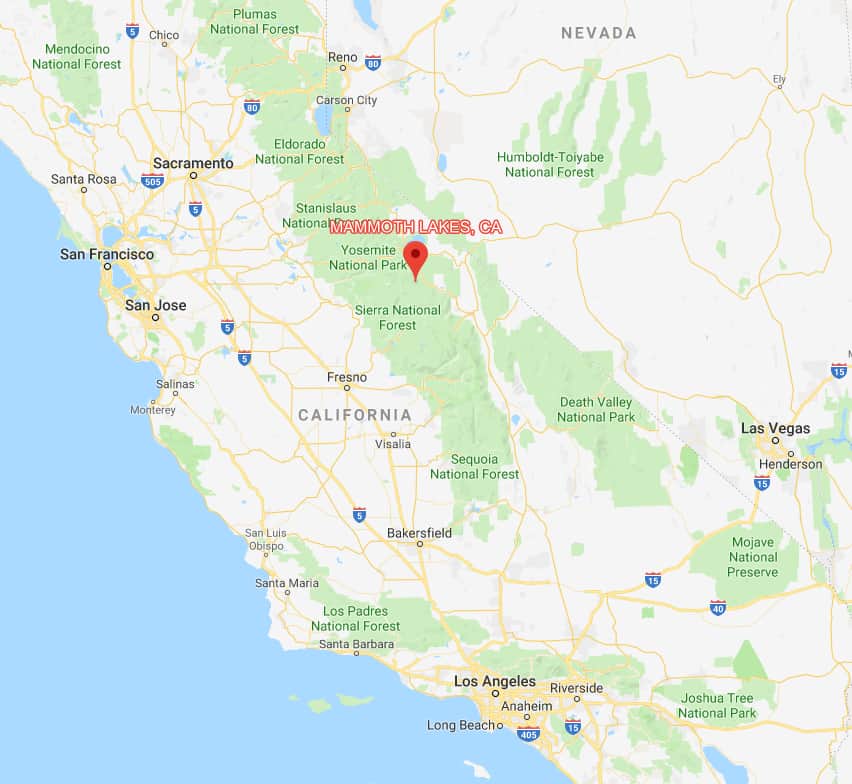
Nestled high within the breathtaking expanse of the Eastern Sierra Nevada mountain range, Mammoth Lakes (often simply referred to as Mammoth) is a quintessential Californian jewel. This vibrant resort town and its surrounding wilderness serve as a magnet for outdoor enthusiasts and nature lovers alike, offering an unparalleled tapestry of landscapes and activities across all four seasons. To understand Mammoth’s profound appeal is to first pinpoint its unique geographical position within the vast and diverse state of California, United States. Far from the bustling coastal cities, Mammoth represents the wild heart of the Sierra, a place where jagged peaks meet pristine alpine lakes and ancient forests.

Its location is more than just coordinates on a map; it dictates the climate, the activities, and the very spirit of the community. Situated at an elevation of approximately 7,900 feet (2,400 meters), Mammoth Lakes boasts a high-altitude environment that lends itself to abundant snowfall in winter and cool, clear air in summer. This strategic placement makes it an accessible, yet wonderfully remote, escape from urban life, promising adventure and serenity in equal measure.
Unveiling Mammoth’s Geographic Tapestry
Mammoth’s precise location is fundamental to understanding its character and allure. It’s not merely a dot on the map but a pivotal point within a region celebrated for its dramatic geology and ecological diversity.
The Eastern Sierra Nevada Gem
Mammoth Lakes is prominently situated on the eastern slope of the Sierra Nevada, a colossal mountain range that forms a significant natural barrier in California. This eastern orientation is crucial, as it places the town in a rain shadow, contributing to drier conditions and clearer skies than its western counterparts, yet still receiving prodigious amounts of snow from Pacific storms. The town itself is built around a series of beautiful, glacially carved lakes, including Lake Mary, Lake George, and the Twin Lakes, which are easily accessible from the main village area.
Geologically, Mammoth is a fascinating region shaped by volcanic activity, with the Mammoth Mountain ski area itself being a dormant volcano. This volcanic history has left behind unique features such as hot springs and striking rock formations, adding another layer of intrigue to the landscape. The town sits atop the Long Valley Caldera, one of the world’s largest active calderas, hinting at the powerful geological forces that have sculpted this region over millennia. This dramatic topography, characterized by deep valleys, towering peaks, and extensive forests, is what defines the Mammoth experience.
Proximity to Natural Wonders
One of the most compelling aspects of Mammoth’s location is its close proximity to some of America’s most iconic natural landmarks. It acts as a gateway or a convenient basecamp for exploring a wider region rich in biodiversity and stunning scenery.
To the north, a relatively short drive brings visitors to the otherworldly tufa towers of Mono Lake and the dramatic alpine beauty of the June Lake Loop. Further north lies the pristine wilderness of Yosemite National Park‘s eastern entrance via Tioga Pass (seasonal access). This proximity makes it possible for visitors to combine a ski trip to Mammoth with a summer hike in Yosemite, showcasing the incredible versatility of the region.
South of Mammoth, the landscape transforms, leading towards the vastness of the Owens Valley and eventually to Death Valley National Park, offering a stark contrast in climate and ecology. Eastward, the high desert environment stretches towards the Nevada border, while westward, the untouched high Sierra wilderness beckons hikers and backpackers to explore its remote trails, including sections of the Pacific Crest Trail and the John Muir Trail. Mammoth’s central position in this network of natural wonders undeniably elevates its status as a premier travel destination.
A Premier Four-Season Travel Destination
Mammoth’s distinctive geographical location grants it the unique advantage of being a vibrant destination throughout the entire year, catering to a diverse array of interests from extreme sports to serene nature contemplation.
Winter Wonderland: Skiing and Snowboarding
Without a doubt, winter is when Mammoth truly shines for many. The town is synonymous with Mammoth Mountain Ski Area, one of the largest and most renowned ski resorts in North America. Its high elevation ensures abundant, high-quality natural snowfall, often allowing for one of the longest ski seasons in the country, sometimes extending well into July. Thousands flock here annually to experience its challenging slopes, extensive terrain parks, and breathtaking views from the summit.
Beyond downhill skiing and snowboarding, the winter months transform the surrounding landscape into a playground for cross-country skiing, snowshoeing, snowmobiling, and even ice climbing. The serene beauty of the snow-covered forests and frozen lakes offers a peaceful escape, while the lively atmosphere of The Village at Mammoth provides warmth and entertainment after a day on the slopes. Mammoth’s robust winter infrastructure and consistent snow conditions are direct results of its advantageous mountain location.
Summer Adventures: Hiking, Biking, and Water Sports
As the snow melts and the alpine wildflowers bloom, Mammoth Lakes undergoes a remarkable transformation, revealing a different kind of outdoor paradise. The extensive network of trails that are buried under snow in winter become prime routes for hiking and mountain biking. From leisurely strolls around the scenic lakes to strenuous ascents up challenging peaks, there’s a trail for every fitness level, each offering stunning vistas of the Sierra landscape.
The numerous lakes, including June Lake and Convict Lake, become hubs for fishing, kayaking, paddleboarding, and swimming. The Mammoth Lakes Basin is particularly popular for its chain of lakes and access to popular trailheads. Golf enthusiasts can enjoy high-altitude courses, and rock climbers find challenging routes on the granite formations. The summer also brings opportunities for scenic gondola rides, allowing non-hikers to enjoy the panoramic mountain views. The cool summer temperatures, a welcome respite from the heat of lower elevations, make it an ideal destination for active summer vacations.
Autumn’s Fiery Hues and Spring’s Awakening

The transitional seasons in Mammoth offer their own unique charm, often overlooked but equally captivating. Autumn, with its crisp air and brilliant fall foliage, transforms the landscape into a painter’s palette of gold, crimson, and orange, particularly along Highway 395 and in the groves of aspen trees around June Lake and Bishop. It’s a prime time for photography, scenic drives, and quiet hikes before the first heavy snows arrive.
Spring, on the other hand, is a season of awakening. While the upper slopes of Mammoth Mountain might still be bustling with skiers enjoying spring skiing, the lower elevations begin to thaw, revealing rushing streams from snowmelt and vibrant wildflowers. It’s a time for witnessing the landscape reawaken, often with fewer crowds than the peak winter or summer months. These shoulder seasons provide a more tranquil experience, allowing visitors to connect with nature on a deeper level.
Navigating Your Way to Mammoth Lakes
Reaching Mammoth Lakes requires a journey into the heart of the Sierra, but its accessibility has improved significantly over the years, offering various options for travelers.
Air Travel Options
For those preferring to fly, the most direct option is the Mammoth Yosemite Airport (MMH). This regional airport offers seasonal flights, primarily during the winter and summer peak seasons, connecting Mammoth to major hubs like Los Angeles, San Francisco, and sometimes other cities. Utilizing MMH significantly reduces travel time and offers stunning aerial views of the Sierra Nevada upon approach.
Alternatively, many travelers opt to fly into larger international airports such as Reno-Tahoe International Airport (RNO) in Nevada or major airports in Los Angeles or San Francisco, then complete the journey by car. This provides more flight flexibility and allows for a scenic drive.
Driving Routes and Scenic Byways
Driving to Mammoth Lakes is a quintessential part of the experience for many, especially given the breathtaking scenery along the way. The primary artery is U.S. Highway 395, a designated scenic byway that runs north-south along the eastern side of the Sierra Nevada.
From Southern California (e.g., Los Angeles), the drive typically takes 5-6 hours, offering dramatic transitions from urban sprawl to high desert to alpine peaks. From Northern California (e.g., San Francisco), the drive is also around 5-6 hours, either via Yosemite National Park (seasonal) or by circling south to pick up Highway 395. The journey itself is an attraction, with numerous points of interest, small towns like Lee Vining, and photographic opportunities along the route. It’s important to note that winter driving conditions on Highway 395 can occasionally require chains or 4WD vehicles, making proper preparation essential.
Getting Around Mammoth
Once in Mammoth Lakes, getting around is relatively straightforward. The town offers a free bus system that connects The Village at Mammoth, the main lodge at Mammoth Mountain, the Mammoth Lakes Basin, and various lodging and shopping areas. This system is particularly useful in winter, alleviating the need for personal vehicles on snowy roads. Many visitors also bring or rent cars for flexibility, especially for exploring nearby attractions like Hot Creek Geological Site or the June Lake Loop. In summer, biking and walking are popular ways to explore the town and its immediate surroundings, capitalizing on the extensive bike paths and pedestrian-friendly areas.
Beyond the Slopes: Exploring Mammoth’s Rich Offerings
While its natural beauty and outdoor activities are the primary draw, Mammoth Lakes also offers a charming community atmosphere and access to unique cultural and geological sites that enrich any travel itinerary.
Charming Town Life and Culinary Delights
The town of Mammoth Lakes itself is a welcoming hub with a distinct mountain-town charm. It features a range of lodging options, from cozy cabins to luxurious resorts and condominium complexes. The main street is lined with shops catering to outdoor gear, souvenirs, and local artisan crafts.
The culinary scene in Mammoth is surprisingly diverse for its size, offering everything from casual breweries and pizzerias to upscale dining experiences. Fresh, locally sourced ingredients are often featured, reflecting the region’s agricultural heritage and commitment to quality. After a day of adventuring, enjoying a meal with mountain views or unwinding with a local craft beer is a quintessential Mammoth experience. The friendly, laid-back atmosphere of the town adds to its overall appeal, making visitors feel at home amidst the grandeur of the Sierra.
Nearby Natural Attractions and Day Trips
Mammoth’s central location makes it an ideal base for exploring a wealth of natural attractions on day trips.
- Devils Postpile National Monument: A geological marvel featuring rare columnar basalt formations, just a short shuttle ride from the Mammoth Lakes Basin (summer access only).
- Hot Creek Geological Site: Offers a unique opportunity to witness geothermal activity firsthand, with steaming waters and bubbling pools set against a stunning backdrop. It’s a fascinating display of Mammoth’s volcanic past.
- Mono Lake: As mentioned, this ancient saline lake with its limestone tufa towers is a short drive north and offers incredible photographic opportunities and a unique ecological insight.
- June Lake Loop: A picturesque 16-mile scenic byway featuring a string of stunning alpine lakes (June Lake, Gull Lake, Silver Lake, Grant Lake), ideal for fishing, camping, and scenic drives, especially beautiful in the fall.
- Convict Lake: Known for its dramatic mountain backdrop and excellent fishing, it’s another easily accessible lake south of Mammoth.
- Ancient Bristlecone Pine Forest: A longer day trip, but worth it to see some of the oldest living trees on Earth, located in the White Mountains to the east.
These diverse attractions mean that every day in Mammoth can bring a new adventure, from ancient geological sites to serene alpine meadows, all within a reasonable driving distance.
Planning Your Mammoth Getaway
When planning a trip to Mammoth Lakes, it’s crucial to consider the season you wish to visit, as this will heavily influence available activities and necessary gear. Booking accommodations and popular activities well in advance, especially during peak winter and summer seasons, is highly recommended. Understanding the high-altitude environment and taking precautions against altitude sickness (staying hydrated, taking it easy on the first day) is also important. Whether seeking adrenaline-pumping thrills or tranquil communion with nature, Mammoth Lakes, with its strategic location and abundant offerings, promises an unforgettable travel experience. It truly stands as a magnificent testament to California’s natural splendor, waiting to be explored.
LifeOutOfTheBox is a participant in the Amazon Services LLC Associates Program, an affiliate advertising program designed to provide a means for sites to earn advertising fees by advertising and linking to Amazon.com. Amazon, the Amazon logo, AmazonSupply, and the AmazonSupply logo are trademarks of Amazon.com, Inc. or its affiliates. As an Amazon Associate we earn affiliate commissions from qualifying purchases.