
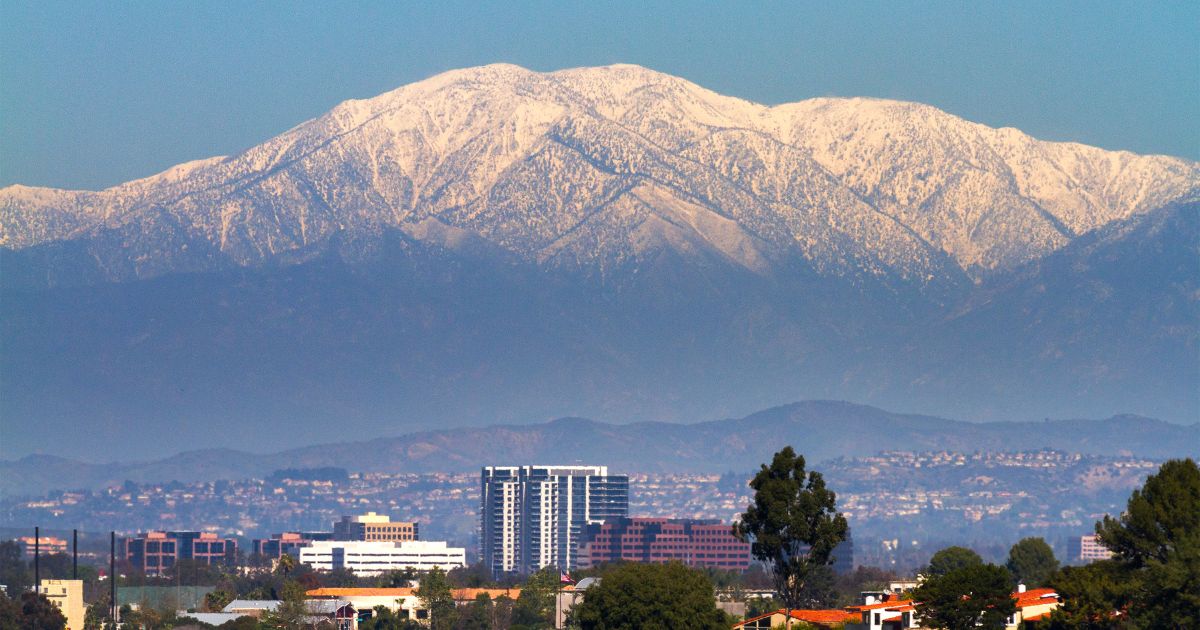
Nestled majestically within the sprawling landscapes of Southern California, Mount Baldy stands as an iconic and revered landmark, drawing the gaze of residents and visitors alike. Officially known as Mount San Antonio, this towering peak is more than just a mountain; it is a geographic anchor, a recreational haven, and a vital natural ecosystem. Its distinctive, often snow-capped summit is a familiar sight against the urban backdrop of Los Angeles and the wider Inland Empire, serving as a constant reminder of the wild beauty that exists mere miles from bustling metropolitan life. Understanding its location, its geological significance, and its role as a cultural touchstone unveils the profound impact this landmark has on the region.

The query “Where is Mt. Baldy in California?” points not just to a spot on a map, but to a destination steeped in natural grandeur and recreational opportunity. It is the highest point of the San Gabriel Mountains range, reaching an impressive elevation of 10,064 feet (3,068 meters) above sea level. Its prominence makes it a significant feature, visible from vast distances on clear days, and a crucial component of the hydrological and ecological systems of the Southland. For many, its presence signifies escape, adventure, and a profound connection to the natural world.
Unveiling the Majestic Peak: Location and Identity
To truly answer the question of Mt. Baldy’s whereabouts is to delve into the heart of Southern California’s diverse geography. It is a landmark that defines a segment of the region’s natural character, representing both its wild side and its accessibility for human appreciation.
Pinpointing Mount San Antonio
Mount San Antonio, universally known as Mt. Baldy, is situated primarily within the boundaries of the Angeles National Forest. Geographically, it straddles the border between Los Angeles County and San Bernardino County, making it a shared natural heritage for two of California’s most populous counties. The mountain’s base can be accessed from various points, but the primary gateway village, appropriately named Mt. Baldy Village, lies on its western flank within Los Angeles County, offering direct routes to the summit and the Mount Baldy Ski Area. This village, charming and rustic, serves as a hub for mountaineers, hikers, and skiers, providing essential services and a distinct mountain town atmosphere that stands in stark contrast to the urban sprawl just below.
A Beacon in Southern California’s Landscape
The visual impact of Mt. Baldy cannot be overstated. From the sprawling cities of Los Angeles, Orange County, and the Inland Empire, the mountain serves as a natural compass and a constant source of inspiration. Its bare, rounded summit, often capped with snow during winter months, is what gives it its popular “Baldy” moniker, making it immediately recognizable. This distinct profile allows it to act as a crucial orienting landmark for both residents and visitors navigating the vast and often complex topography of Southern California. It signifies not only a place of natural beauty but also a natural boundary, separating the coastal plains from the high desert regions to the north and east, influencing local weather patterns and creating distinct microclimates across the region.
The Geographical Tapestry of Mt. Baldy
Beyond its precise coordinates, Mt. Baldy’s location is defined by its embeddedness within a larger, vibrant geographical context. Its position dictates its ecological character, its geological history, and its role within California’s natural infrastructure.
Nestled in the San Gabriel Mountains
Mt. Baldy is the highest point within the San Gabriel Mountains, a rugged range that forms a significant natural barrier and wilderness area north of Los Angeles. These mountains are part of the larger Transverse Ranges system, unique in California for their east-west orientation, a result of complex tectonic forces. The San Gabriel Mountains provide a critical watershed for the Los Angeles basin, capturing rainfall and snowmelt that replenish aquifers and feed local rivers. The presence of Mt. Baldy at the apex of this range makes it a prime location for snow accumulation, contributing significantly to the region’s water resources and supporting its unique high-altitude ecosystems.
Geologic Wonders and Ecological Zones
The geology of Mt. Baldy is a testament to millions of years of tectonic activity, primarily consisting of granitic and metamorphic rocks, uplifted and sculpted by erosion. Its steep slopes and rugged canyons reveal layers of Earth’s history. Ecologically, the mountain is a marvel of biodiversity, hosting several distinct life zones as elevation increases. The lower slopes are characterized by chaparral and oak woodlands, transitioning into conifer forests dominated by ponderosa pine, white fir, and incense cedar at mid-elevations. Near the summit, subalpine forests give way to barren, rocky terrain typical of alpine environments, from which the mountain derives its “bald” appearance. This ecological diversity supports a wide array of wildlife, including deer, bighorn sheep, mountain lions, and various bird species, making it a critical habitat area within close proximity to urban development.
A Landmark Through Time: History and Naming
The story of Mt. Baldy is not merely geological or geographical; it is also a human story, woven into the fabric of regional history and culture. Its naming and early interactions with people underscore its enduring significance.
Indigenous Roots and Early Explorers

Before European colonization, the lands surrounding Mt. Baldy were home to various indigenous peoples, notably the Tongva (Gabrielino) and Serrano tribes. These communities held deep reverence for the mountain, which was integral to their spiritual beliefs, sustenance, and way of life. They would have traversed its slopes for resources, conducted ceremonies, and possessed an intimate knowledge of its trails and ecosystems. While specific indigenous names for the peak are less commonly documented in modern records, its sacred importance would have been undeniable.
Later, Spanish explorers and missionaries arrived in the late 18th and early 19th centuries. They bestowed the formal name “San Antonio” upon the peak, likely in honor of Saint Anthony of Padua, a common practice during the mission era. This official designation remains today as Mount San Antonio, reflecting the early European influence on the region’s geography.
The Iconic “Baldy” Moniker
The more colloquial and widely used name, “Mt. Baldy,” emerged much later, likely in the mid-19th century, among prospectors, ranchers, and early settlers. This informal name vividly describes the mountain’s most distinguishing feature: its treeless, often snow-covered, rounded summit. Unlike many other peaks in the San Gabriel Mountains, Mt. Baldy’s upper reaches lack dense tree cover, making it appear “bald” in contrast to its more forested neighbors. This simple, descriptive name quickly caught on and has since become the universally recognized term for the peak, embodying its visual identity and accessibility to the popular imagination.
The Allure of a Natural Landmark: Activities and Accessibility
Mt. Baldy’s status as a prominent landmark is cemented by its appeal as a destination for outdoor enthusiasts. Its location makes it remarkably accessible, inviting a wide range of activities throughout the year.
Year-Round Recreation: From Trails to Slopes
The mountain is a recreational paradise, offering diverse activities across all seasons. In spring, summer, and fall, hikers flock to its numerous trails. The popular Baldy Bowl Trail, or the Devil’s Backbone Trail accessed via the scenic Mt. Baldy Ski Area chairlift, leads to the summit, offering strenuous climbs rewarded with panoramic views stretching from the Pacific Ocean to the Mojave Desert. Sections of the famed Pacific Crest Trail also traverse the higher reaches of the San Gabriel Mountains, occasionally bringing long-distance hikers into proximity with Mt. Baldy’s grandeur. Backpacking, rock climbing, and mountain biking are also popular warm-weather pursuits.
During winter, Mt. Baldy transforms into Southern California’s premier skiing and snowboarding destination. The Mount Baldy Ski Area, established in 1938, provides lift-serviced access to varied terrain, making winter sports an integral part of the mountain’s recreational identity. Snowshoeing and cross-country skiing are also popular on designated trails when conditions allow, further enhancing its appeal as a dynamic, year-round natural attraction.
Gateways to the Summit
Accessing Mt. Baldy is relatively straightforward, a factor contributing to its popularity. The primary route involves driving to Mt. Baldy Road, which originates from the flatlands near the cities of Upland, Claremont, and Rancho Cucamonga. This scenic road winds its way up through the canyons, eventually reaching Mt. Baldy Village at approximately 4,000 feet (1,219 meters). From the village, visitors can continue up to the Mount Baldy Ski Area at the end of the road, where the chairlift operates during both winter and summer seasons, providing a convenient starting point for many summit attempts or simply a way to enjoy the high-altitude views without the strenuous climb.
For those approaching from different directions, other access points within the Angeles National Forest and the neighboring San Bernardino National Forest allow for longer, more remote treks into the Cucamonga Wilderness area that encompasses part of the mountain’s eastern slopes. The proximity of major metropolitan areas like Los Angeles and Ontario ensures that Mt. Baldy remains an easily reachable wilderness escape for millions.
Preserving the Legacy: Conservation and Future
As a cherished landmark, Mt. Baldy is also a focal point for conservation efforts, ensuring its pristine nature and recreational value endure for future generations.
Protecting a Pristine Environment
The significant ecological value of Mt. Baldy and the surrounding San Gabriel Mountains has led to substantial conservation measures. Much of the mountain lies within the Angeles National Forest, which is managed by the U.S. Forest Service to protect its natural resources, wildlife habitats, and water quality. Furthermore, the establishment of the San Gabriel Mountains National Monument in 2014, although primarily encompassing areas to the west of Mt. Baldy, highlights a broader commitment to preserving this crucial mountain range. Ongoing efforts focus on sustainable trail management, wildfire prevention and recovery, and educating visitors about Leave No Trace principles to minimize human impact. The delicate balance between allowing public access and safeguarding the environment is a continuous challenge that local organizations, government agencies, and dedicated volunteers work tirelessly to maintain.
An Enduring Symbol of California’s Wilderness
Mt. Baldy’s location in California is not merely a geographic fact; it is a profound testament to the state’s incredible natural diversity and its commitment to preserving these wild spaces. As the highest point in the San Gabriel Mountains, it serves as an enduring symbol of wilderness accessible to a massive urban population. It represents an opportunity for solace, adventure, and a vital connection to nature that is often overlooked in discussions about Southern California. Whether admired from a distance, scaled by foot, or carved into on skis, Mt. Baldy remains a vital and cherished landmark, its identity intertwined with the very essence of the region it overlooks. Its continued presence offers both an escape and a constant reminder of the majestic natural world that thrives just beyond the city lights.
LifeOutOfTheBox is a participant in the Amazon Services LLC Associates Program, an affiliate advertising program designed to provide a means for sites to earn advertising fees by advertising and linking to Amazon.com. Amazon, the Amazon logo, AmazonSupply, and the AmazonSupply logo are trademarks of Amazon.com, Inc. or its affiliates. As an Amazon Associate we earn affiliate commissions from qualifying purchases.