
Nestled amidst the picturesque foothills of the Sierra Nevada mountain range, Sonora, California, stands as a vibrant testament to the enduring spirit of the California Gold Rush era. Often referred to as “The Queen of the Southern Mines,” this historic city offers more than just a pin on a map; it represents a captivating blend of rich history, stunning natural beauty, and a welcoming community that serves as an ideal gateway to explore a truly iconic region of the Golden State. For travelers seeking an authentic experience that combines historical immersion with outdoor adventure, understanding Sonora’s strategic location is the first step towards an unforgettable journey.

Unveiling Sonora: A Gateway to Gold Rush Country
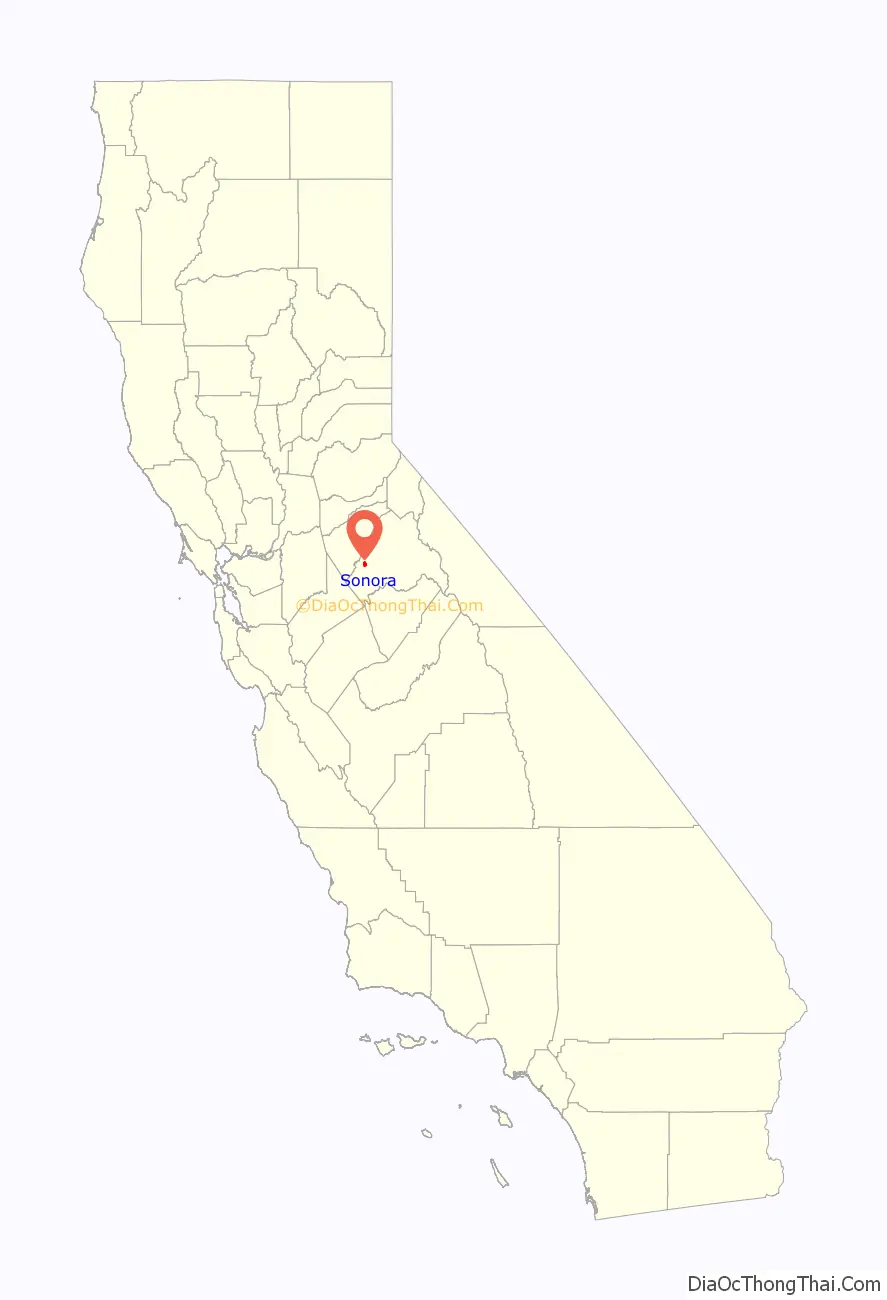
Sonora is strategically situated in Tuolumne County, right in the heart of California’s famed Gold Country. This prime location places it within a comfortable driving distance from major metropolitan areas, yet far enough to provide an escape into a world of historic charm and natural splendor. The city’s geographical coordinates roughly center around 37.98 degrees North latitude and 120.38 degrees West longitude, positioning it at an elevation of approximately 1,775 feet (541 meters) above sea level. This elevation contributes to a climate characterized by warm, dry summers and mild, wet winters, occasionally graced with light snowfall in the higher elevations surrounding the town.
Geographic Coordinates and Setting
Sonora’s placement on the western slope of the Sierra Nevada foothills provides it with a unique microclimate and diverse landscape. To its west lie the Central Valley’s agricultural expanses, while to its east, the mountains ascend dramatically towards the high country, including the iconic peaks and valleys of Yosemite National Park. This transitional zone is characterized by oak woodlands, rolling hills, and a network of rivers and streams that were once central to the mining operations that birthed the town. The city itself is built upon the very terrain that yielded fortunes in gold, with its historic downtown district retaining much of its 19th-century architectural integrity.
Proximity to Major Hubs
One of Sonora’s most appealing attributes for travelers is its accessibility. It serves as an excellent base for exploring a wider region, being approximately:
- 2.5 to 3 hours east of San Francisco and the San Francisco Bay Area.
- 1.5 to 2 hours southeast of Sacramento, the state capital.
- 2 to 2.5 hours north of Fresno.
This allows for relatively easy day trips or weekend getaways from these population centers, making Sonora a convenient destination that doesn’t require an arduous journey. Travelers often choose to fly into Sacramento International Airport, Oakland International Airport, or San Francisco International Airport and then rent a car for the scenic drive into Gold Country. The journey itself is part of the experience, transitioning from bustling urban landscapes to winding country roads that hint at the adventures ahead.
The Heart of the Gold Country: Historical Context and Appeal
The very fabric of Sonora is steeped in the lore of the California Gold Rush. Founded in 1848 by Mexican miners from the state of Sonora, Mexico, the town quickly boomed as a major mining camp. Its strategic location at the confluence of several rich gold-bearing streams made it a magnet for prospectors from around the globe, leading to a vibrant, often chaotic, but undeniably pivotal role in shaping California’s early history. The city’s architecture, street names, and even its local anecdotes all echo this extraordinary past, offering visitors a tangible connection to a bygone era.
A Rich Tapestry of History
During the peak of the Gold Rush, Sonora was one of the largest and most prosperous towns in the mining region, earning its nickname as “The Queen of the Southern Mines.” Its streets buzzed with activity, featuring everything from saloons and gambling halls to legitimate businesses catering to the needs of the burgeoning population. The town was a melting pot of cultures, with a significant influence from Mexican, Chinese, and European immigrants, all drawn by the promise of gold. This diverse heritage is still evident in the town’s cultural landscape and preserved historical sites.
The stories of individual miners, the challenges they faced, and the innovative (and sometimes destructive) mining techniques they employed are central to understanding Sonora’s legacy. From simple panning to hydraulic mining, the pursuit of gold dramatically reshaped the land and the lives of those who flocked to it. Today, visitors can walk the same streets, gaze upon buildings that witnessed this incredible period, and immerse themselves in the narratives that define the town.
Preserving the Past
Sonora takes immense pride in preserving its historical identity. The downtown area, with its distinctive 19th-century brick buildings, covered sidewalks, and historic storefronts, is a living museum. Many of these structures now house charming boutiques, antique shops, art galleries, and restaurants, allowing visitors to experience the past while enjoying modern amenities.
Key historical attractions include:
- Tuolumne County Museum and History Center: Located in the historic Tuolumne County Jail, this museum offers fascinating exhibits on the Gold Rush, local industries, and pioneers. Its extensive collection of artifacts, photographs, and documents provides deep insights into the region’s past.
- Historic St. James Episcopal Church: An architectural gem built in 1860, featuring beautiful stained glass and a serene atmosphere, it stands as one of the oldest churches in the area.
- Self-Guided Walking Tours: Maps are often available for visitors to explore the historic buildings and sites at their own pace, discovering hidden gems and plaques detailing their significance.
These efforts ensure that the spirit of the Gold Rush remains palpable, making Sonora a compelling destination for history buffs and curious travelers alike.
Beyond Gold: Natural Beauty and Outdoor Pursuits
While Sonora’s Gold Rush history is a primary draw, its location offers much more than just a step back in time. The surrounding Sierra Nevada foothills provide a stunning natural playground, making it a perfect base for a wide array of outdoor activities. From world-renowned national parks to serene lakes and challenging trails, the region caters to adventurers of all levels.
Proximity to Yosemite National Park: A Prime Draw
One of the most significant advantages of Sonora’s location is its status as a gateway to Yosemite National Park. The city is approximately 1.5 to 2 hours drive from the park’s Big Oak Flat entrance via Highway 120, making it an ideal, and often more affordable, alternative for accommodations compared to staying within the park itself. Many visitors choose to base themselves in Sonora and make day trips to experience Yosemite’s breathtaking waterfalls, towering granite cliffs like El Capitan and Half Dome, and serene valleys.
Staying in Sonora allows travelers to enjoy the comforts of a charming town in the evenings, with access to diverse dining options and local amenities, while still being able to reach the heart of Yosemite relatively quickly for early morning hikes and explorations. This combination offers the best of both worlds: iconic natural wonders by day and a cozy, historical retreat by night.
Exploring the Sierra Nevada Foothills
Beyond Yosemite, the immediate vicinity of Sonora is replete with attractions and activities:
- Columbia State Historic Park: Just a few miles from Sonora, this living Gold Rush town offers a fully immersive experience. Costumed docents, stagecoach rides, gold panning, and authentic 1850s businesses transport visitors directly back to the past. It’s an interactive and educational attraction for all ages.
- Railtown 1897 State Historic Park: Located in nearby Jamestown, this park is home to the “Movie Star Locomotive,” a steam train that has appeared in countless films and TV shows. Visitors can take historic train rides through the scenic countryside, tour the roundhouse, and explore the museum.
- Lakes and Rivers: The region is dotted with beautiful lakes and rivers perfect for recreation. New Melones Lake is a popular destination for boating, fishing, swimming, and camping. The Stanislaus River offers opportunities for whitewater rafting and fly fishing.
- Hiking and Biking: Numerous trails wind through the foothills, catering to various skill levels. The Dragoon Gulch Trail, right within Sonora, offers scenic views and a moderate workout. Further afield, trails in the Stanislaus National Forest provide more rugged adventures.
- Winter Sports: For those visiting in winter, Sonora is a convenient jumping-off point for skiing and snowboarding at Dodge Ridge Ski Resort, located higher in the Sierra Nevada mountains.
This diverse range of activities ensures that every traveler can find something to suit their interests, making Sonora a versatile destination for a multi-faceted travel experience.
Cultural Experiences and Local Charm
Beyond its historical significance and natural beauty, Sonora possesses a distinct local charm and a thriving cultural scene that enriches any visit. The community takes pride in its heritage while embracing modern creativity, offering visitors a blend of traditional hospitality and contemporary appeal. This harmonious blend provides a well-rounded travel experience, inviting exploration beyond the typical tourist paths.
Arts, Festivals, and Local Flavors
Sonora’s downtown district is a hub for local artists and artisans. Galleries showcase regional talent, featuring everything from landscape paintings inspired by the Sierra Nevada to handcrafted jewelry and pottery. Unique boutiques offer a chance to find one-of-a-kind souvenirs and gifts, often with a local flair.
The community calendar in Sonora is frequently punctuated by vibrant events and festivals that celebrate its history, arts, and agricultural bounty:
- Mother Lode Fair: An annual summer tradition featuring carnival rides, livestock exhibits, live entertainment, and local competitions, offering a quintessential small-town fair experience.
- Harvest Festivals and Wine Tastings: Given its proximity to California’s wine regions, the area hosts events celebrating local produce and regional wines. Many nearby towns also have vineyards offering tasting experiences.
- Second Saturday Art Night: A regular event where local galleries and businesses stay open late, featuring artist receptions, live music, and a lively atmosphere.
When it comes to dining, Sonora offers a delightful array of options. From cozy cafes serving artisanal coffee and pastries to fine dining establishments featuring locally sourced ingredients, there’s something for every palate. Many restaurants lean into the region’s history, offering comfort food with a rustic charm, while others provide innovative contemporary cuisine. The local food scene, though small, is vibrant and emphasizes quality and community spirit.
A Welcoming Community
One of the most appealing aspects of visiting Sonora is the genuine warmth and hospitality extended by its residents. Unlike larger, more bustling tourist destinations, Sonora retains a palpable small-town feel. Shopkeepers are eager to share local insights, restaurant staff remember faces, and community members frequently engage in friendly conversation. This welcoming atmosphere makes visitors feel less like tourists and more like temporary residents, fostering a sense of connection and authenticity.
The local charm extends to the architecture and streetscapes, which invite leisurely strolls and serendipitous discoveries. Finding a quiet park bench to enjoy a coffee, browsing an antique store filled with treasures, or simply watching the world go by on a sunny afternoon all contribute to the relaxed and engaging experience that defines Sonora. It’s a place where slowing down is not just encouraged but an inherent part of the local lifestyle.
Planning Your Visit to Sonora, California
Understanding “Where is Sonora, California, located?” is merely the beginning. To fully appreciate this hidden gem, planning your visit with practical considerations in mind will ensure a smooth and enriching experience. From how to get there to the best times to explore, a little preparation goes a long way in maximizing your time in Gold Country.
Accessibility and Getting There
As previously noted, Sonora is accessible primarily by car, with scenic drives from California’s major urban centers.
- Highways: The city is centrally located along Highway 49, the historic “Gold Rush Trail,” and is intersected by Highway 108, which leads east towards the Sierra Nevada high country and west towards the Central Valley. These well-maintained state routes provide straightforward access.
- Airports: The closest major international airports are Sacramento International Airport (SMF), Oakland International Airport (OAK), and San Francisco International Airport (SFO). Each offers a range of rental car options, which are highly recommended for exploring Sonora and its surrounding attractions independently.
- Driving: The drive itself is part of the experience, offering changing landscapes from flat plains to rolling hills. Be sure to check road conditions, especially if traveling during winter months when higher elevations along Highway 108 (towards Dodge Ridge Ski Resort or Yosemite’s northern entrance) might require snow chains.
Best Time to Visit
Sonora’s climate makes it a year-round destination, but the “best” time to visit largely depends on your preferred activities:
- Spring (March-May): Mild temperatures, blooming wildflowers, and fewer crowds make spring ideal for hiking, exploring historic sites, and enjoying the natural beauty before the summer heat. Yosemite’s waterfalls are also at their peak flow.
- Summer (June-August): Warm to hot days are perfect for water activities at New Melones Lake or rafting on the Stanislaus River. It’s also peak season for Yosemite National Park, so expect larger crowds.
- Fall (September-November): Crisp air, stunning autumn foliage in the foothills, and comfortable temperatures create an inviting atmosphere. This is an excellent time for scenic drives, winery visits, and outdoor exploration without the summer crowds.
- Winter (December-February): While Sonora itself rarely sees heavy snow, the surrounding higher elevations offer opportunities for winter sports at Dodge Ridge Ski Resort. The town offers a cozy retreat, often with festive holiday decorations, and fewer tourists.

What to Pack
Given the diverse activities and varying climates throughout the year, smart packing is key:
- Layered Clothing: Essential for adapting to temperature changes, especially when transitioning from lower elevations to higher mountain areas.
- Comfortable Walking Shoes/Hiking Boots: Indispensable for exploring historic downtowns, trails, and national parks.
- Sun Protection: Sunscreen, hats, and sunglasses are recommended year-round due to California’s abundant sunshine.
- Reusable Water Bottle: Stay hydrated, especially during outdoor activities.
- Camera: To capture the breathtaking scenery and historic charm.
In conclusion, Sonora, California, is more than just a dot on the map; it’s a destination steeped in history, surrounded by unparalleled natural beauty, and brimming with authentic local experiences. Its prime location in the Sierra Nevada foothills offers a strategic starting point for exploring the best of Gold Country and the iconic Yosemite National Park, making it an ideal choice for travelers seeking a rich and diverse adventure.
LifeOutOfTheBox is a participant in the Amazon Services LLC Associates Program, an affiliate advertising program designed to provide a means for sites to earn advertising fees by advertising and linking to Amazon.com. Amazon, the Amazon logo, AmazonSupply, and the AmazonSupply logo are trademarks of Amazon.com, Inc. or its affiliates. As an Amazon Associate we earn affiliate commissions from qualifying purchases.