
For individuals embracing a dynamic, mobile, or geographically flexible lifestyle, navigating tax obligations can often feel like a complex journey. Whether you’re a digital nomad exploring the globe, a seasonal resident splitting time between diverse locales, a business executive frequently traveling, or a high-net-worth individual with multi-state investments, understanding where and how to send your California tax return is paramount to maintaining financial health and peace of mind. This guide delves into the specifics of California state tax filing, framing it within the context of a modern lifestyle that often transcends traditional boundaries. We’ll explore the nuances of residency, the preferred methods for submission, and strategic considerations that ensure compliance and optimize your financial planning, allowing you to focus on your lifestyle without undue tax-related stress.
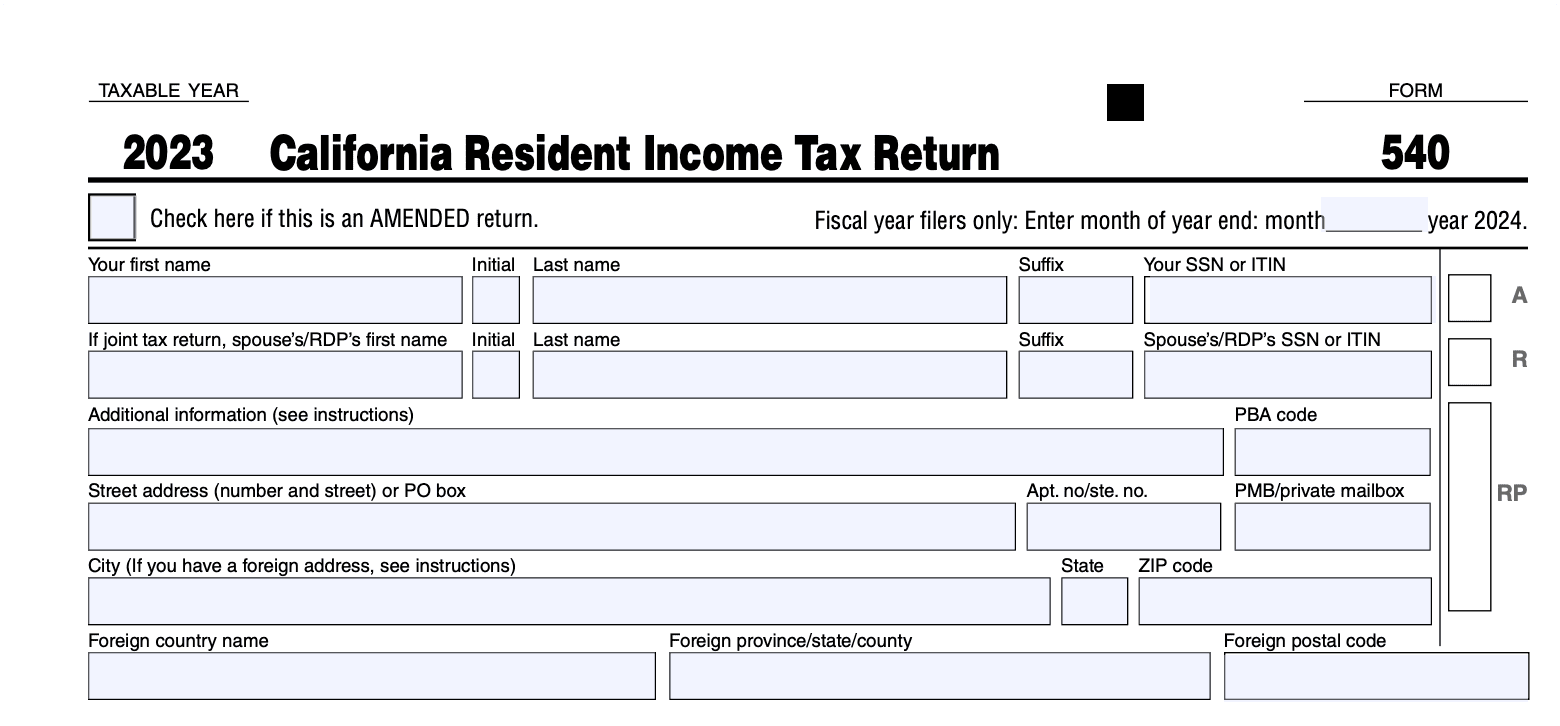
Navigating California Tax Requirements for a Dynamic Lifestyle
The concept of “where to send” your tax return in California extends far beyond a physical address; it begins with understanding your tax identity within the state. For those with a flexible lifestyle, residency status is the cornerstone of determining your obligations. California’s tax laws are notoriously stringent, and misinterpreting your residency can lead to significant complications.
Understanding Residency for Mobile Professionals
California categorizes residents primarily into three groups: resident, nonresident, and part-year resident. A “resident” is generally anyone who is in California for other than a temporary or transitory purpose. This includes individuals domiciled in California who are outside the state for a temporary or transitory purpose. For a digital nomad or a global traveler, establishing domicile can be tricky. Factors like where your family resides, where your primary bank accounts are, where your mail is received, and even where your car is registered all play a role. If you are a resident, you owe California tax on all your income, regardless of where it was earned.
A “nonresident” is an individual who is not a resident. Nonresidents only pay California tax on income derived from California sources. This could apply to someone living in New York but earning income from a California-based business or rental property in Los Angeles. Finally, a “part-year resident” is someone who was a resident for part of the year and a nonresident for the other part. This status is common for individuals relocating for work, retirement, or extended travel, perhaps moving between a primary residence in San Diego and a seasonal home in Hawaii. Clearly defining your residency status is the first, crucial step in determining your filing requirements and, subsequently, where your return needs to go.
The Nexus of Remote Work and California Tax Presence
The rise of remote work has introduced new complexities for California tax residency. Many professionals who once commuted to offices in San Francisco or Silicon Valley now perform their duties from anywhere in the world. The question then becomes: does working remotely for a California-based company, or even just having a California employer, create a California tax nexus for you, even if you spend minimal time in the state?
Generally, if you are a nonresident working remotely for a California employer, your income for services performed outside California is not considered California-source income and thus not subject to California state income tax. However, the definition of “services performed outside California” hinges entirely on your established residency. If you maintain ties to California that classify you as a resident, then all your worldwide income remains taxable. It’s a subtle but critical distinction that impacts where your return is ultimately directed and how your income is reported. Understanding this nexus is particularly important for individuals who might be transiently present in California for short periods while maintaining a remote work setup.
Essential Filing Methods and Official Destinations
Once your residency and income sources are clear, the next step is determining the most efficient and correct method for “sending” your California tax return. The state offers both modern electronic filing options and traditional mail, each with its own set of guidelines and specific destinations.
Electronic Filing: The Preferred Modern Approach
For the vast majority of California taxpayers, electronic filing (e-file) is the recommended and most convenient method. E-filing offers several advantages, including faster processing of refunds, immediate confirmation of receipt, and a reduced chance of errors thanks to built-in software checks. Most commercial tax preparation software providers, such as TurboTax, H&R Block, and others, support e-filing directly to the California Franchise Tax Board (FTB). Additionally, the FTB provides its own free e-file service for eligible taxpayers, known as CalFile.
For individuals with complex financial situations, such as those with multi-state income, foreign earnings, or business interests, using professional tax software or a certified public accountant (CPA) is often the best route for e-filing. These services can accurately calculate your California tax liability, allocate income correctly based on residency, and submit your return digitally. For those leading a mobile lifestyle, e-filing means your tax return can be “sent” from anywhere in the world with an internet connection, removing the logistical challenges of physical mail.
Traditional Mail: Addressing Your Return Correctly
While e-filing is encouraged, traditional paper filing remains an option for those who prefer it or have specific circumstances that preclude electronic submission. If you choose to mail your California tax return, the address you use depends on the type of form you’re submitting and whether you are enclosing a payment. It is crucial to use the correct address to ensure your return is processed promptly. Using an incorrect address can delay processing, cause penalties, or even result in your return being lost.
Key Addresses for Specific California Tax Documents
The primary agency responsible for administering California state income tax is the Franchise Tax Board (FTB). All official mail for individual income tax returns is directed to specific post office box addresses within Sacramento, the state capital.
- For returns with a payment due: There is a specific mailing address dedicated to tax returns that include a payment. This ensures that your payment is matched correctly with your return and processed efficiently.
- For returns requesting a refund or with no amount due: A separate mailing address is used for these returns. This streamlines the processing for refunds and ensures that non-payment returns are handled without the added steps required for payment processing.
- For estimated tax payments, extensions, or specific forms (e.g., amended returns): Each of these often has its own unique mailing address.
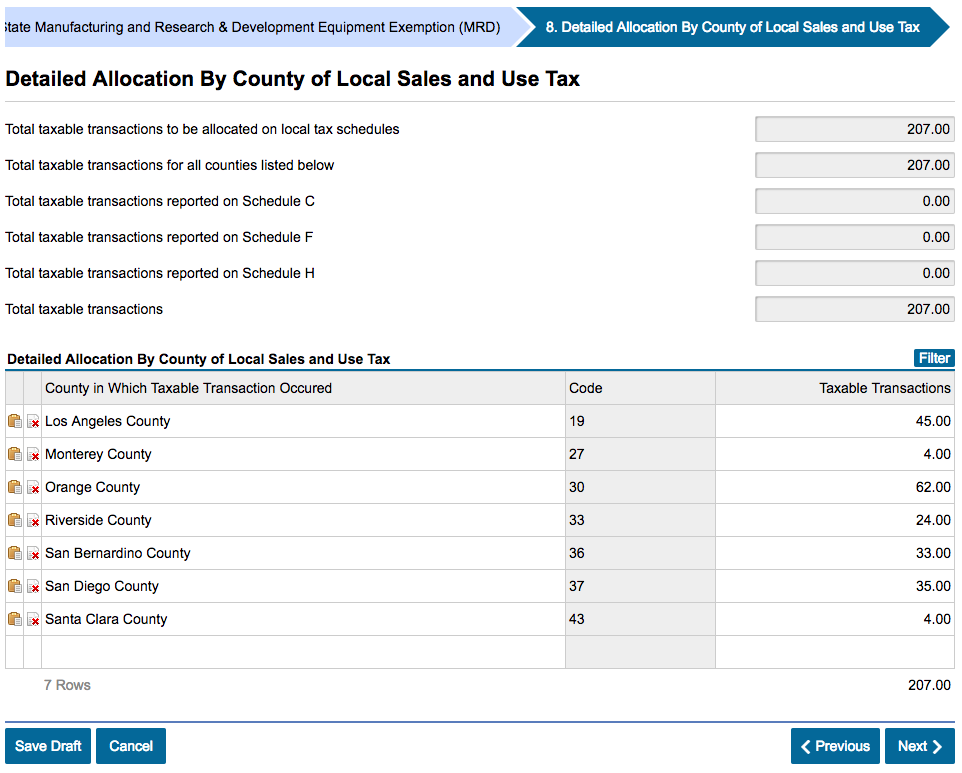
Given that specific mailing addresses can change periodically, especially for different tax years, it is imperative to consult the official FTB website or the instructions for the specific form you are filing for the most current and accurate mailing addresses. Never rely on outdated information for critical tax submissions. The FTB’s official website (ftb.ca.gov) is the authoritative source for these details and should be your first point of reference.
Strategic Tax Planning for Global Citizens and High-Net-Worth Individuals
For those whose lifestyle involves significant travel, international engagements, or substantial assets, “where to send” your California tax return becomes part of a broader strategic financial plan. These individuals often face unique challenges that require careful consideration.
Mitigating Multi-State and International Tax Complexities
A mobile lifestyle often means earning income across various states or even countries. This can trigger tax obligations in multiple jurisdictions, leading to potential double taxation. California offers credits for taxes paid to other states or foreign countries to help mitigate this, but understanding the intricate rules is vital. For example, if you’re a California resident working remotely for a company based in New York, or if you spend significant time between a home in Oakland and a business venture in Texas, proper allocation of income and claiming appropriate credits is essential. The complexity multiplies with international income, where tax treaties and foreign tax credits come into play. Consulting with a tax professional specializing in international or multi-state taxation is highly recommended to ensure your California return accurately reflects all credits and deductions. This proactive approach helps ensure that your return is not just sent to the right place, but that its contents are optimized for your unique global circumstances.
Leveraging Deductions for Business and Lifestyle Expenses
The lifestyle of a digital nomad, frequent business traveler, or luxury enthusiast often comes with unique expenses that may be tax-deductible. Business travel expenses, home office deductions for remote workers (if self-employed), and certain educational or professional development costs can all reduce your taxable income. For high-net-worth individuals, managing investments, real estate holdings in places like Malibu, or philanthropic contributions can also significantly impact their California tax liability. Keeping meticulous records of all income and expenses, regardless of where they occur geographically, is crucial. These records not only support your deductions but also provide a clear audit trail should the Franchise Tax Board have questions. Strategically leveraging these deductions means that when your return is ultimately “sent,” it accurately reflects your financial situation and minimizes your tax burden within legal bounds.
Critical Deadlines and Support Resources for California Filers
Regardless of your lifestyle or income complexity, adhering to deadlines and knowing where to find official support are non-negotiable aspects of filing your California tax return.
Annual Filing Dates to Mark in Your Calendar
The standard deadline for filing California individual income tax returns is typically April 15th each year, aligning with the federal deadline. If this date falls on a weekend or holiday, the deadline shifts to the next business day. It’s also important to note that quarterly estimated tax payments have their own set of deadlines throughout the year. For those who need more time, an automatic extension can be requested, which typically pushes the filing deadline to October 15th. However, an extension to file is not an extension to pay; any taxes owed are still due by the original April deadline to avoid penalties and interest. For those constantly on the move, keeping these dates in a centralized, accessible calendar or reminder system is essential to prevent missed deadlines.
Official Assistance from the California Franchise Tax Board
The Franchise Tax Board (FTB) is the official resource for all California state tax matters. Their website (ftb.ca.gov) provides a wealth of information, including forms, instructions, publications, and FAQs. For personalized assistance, taxpayers can contact the FTB directly via phone or by using their secure messaging system. They also offer taxpayer advocate services for those experiencing significant issues. For individuals navigating complex residency rules or multi-jurisdictional income, the FTB’s resources, when combined with professional tax advice, offer the clearest path to understanding your obligations and ensuring your return is correctly prepared and “sent.”
Optimizing Your Financial Journey: Beyond the Tax Form
Sending your California tax return correctly is just one piece of a larger financial puzzle, especially for those who define their lives by flexibility and exploration.
Integrating Tax Strategy into Your Lifestyle Choices
For digital nomads, remote workers, or those considering a permanent change of domicile from California, strategic tax planning should be an integral part of lifestyle decisions. Where you choose to establish residency, how long you spend in certain locations, and how you structure your income-generating activities all have significant tax implications. For example, understanding California’s tax laws before establishing a short-term residence in San Jose or Oakland can prevent unexpected tax liabilities. Proactive planning allows you to align your financial responsibilities with your personal and professional aspirations, ensuring that your tax strategy supports rather than hinders your chosen lifestyle.
Future-Proofing Your Finances While Embracing Mobility
In a world where geographic boundaries are increasingly fluid, future-proofing your finances means building a robust system for managing your tax obligations, regardless of where your adventures take you. This includes maintaining digital records of all financial transactions, having reliable access to tax preparation software or professionals, and staying informed about changes in tax law. For high-net-worth individuals, this might involve sophisticated estate planning that accounts for multi-state or international assets. By taking a comprehensive approach to your financial well-being, you empower yourself to embrace a mobile lifestyle with confidence, knowing that your California tax return will always find its way to the right destination, prepared accurately and submitted on time.
Disclaimer: This article provides general information and should not be considered tax advice. Tax laws are complex and subject to change. It is highly recommended to consult with a qualified tax professional for personalized advice regarding your specific situation.
LifeOutOfTheBox is a participant in the Amazon Services LLC Associates Program, an affiliate advertising program designed to provide a means for sites to earn advertising fees by advertising and linking to Amazon.com. Amazon, the Amazon logo, AmazonSupply, and the AmazonSupply logo are trademarks of Amazon.com, Inc. or its affiliates. As an Amazon Associate we earn affiliate commissions from qualifying purchases.