
Driving under the influence (DUI) in California is a serious offense with significant legal repercussions that can profoundly impact an individual’s life, far beyond the initial court proceedings. While many DUI cases, particularly first-time offenses without aggravating factors, are typically charged as misdemeanors, there are distinct circumstances under which a DUI can escalate to a felony. For anyone living in, visiting, or planning to relocate to California, understanding this critical distinction is paramount. A felony DUI conviction carries a weight that can affect not only one’s immediate freedom and finances but also long-term lifestyle choices, including the ability to travel freely, secure certain types of accommodation, and pursue specific career paths—all central themes to a life “out of the box.”
The legal framework surrounding DUIs in California is robust, designed to deter impaired driving and ensure public safety. However, the intricacies of the law mean that what might seem like a straightforward traffic offense can quickly become a life-altering legal battle. This article delves into the specifics of California DUI laws, outlining when an offense crosses the threshold from a misdemeanor to a felony, and exploring the expansive, often underestimated, consequences for individuals, especially those who value mobility and diverse life experiences.

Understanding DUI Classifications in California
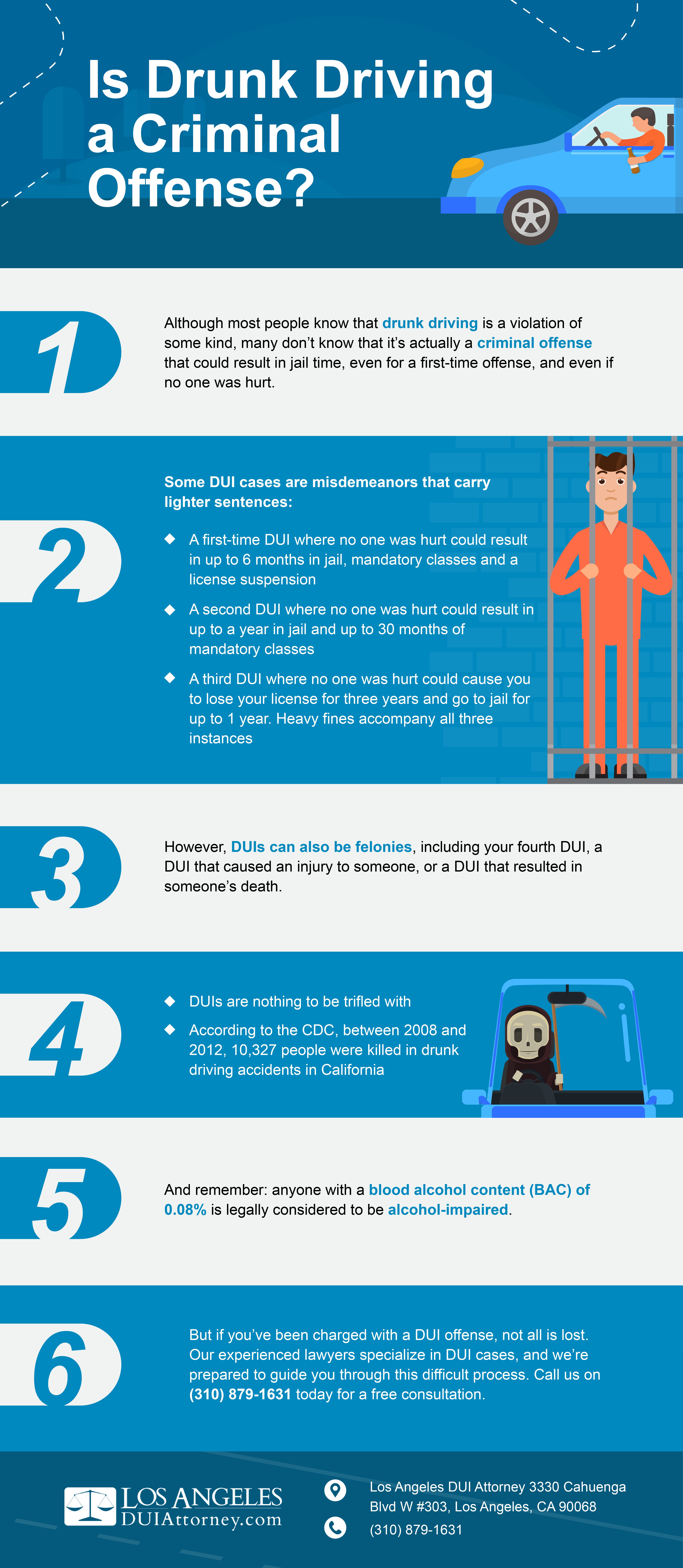
In California, a DUI is generally defined as operating a vehicle while impaired by alcohol or drugs. For alcohol, this usually means having a blood alcohol content (BAC) of 0.08% or higher (0.04% for commercial drivers, and 0.01% for drivers under 21). The classification of a DUI offense—whether a misdemeanor or a felony—depends on a combination of factors, including an individual’s prior criminal record and the specific circumstances surrounding the current incident.
The Baseline: Misdemeanor DUI Offenses
The vast majority of DUI charges in California begin as misdemeanors. This is typically the case for:
- First-Time DUI Offenses: Without additional aggravating factors, a driver’s first DUI within a ten-year period is usually a misdemeanor.
- Second-Time DUI Offenses: If it’s a second offense within that same ten-year “lookback period,” it’s also generally a misdemeanor, albeit with enhanced penalties compared to a first offense.
- Third-Time DUI Offenses: Even a third DUI within the ten-year period is usually a misdemeanor, though the penalties become considerably harsher, often nearing felony-level severity in practice.
The penalties for misdemeanor DUIs, while less severe than felonies, are far from minor. They can include:
- Jail Time: Ranging from a mandatory minimum of 96 hours for a first offense to up to a year in county jail for subsequent offenses.
- Substantial Fines and Fees: These can easily run into thousands of dollars once court costs, penalty assessments, and other charges are factored in. This financial burden alone can significantly strain one’s budget, potentially impacting plans for a luxury getaway or a simple budget trip.
- Mandatory DUI School: Programs typically range from three months for a first offense to thirty months for a third offense. These courses are time-consuming and costly.
- Driver’s License Suspension: The California Department of Motor Vehicles (DMV) can suspend an individual’s driving privileges, usually for four months to three years, depending on the number of prior offenses. A suspended license immediately impacts daily life, making commuting difficult and severely limiting travel within the state. Imagine trying to explore the scenic routes of California or embark on a road trip to Yosemite National Park without the ability to drive.
- Ignition Interlock Device (IID): Installation of an IID may be mandated for a certain period, requiring the driver to pass a breath test before the vehicle will start.
- Probation: Most misdemeanor DUI convictions involve a period of probation, typically three to five years, during which individuals must adhere to specific conditions.
Even a misdemeanor DUI can complicate travel. While it might not prevent entry into most countries, it can make renting a car problematic and, for certain professional travelers, could impact employment.
When a DUI Escalates to a Felony
The situation becomes significantly graver when a DUI offense is elevated to a felony. This transition occurs under specific, well-defined conditions, transforming the nature of the crime and the severity of its consequences.
-
Fourth or Subsequent DUI within 10 Years: This is one of the most common ways a DUI becomes a felony. If an individual is convicted of a fourth or any subsequent DUI offense (including a “wet reckless” conviction, which is a plea bargain often offered in DUI cases) within a ten-year lookback period, it will be charged as a felony. The clock for this “lookback” period starts from the date of the previous conviction’s arrest. This rule underscores California’s strict stance on repeat offenders.
-
DUI Causing Injury: If a DUI incident results in injury to another person, the offense is almost always charged as a felony under California Vehicle Code 23153. The severity of the injury plays a role in sentencing, but even what might seem like a minor injury in the immediate aftermath can trigger this felony charge. This emphasizes the heightened responsibility drivers have to others on the road. The charges can range from felony DUI with injury to more severe charges depending on the level of negligence and harm.

-
Prior Felony DUI Conviction: If an individual has a previous felony DUI conviction on their record, any subsequent DUI—even one that might otherwise be considered a misdemeanor—can be automatically charged as a felony. This “strike” principle demonstrates that the state views any further impaired driving after a felony DUI as a profound disregard for public safety, warranting consistently severe punishment.
-
DUI Causing Death (Gross Vehicular Manslaughter While Intoxicated or Watson Murder): These are the most tragic and severe felony DUI offenses.
- Gross Vehicular Manslaughter While Intoxicated (Penal Code 191.5(a)): If a DUI driver acts with gross negligence (a reckless disregard for human life) and causes the death of another person, they can be charged with this serious felony. The penalties are substantial, reflecting the loss of life caused by the driver’s actions.
- Watson Murder (Second-Degree Murder): This charge applies in cases where a driver, with a prior DUI conviction, received a specific warning known as a “Watson Advisement.” This advisement explicitly informs them that driving under the influence is inherently dangerous to human life and can result in death. If that driver then causes a fatal accident while driving under the influence, they can be charged with second-degree murder. This is one of the gravest consequences in California law, demonstrating a “malice aforethought” even without intent to kill, due to the prior knowledge of risk. A Watson Murder conviction can lead to a state prison sentence of 15 years to life.
While not automatically making a DUI a felony on their own, aggravating factors can significantly enhance penalties for both misdemeanor and felony DUIs. These include an excessively high BAC (e.g., 0.15% or 0.20% or higher), refusal to submit to a chemical test, having a child under 14 in the vehicle, speeding significantly over the limit while impaired, or causing an accident.
Far-Reaching Consequences: Beyond the Courtroom and for the Traveler
A felony DUI conviction in California precipitates a cascade of severe consequences that extend far beyond the immediate legal penalties, fundamentally altering an individual’s life path. For those who embrace a lifestyle of travel, exploration, and diverse experiences, these repercussions can be particularly devastating.
Legal and Financial Repercussions
The legal and financial burdens of a felony DUI are immense:
- State Prison Sentences: Unlike misdemeanors, which typically involve county jail time, felony DUIs often result in lengthy sentences in state prison. These sentences are measured in years, not months, and carry a far greater impact on personal freedom and family life.
- Exorbitant Fines and Fees: Felony DUI fines are substantially higher than misdemeanors, often reaching tens of thousands of dollars once all court costs, restitution to victims, and administrative fees are tallied. This colossal financial drain can decimate savings, jeopardize future investments, and make any form of travel, from a lavish suite in a Los Angeles resort to a budget-friendly hostel stay in San Francisco, an impossible dream for years to come.
- Prolonged License Suspension or Revocation: The California Department of Motor Vehicles (DMV) imposes significantly longer periods of license suspension or outright revocation, sometimes permanently. This loss of driving privileges severely restricts personal mobility and logistical independence, making it difficult to even conduct daily errands, let alone embark on a cross-country road trip or drive to a distant airport for an international flight.
- Permanent Criminal Record: A felony conviction is a permanent stain on one’s criminal record. This record appears on virtually all background checks, impacting employment opportunities across various sectors, housing applications, and even applications for financial services like loans or credit.
- Impact on Professional Licenses: Many professions, particularly those requiring state licensing such as medical practitioners, lawyers, real estate agents, or financial advisors, can see their licenses suspended or permanently revoked. This can effectively end a career, leading to financial ruin and a complete reassessment of one’s professional life.
- Immigration Consequences: For non-U.S. citizens, a felony DUI conviction can have dire immigration consequences, including deportation, denial of re-entry into the United States, or rejection of naturalization applications. This can tear families apart and destroy aspirations of building a life in California.
Lifestyle and Travel Limitations
Perhaps one of the most significant and often overlooked consequences of a felony DUI for individuals who cherish exploration is the profound limitation on lifestyle and travel:
- International Travel Restrictions: This is a major concern for global adventurers. Many countries, including popular destinations like Canada and a significant number of nations in Europe, often deny entry to individuals with felony convictions, even for non-violent crimes. While waivers or special permits may sometimes be available, the application process is often lengthy, expensive, uncertain, and requires meticulous documentation, making spontaneous trips virtually impossible. A once-accessible world of diverse cultures, breathtaking landscapes, and culinary delights suddenly becomes off-limits.
- Car Rental Difficulties: A felony conviction, especially one related to driving, can make it exceedingly difficult or impossible to rent a car, both domestically and internationally. Rental agencies often conduct background checks, and a felony DUI is a red flag for insurance purposes. This severely impacts business travelers needing a vehicle for client meetings in Silicon Valley, families planning a vacation to Disneyland, or anyone relying on car rentals for their travel itinerary.
- Accommodation Hurdles: While less common for short-term hotel stays, a felony record can pose difficulties for securing certain types of accommodation, particularly long-term rentals (apartments, houses) which often involve thorough background checks by landlords or property management companies. This can limit choices for digital nomads, expats, or anyone seeking extended stays in desirable locations.
- Employment in Travel and Hospitality: For individuals working in industries centered around travel, hospitality, or transportation (e.g., airline personnel, tour guides, chauffeurs, hotel managers), a felony DUI conviction can be career-ending. Many positions in these sectors require clean driving records and background checks.
- Social Stigma and Personal Liberty: Beyond the legal and practical limitations, a felony conviction carries a significant social stigma. It can affect personal relationships, community standing, and overall mental well-being. The loss of liberty, both literal and figurative, profoundly restricts one’s ability to choose how and where they live, work, and explore.
Navigating the Legal System and Mitigating Impact
Given the devastating consequences of a felony DUI, understanding how to navigate the legal system and, if necessary, mitigate its long-term impact is crucial. This proactive approach can make a significant difference in the outcome of a case and its subsequent effect on one’s life.
The Importance of Expert Legal Counsel
Facing a felony DUI charge in California is an incredibly complex and daunting challenge. It is not a situation to tackle without specialized legal representation.
- Experienced DUI Attorney: Engaging an attorney specializing in California DUI law is paramount. These legal professionals possess an in-depth understanding of the state’s vehicle codes, court procedures, and the strategies prosecutors often employ. They can identify weaknesses in the prosecution’s case, challenge evidence (such as the accuracy of breathalyzer or blood test results, the legality of the initial traffic stop, or the administration of field sobriety tests), and expose procedural errors.
- Negotiation and Plea Bargains: A skilled attorney can effectively negotiate with prosecutors, potentially leading to a reduction of charges to a lesser offense (e.g., a misdemeanor DUI instead of a felony, or a “wet reckless”), or advocating for alternative sentencing programs that might involve rehabilitation rather than lengthy prison time.
- Protecting Rights: From the moment of arrest, an individual has constitutional rights. An attorney ensures these rights are protected, preventing law enforcement overreach and safeguarding against self-incrimination. Prompt legal intervention can be critical, as evidence needs to be gathered and reviewed swiftly.
Strategies for Post-Conviction Management for Travelers
Even after a conviction, there may be avenues to mitigate some of the long-term impacts, particularly for those whose lifestyles are deeply tied to travel and mobility.
- Felony Reduction to Misdemeanor (Prop 47): In some specific cases, certain non-violent felony offenses can be petitioned to be reduced to misdemeanors under California’s Proposition 47. However, felony DUIs, especially those involving injury or multiple prior convictions, are generally not eligible for this reduction due to their violent or serious nature. An attorney can assess if any such relief is even theoretically possible, though it’s rare for felony DUIs.
- Expungement: While an expungement (under Penal Code 1203.4) does not erase a conviction entirely from one’s record, it does allow an individual to withdraw their plea of guilty or nolo contendere, enter a plea of not guilty, and have the case dismissed. For employment purposes, this means an individual can generally state they have not been convicted of a crime. However, the limitations are significant: expunged felony DUIs are still considered prior convictions for future DUI charges, and they are still discoverable for certain licensing boards (e.g., professional licenses) or immigration purposes. Furthermore, an expungement does not necessarily negate the impact on international travel, as many countries still consider the underlying conviction regardless of its expunged status in California.
- Navigating International Travel with a Record: For those determined to travel internationally despite a felony record, specific strategies are often required:
- Research Entry Requirements: Thoroughly investigate the entry requirements of every country before planning a trip. Some nations have stricter rules than others regarding criminal records.
- Waivers and Permissions: Many countries that restrict entry for individuals with criminal records offer application processes for waivers or temporary resident permits. For example, Canada has a “Temporary Resident Permit” or “Criminal Rehabilitation” process. These applications are often complex, costly, and require significant documentation, including court records, probation reports, and personal statements. They should be initiated well in advance of any travel plans.
- Legal Consultation: Consulting an immigration lawyer specializing in international travel with a criminal record can provide invaluable guidance, helping to prepare necessary documentation and understand the nuances of each country’s laws.
Conclusion
The question “Is a DUI a felony in California?” is unequivocally answered with a resounding “yes” under several specific, aggravating circumstances. From a fourth-time offense within ten years to causing injury or, most tragically, death, a DUI can escalate beyond a misdemeanor into a felony, bringing with it a dramatically harsher set of penalties. These consequences include prolonged state prison sentences, exorbitant fines, extensive license revocations, and a permanent criminal record that will invariably impact future employment, housing, and professional licensure.
For those who aspire to a “life out of the box”—one filled with travel, diverse experiences, and unhindered personal freedom—a felony DUI is particularly devastating. It can erect formidable barriers to international travel, complicate simple acts like renting a car for a family vacation, and even restrict choices in long-term accommodation. The financial burden and the loss of mobility fundamentally alter one’s lifestyle, pushing dreams of exploring landmarks or indulging in luxury travel out of reach.
The best defense against such life-altering consequences is prevention: making responsible choices regarding alcohol and driving. However, should an individual find themselves facing a DUI charge, particularly one that could be a felony, immediate and expert legal counsel is indispensable. Understanding the profound legal and personal ramifications of a felony DUI in California is not just about legal compliance; it’s about preserving one’s future, freedom, and ability to navigate the world without unnecessary barriers.
LifeOutOfTheBox is a participant in the Amazon Services LLC Associates Program, an affiliate advertising program designed to provide a means for sites to earn advertising fees by advertising and linking to Amazon.com. Amazon, the Amazon logo, AmazonSupply, and the AmazonSupply logo are trademarks of Amazon.com, Inc. or its affiliates. As an Amazon Associate we earn affiliate commissions from qualifying purchases.