
Embarking on a journey from the bustling metropolis of Chicago to the sun-kissed shores of Miami is a popular travel choice, whether for business or leisure. The allure of Miami’s vibrant culture, beautiful beaches, and warm climate contrasts sharply with Chicago’s urban charm and often colder weather, making it a favored escape. A common question for anyone planning this trip is, naturally, “How long is the flight?” While seemingly straightforward, the answer involves more than just the time spent airborne. From the moment you leave your home to the instant you step off the plane in Florida, various factors contribute to your total travel duration. Understanding these elements can help you plan a more efficient and enjoyable trip, ensuring you arrive in Miami refreshed and ready to explore. This guide will delve into the typical flight times, the variables that can alter them, and practical tips for a seamless journey between these two iconic American cities.
The Direct Answer: Flight Duration Overview
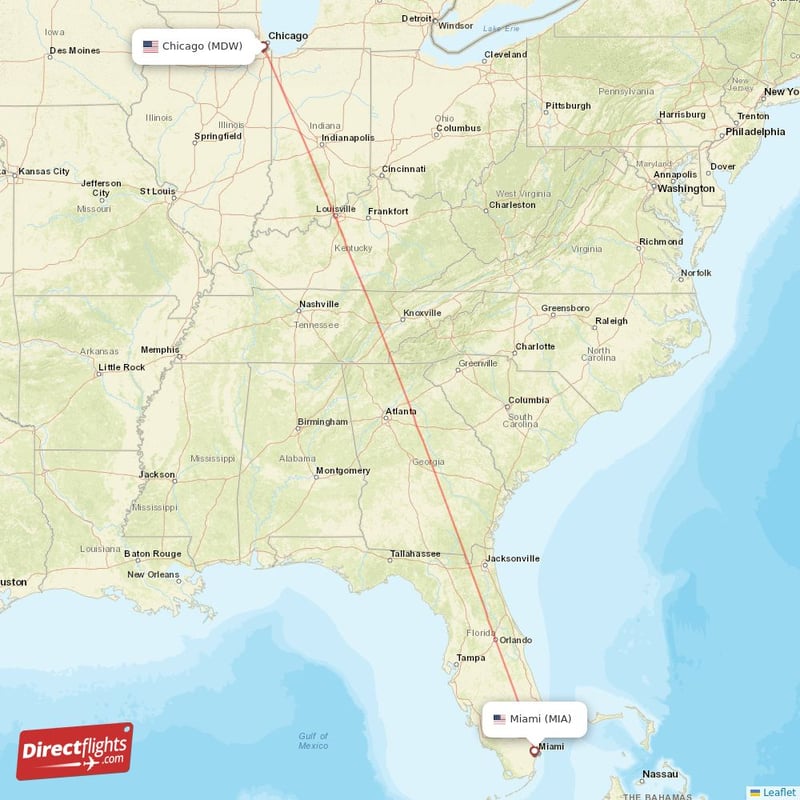
When considering a flight from Chicago to Miami, the most direct and efficient option is a non-stop flight. These flights offer the quickest way to traverse the approximately 1,180 air miles separating the two cities. However, the reported “flight time” can often be a source of confusion for travelers, as it encompasses more than just the actual time the aircraft is in the air.
Typical Non-Stop Flight Times
For a direct flight from Chicago to Miami, the typical scheduled duration ranges from 2 hours and 50 minutes to 3 hours and 20 minutes. This range accounts for variations in airline scheduling, specific routes flown, and expected operational efficiencies. Flights generally depart from Chicago’s primary airports, O’Hare International Airport (ORD) or Midway International Airport (MDW), and arrive at Miami International Airport (MIA) or sometimes Fort Lauderdale-Hollywood International Airport (FLL), which serves the greater Miami area. While Fort Lauderdale is a separate city, its airport is a common alternative for travelers heading to Miami due to its proximity and often competitive fares. The actual “wheels up” to “wheels down” time is usually closer to the lower end of this spectrum, but the scheduled time builds in buffers for ground operations.
Factors Affecting Block Time vs. Actual Air Time
It’s crucial to understand the distinction between “block time” and “actual air time.” Block time, also known as scheduled time, refers to the total time from when the aircraft pushes back from the gate at the departure airport until it arrives at the gate at the destination airport. This is the duration you see on your boarding pass and flight booking. Actual air time, conversely, is the precise period the aircraft is airborne.
Several factors contribute to the difference between these two measurements:
- Taxiing: Both O’Hare and Miami International Airport are large, busy airports. Taxiing from the gate to the runway for takeoff, and from the runway to the gate upon arrival, can add anywhere from 10 to 30 minutes to your journey, sometimes even more during peak times or adverse weather conditions.
- Takeoff and Landing Queues: Air traffic control (ATC) manages a complex ballet of aircraft. During busy periods, planes might have to wait in a queue for takeoff or hold in the air before being cleared to land, directly impacting the block time.
- Gate Delays: Unexpected issues at the gate, such as late boarding, mechanical checks, or baggage loading, can push back departure times, thereby extending the overall block time even if the actual flight duration remains consistent.
- Weather and Headwinds/Tailwinds: Strong headwinds can increase actual air time by slowing the aircraft’s ground speed, while tailwinds can shorten it. Airlines factor these possibilities into their scheduling, but real-time conditions can cause deviations.
Therefore, while the “flight” itself might be just under three hours, your total time spent on the aircraft, from pushback to arrival at the gate, will typically be closer to the 3-hour mark, and potentially longer depending on operational fluidity.
Key Factors Influencing Flight Length
Beyond the general block time, several dynamic elements can significantly influence the actual duration of your flight from Chicago to Miami. These factors are largely outside the traveler’s control but are important for understanding potential variations in travel time.
Aircraft Type and Speed
The specific type of aircraft used for your flight plays a role in its speed capabilities. Most domestic routes between major cities like Chicago and Miami are operated by narrow-body jets, such as the Boeing 737 or Airbus A320 family. These aircraft typically cruise at speeds between 500 and 600 miles per hour (800-965 km/h). While there isn’t a vast difference in speed between these common models that would drastically alter a three-hour flight, newer generations of aircraft might offer marginal efficiency gains. Airlines schedule flights based on the average performance of their fleet, but slight variations can occur.
Weather Conditions and Air Traffic Control
Weather is arguably the most impactful external factor on flight duration.
- Headwinds and Tailwinds: As mentioned, strong prevailing winds, particularly headwinds (winds blowing against the direction of flight), can notably increase the actual time spent in the air. Conversely, strong tailwinds can provide a beneficial boost, shortening the flight. The Chicago to Miami route often experiences varying wind patterns across different altitudes.
- Thunderstorms and Winter Weather: Severe weather along the flight path or at either airport can cause significant delays or rerouting. Chicago is known for its harsh winters, which can lead to de-icing procedures and runway closures, extending ground time. Miami, being a tropical destination, is prone to afternoon thunderstorms, especially during the summer, which can cause air traffic control to hold incoming flights or divert them.
- Air Traffic Control (ATC) Congestion: The airspace over major metropolitan areas like Chicago and Miami is some of the busiest in the world. High traffic volumes, particularly during peak travel seasons or around holidays, can lead to ATC imposing speed restrictions, requiring aircraft to fly holding patterns, or adjusting routes to maintain safe separation. These measures, while critical for safety, invariably add minutes to the flight.
Route Optimization and Airspace Constraints
Airlines and ATC work together to optimize flight paths for efficiency and safety. While a direct “as the crow flies” route might seem ideal, real-world airspace is segmented and managed. Flights must adhere to designated airways and corridors, avoiding restricted military airspace, active weather systems, or areas with high traffic density. Sometimes, a slightly longer route might be chosen to avoid turbulence, utilize more favorable winds, or navigate around congested sectors. This constant dynamic optimization means the exact path taken on any given day can vary, leading to minor fluctuations in flight duration. Advances in flight planning technology continuously seek to minimize these deviations, but they remain an inherent part of air travel.
The Journey with Connections: Adding to Travel Time
While non-stop flights offer the fastest transit, they are not always available, or they might be significantly more expensive. Many travelers opt for connecting flights, which invariably extend the total travel time. Understanding the impact of layovers and how to manage them is crucial for planning.
Common Layover Cities and Their Impact
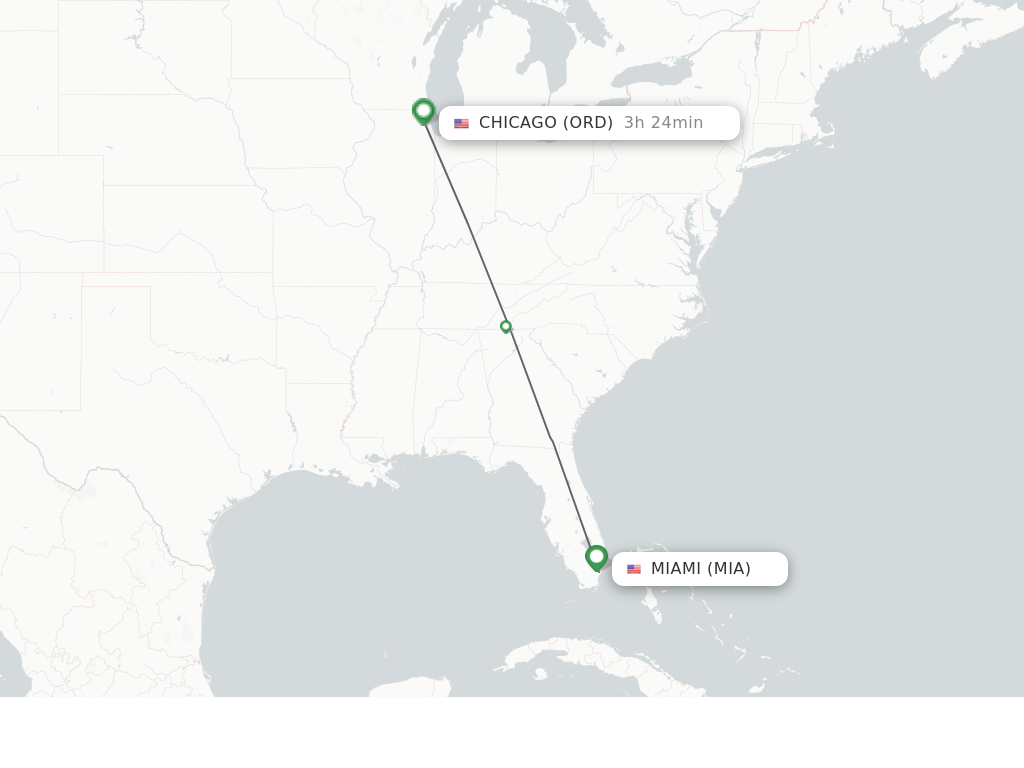
Connecting flights from Chicago to Miami typically involve a stop at a major airline hub in the southeastern or central United States. Common layover cities include:
- Atlanta (Hartsfield-Jackson Atlanta International Airport – ATL)
- Charlotte (Charlotte Douglas International Airport – CLT)
- Dallas/Fort Worth (Dallas/Fort Worth International Airport – DFW)
- Houston (George Bush Intercontinental Airport – IAH)
A single layover can add anywhere from 1.5 hours to 5 hours or more to your total travel time, depending on the duration of the stop. For example, a flight from Chicago to Atlanta might be 1.5 hours, followed by a 2-hour layover, and then a 1.5-hour flight to Miami. This quickly accumulates to 5 hours of total travel time, not including initial airport procedures. Two or more layovers, though less common for this route, would extend the journey even further, potentially turning it into an all-day affair.
Optimizing Connection Times
Choosing the right connection time is an art.
- Not too short: An aggressive layover of less than 60-90 minutes at a large airport like Atlanta or Dallas/Fort Worth carries a high risk of missing your connecting flight, especially if your first flight is delayed or if your gates are far apart. Consider the size of the airport and the typical taxiing times.
- Not too long: While a lengthy layover provides a buffer, an excessively long one (e.g., 4+ hours) can lead to unnecessary fatigue and wasted time, especially if you can’t easily leave the airport. If you must have a long layover, consider airports that offer good amenities, lounges, or even short excursions if time truly permits and your luggage is checked through.
- Terminal Transfers: Some airports are designed with separate terminals for different airlines or hubs, requiring shuttle buses or trains for transfers. Factor this into your layover calculation. For instance, at O’Hare, moving between domestic and international terminals can take time.
When booking connecting flights, it’s generally advisable to choose itineraries offered by the same airline or airline alliance, as they are typically better coordinated to handle missed connections and rebooking. Always check the on-time performance of the operating airlines and the airports involved if you are concerned about tight connections.
Preparing for Your Flight: Tips for a Smooth Journey
A well-prepared traveler is a happy traveler. Even for a relatively short flight like Chicago to Miami, having a strategy can significantly enhance your experience and minimize stress.
Booking Strategies
- Book in Advance: Generally, booking several weeks to a few months in advance yields better prices, especially for direct flights. Tuesdays, Wednesdays, and Saturdays often offer slightly cheaper fares.
- Airline Choice: Several major airlines operate this route, including United Airlines, American Airlines, Southwest Airlines, Spirit Airlines, and Frontier Airlines. Consider not just the price but also baggage allowances, seat comfort, in-flight amenities, and cancellation policies. Budget airlines often have lower base fares but charge extra for everything from seat selection to carry-on bags.
- Direct vs. Connecting: Weigh the cost savings of a connecting flight against the value of your time and convenience. For a relatively short flight like this, a non-stop option is often preferable if the price difference isn’t prohibitive.
- Flexibility: If your schedule allows, being flexible with your travel dates and times can often lead to better deals. Mid-week flights are usually less expensive and less crowded than weekend travel.
In-Flight Comfort and Entertainment
Even at under 3.5 hours, a flight can feel long without proper preparation.
- Stay Hydrated: Air cabins are dry, so drink plenty of water before and during your flight.
- Snacks: While airlines often offer snacks for purchase, bringing your own can save money and ensure you have something you like.
- Entertainment: Download movies, TV shows, podcasts, or e-books to your devices before you leave. Many airlines now offer in-flight Wi-Fi and entertainment systems, but these are not always free or reliable.
- Comfort Items: A neck pillow, eye mask, and noise-canceling headphones can make a world of difference for relaxation. Wear comfortable clothing layers as cabin temperatures can fluctuate.
- Stretch: Even a short flight can lead to stiffness. Try simple stretches in your seat, and if possible, stand up and walk a bit during the flight when permitted.
Airport Experience and Logistics
- Arrive Early: For domestic flights, arriving 2 hours before departure is a good rule of thumb, especially at busy airports like O’Hare or Midway. This allows ample time for check-in, security screening, and finding your gate without rushing.
- Security Checkpoints: Familiarize yourself with TSA guidelines regarding liquids, electronics, and prohibited items to expedite your passage through security. Consider TSA PreCheck or Clear for faster processing if you travel frequently.
- Monitor Flight Status: Use airline apps or airport websites to check for any gate changes, delays, or cancellations before heading to the airport and throughout your journey.
- Ground Transportation: Plan your transportation to and from the airports in both Chicago and Miami in advance. Chicago offers extensive public transport options like the CTA ‘L’ train, while Miami has the MIA Mover and Metrorail from the airport, alongside ride-shares and taxis.
What to Expect Upon Arrival in Miami
Landing in Miami after your flight from Chicago is a sensory experience. The shift in climate, the unique architecture, and the vibrant atmosphere immediately signal that you’ve arrived in a different world.
Getting from the Airport to Your Destination
Miami International Airport (MIA) is conveniently located just a few miles northwest of Downtown Miami. Fort Lauderdale-Hollywood International Airport (FLL) is about 25 miles north.
- MIA Mover & Metrorail: From MIA, the automated MIA Mover connects directly to the Miami Intermodal Center, where you can catch the Metrorail (Orange Line) to various parts of Miami, including Downtown, Brickell, and beyond.
- Ride-shares & Taxis: Both airports have designated pick-up zones for popular ride-sharing services and a plentiful supply of taxis. This is often the quickest and most direct option for destinations like South Beach or Coral Gables.
- Car Rentals: Numerous car rental agencies operate at both airports. Renting a car offers the most flexibility for exploring Miami and its surrounding areas, like the Everglades or the Florida Keys.
- Shuttles & Buses: Various private and public shuttle services are available to take you to hotels or specific neighborhoods.

Immediate Miami Experience
Once you’ve navigated the airport and reached your accommodation, the Miami experience truly begins.
- Climate: Be prepared for Miami’s distinct tropical monsoon climate. Summers are hot and humid with frequent afternoon thunderstorms, while winters are warm and dry, making it a popular escape from Chicago’s cold.
- Culture Shift: Miami boasts a vibrant, multicultural atmosphere, heavily influenced by its Latin American and Caribbean populations. This is reflected in the food, music, and general vivacity of the city.
- What to Do First: Depending on your arrival time, you might want to head straight to the beach, enjoy a delicious Cuban meal in Little Havana, or simply relax by a pool.
In conclusion, the flight duration from Chicago to Miami is a manageable journey of approximately 3 hours for non-stop flights, extending to 5 hours or more with connections. By understanding the factors that influence this timing and preparing effectively, you can ensure a smooth and enjoyable transition from the Midwest’s urban heart to Florida’s sun-drenched coast. Enjoy your trip!
LifeOutOfTheBox is a participant in the Amazon Services LLC Associates Program, an affiliate advertising program designed to provide a means for sites to earn advertising fees by advertising and linking to Amazon.com. Amazon, the Amazon logo, AmazonSupply, and the AmazonSupply logo are trademarks of Amazon.com, Inc. or its affiliates. As an Amazon Associate we earn affiliate commissions from qualifying purchases.