
Embarking on a journey from the vibrant metropolis of Chicago to the sun-drenched shores of Los Angeles is a common itinerary for millions of travelers each year. Whether you’re flying for business, leisure, or to visit loved ones, a primary concern for many is the duration of the flight. Understanding the typical flight times, the factors that can influence them, and how to best prepare for your trip can significantly enhance your travel experience across the United States. This comprehensive guide delves into everything you need to know about the aerial journey between these two iconic cities.
The Standard Flight Duration: What to Expect
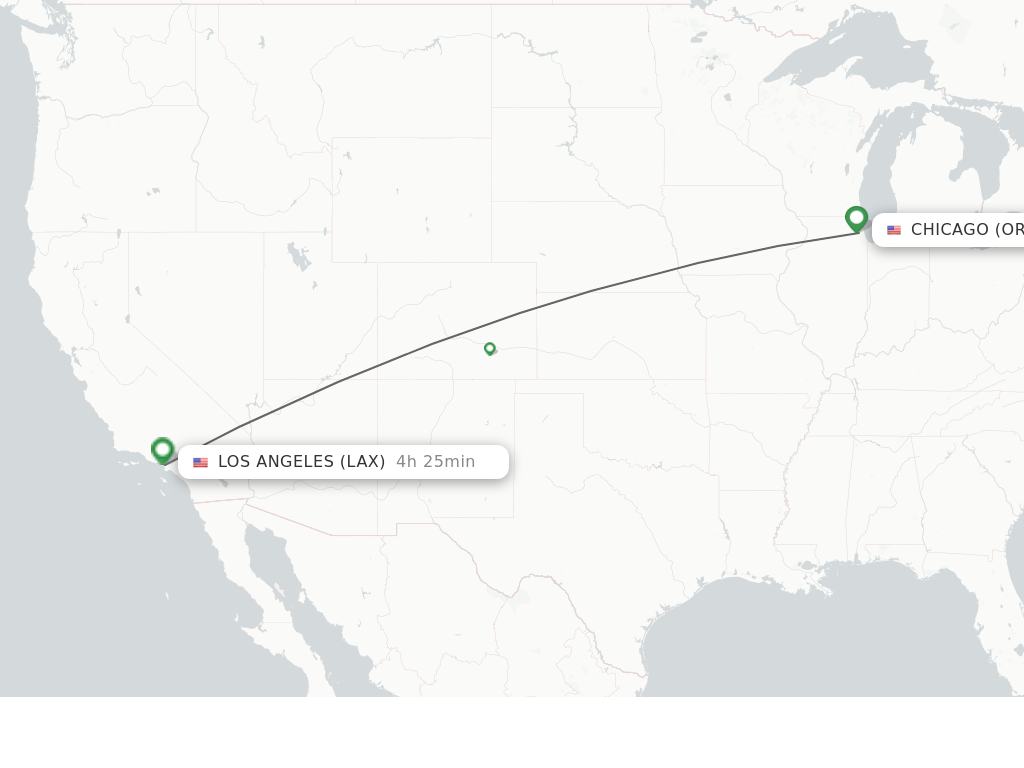
The direct air distance between Chicago, Illinois, and Los Angeles, California, is approximately 1,745 miles (2,808 kilometers). While this distance remains constant, the actual time spent in the air can vary.
Non-stop Flights
For travelers prioritizing speed and convenience, non-stop flights are the optimal choice. The average duration for a direct flight from Chicago to Los Angeles typically ranges between 4 hours and 15 minutes to 4 hours and 45 minutes. This estimate covers the time from take-off to landing, not including potential taxiing, gate delays, or boarding processes. Airlines like American Airlines, United Airlines, Southwest Airlines, and Delta Air Lines frequently offer multiple daily non-stop services on this popular route, providing flexibility for departure times. Opting for a non-stop journey is not only quicker but often reduces the overall stress of travel, as it eliminates the complexities of connections and potential missed flights.
Flights with Layovers
While direct flights are plentiful, some travelers may choose flights with layovers, often due to cost savings or specific airline preferences. The total travel time for flights with one or more layovers can vary dramatically, ranging from 6 hours to 10 hours or even more, depending on the layover city and the duration of the stop. Common layover cities for this route include Denver, Dallas, Phoenix, or Salt Lake City. While layovers can extend your journey, they sometimes offer an opportunity to stretch your legs, grab a meal, or even briefly explore an airport. However, it’s crucial to factor in the potential for delays at each leg of the journey when planning a trip with connections.
Key Airports on the Route
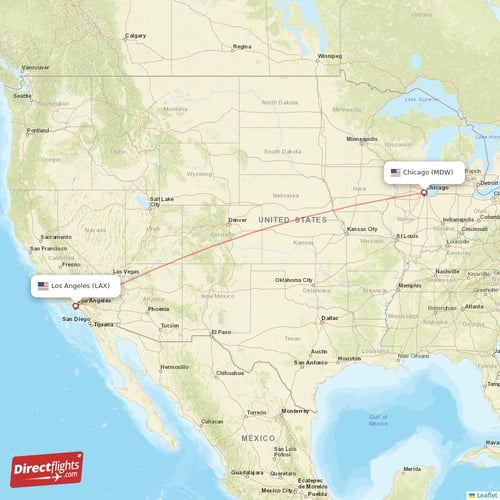
Your journey will likely begin at one of Chicago’s major airports. O’Hare International Airport (ORD) is one of the busiest airports in the world and serves as a major hub for both American Airlines and United Airlines, offering the vast majority of direct flights to Los Angeles. Alternatively, Midway International Airport (MDW) primarily serves Southwest Airlines and also offers direct connections to LAX. Upon arrival, you will land at Los Angeles International Airport (LAX), which is the primary gateway to the Greater Los Angeles area and one of the world’s busiest airports. Familiarity with these airports can help in navigating pre-flight and post-flight logistics.
Factors Influencing Flight Time
While the average flight duration provides a good baseline, several dynamic factors can influence the actual time you spend in the air. These elements contribute to why one flight might take slightly longer or shorter than another, even on the same route.
Aircraft Type and Speed
The specific aircraft model used for your flight plays a role in its speed. Larger, more modern jets, such as the Boeing 737 or Airbus A320 series which are common on this route, are designed for efficient long-haul travel and typically cruise at speeds of around 500-600 miles per hour (800-965 km/h). While the differences might seem marginal to the passenger, variations in cruising speed and operational efficiency between different aircraft types can add or subtract a few minutes from the total flight time. Newer aircraft often benefit from better aerodynamics and more powerful engines, allowing them to maintain optimal speeds more consistently.
Wind Conditions (Jet Stream)
One of the most significant natural factors affecting flight duration is the wind, particularly the powerful high-altitude air currents known as the jet stream. When flying eastbound (e.g., from Los Angeles to Chicago), aircraft often benefit from tailwinds provided by the jet stream, which can significantly reduce flight times. Conversely, flying westbound (from Chicago to Los Angeles), planes often encounter headwinds. These headwinds force the aircraft to work harder against the opposing air current, increasing fuel consumption and, consequently, extending the flight duration. A strong headwind can easily add 15-30 minutes to a non-stop flight, pushing it closer to the upper end of the estimated travel time.
Air Traffic Control and Congestion
The skies above major cities like Chicago and Los Angeles are among the busiest in the world. Air traffic control (ATC) plays a crucial role in managing the flow of aircraft, ensuring safety and efficiency. However, during peak travel times, adverse weather conditions, or unforeseen operational issues, congestion can lead to delays. This might manifest as holding patterns in the air before landing, longer taxi times on the ground, or even delayed departures. While airlines build some buffer into their scheduled flight times to account for these possibilities, significant congestion can still extend your journey beyond the average.
Route Optimization and Weather
Flight paths are not always a straight line from origin to destination. Air Traffic Control and airline dispatchers constantly monitor weather patterns, airspace restrictions, and efficiency metrics to determine the most optimal route. A flight might deviate slightly to avoid severe turbulence, thunderstorms, or restricted military airspace. These minor adjustments can sometimes add a few extra miles to the journey, subtly impacting the overall flight duration. Similarly, ground operations such as de-icing in Chicago’s winter months can add considerable time before a flight even leaves the gate.
Preparing for Your Journey: Making the Flight Comfortable
While the flight from Chicago to Los Angeles is not excessively long, it’s still a significant block of time to spend in the air. Thoughtful preparation can make the experience much more enjoyable.
Choosing the Right Time to Fly
Considering the time of day can impact your travel experience. Early morning flights often have a better on-time performance record, as they are less likely to be affected by cascading delays from earlier flights. Red-eye flights, departing late in the evening, can allow you to maximize your day in Chicago and arrive in Los Angeles early the next morning, potentially saving on a night’s accommodation. However, red-eyes require careful planning to ensure you can sleep on the plane to avoid extreme fatigue upon arrival. Avoiding peak holiday periods or busy weekend travel days can also lead to a more relaxed airport experience and potentially more comfortable flights with fewer crowds.
In-Flight Comfort Essentials
Even a 4-5 hour flight warrants some attention to personal comfort. Pack a small carry-on with essentials like a reusable water bottle (fill it after security), healthy snacks to avoid overpriced airport food, and entertainment options such as a loaded tablet, a good book, or noise-canceling headphones. A neck pillow, eye mask, and earplugs can be invaluable for resting, especially if you’re on a red-eye or simply want to tune out the cabin noise. Layers of clothing are also recommended, as cabin temperatures can fluctuate, allowing you to adjust easily. Staying hydrated and occasionally getting up to stretch can prevent discomfort and reduce the feeling of being cramped.
Managing Time Zone Changes
Traveling from Chicago, which is in the Central Time Zone, to Los Angeles, which operates on the Pacific Time Zone, involves a two-hour time difference. While this isn’t as significant as international travel, it’s enough to cause a mild sense of jet lag, especially for sensitive individuals. To minimize the effects, try to adjust your sleep schedule a day or two before departure by going to bed slightly later or earlier. Upon arrival, immediately switch to Pacific Time on your devices, expose yourself to natural light, and try to stick to local meal and sleep times. Avoiding excessive caffeine or alcohol can also aid in quicker adjustment.
Beyond the Flight: What to Do Upon Arrival in Los Angeles
Once your flight touches down at LAX, your Los Angeles adventure truly begins. Knowing what to expect upon arrival can help you seamlessly transition from air travel to exploring the city.
Transportation from LAX
LAX is a large airport, but it offers numerous transportation options to get you to your final destination. Options include ride-sharing services (Uber, Lyft), designated airport shuttles, public transportation (including the LAX FlyAway bus service to various points in the city like Union Station and Van Nuys), taxis, and rental cars. Given the sprawling nature of Los Angeles, planning your onward journey from the airport in advance is highly recommended to save time and reduce stress. Consider traffic patterns, especially during rush hour, which can significantly impact travel times from LAX to your hotel or attraction.
Top Attractions to Explore
Los Angeles is a city brimming with iconic landmarks and diverse experiences. From the glamour of Hollywood with its famous Walk of Fame and the majestic Griffith Observatory offering stunning views of the city and the Hollywood Sign, to the relaxed coastal vibe of Santa Monica Pier and Venice Beach, there’s something for everyone. Art enthusiasts can explore the Getty Center or the Los Angeles County Museum of Art (LACMA), while shoppers can indulge in luxury on Rodeo Drive. Don’t forget to savor the diverse culinary scene, from food trucks to Michelin-starred restaurants.
Experiencing Los Angeles
Beyond the famous sights, immerse yourself in the unique lifestyle of Los Angeles. Catch a live show, explore diverse neighborhoods, or simply enjoy the sunshine. The city’s energy is infectious, blending creativity, innovation, and a laid-back California spirit. Whether you’re seeking cultural immersion, outdoor adventure, or pure relaxation, Los Angeles provides an unforgettable backdrop for any traveler.
In conclusion, the flight from Chicago to Los Angeles is a manageable journey, typically lasting between 4 hours and 15 minutes to 4 hours and 45 minutes on a direct service. While factors like wind and air traffic can slightly alter this duration, careful planning and attention to comfort essentials will ensure a smooth and enjoyable transition from the Midwest to the West Coast, setting the stage for an incredible experience in the City of Angels.
LifeOutOfTheBox is a participant in the Amazon Services LLC Associates Program, an affiliate advertising program designed to provide a means for sites to earn advertising fees by advertising and linking to Amazon.com. Amazon, the Amazon logo, AmazonSupply, and the AmazonSupply logo are trademarks of Amazon.com, Inc. or its affiliates. As an Amazon Associate we earn affiliate commissions from qualifying purchases.